Monday, November 21, 2016

With more sexual partners you may double the risk of prostrate cancer

The more sexual partners a man has may double his risk of developing prostrate cancer, a study has claimed. The study found that men who had more than seven sexual partners in their lifetime were twice as likely to have prostate cancer than those with fewer than three partners. Men who are sexually active earlier may also be a risk, the researchers said. ‘The more partners you had, the more orgasms you had, the younger you were when you first had sex, all pointed to an increased prostate cancer risk,’ Visalini Nair-Shalliker, doctoral student at Cancer Council New South Wales in Australia, was quoted as saying to smh.com.au. It’s believed this increased risk associated with sexual activity could be due to hormonal changes. Sexual activity and metabolism were associated with antigen, a male sex hormone that is also strongly linked to the initiation of prostate cancer.

Other risk factors included having a father with a history of prostate cancer, a previous diagnosis of prostatitis or benign prostatic hyperplasia. In addition, the study found that being overweight or obese was also associated with increased risk of the disease, but to a lesser extent. There was no association found between prostate cancer risk and circumcision, vasectomy or erectile function, the researchers observed. It is important to identify risk factors so men could be given advice, and men aged over 50 who fell into those risk categories should speak to their doctors, especially if they had a family history of the disease, Nair-Shalliker said. However, ‘we can’t make any recommendations around sexual activity because it’s multi-faceted. We’re not saying ‘increase or decrease your sexual activity’ because the evidence is still grey about that,’ Nair-Shalliker noted, in the paper published in the journal in the International Journal of Cancer

this is only for your information, kindly take the advice of your doctor for medicines, exercises and so on.

https://gscrochetdesigns.blogspot.com. one can see my crochet creations
https://gseasyrecipes.blogspot.com. feel free to view for easy, simple and healthy recipes

https://kneereplacement-stickclub.blogspot.com. for info on knee replacement

Labels: , , , ,

Tuesday, October 14, 2014

Chinese oncologist offers cryosurgical procedure for cancer treatment


A Chinese oncologist today outlined some new techniques for cancer treatment which are now available in some hospitals in the US and in China. 

Mu Feng, Vice-President, Senior Oncologist and Cryosurgery expert, Fuda Cancer Hospital, Guangzhou, China, said cryosurgery is one such option for treatment of localised cancers. 

He explained that cryosurgery is a relatively new technique and extremely useful in freezing and killing abnormal cells. Tried in the case of prostrate cancer initially, this technique has proved to be extremely successful in localised cancers. 

The surgery involves infusion of extreme cold of about minus 160 degree Celsius at the affected site. This freezes the affected area and destroys the abnormal cells. They then get fully dissolved, he said.
During his visit to Hyderabad, he interacted with mediapersons to highlight how cryosurgery has emerged as one of the new approaches for treatment but cannot be applied in treatment of brain tumours and blood cancer cases. 

He said the traditional approach of treatment of cancers is based on surgical procedures when it is localised one and where it is possible to perform the surgery. In other cases, chemotherapy is performed and the other approach is radiation process. The latter are also painful, resulting in a number of side-effects on the patient. 

Therefore, he said one could consider the cryosurgical ablation process and also seed knife therapy or a combination of both. In the case of the seed knife process, isotopes are induced in the affected area to attack the cancerous portion. 

He said they have the facility to treat patients in their hospital in China where Indians can get themselves treated. However, he said, talks are at a preliminary stage with some of the Indian hospitals to offer similar procedures. 


Labels: , , , , , , , ,

Monday, January 20, 2014

Brisk walk may lower prostate cancer risk

Do daily walk and regular exercise have an impact on prostate cancer prognosis? Yes, say researchers.

Men who engage in higher levels of physical activity have been reported to have a lower risk of prostate cancer recurrence and mortality compared with men who participate in little or no physical activity.

"Research has shown that men with prostate tumours containing more regularly-shaped blood vessels have a more favourable prognosis compared with men with prostate tumours containing mostly irregularly-shaped blood vessels," said Erin Van Blarigan, assistant professor at University of California, San Francisco.

The researchers found that men with the fastest walking pace (3.5 miles per hour) prior to diagnosis had 8 percent more regularly-shaped blood vessels compared with men with the slowest walking pace (1.5 miles per hour), said the study.

In the study, we found that men who reported walking at a brisk pace had more regularly-shaped blood vessels in their prostate tumours compared with men who reported walking at a less brisk pace.

The findings were presented at the AACR-Prostate Cancer Foundation Conference on Advances in Prostate Cancer Research held from Jan 18-21.

"Our study supports the growing evidence of the benefits of exercise, such as brisk walking, for men with prostate cancer," said Van Blarigan.


ps- this is only for information, always consult you physician before having any particular food/ medication/exercise/other remedies.
ps- those interested in recipes are free to view my blog-

http://gseasyrecipes.blogspot.com/


for info about knee replacement, you can view my blog-


http://Knee replacement-stick club.blogspot.com/


for crochet designs


http://My Crochet Creations.blogspot.com

Labels: , ,

Wednesday, October 24, 2012

Plant-based diet can lower risk of prostate cancer

High intake of flavonoids, a group of compounds found in plants, can slash the risk of aggressive prostate cancer by 25 percent, a new study has claimed.

Researchers  found that adding fruits, vegetables, herbs and tea to your diet can lower the risk of prostate cancer.

Incorporating more plant-based foods and beverages, such as fruits, vegetables, herbs and tea, into the diet may offer some protection against aggressive prostate cancer.

Filling your plate with flavonoid-rich foods is one behaviour that can be changed to have a beneficial impact on health.

Men with the highest total intake of flavonoids had a 25 per cent lower risk for aggressive prostate cancer compared with those men with the lowest flavonoid intake.


In addition, the risk for aggressive prostate cancer was even lower in those men younger than 65 and in current smokers with the highest levels of flavonoid intake.

Dietary questionnaire results revealed that citrus fruits and juices, such as oranges and grapefruits, tea, grapes, strawberries, onions and cooked greens were the top contributors to total flavonoid intake among the participants.


In particular, consuming more flavonoid-rich foods may be beneficial for those people who are at increased risk for cancer, such as smokers. 

Labels: , , , , , , ,

Thursday, August 16, 2012

YOUR HEALTH CAN BE PREDICTED FROM YOUR HANDS !


1. Blotchy red palms


In the short term, red palms might mean you gripped the shovel too hard when you planted tomatoes, hand-washed a few too many delicates, or grabbed the teakettle a few moments too soon. But if your palms remain reddened over a long period of time, this may be a condition called palmar erythema, which is a sign of liver disease, particularly of cirrhosis and nonalcoholic fatty liver. (One exception: If you're pregnant, red palms are normal, because increased blood flow causes redness in more than half of expecting women.)
As , inflammation of the liver gradually begins to impair its function, so it's no longer able to flush waste products out of the body as efficiently, Blanchard says. The result is an excess of circulating hormones, which in turn cause the blood vessels in the hands and feet to dilate, making them visible through the skin.
 Get evaluated for other symptoms of liver disease, which include swollen legs and abdomen, prominent veins on the upper torso and abdomen, and fatigue. Show your doctor your hands and feet and ask for liver function tests. The most common tests for liver function are a bilirubin count and a liver enzyme count.

2. Finger length

Comparative finger length can tell you a surprising amount about your likelihood of having certain conditions. Typically, men's ring fingers tend to be longer than their index fingers, while in women it's the opposite. Women who have a "masculinized" pattern, with ring fingers longer than their index fingers, are twice as likely to suffer from osteoarthritis. The study found osteoarthritis of the knees to be more common in both men and women with longer ring fingers, but the effect was most pronounced in women. Longer index fingers, on the other hand, are associated with a higher risk of breast cancer in women and with a lower risk of prostate cancer in men. A 2010 study found that men whose index fingers were noticeably longer than their ring fingers were 33 percent less likely to develop prostate cancer.
Scientists aren't sure yet, but they believe finger length is affected by exposure to varying amounts of the hormones testosterone and estrogen in the womb. Longer ring fingers indicate greater prenatal exposure to testosterone, while longer index fingers suggest higher estrogen exposure. Since breast cancer is estrogen-fueled, longer index fingers correlate with higher breast cancer. In men, more testosterone is linked to a higher incidence of prostate cancer, since one fuels the other. As for the osteoarthritis connection, scientists don't have a clear explanation yet but think it may have something to do with the way hormones affect early bone growth.
 Women who have longer ring fingers may want to be on the alert for weak or sore joints, particularly knees, and get injuries or soreness evaluated. Men who may be at higher risk for prostate cancer should be proactive about PSA testing and talk to their doctors about additional testing as well. All women should have regular mammograms for breast cancer screening; if you think you may be at higher risk, talk to your doctor about increasing the frequency of mammograms or scheduling an MRI in addition.
Some researchers believe that finger length should be used as a criterion for more comprehensive cancer screening, but this is controversial. In the meantime, follow suggested guidelines, and be proactive about getting all approved tests.

3. Swollen fingers

If you just got off an airplane, ignore this one for now. Swollen fingers can happen for the simplest of reasons: It's hot out, you're about to get your period, or you just ate salty ramen noodles. But if your fingers feel thick and stiff or your rings still won't fit after several days of drinking plenty of fluids and cutting back on salt , the swelling could suggest hypothyroidism.
 When the thyroid is underactive, it produces less of the important hormones that regulate your metabolism and keep your body functioning properly. And when metabolism slows, the result is typically weight gain and water accumulation.
One of the first places you see that excess water is in the fingers. You can feel it too; your fingers feel stiff because they don't bend as easily.
Ask your doctor for a routine thyroid check, which is a blood test that measures the level of thyroid-stimulating hormone, or TSH. Make sure your doctor is aware of new screening guidelines, which state that TSH level should be between 0.3 and 3.0.

4. Pale nails

Under normal circumstances, if you press gently on your fingernails they turn white, and then when you release the pressure they turn pink again. If your nails stay white more than a minute after you press on them, or they look pale all the time, this can be a sign of anemia.
Anemia, or iron deficiency, causes pale nails when there aren't enough red blood cells circulating in the bloodstream. If uncorrected over time, severe iron deficiency can also cause the nails to have a slightly concave shape. Clue: If anemia is the cause of pale nails, the nail beds (the thin strips at the base of nails) are likely to look particularly bleached out.
Iron deficiency can lead to fatigue or, in serious cases, heart problems, so you'll want to alert your doctor if you think you might be anemic. Your doctor may recommend medication and will likely recommend increasing your dietary intake of iron-rich foods, such as red meat, spinach and other dark greens, and nuts. If your doctor recommends an iron supplement and it causes you digestive issues, ask about a nonconstipating formula such as Slow Fe. And remember to take vitamin C at the same time, as it helps iron absorption.

5. Tiny red stripes under the nails

Called splinter hemorrhages because they look like tiny red or brownish splinters under the nails, these are minute areas of bleeding that can signal infection in the heart or blood. Because they run in the direction of nail growth, they resemble splinters that got stuck under the nail.
Splinter hemorrhages happen when tiny blood clots block blood flow in the capillaries beneath the nails. (Toenails, too.) They most often occur with an infection of the heart valves called subacute bacterial endocarditis. This condition typically occurs in someone with a heart murmur or underlying infection. If you just have a few red spots under the nails and have never been diagnosed with a heart problem, don't panic: It's most likely that these are from some other cause, probably injuries to the hands.
Take your temperature to see if you have a fever. Bacterial endocarditis is typically accompanied by a low-grade fever. If you've never had your heart checked and are concerned about these symptoms, call your doctor for a checkup. Your doctor will run a series of tests to evaluate blood flow through the heart. However, if your heart's been given a clean bill of health, then heart valve infection is an unlikely cause and you can wait to see if the red spots clear up on their own.

6. Thick, rounded fingertips

Known as "clubbing," thickened fingertips that angle out above the last knuckle like miniature clubs can be a sign of heart or lung disease. You may also notice the nail rounding, so your fingers curve downward like the inside of a spoon.
 If the circulatory systems of the heart or lungs are impaired, oxygen levels in the blood are likely to drop. Over time, this causes the soft tissues of the fingertip pads to grow, so fingertips (and the ends of toes) appear to bulge outward.
: If your fingers and toes are clubbing, it's likely you've been noticing other symptoms, such a shortness of breath or chronic cough. Clubbing also occurs with aortic valve disease, which can cause fatigue and chest pain. See your doctor for a full heart and lung evaluation. Be sure to tell your doctor how long you've noticed the change in your fingers and toes, as well as how long you've been experiencing other symptoms.
To monitor the oxygen level in your blood, you can get tested by your doctor or use a pulse oximeter, available at most medical supply stores. If you think your heart and lungs are healthy, ask your doctor to run a standard battery of tests. If you're already aware that you have a heart or lung condition, discuss with your doctor whether this may be a sign of worsening symptoms.

7. Blue fingertips

Fingertips that are gray- or blue-tinged or feel numb can be a sign of a circulatory disorder known as Raynaud's disease or Raynaud's syndrome.
 Raynaud's syndrome causes sudden temporary spasms in the blood vessels and arteries. The narrowed arteries,  constrict blood flow to the hands and fingers, decreasing circulation. Symptoms include cold hands and numb fingertips, in addition to a bluish tinge. Between 5 and 10 percent of people have this condition, so it's more common than you might think. Raynaud's is more common in women than men, and it gets worse in cold weather. It's also brought on by increased stress.
Sudden changes in temperature, such as taking ice cubes out of the freezer, can bring on a Raynaud's attack, so be aware of this effect and ask others to perform such tasks when possible. Wear gloves when you go outside in cold weather, since cold is one of the major triggers for Raynaud's. Even temperatures below 60 degrees are a problem for many Raynaud's sufferers, so you may want to stash gloves in your car, in your purse or briefcase, and by the front door.
It's important not to ignore symptoms, since, over time, Raynaud's attacks can restrict circulation to the point of causing tissue damage. The best way to prevent Raynaud's is to make lifestyle changes to keep your circulation healthy. Smoking and caffeine both constrict blood vessels, so quit smoking and cut down on coffee, tea, and cola. Boost your aerobic exercise to raise your heart rate and get your blood pumping.
Some people suffer from "secondary" Raynaud's, brought on by another underlying condition. In this case, treating the underlying condition is the key to preventing Raynaud's attacks.


Labels: , , , , ,

Sunday, April 29, 2012

Sound Waves To Fight Prostrate Cancer

Scientists claim to have come up with a unique way to treat prostrate cancer, by using sound waves to blast tumour cells. According to them, the new method will have fewer side-effects.

The experiment used sound waves known as, HIFU, i.e., high intensity focused ultrasound. It can even treat areas of cancer just a few millimetres in size. In this trial, 95% patients were cancer-free after a year. The sound waves cause the tissue to vibrate & heat up, killing the cells in the target area.

Performed in hospital under general anaesthetic, most patients are back home within 24 hours. This is a less invasive procedure where only the tumour & surrounding tissues are removed.

The results show that 1 year after treatment, none of the 41 men in the trial had incontinence, a major side-effect of treatment.

Labels: , , , ,

Thursday, April 26, 2012

BROCCOLI reduces risk of Prostate cancer

cid:C9C01EAADB464B0A84B59F47A4DB913D@vpop


BROCCOLI              CANCER 
Close-up, the tiny green tips on a broccoli head look like hundreds of cancer cells.
Now scientists know this disease-busting veg can play a crucial role in preventing the disease.
Last year, a team of researchers at the US National Cancer Institute found just a weekly serving
of broccoli was enough to reduce the risk of prostate cancer by 45 per cent. In Britain , prostate
cancer kills one man every hour.

Labels: , ,

Monday, March 26, 2012

Benefits & Risks of Aspirin


The Benefits

1. It could lower cancer risk.

The three new cancer studies support long-term daily aspirin use. Overall, researchers found that aspirin reduces the risk of dying from cancer by 15 percent—with notable benefits seen within three years for those taking a high dose (more than 300 mg a day) and within five years for low doses (less than 300 mg a day). Long-term use was particularly striking. After five years of regular use, risk of dying from cancer dropped by 37 percent.
Aspirin benefits were most strong with daily use or usage three to six times a week, and were less clear-cut for use only once or twice a week. The research shows "quite convincingly" that aspirin reduces cancer incidence and death ... with an apparent delayed effect," according to a commentary published alongside the new studies.

2. It may even lower risk for breast cancer.

Aspirin may lower a woman's risk of breast cancer recurrence, or possibly even its development. A 2010 report based on data from the Nurses' Health Study suggested that women who had breast cancer and took a low-dose aspirin two to five times weekly were 71 percent less likely to have a deadly recurrence than those who took little or no aspirin. And a research review published in 2008 in the Journal of the National Cancer Institute found a 13 percent relative risk reduction in women who used aspirin regularly, compared with those who did not. The findings found an overall reduced risk of 12 percent for regular use of nonsteroidal anti-inflammatory drugs (NSAIDs) in general. Previous research on breast cancer risk and NSAID use had shown conflicting results.


3. It could help during pregnancy.

A research review published in the Lancet in 2007 suggested that pregnant women who took aspirin or other antiplatelet drugs were 10 percent less likely to develop pre-eclampsia, which involves high blood pressure and potentially serious complications for mother and fetus. Aspirin therapy during pregnancy should definitely be discussed with an obstetrician.

4. There is some hope for Alzheimer's protection.

Research has been inconclusive, but a 2008 review published in Neurology found that people who used aspirin had a 13 percent lower risk of developing Alzheimer's. The study added to an ongoing debate about whether certain types of NSAIDs—say, ibuprofen versus aspirin—were more beneficial.

5. It may help prevent strokes—unless you also take ibuprofen.

A small study published in 2008 in the Journal of Clinical Pharmacology found that stroke patients who took daily aspirin to prevent another stroke and also took ibuprofen—say, for their arthritis—reaped no antiplatelet benefit. After a patient stopped the ibuprofen, the aspirin became effective. The Food and Drug Administration warns that aspirin's benefits may be diminished by ibuprofen use.


6. It may protect against Parkinson's disease.

A 2007 study published in Neurology suggests that women who used aspirin regularly (defined as two or more times a week for at least a month at any point in their lives) may be 40 percent less likely to develop the disease.

7. It may prevent asthma in middle-aged women.

A 2008 study published in Thorax found that women 45 and older who took 100 mg of aspirin every other day were 10 percent less likely to develop asthma over the next decade than women given a placebo. The study authors noted that aspirin could exacerbate symptoms in about 10 percent of people already diagnosed with asthma.

The Risks

8. It may throw off test results for prostate cancer.

In a 2008 issue of the journal Cancer, researchers reported that men who used aspirin and other NSAIDs regularly had about 10 percent lower levels of prostate-specific antigens. The researchers suggest this may hinder the detection of prostate cancer in regular aspirin users.

9. It may increase the risk of hearing loss.

In 2010, researchers reported in the American Journal of Medicine that regular use of aspirin—at least twice weekly—upped the risk of hearing loss by 12 percent in men. Those younger than 50 had a 33 percent increased risk of hearing loss. Use of other NSAIDss or acetaminophen also increased the risk of hearing loss.


Labels: , , , , , , , , , ,

Sunday, February 26, 2012

coffee cancer killer !

To fight against cancer, coffee may be one of the most beneficial & surprising weapons. in 8 months, coffee has been linked to lower rates of 4 kinds of cancer.
coffee seems to be anathema to-

endometrial cancer-
women who have several cups of coffee are 25% less likely to develop endometrial cancer than women who don't finish even 1 cup !
dose- at least 4 cups a day.

Prostrate cancer- just weeks ago, new data came in indicating that coffee- high test AND decaf- is particularly effective at shooting off the most dangerous kind of prostrate cancer.

dose- at least 1 ideally up to 6 cups a day with/without caffeine.

Basal cell carcinoma- if cellular trouble has quietly started, caffeinated coffee acts to shut it down.

dose- more than 3 cups a day.

Breast cancer- heavy coffee drinkers have been linked to a lower risk of certain types of breast cancer after menopause.

dose -  at least 5 cups a day. decaf doesn't do it.


Labels: , , , ,

Healthy Diets: Must-eats for Men

Tomatoes

Tomatoes: This popular fruit has many benefits for men. Lycopene (a phytochemical) is known to lower cholesterol, cut risk of colorectal cancer and heart disease. Studies show that men who regularly eat food rich in lycopene have lesser chances of developing prostate cancer.
Brazil Nut

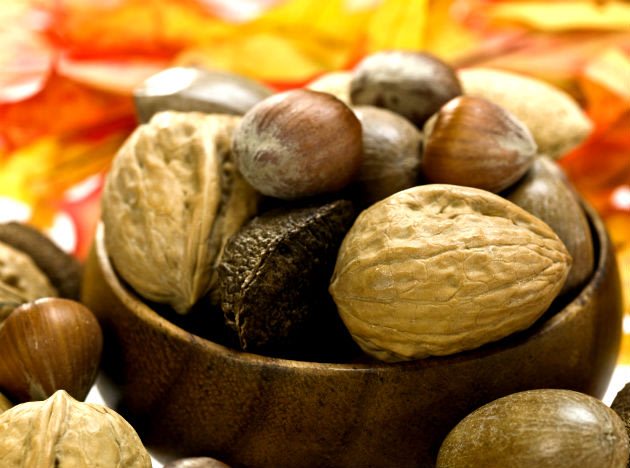
Brazil Nut: Snacking on nuts in general is good for the heart and skin. Brazil nuts, however, are particularly good for men as they have a high selenium content, which is known to enhance sperm health and motility. Selenium also helps reduce LDL or bad cholesterol and acts as mood enhancer.
Cabbage

Cabbage, broccoli and Brussels sprout are some important veggies that every man must include in his diet. These veggies are known to contain cancer-fighting chemicals, which are known to cut risk of prostate and colorectal cancer in men. So add them in plenty in your daily diet.


Eggs

Eggs: If you’re prone to hair loss, then look no further. Eggs, an excellent source of protein and biotin (vitamin B7) boosts hair growth. Additionally, egg yolks are a good source of iron, which research suggests helps alleviate hair loss caused by anaemia.


Blueberries: Blueberries have been linked to reduced risk of prostate cancer, owing to high levels of proanthocyanidins (a subtype of flavonoids). The benefits of blueberries does not end there, research also suggests that this fruit can reduce risk of heart disease, age-related memory loss and type-2 diabetes — all of which – typically effect more men than women.


Pomegranate

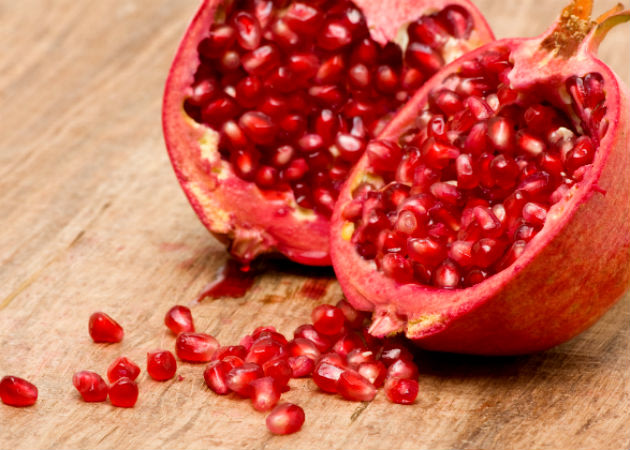
Pomegranate: Packed with antioxidants, vitamins and minerals, and studies show that eating pomegranate regularly can help lower cholesterol, a problem common to many men. Many studies also suggest that drinking a glass of pomegranate juice daily ca slow down the progress of prostate cancer.
Garlic

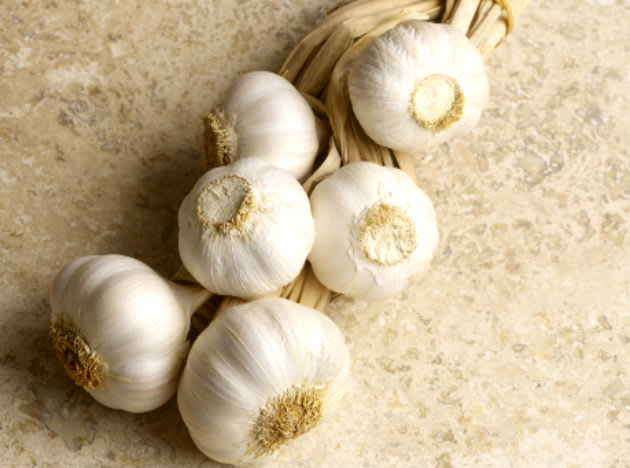
Garlic: Garlic’s heart health boosting properties are well known, it helps lower cholesterol, reducing chances of blockage. Further, research findings published in the Journal of National Cancer Institute suggests that regularly eating garlic and onions cuts risk of prostate cancer. So include them in your diet today.


Salmon: Salmon, a sea fish is a great source of omega-3 fatty acids, which can help treat the cause of many common health ailments in men. It not only helps reduce LDL or bad cholesterol, it also helps alleviate depression and cuts risk of prostate and colorectal cancer.


Whole grains: Whole grains pack in a host of vitamins, minerals and fibre – good for both men and women. However, it’s the B vitamins that particularly benefit men. Vitamin B9 (folate) helps keep sperm healthy, vitamin B7 (biotin) helps reduce hair loss. Silica, also found in whole grains aids healthy hair growth.


Labels: , , , , , , , , , , , , , , ,