Tuesday, July 23, 2019

8 Herbal Teas Capable Of Relieving Bloating

A bloated belly can ruin anyone’s day, as it can cause pain and swelling, as well as make you feel irritated, sluggish and unattractive. Unfortunately, it’s a very common symptom, with as much as 30% of the population suffering from bloating.

A variety of natural remedies targeting this uncomfortable issue, particularly herbal teas, were used in many medicinal traditions worldwide for centuries, if not millennia. Most recently, scientific research caught up to  many of these herbal medicines with the goal of proving their efficacy in a scientific setting.
Long and behold, many herbs did exhibit the ability to relieve bloating, particularly these 8 herbs that can be easily brewed into tea in your very own home. The advantage of these herbs is in their accessibility and ease of preparations. And besides, many of these teas are simply delicious and anyone would want to drink them every day.

1. Chamomile (Chamomillae romanae)

herbal teas that relieve bloating Chamomile (Chamomillae romanae)
Chamomile tea is made from dried chamomile flowers brewed in hot water. The plant belongs to the daisy family, having the characteristic white flower petals and a bright yellow disk in the middle. Traditionally, chamomile is widely used to treat many digestive diseases:
  • gas
  • diarrhea
  • nausea
  • indigestion
  • vomiting
  • ulcers.
Research suggests that chamomile has antibacterial properties, preventing the growth of bacteria associated with ulcers and bloating. In addition, the flowers of the plant contain flavonoids, known for their potent antioxidant properties. That is why it is important to purchase high quality chamomile tea that that contains mostly flowers, and not the leaves or stems of the plant.
Chamomile tea has a pleasant, slightly sweet aroma and taste, and it can be easily prepared by brewing 1 tablespoon of dried chamomile in 1 cup (240 ml) of hot water for 10 minutes.

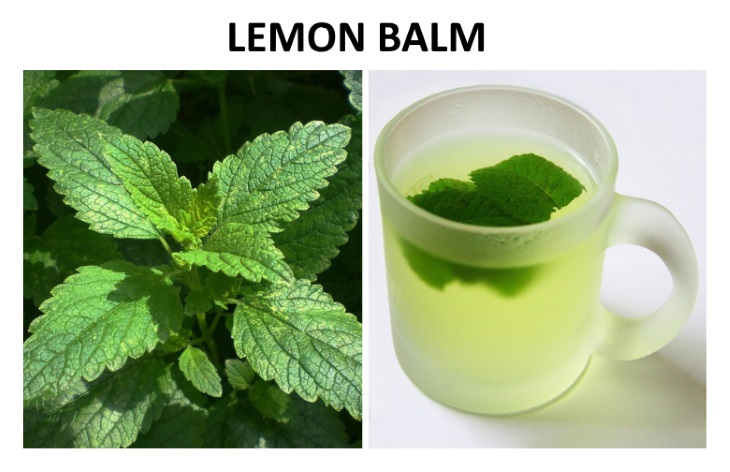
2. Lemon Balm (Melissa officinalis)

herbal teas that relieve bloating  Lemon Balm (Melissa officinalis)
This plant can be easily mistaken for mint, as it belongs to the mint family, but it is slightly different, as it has a slight lemon taste and scent and flavor. The European Medicines Agency recognizes the potency of this plant to relieve gas and bloating, as well as other mild digestive problems.
This coincides with the traditional use of the plant, valued for its capacity to treat a variety of digestive symptoms. Much like mint, lemon balm tea usually contains the leaves of the plant, usually sold in dried form. The preparation is identical to that of chamomile tea.

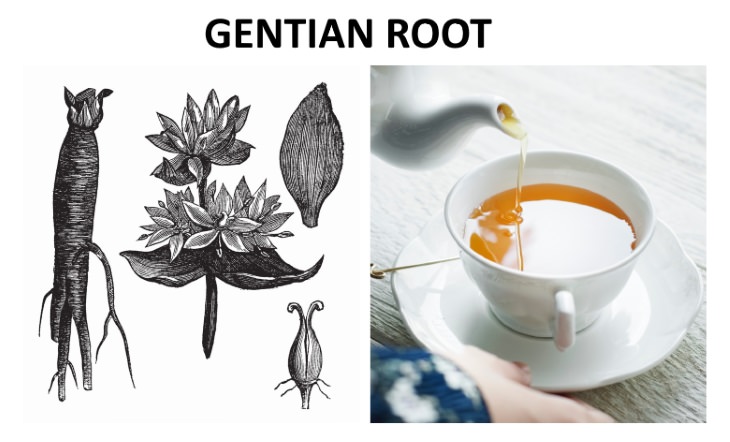
3. Gentian Root (Gentiana lutea)

herbal teas that relieve bloating  Gentian Root (Gentiana lutea)
Gentian root is less widely known than the previous herbs on the list, despite the fact that the plant it comes from, called the yellow gentian, grows all over Europe. Traditionally, the root of this plant was used in medicinal preparations that targeted bloating, gas, and similar issues.
It is known that gentian root contains bitter plant compounds, such as iridoids and flavonoids. Apart from their antioxidant potential, these compounds stimulate digestion, which can also help relieve bloating.
In terms of taste, pure gentian tea is rather bitter, which is why it is usually sold or mixed with other herbs, such as chamomile, as well as honey. Preparation: Add ¼ - ½  teaspoon (1-2 grams) of dried gentian root powder to a cup of hot water and steep it for 10 minutes.

4. Wormwood (Artemisia absinthium)

herbal teas that relieve bloating  Wormwood (Artemisia absinthium)
This leafy green plant is widely-used by humans, although it is mostly associated with the preparation of absinth or to decorate your garden. What you might have not known is that the leaves of this plant were used for centuries to prepare a bitter tea capable of treating indigestion.
A 2015 study reported that only 1 gram of dried wormwood powder is capable at preventing or relieving indigestion by causing the release of digestive juices. So, similarly to gentian root, the bitters in wormwood may aid bloating, too.
Another study also suggested that wormwood may contain antiparasitic properties, which can also be the cause behind bloating. Keep in mind, that you should avoid wormwood during pregnancy, as a compound in wormwood called thujone may generate uterine contractions.
In terms of preparation, bitter wormwood tea is best complemented by lemon and honey. Only 1 teaspoon (1.5 grams) of the dried herb will suffice to prepare a cup of tea, and it is only necessary to brew it for 5 minutes in hot water.

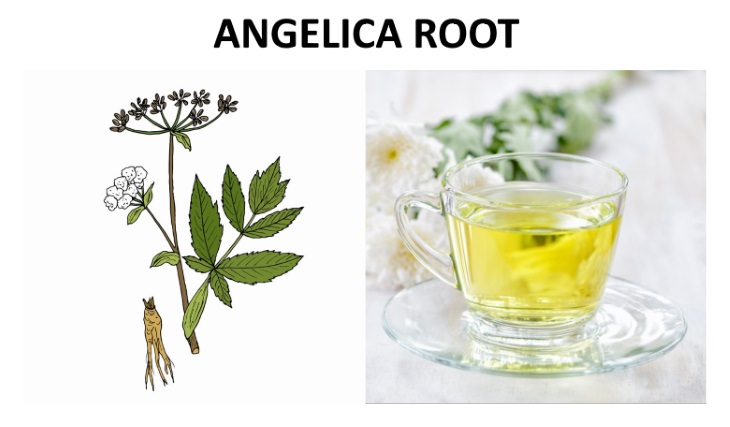
5. Angelica Root (Angelica archangelica)

herbal teas that relieve bloating  Angelica Root (Angelica archangelica)
This plant is closely-related to celery and has been used in Chinese medicine for a long time, but there it is known under the name of dong quai. In traditional Austrian medicine, the roots of the plant are used to treat a variety of diseases of the gastrointestinal tract.
Research confirms some of these uses, as it has been suggested that it can relieve constipation and bloating. The use of the root during pregnancy is under question. The root is usually sold dried or powdered, and it has a bitter taste.
Brew around 1 teaspoon of the root in a cup of water for 5 minutes to prepare the tea.

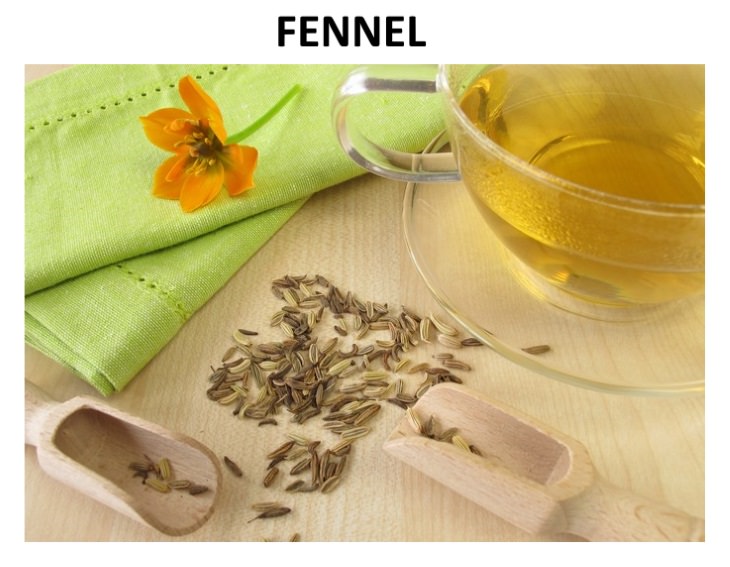
6. Fennel (Foeniculum vulgare)

herbal teas that relieve bloating  Fennel (Foeniculum vulgare)
Fennel is a very popular ingredient in cuisine, with both the seeds and the roots of the plant being used up for different purposes. The plant is very aromatic and has a pleasant flavor and taste. Traditionally, fennel seeds are used to combat abdominal pain, constipation, bloating and gas.
A study conducted on elderly patients showed that individuals suffering from chronic constipation who drank a serving of herbal tea with fennel daily had 4 more bowel movements than the control group in just a 28-days. Constipation is one of the leading causes of bloating, and improving this condition will usually also make bloating go away.
Another study showed that fennel can prevent ulcers, which is another risk factor of chronic bloating.
Apart from their medicinal value, fennel tea is quite pleasant to the taste, with many comparing its sweet aromatic taste to licorice.
To prepare the tea, use 1-2 teaspoons of crushed fennel seeds and steep them for 10-15 minutes in a cup of hot water.

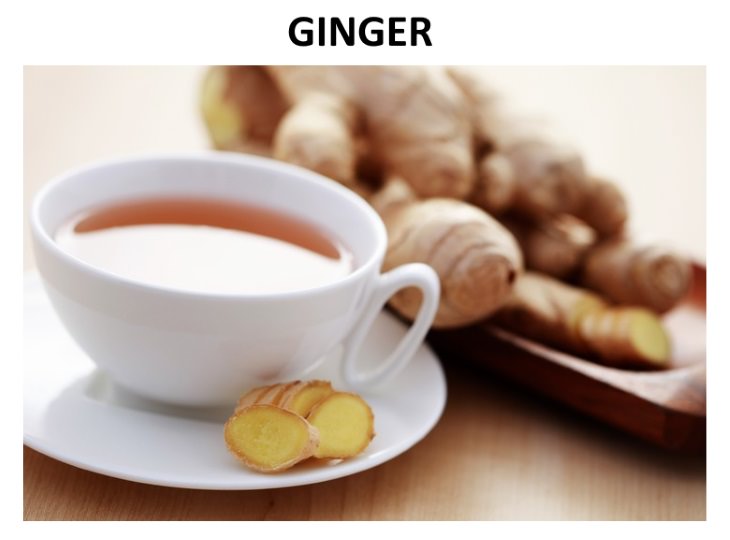
7. Ginger (Zingiber officinale)

herbal teas that relieve bloating  Ginger (Zingiber officinale)
You will most likely recognize the thick roots of the ginger plant, but you may not know that they have been used in traditional medicine to treat stomach issues since the dawn of humanity.
Studies support the use of ginger, too, with one study showing that it can relieve nausea, and another one suggesting that ginger supplements aid digestion, reduce intestinal pain and cramping, relieve bloating and gas. This miracle worker has a pleasant warming flavor and it can either be brewed alone, or combined with lemon, honey and other herbs.
If you’re using dried ginger, only ¼ - ½ teaspoon will suffice to prepare a cup of ginger tea. Steep the hot water and ginger mixture for 5 minutes. If you’re working with fresh ginger, around 1 tablespoon of the finely-sliced root will be enough to make 1 cup of ginger tea, but keep in mind that fresh ginger takes longer to brew, around 10 minutes.

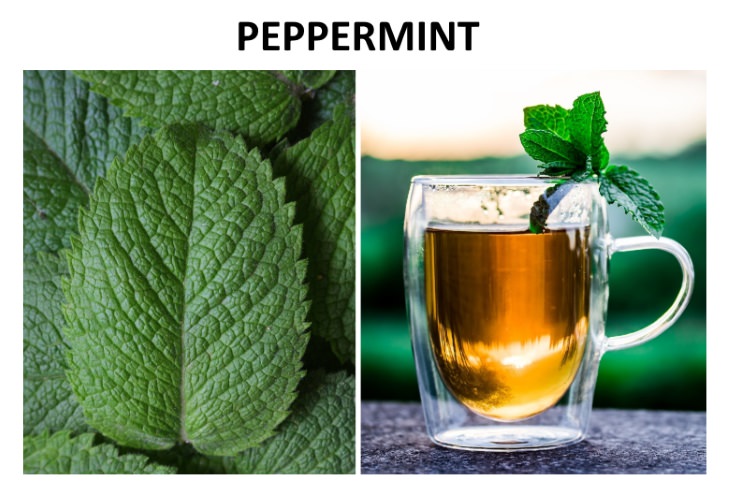
8. Peppermint (Mentha piperita)

herbal teas that relieve bloating  Peppermint (Mentha piperita)
This herb needs no introduction, as most of us are familiar with its cooling, refreshing smell and taste. Apart from being used in gum, mojitos and mint-chocolate, peppermint is a recognized treatment of digestive diseases in traditional medicine.
Peppermint is capable to relax spasms in the gut, which can relieve bloating and abdominal pain. It also contains flavonoids, which can reduce bloating. To make peppermint tea, you can use the prepackaged variety. Alternatively, use 1 tablespoon of dried peppermint leaves or 3 tablespoons of fresh leaves to make a cup of tea. Let the tea steep in hot water for 10 minutes before drinking.
THIS IS ONLY FOR INFORMATION, ALWAYS CONSULT YOU PHYSICIAN BEFORE HAVING ANY PARTICULAR FOOD/ MEDICATION/EXERCISE/OTHER REMEDIES.                                    PS- THOSE INTERESTED IN RECIPES ARE FREE TO  VIEW MY BLOG-                                                                                           https://gseasyrecipes.blogspot.com/                                                                                                                                                FOR INFO ABOUT KNEE REPLACEMENT, YOU CAN VIEW MY BLOG-                                                  https:// kneereplacement-stickclub.blogspot.com/                                                                      FOR CROCHET DESIGNS                                                                                                    
                                https://gscrochetdesigns.blogspot.com

Labels: , , , , , , , , , , ,

Tuesday, February 12, 2019

Benefits of Honey and Cinnamon Mixture

Honey and cinnamon are two amazing natural substances. Natural honey which hasn’t been heated is an excellent raw ingredient for your health. Cinnamon is one of my favorite spices and it’s full of medicinal properties that can contribute a lot to your health. 
  
Health Benefits of Honey and Cinnamon

1. Cinnamon & Honey as a Natural Diabetes Treatment

Cinnamon is one of the top 14 foods top 14 foods and spices that can control type 2 diabetes. Since most of us have cinnamon and honey readily available in the kitchen cupboard, the potential to protect our families from diabetes could be life-changing.
Honey helps to control a number of the factors that have been linked to type 2 diabetes including insulin resistance and blood sugar levels.1 It can help to regulate blood sugar levels, which is a crucial factor in controlling diabetes or preventing it and is more tolerable than most common sugars or sweeteners according to the International Journal of Biological Sciences.
For people whose diabetes is under control, consuming honey in small amounts should not cause blood glucose to spike dramatically, but remember that moderation is a key, as part of a healthy and balanced diet.
Cinnamon is also excellent for preventing and treating diabetes. According to the doctors, 500 mg of cinnamon (1/4 teaspoon) twice a day improves an individual’s ability to regulate blood sugar levels. The Journal  confirmed that cinnamon tea helped to regulate blood sugar levels after meals.
A cup of warm water with a teaspoon of raw honey and a teaspoon of cinnamon will allow you to take advantage of some of the health benefits of cinnamon and honey. Don’t add honey to boiling water to avoid nutrient loss.

2. Cinnamon and Honey for Allergies

Dust mites are one of the greatest sources of allergies in your home and getting rid of these annoying little critters often includes chemicals that are sometimes more dangerous than the critters themselves.
Dust mites have been found to be responsible for dermatitis, asthma, rhinitis, and they have even been found to be responsible for some sudden infant death syndrome cases.
You can use cinnamon to get rid of dust mites! In a study published , cinnamon was found to be effective at killing dust mites. Cinnamon bark oil and cinnamon leaf oil were two and a half times more effective at killing dust mites than benzyl benzoate (chemical used to treat lice and scabies infestations), and cinnamon oil is far less toxic than most of the other chemicals used for dust mites.
A teaspoon of raw honey can help to boost your immune system. Honey and cinnamon can therefore help you fight allergies from the inside and from the outside.
DIY recipe for dust mite pesticide spray
It is really easy to make your own dust mite household pesticide spray. All you need is a spray bottle, distilled water, and cinnamon leaf or bark oil. You need about 24 drops of cinnamon oil for 4 ounces (120 ml) of water. Spray your linens, carpets, curtains, and mattresses to kill off the dust mites and leave your home smelling great.

3. Honey & Cinnamon as a Natural Acne Treatment

Honey and cinnamon have been used by traditional healers for centuries as a way to treat acne and various other skin conditions. Both cinnamon and honey offer potent antibacterial and antimicrobial properties.

The Journal reports that cinnamon is very effective at killing Staphylococcus epidermidis, the types of bacteria often responsible for acne.
 
The journal points out that the advantage of cinnamon oil over antibiotics is that cinnamon does not create antibiotic resistant strains of these bacteria.7 Cinnamon oil does not come with the side effects associated with many antibiotics.
Records of honey used in cosmetics dates back to the earliest civilizations, and records suggest that honey and milk were two of Cleopatra’s beauty secrets.
According to the researchers, honey is currently used medicinally to treat burns and wounds and it is effective for use in treating dandruff and psoriasis. In cosmetic foundations, honey is soothing, helps to prevent wrinkles, and prevents pathogen infections.
Acne clearing honey and cinnamon spot treatment
To make your own honey and cinnamon spot treatment, mix 1 tablespoon of raw organic honey with a teaspoon of cinnamon. Apply the treatment to problem areas and then leave the application on for at least 20 minutes or overnight, if possible.

4. Honey and Cinnamon for the Common Cold

As I mentioned above, both honey and cinnamon offer powerful antimicrobial and antibacterial properties. Cinnamon and honey also contain an abundance of antioxidants that protect you from free radical damage.
Honey is a natural cough suppressant for children and adults. Honey is also one of the ingredients in my cough syrup , which I make along with ACV, dry ginger powder, cayenne pdr, honey and water.
Honey contains other vitamins and minerals that can help to boost the immune system and treat flu.
Honey and cinnamon tea for cold and flu
To take advantage of the healing properties of cinnamon and honey for colds and flu, prepare a tea using these ingredients (as mentioned previously, don’t add honey to boiling water to prevent nutrient loss). For children, a teaspoon before bedtime can help children and their parents get a good night’s rest.

5. Honey and Cinnamon for UTI

In a journal, it was published, a study that evaluated 28 plant extracts against Gram-negative such as E. coli (the main cause of urinary tract infections). Cinnamon was ranked in the top 4 most potent.
Preventing urinary tract infections by taking cinnamon supplements could decrease pain and reduce antibiotic use. You can also combine it with a moderate consumption of Manuka honey which has powerful antibacterial properties.

6. Honey and Cinnamon for Digestive Issues

Honey and cinnamon have always been popular in managing digestive issues such as constipation, nausea, and ulcers. Because honey is predigested nectar, it is easy for the body to break it down, which can soothe an aggravated system.
Cinnamon, has antimicrobial characteristics that can help people with bacterial overload in their digestive system; especially with people suffering from an E. coli infection as you just read in the study out of Iran. Cinnamon is also one of the edible herbs that are thought to help control H. Pylori bacteria  (which can cause peptic ulcers).

7. Honey and Cinnamon to Treat Gingivitis

Honey has anti-bacterial and anti-inflammatory properties.
Researchers  discovered that chewing/sucking on a Manuka honey product not only caused a 35% decrease in plaque, it led to a 35% reduction in bleeding sites in people suffering from gingivitis!
You can combine it with the powerful antimicrobial cinnamon and regular use of the amazing mixture can do wonders to your smile! Honey and cinnamon benefits are proving to be a winning combination.

8. Cinnamon to Prevent Clogged Arteries

According to a study published in 2010, cinnamon oil could reduce harmful triglycerides in the blood by 30% and LDL or bad cholesterol by 27%. The build-up of fatty triglycerides and cholesterol in the blood and arteries is considered to be one of the causes of cardiovascular disease.

9. Honey and Cinnamon for Increased Energy

Chinese folk medicine has used cinnamon to promote a healthy flow vital energy for centuries, and because of its insulin-boosting property, cinnamon has been known to give people energy as it stabilizes your blood sugar.
Honey is composed of a unique carbohydrate composition of natural sugars and trace amounts of antioxidants, enzymes, minerals, vitamins and amino acids, making it a natural energy-filled afternoon snack.
Here are a few ideas on how to use honey to boost energy:
  • Add a teaspoon of honey to 8 ounces of water for a budget-friendly energy drink. You can also add a lemon to enjoy the amazing benefits of honey lemon water, which again helps to lose weight !have it on empty stomach each morning.
  • Mix honey with cream cheese or nut butter for an energy-boosting fruit and vegetable dip.
  • Spread nut butter, honey and sliced bananas on a whole-wheat sandwich.

10. Honey and Cinnamon for Weight Loss

I mentioned in that past that a combination of honey and cinnamon can help you shed unwanted pounds. Cinnamon has got cinnamaldehyde, which helps to burn fat. I soak an inch of cinnamon overnight in about 250-300 ml of water. In the morning, I simmer it for 5 minutes. In a glass/ mug, add 1/2 tsp of turmeric powder, 1" ginger finely chopped, add the simmered cinnamon water, mix well adding a tsp of honey. Let it seep for 10 minutes, DO NOT COVER IT. Then drink it on empty stomach, you can feel your fat getting burnt, feel satiety when you eat little. I drink this on most mornings, earlier, I used to miss my cup of tea. Now, got used to drinking this, don't miss my morning tea at all!

Cinnamon – How Much To Take

There aren’t many strict guidelines when it comes to using cinnamon. Some professionals advise that you can get up to one teaspoon a day if you are ingesting it in powdered form.
The oils and concentrates tend to vary in potency, so you should always read the instructions before using them. Although if taken in a large amount, it can be toxic when used excessively. The only other piece of advice is to avoid cinnamon altogether if you are already on some form of blood thinning medicine.


THIS IS ONLY FOR INFORMATION, ALWAYS CONSULT YOU PHYSICIAN BEFORE HAVING ANY PARTICULAR FOOD/ MEDICATION/EXERCISE/OTHER REMEDIES.                                    PS- THOSE INTERESTED IN RECIPES ARE FREE TO  VIEW MY BLOG-                                                                                           https://gseasyrecipes.blogspot.com/       

                                                                                                                                                                    FOR INFO ABOUT KNEE REPLACEMENT, YOU CAN VIEW MY BLOG-                                                  https:// kneereplacement-stickclub.blogspot.com/           
                                                                           FOR CROCHET DESIGNS                                                                                                                                                                                                  https://gscrochetdesigns.blogspot.com

Labels: , , , , , , , , , , , , , , ,

20 Signs Your Body is Too Acidic and 10 Ways to Quickly Alkalize It


The pH scale (potential hydrogen) runs from 0 to 14 – with 7 as the neutral middle. This means that if the substance’s pH is less than 7, then this substance is acid. But, on the other hand, a basic or alkaline substance has a pH greater than 7. We drink tap water every day, but our tap water is generally a mixture of chlorine, antibiotics, hormones and other heavy metals that will go inside your organism. This means that impure tap water can weaken our immune system and cause many different diseases and health conditions (when the immune system is vulnerable).

Every organ in the human body is affected by acidity. Our lungs, bones, brain, heart, liver, kidneys, stomach, intestines and skin. Well, this means that if your body is too acidic, then you’re not going to feel so good. When our bodies become too acidic, we feel sick, without energy, fatigue, digestive problems, weight gain and other bad side effects.

According to the experts, up to 95% of all cancers have acidic environment behind them. They also claim that cancers can’t survive in an alkaline environment – where the pH level is 7.36 or more. Acidosis (high levels of acidity) is related to other diseases like osteoporosis, diabetes, heart disease and almost all other chronic diseases which we suffer from nowadays.

Here are 20 signs that your body is too acidic:

  • Excess mucus/ phlegm
  • Persistent Cough
  • Chest Pain
  • Persistent Fatigue
  • Sinus Concerns
  • Osteoporosis
  • Neurological conditions like Alzheimer’s, Parkinson’s and dementia
  • Decreased mental clarity
  • Cardiovascular damage caused by acidic plaques– increased threat of cardiac arrest and stroke
  • Bladder and kidney infections
  • Immune shortage
  • Skin issues like eczema, acne, rashes, and dermatitis of all types
  • Stomach problems consisting of bloating, indigestion, acid reflux and excess gas
  • Yeast and yeast infections
  • Weight gain and/or obesity
  • Diabetes
  • Allergic reactions
  • Sciatica and stiff neck
  • Cavities and sensitive gums
  • Joint discomfort and aching muscles
The human body needs to maintain a balanced pH level – in order to stay healthy. Well, this means that when we eat acid-forming foods, the body tries to balance the blood’s pH level by releasing alkaline-rich minerals into the bloodstream, such as calcium, phosphorus, and magnesium. And – if we aren’t eating enough alkaline-forming foods, the body has to pull these minerals from our bones, teeth, and organs, which can cause fatigue and compromise the immune system, making us more vulnerable to illness. In this article, we’re going to show you 7 tips how to decrease the levels of acidity in your body.
Useful tips to decrease your level of acidity:
  1. Make sure you drink a lot of filtered water every day. Spring water is a good choice. This will help you flush the harmful toxins from your body – much faster.
  2. You should eliminate acidic foods from your diet. Foods and drinks like soda, popcorn, dairy, pastries, alcohol, coffee, white vinegar, sweeteners, meat, wheat products, eggs, fish, soy, and seafood.
  3. You should consume more greens because they’re extremely alkalizing. Green shakes, green juices, salads, etc.!
  4. Did you know that your emotions can impact the pH levels in your body? Anger, fear, animosity, and jealousy will increase the acidity. So, you should meditate or practice yoga. It will help you de-stress.
  5. This is very important for you to remember – you should definitely avoid GMO foods.
  6. Consume alkaline-forming foods– vegetables, fruit, nuts, seeds, beans, and legumes.
  7. Drink lemon water in the morning!

THIS IS ONLY FOR INFORMATION, ALWAYS CONSULT YOU PHYSICIAN BEFORE HAVING ANY PARTICULAR FOOD/ MEDICATION/EXERCISE/OTHER REMEDIES.                                    PS- THOSE INTERESTED IN RECIPES ARE FREE TO  VIEW MY BLOG-                                                                                           https://gseasyrecipes.blogspot.com/       

                                                                                                                                                                    FOR INFO ABOUT KNEE REPLACEMENT, YOU CAN VIEW MY BLOG-                                                  https:// kneereplacement-stickclub.blogspot.com/           
                                                                           FOR CROCHET DESIGNS                                                                                                                                                                                                  https://gscrochetdesigns.blogspot.com

Labels: , , , , , , , , , , , , , , , , , , ,

Saturday, November 03, 2018

9 Medical Problems That Can Be Treated with Acupuncture

Most of us probably wouldn’t volunteer to have our skin inserted with needles if we were asked to do just that, but it turns out that more and more people are opting for a method that involves the use of needles as a way to reduce and calm disease symptoms and various medical problems. This form of complementary medicine, called acupuncture, is becoming more and more accepted around the world, and today most medical insurances even cover these treatments. In the following sections, you can learn more about acupuncture, its use, and the main problems it can help treat.

What is Acupuncture and whom is it suitable for? 

Acupuncture is a form of alternative medicine that is considered to be one of the core components of traditional Chinese medicine. This method of healing is based on the insertion of fine needles into certain pressure points in the body, in order to alleviate symptoms of diseases which disrupt our natural balance. Although the needs are usually thinner than a hair and don’t hurt, this treatment method isn’t suitable for people who are scared of needles. If you have problems with blood clotting, you should consult a doctor before choosing this type of treatment, as should pregnant women, since some acupuncture methods are not suitable for them.

How is the treatment performed? 

At the beginning of the process, the patient tells the acupuncturist about their medical history and the problems that are bothering them now. The area of pain or problem is then examined in the body, followed by a personal treatment plan, during which the goals, treatment methods, and necessary meetings are mapped. Finally, the acupuncture procedure is performed, which involves inserting sterile needles into a number of points that affect the relevant organs or systems, just as in the case of the pressure points.
The needles aren’t always inserted specifically in the painful area, but at the points that correlate to it, so that sometimes pain in one area of the body will be treated with acupuncture in a different area, such as pain in the top part of the foot being treated with acupuncture in the palms of the feet. Relief and results vary from patient and patient and from one medical problem to another, meaning that some might make do with 4 treatments and others might require 10 or more.

What are some possible side effects? 

After treatment, you may see blue marks in the areas where the needles were inserted, while some patients, especially those at the beginning of treatment, may feel slightly dizzy or tired. This usually goes away after several treatments.

9 problems that can be treated with acupuncture 

1. Treating colds and sore throat

Conventional treatment for colds, the flu, and sore throats are only about relieving symptoms, and part of it, for example, with the treatment of antibiotics, can suppress the immune system. Acupuncture is not intended to replace traditional treatment in cases of flu or colds, however, it does help strengthen the immune system and relax the body, thereby alleviating the coping with a sore throat usually accompanied by headaches, fatigue, and weakness. For those who perform the treatment during a cold or flu, acupuncture helps remove phlegm and soothes coughing. Acupuncture is especially effective for people suffering from a recurrent sore throat, as it reduces the frequency of these cases.

2. Relieving menstrual pain

Many women suffer from various levels of pain and discomfort due to cramps that accompany the menstrual cycle, and in some, these pains project onto the legs and back and can be accompanied by depression, fatigue, and headaches. All of these symptoms can have a serious impact on women’s lives their daily conduct. The hormonal solution to these problems is often accompanied by a variety of side effects, which causes many women to avoid them.
Acupuncture is very effective in treating the various types of pain associated with menstruation and can strengthen the organs affected by it, help in hormonal balance and release the blood flow in the body affected by the cramps. It is also effective in treating and regulating irregular menstrual cycles. Unlike traditional therapy or painkillers, acupuncture is tailored to each woman according to the problems that bother her.

3. Slowing signs of aging

One of the various acupuncture specialties is facial rejuvenation. This is a unique form of acupuncture that aims to help build collagen, lifting drooping eyelids, reducing the appearance of bags under the eyes and even tightening double chins. Acupuncturist Paige Bourassa, who specializes in treatments of this type, notes that in 12 treatments, it is often possible to achieve a smoother, younger skin appearance.

4. Coping with back pain

Due to our modern Western lifestyle, which includes many hours of sitting and a lack of exercise, almost every one of us has suffered from back pain in different areas. Acupuncture has been found to be effective in coping with back pain, and this has been confirmed in several studies in the field. In a study conducted recently, 1,162 patients with chronic back pain were divided into 3 groups, one of whom received acupuncture treatment, the other received acupuncture at random points, and the third received conventional therapy, including physiotherapy and painkillers. Forty-seven percent of the patients in the first group reported an improvement in their condition, compared to only 12% of the patients in conventional therapy.

5. Calming digestive disorders

Acupuncture treats a variety of gastrointestinal problems, ranging from constipation to irritable bowel syndrome. Conventional treatment often only deals with the symptoms these organic send out as signals instead of the real problems they suffer from. Chinese medicine believes that achieving balance in the organs of the digestive process, whether the spleen or stomach, is important and possible, and by using acupuncture points affecting their functioning one can reduce bloating, calm heartburn, and experience a positive effect on bowel movements and treatment of many other problems.

6. Helping with problems in sex life

Because the Chinese approach is holistic in terms of human health, an acupuncturist will also try to find the mental and emotional connections that may cause many problems in some patients. In some cases, the source of headaches, for example, is the presence of pressure or "stuck" emotional energy that causes the body to tighten and contract so that by relaxing the nervous system, the headache itself can also be treated. In the same way, one of the problems that can be resolved, whether directly or indirectly by treating another problem, is a problem in the patient's sexual life that results from stress or abnormal blood flow to the genitals. In women, a treatment designed to relieve symptoms of polycystic ovaries, for example, can relieve physical pain caused by sexual intercourse, and may, therefore, contribute to a healthier and more satisfying sex life.

7. Treating migraines

A migraine is a type of headache that can paralyze many people and disable them from activity for hours, and even days, on end. Often the only treatment available to migraine sufferers is painkillers, which don’t work in all cases and may cause dependence. The acupuncture procedure is effective for many migraine sufferers, since acupuncture causes the body to release endorphins and serotonin, which contribute to the relaxation of muscles that tighten during the pain attack, which affects the pain receptors in the body, contributes to pain relief and provides relaxation.

8. Relieving asthma symptoms

Asthma attacks cause contractions of the bronchi, which allow airflow in and out of the body, resulting in a shortness of breath. Although acupuncture is not a substitute for an inhaler and is not intended to cure asthma, it acts as a complementary therapy that helps reduce inflammation frequencies that cause contraction and helps body organs recover from attacks. In most cases, acupuncture is not done during the attack but after it.

9. Alleviating Carpal Tunnel Syndrome Pain

Monotonous activities that exert pressure on our wrists, such as prolonged use of a keyboard and computer mouse, have led to an increase in the number of people suffering from carpal tunnel syndrome, which causes pain, numbness and or tingling of the area. This syndrome may interfere with daily functioning, and the proposed treatment generally involves the use of anti-inflammatory drugs. A combination of acupuncture and special exercises for stretching the hand and practicing proper sitting in front of a computer can promote normal blood flow to the area, relieving the pain and preventing worsening of the syndrome. A lack of treatment may lead to a worsening of the syndrome and even to surgery.

THIS IS ONLY FOR INFORMATION, ALWAYS CONSULT YOU PHYSICIAN BEFORE HAVING ANY PARTICULAR FOOD/ MEDICATION/EXERCISE/OTHER REMEDIES.                                                                                                                                                                                                       PS- THOSE INTERESTED IN RECIPES ARE FREE TO  VIEW MY BLOG-                                                                                           https://gseasyrecipes.blogspot.com/   

FOR INFO ABOUT KNEE REPLACEMENT, YOU CAN VIEW MY BLOG-                                                                                          https:// kneereplacement-stickclub.blogspot.com/                              

FOR CROCHET DESIGNS                                                                                                                                                                                                                                 https://gscrochetdesigns.blogspot.com

Labels: , , , , , , , , , , , , , , , ,