Saturday, August 24, 2019

6 Surprising Home Uses for Hydrogen Peroxide

Cleaning up a house is not an easy task, but it's one that we all want to stand up to heroically - no one wants to see their house filling up with dust, or their expensive belongings becoming dirty. However, most of us are busy, and are, therefore, constantly on the lookout for easy and efficient solutions for cleaning our homes.
 
If this sounds like you, know that such a solution is hiding right under our noses: It turns out that hydrogen peroxide, a substance that many use regularly to disinfect cuts and scrapes, makes for the perfect cleaning tool. Read on to discover 6 great uses of this product that will make cleaning and up keeping your house so much easier:

1. Keep your countertops shining

Hydrogen peroxide
Kitchen countertops are often the hardest to keep clean. To make sure they're as clean and sterile as possible, soak a dry rag in some hydrogen peroxide and wipe down these surfaces. 

2. Eliminate bad smells and mildew from towels

Instead of suffering from bad smells and mildew that can appear on old towels, just add half a cup of hydrogen peroxide and half a cup of vinegar to the wash, and launder the towels as you would normally.

3. Disinfect your sheets

Bed sheets, which tend to accumulate dust mites and dirt, can easily be disinfected by spraying a little hydrogen peroxide on them.

 4. Clean your dishwasher
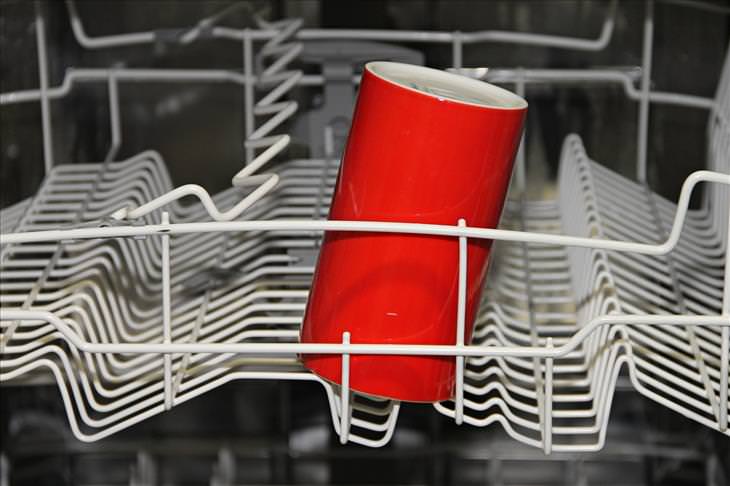
Hydrogen peroxide
Dishwashers are a hotbed for bacteria which are formed on old food scraps. To avoid this, clean your dishwasher by running an empty cycle with hydrogen peroxide.

5. Remove stains from clothes

Stained clothes are an eyesore but luckily there’s an easy way to get rid of them: our some hydrogen peroxide directly onto the stain right before washing it. Wait a few minutes and then launder as usual.

6. Clean your toilet

How can you keep your toilets sparkling white without to much manual labor? Just pour some hydrogen peroxide into your toilet and let it soak for 20-30 minutes. Flush the water and lightly scrub with a toilet scrubber
 
THIS IS ONLY FOR INFORMATION, ALWAYS CONSULT YOU PHYSICIAN BEFORE HAVING ANY PARTICULAR FOOD/ MEDICATION/EXERCISE/OTHER REMEDIES.                                    PS- THOSE INTERESTED IN RECIPES ARE FREE TO  VIEW MY BLOG-                                                                                           https://gseasyrecipes.blogspot.com/                                                                                                                                                FOR INFO ABOUT KNEE REPLACEMENT, YOU CAN VIEW MY BLOG-                                                                       https:// kneereplacement-stickclub.blogspot.com/                                                                                                                     FOR CROCHET DESIGNS                                                                                                   
                                https://gscrochetdesigns.blogspot.com

Labels: , , , , , , , , , , , , , , ,

Sunday, June 09, 2019

The right way to store your toothbrush

Most of the people keep their toothbrush within their reach, on top of their washbasin, while others considering the hygiene factor, store it inside their medicine cupboard. But are you able to protect your toothbrush from disease-causing germs? We all know that our bathroom is filled with disease-causing germs and when you place your toothbrush there, chances are that millions of germs are breeding on your toothbrush. And the same germs on your toothbrush go directly inside your mouth. We tell you the right place to store the toothbrush... 

What is the most hygienic place? You can debate all day about it and still won't be able to reach the right conclusion because almost every place is filled with germs and bacteria. The air contains million of microorganism that can lead to serious health issues. But one thing is for sure that keeping your toothbrush in your washroom is not hygienic at all. 

When you store your toothbrush in the washroom, you are exposing it to germs like toilet plume. Toilet plume are referred to as aerosolized cloud of microscopic particles, which spread in the air when you flush the toilet.
Though it is not very much clear how far the toilet plumes can reach, but if your toothbrush is on the counter near your toilet seat, it is probably in its range. However, there is not much evidence to prove that toilet plumes cause dangerous disease. But it can lead to food poisoning.

The right way to store itAlways keep your toothbrush in a place that allows it to dry between uses. This is one of the reasons why it is not recommended to place your toothbrush inside the medicine closet. The enclosed and humid surrounding are an excellent spot for the burgeoning of germs and bacteria.

You can consider keeping it in a stand in your bedroom.

Other tips -Don't share your toothbrush with anyone.
-Rinse it well after use
-Don't let the head of someone else's toothbrush touch yours.
-Change your toothbrush after three to four months. 


THIS IS ONLY FOR INFORMATION, ALWAYS CONSULT YOU PHYSICIAN BEFORE HAVING ANY PARTICULAR FOOD/ MEDICATION/EXERCISE/OTHER REMEDIES.                                                                PS- THOSE INTERESTED IN RECIPES ARE FREE TO  VIEW MY BLOG-                                                                                         https://gseasyrecipes.blogspot.com/                                                                                                                                                FOR INFO ABOUT KNEE REPLACEMENT, YOU CAN VIEW MY BLOG-                                                                       https:// kneereplacement-stickclub.blogspot.com/  

                 FOR CROCHET DESIGNS                                                                                                                                                  https://gscrochetdesigns.blogspot.com


Labels: , , , , ,

Thursday, January 24, 2019

The 12 Common Habits That Undermine Your Health

Bad habits are easily gained and inherited from our family and parents, but some of these bad habits are sneaky culprits that seem harmless at first sight. For example, what is the harm in replacing a newspaper with a smartphone during a bathroom break? Or why would holding in a sneeze be dangerous to your health?
 
Well, it turns out that all of these and more seemingly harmless habits can pose a serious risk to your health and wellbeing. To see our list of harmful everyday habits, continue reading. 
 

1. Postponing a bathroom break

What are the health dangers?
  • Bladder and kidney disease.
  • Intestinal problems, particularly fissures.
Holding it in is very harmful to your health. The bladder muscles can become constrained and it can lead to not being able to empty your bladder completely or not being able to control your bladder at all. These problems, in turn, create a habitat for bacteria, which cause bladder and kidney infection.

On the digestive side of things, postponing that bathroom break can lead to constipation and tears in the intestines called fissures. These are very painful and prone to bleeding. They form when you’re straining too much as a result of constipation.

2. Holding in a sneeze

What are the health dangers?
  • Can cause ear infections.
  • You can tear your throat or esophagus.
While it may seem like a polite thing to do in certain situations, you should never hold in a sneeze because it is very dangerous, especially for people prone to ear infections and problems with blood pressure.
Not only can it lead to nosebleeds, headaches, and dizziness, but also to painful inner ear infections, sinusitis or worse. For example, in 2016 a 34-year-old British man was admitted to a hospital after stifled his sneeze, which led to a tear in his throat.

3. Taking hot showers

What are the health dangers?
  • Headaches and dizziness.
  • Irritates your skin and scalp.
I know that a hot shower feels amazing, but it is actually very bad for your skin and hair. Taking a hot shower worsens whatever skin or hair condition you have. If your hair gets greasy fast, washing it with hot water will make it dirty even faster.
People with dry and sensitive skin, on the other hand, will see that their skin becomes even redder and more sensitive after the hot shower, stripping it of the much-needed moisture. Finally, people with high blood pressure should stay away from a hot shower because it can make them dizzy and cause headaches.

4. Using toothpicks

What are the health dangers?
  • Gum disease.
When something gets stuck in your teeth, it’s much safer to use dental floss and not toothpicks, as the latter can potentially ruin the tooth enamel at the base of the tooth and irritate the gums, leading to gum disease. Toothpicks are not as effective as brushes and floss at cleaning the teeth either and the often worsen the problem by pushing the particles that are stuck even further in the gums or in-between teeth. 

5. Chewing on hard objects

What are the health dangers?
  • Infection.
  • Dental problems.
Very much like the previous habit, chewing on hard objects can harm your enamel and cause fractures. However, if you chew on different objects, such as pens, it can also introduce different bacteria to your mouth and cause infection.

6. Sleeping face down

What are the health dangers?
  • Neck pain.
  • Blood circulation.
  • Aging skin.
When you sleep on your stomach, it constrains your neck muscles and compresses the already-vulnerable vertebrae. Over time, it can irritate your spinal cord and cause neck pain.
The unnatural position of your spine when sleeping face down also worsens the blood supply to the neck and head, which causes problems with blood circulation.
Finally, some dermatologists claim that sleeping on your face can make your face age faster because of the wrinkles caused during sleep.

7. Shelling seeds with your teeth

What are the health dangers?
  • Tooth decay
Shelling sunflower or pumpkin seeds with your teeth is a terrible way to treat your teeth. Dentists report that it can cause fractures and loss of enamel. So, buy the seeds without the shells or use your hands to shell them instead.

8. Chewing a lot of gum

What are the health dangers?
  • Tooth decay.
  • Stomach issues.
You will need to sacrifice the freshness and fun of chewing gum to your overall health, as it turns out that chewing it frequently may affect your stomach and teeth. When you chew gum, it stimulates the production of saliva and digestive juices in the stomach, which can lead to everything from acid reflux to peptic ulcers.
Higher production of saliva also affects how long your fillings will last and wears down the enamel, so it’s not even beneficial for the teeth.

9. Constantly touching your eyes and face

What are the health dangers?
  • Conjunctivitis.
  • Skin problems.
Touching your skin with dirty hands is a known cause of acne and herpes, especially if you already have those conditions and keep picking on your skin.
Similarly, rubbing your eyes can irritate them, make them watery and bring bacteria into your eye area. Worst-case scenario, you can get conjunctivitis, an eye infection that is very unpleasant and painful.

10. Reading while lying down

What are the health dangers?
  • Neck pain.
  • Eye strain.
  • Back problems.
I think there is no need to repeat how your posture is very important to your health, but it is crucial for you to know that reading or using a device while lying down can deform the natural curvature of the spine. It can also shift your neck forwards, which in turn strains and shortens the neck muscles, and that’s how you get neck pain. 
 
To read in bed safely just follow these tips:

1. Use a pillow to sit up instead of lying down.
2. Keep the book at least 30 cm away from your eyes to prevent eye strain.
3. Don’t read while lying down on your side or on your stomach, it’s even worse than simply lying down on your back because it curves the spine in an unnatural way and also causes eye strain.

11. Licking or blowing on a scratch or wound

What are the health dangers?
  • Hinders the healing.
  • Infection.
It is a myth that licking or blowing on a fresh wound will make it heal faster. Though most mammals, such as dogs, have some antibacterial compounds in their saliva, people have only trace amounts of those compounds in their saliva.
Instead, you have a lot of different bacteria in your mouth, which will slow down the healing process and in rare cases, it can even cause infection. So it's a better idea to use some antibacterial ointment on the wound and cover it up with a band-aid.

12. Using devices during a bathroom break

What are the health dangers?
  • Hemorrhoids.
  • Spreading bacteria.
This harmful habit makes you spread bacteria all over your home and body without even knowing it. Reserve your smartphone to the living room.
Also, when you sit on the toilet for extended periods of time, you weaken your intestinal muscles and strain your intestinal blood vessels. So, don’t stay on the toilet for more than 5 minutes, or else you risk getting hemorrhoids.
THIS IS ONLY FOR INFORMATION, ALWAYS CONSULT YOU PHYSICIAN BEFORE HAVING ANY PARTICULAR FOOD/ MEDICATION/EXERCISE/OTHER REMEDIES.                                    PS- THOSE INTERESTED IN RECIPES ARE FREE TO  VIEW MY BLOG-                                                                                           https://gseasyrecipes.blogspot.com/       
                                                                                                                                                                      FOR INFO ABOUT KNEE REPLACEMENT, YOU CAN VIEW MY BLOG-                                                  https:// kneereplacement-stickclub.blogspot.com/           
                                                                           FOR CROCHET DESIGNS                                                                                                                                                                                                  https://gscrochetdesigns.blogspot.com    
 

Labels: , , , , , , , , , , , , , ,

Saturday, February 10, 2018

Prolapsed rectum !

A man has suffered rectal prolapses from when he was a boy," wrote the hospital. "But he did not take note of it over a long period of time, and did not want to cultivate good toilet habits. He also had the modern-day habit of sitting on the toilet for a long time while playing with his phone.

The hospital's doctor pointed out: "It's because of the long-term habit of sitting on the toilet for long periods of time that created great pressure on the abdomen, eventually resulting in rectal prolapses that progressively got worse (over the years)."

According to the article, the hospital received the emergency case at 1am in recent weeks. The patient had a pained look on his face and was leaning on his friends as he was unable to walk by himself.

Doctors performed inspections and found that he had a "tail" measuring about 20cm long emerging from his buttocks, that turned out to be his prolapsed rectum.

The doctors assessed the situation and found that it was not a critical situation, but warded the man as the organ could be subject to necrosis or perforation if exposed for too long.

Doctor  who specialises in surgery for rectal prolapses, ran a CT scan on the man's abdominal area to eliminate the possibility of him dying from loss of blood or necrosis before a team of doctors performed an operation on the man.

"Although it looked very serious, the entire surgery process was very smooth, and the man no longer had a 'tail' after the surgery," said the hospital.

The man's relatives arrived at the hospital after the surgery, and the man could walk slowly just two days after the operation.

He went home with his family ahead of reunion dinner for Chinese New Year.

The Dr. said people of all ages may suffer rectal prolapse, but children and the elderly are more susceptible to it.

According to a website, rectal prolapse is a condition in which the rectum - the lower end of the colon, located just above the anus - drops downwards and turns inside out.

In the early stage, the rectum stays inside the body, but as the condition worsens, it may protrude out through the anus.
 
There is often weakness of the anal muscles, and this may result in leakage of stool or mucus. Rectal prolapse is more common in women than men.

Several factors contribute to the development of rectal prolapse. Repeated straining at stools or stresses during childbirth plays a role. With ageing, there is weakening of the tissues that support the rectum and weakening of the muscles of the anus. In some cases, neurological problems, such as spinal cord injury or spinal cord disease, can lead to prolapse. In most cases, however, no single cause can be identified.

The Professor gave the following recommendations to prevent rectal prolapses:
1. Those who suffer from constipation should eat more fruit and vegetables and avoid straining too hard while passing motion. They should also avoid reading books or using their phones while on the toilet.
2. Those who suffer from diarrhoea or enteritis (inflammation of the intestine) should seek treatment promptly, especially for young children.
3. Elderly people who may have weak sphincter muscles should perform Kegel exercises twice a day.
4. Seek treatment early for illnesses that exert pressure on the abdomen, such as whooping cough or emphysema, a type of chronic obstructive pulmonary disease.

THIS IS ONLY FOR INFORMATION, ALWAYS CONSULT YOU PHYSICIAN BEFORE HAVING ANY PARTICULAR FOOD/ MEDICATION/EXERCISE/OTHER REMEDIES.    

PS- THOSE INTERESTED IN RECIPES ARE FREE TO VIEW MY BLOG-                      
HTTP:GSEASYRECIPES.BLOGSPOT.COM/
FOR INFO ABOUT KNEE REPLACEMENT, YOU CAN VIEW MY BLOG-                                                     
HTTP://KNEE REPLACEMENT-STICK CLUB.BLOGSPOT.COM/
FOR CROCHET DESIGNS

HTTP://MY CROCHET CREATIONS.BLOGSPOT.COM

Labels: , , , , , , , , , , , , , , ,