Thursday, June 05, 2025

A Guide to Avoiding Waste & Stomachaches

We all know the feeling: we prepared a fresh salad for dinner, finished eating, and some is left. What now? Throw it away? Can it be saved for tomorrow? Maybe for two days? And when is it no longer worth taking the risk? The question of how long a salad lasts in the fridge seems simple, but the answer depends on many factors – the type of salad, how it’s stored, what’s in it, and how it’s handled after preparation. In this article, we’ll clarify this topic and understand which salads last longer, how to extend the shelf life of different types of salads, and, of course, when it’s time to say goodbye to them.
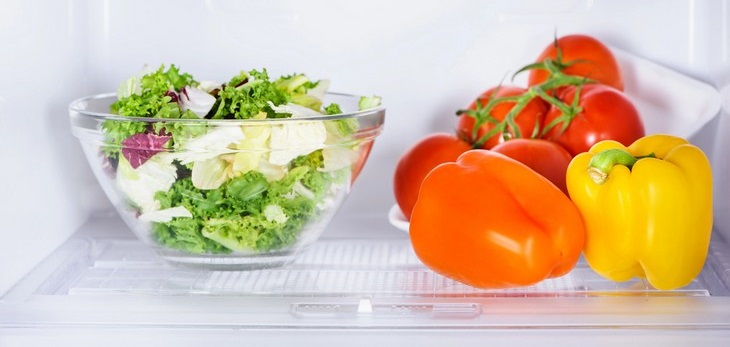
How long can you keep a salad in the fridge: Salad in the fridge
Why is it important to know how to properly store vegetables and salads in the fridge? 
 
The first reason is a combination of health and taste. Unlike cooked foods, salads contain fresh and sometimes sensitive ingredients. When they’re not stored properly, they lose not only their texture and flavor but also their freshness and safety. Eating a spoiled salad can lead to nausea, stomach pain, or even food poisoning, especially if it contains wet vegetables, mayonnaise-based dressings, or cheeses. Beyond health, it’s also important to consider food waste, as a salad thrown away is food that required time, money, and resources. With a little awareness, you can reduce waste and eat healthier.

According to data from the 2022 Leket Israel Food Waste Report, an average Israeli household throws away products worth about 14% of its total food expenditure. In practical terms, this means an average Israeli family discarded food worth approximately 4,000 ILS, with a significant portion of that linked to fruits and vegetables. Since food expenditure in Israel is relatively high compared to international standards, food loss is one of the major contributors to the high cost of living. Another concerning statistic from the report is that household food loss stems from a combination of consumer habits and the impact of food storage methods and freshness preservation.

5 Tips for Storing Salads in the Fridge 
 
1. Perfect Drying is Key 
 
Excess moisture is the biggest enemy of fresh vegetables, and in general, a dry vegetable will last twice as long as a wet one. If you prepared a salad with a liquid dressing or if a lot of liquid has accumulated in it, as often happens with a vegetable salad made of tomatoes, cucumbers, onions, peppers, etc., it’s best to drain the dressing and liquids that have collected at the bottom of the bowl. Then, use a pasta strainer or similar tool to dry the vegetables, transfer them to a storage container (we’ll elaborate on suitable storage containers later), and store the dressing and liquids in a separate container.

2. Smart Vegetable Cutting 
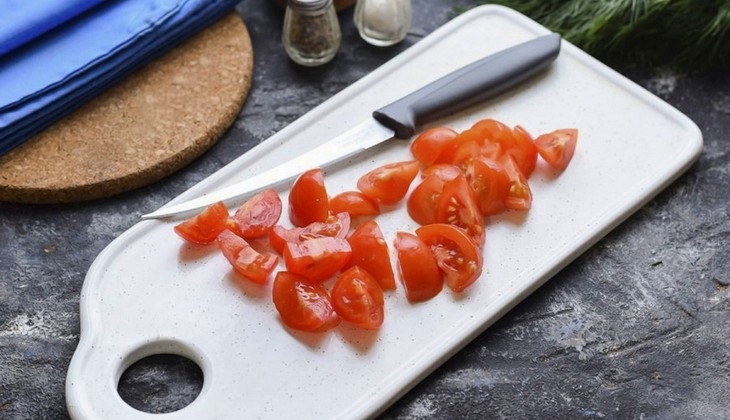
 How long can you keep a salad in the fridge: Tomatoes on a cutting board
If you already know while preparing the salad that there’s a high chance leftovers will remain, you should cut the vegetables wisely. What does that mean? The more you cut the vegetables, and into smaller pieces, the more they are exposed to oxidation and rot due to excess moisture if you didn’t follow our previous drying tip. So, despite many people’s desire to make a finely chopped vegetable salad, if there’s a high chance of storing leftovers in the fridge, it’s better to cut the vegetables into relatively larger pieces.

3. Quick and Smart Storage  
 
As soon as you’re done with the salad, even before the meal is over and the guests (if any) have left, it’s best to store it in the fridge quickly. Rapid cooling of the salad slows bacterial growth, which is especially important in the Israeli summer. In most cases, it’s not advisable to use the salad’s serving dish for storage and simply cover it with plastic wrap. Instead, choose a storage container as small as possible based on the amount of salad left, ideally made of materials like glass or BPA-free plastic. If the salad isn’t dressed or only partially dressed, you can add a bit of lemon juice or apple cider vinegar, which act as natural preservatives and even have numerous health benefits. 
 
4. Proper Fridge Placement 
Many people know that the best place for vegetables is the bottom drawer, where the temperature is stable and humidity is lower. Storage containers with salads you want to keep fresh should also be stored in a designated spot, preferably not near the fridge’s walls, which tend to be very cold, or near dairy products or similar foods that might release odors.

5. Daily Checks and Preventive Care 
 
Although with proper storage, even a chopped vegetable salad can last in the fridge for at least 24 hours, many factors affect the freshness of such salads and others we’ll discuss later. Therefore, if you’ve stored salad leftovers in the fridge, it’s worth checking their condition at least once a day and taking steps to preserve them. For example: 
 
Stir the salad 
Drain liquids 
 Remove pieces of green leaves or vegetables showing signs of spoilage 
Depending on the type of salad, you can add a piece of paper towel to the storage container to absorb moisture at the top or between layers of the salad

Signs of a Spoiled Salad You Should Know 
 
Despite all the good intentions to avoid waste, preserve for longer, and enjoy the salads we worked hard to prepare, sometimes signs of spoilage can appear even after short storage, and it’s important to recognize them. 
 
Brown or black pieces of leaves or vegetables - This indicates the start of a rotting process. If it’s only on some leaves, you can remove them and use the rest, but if the damage is extensive, it’s better to throw everything out. 
 
An unusual sour or sweet smell - Fresh vegetables should have a natural, usually mild scent. A strange or particularly strong smell indicates bacterial activity that could be harmful. 
 
Soft and sticky texture - This means the vegetable has lost its cellular structure and started to break down. Even if it looks okay, it’s best to avoid eating it. 
 
White or colorful spots - These could be mold or fungi, and you should discard the entire dish because the spores are likely spread throughout the container.


How Long Should Different Types of Salads Be Kept in the Fridge?  
 
When we store leftover prepared salad in the fridge after a meal, many variables affect how long it will stay fresh, tasty, and safe to eat. We’ve already discussed some, like the type of dressing and cutting, but there are many other factors related to the salad type, the nature of the ingredients, and their freshness before preparation. 
 
1. Classic Vegetable Salad (tomato, cucumber, onion, pepper, etc.) Pre-dressed: Up to 24 hours | Undressed: Up to 36 hours 
 
The classic Israeli salad is delicious and simple but quick to spoil. Tomatoes, in particular, tend to release a lot of liquid after cutting, making other vegetables soft and soggy. Seasoning with salt and lemon accelerates the vegetables’ “sweating” process and shortens storage time. So, if you plan to store leftovers, it’s better to dress only the portion you’re eating.

2. Leafy Green Salads (lettuce, arugula, baby spinach, kale, etc.) With dressing: 8–12 hours | Without dressing: Up to 24 hours | 
 
If leaves are thoroughly dried: Up to 36 hours The leaves in these salads tend to absorb liquids quickly, shrinking, browning, and losing crispness. The wetter and more washed the leaves are, the faster they rot. In winter, you might stretch it a few more hours, but in summer, it’s best to consume them the same day. 
 
3. Cooked Salads (beets, sweet potatoes, potatoes, carrots, etc.) With oil, vinegar, or lemon (no dairy dressing): 3–5 days | With dairy dressing: Up to 48 hours 
 
These salads are based on cooked vegetables, a process that makes them more durable. Oil and vinegar even act as natural preservatives. When the dressing is based on cream, yogurt, or cheese, the storage time shortens accordingly.

4. Asian Salads (cabbage, carrots, sprouts, soy/sesame dressing) Up to 2–3 days, depending on the amount of dressing and whether it was pre-prepared 

 How long can you keep a salad in the fridge: Cabbage on a cutting board
White cabbage, carrots, and similar ingredients in Asian salads are relatively durable vegetables, so cabbage-based salads tend to last longer in the fridge. Additionally, Asian dressings often include “preserving” ingredients like soy, vinegar, sesame oil, ginger, and lemon, which slow spoilage. Note that if the salad includes roasted nuts, peanuts, or almonds, they will lose crispness after one night. You can store them separately and add them before serving.

5. Fruit Salads (apple, date, cranberries, grapes) Without dressings: 24–36 hours | With dressings: Up to 24 hours only 
 
Cut fruits tend to oxidize and soften quickly. An apple, for example, browns within minutes after being exposed to air without its peel. Dressings and the salad’s own liquids shorten the recommended storage time for cut fruits, so it’s best to eat them as soon as possible after preparation.


6. Salads with Mayonnaise, Eggs, Chicken, or Tuna Recommended storage time - varies 
 
Food safety organizations like the FDA and Israeli nutrition organizations generally recommend storing salads with mayonnaise, eggs, and tuna for 3–5 days at most, but under very specific conditions: 
 
The salad was made with commercial (not homemade) mayonnaise that has been pasteurized and contains preservatives. 
 
The salad was refrigerated immediately after the meal (within one hour at most). 
 
It was kept in continuous refrigeration and not opened frequently. 
 
The salad wasn’t mixed with spoons “returned from the mouth” or left in a warm serving bowl. 
 
If these rules aren’t followed, leftovers of salads with mayonnaise, eggs, chicken, or tuna should be eaten within 24 hours of being refrigerated.


This is only for your information, kindly take the advice of your doctor for medicines, exercises and so on.   


Labels: , , ,

Tuesday, February 04, 2020

9 Tips for Smelling Good All Day Long

Everyone feels self-conscious about the way they smell from time to time. Coming out of the gym, or just after a long day of running around for errands. And, somehow, it seems that some people smell amazing no matter what they do and what time of the day it is. Infuriating.

The definition of smelling good is individual, of course. One person’s good might mean the scent of flowery perfume, while another is the cleanly smell of laundry, or just smelling neutral at the end of the day rather than having body odor. Whatever your approach may be, if smell is something you find yourself worrying over, it is possible to smell good all day, and here’s how.


1. The Right Diet
Diet is key to the way you smell, as the body emits what goes into it. Certain foods contain foul-smelling compounds called VOCs (volatile organic compounds) that can cause an unpleasant odor when extracted through the sweat glands. Foods that contain high levels of VOCs include cruciferous veggies like broccoli and Brussels sprouts, asparagus, and red meat.
Being aware of your consumption of spices, onion and garlic is important, too. They might be good for the body, but their smell can come out through your pores up to 48 hours after you eat them (depending on how much you ate). And of course, alcohol has an effect on body odor. The byproduct of alcohol is sugar, which is processed through the pores and can cause a sickly sweet smell.
To smell good, fresh food is key. Lots of fruits, vegetables, and lean protein.


2. Find the Right Scent For You
This may be a bit of work, but it’s definitely worth the time. The scent that works wonders for your friend may not have the same effect for you, as individual body chemistry is playing a part. You’ll be surprised to know how many brands and stores offer samples of their popular scents, which is a perfectly affordable way to experiment.
Another good tip is seeing how a scent evolves in the course of 4 hours. Experts on the topic explain that your first impression of a fragrance is called ‘top note’, and it lasts for about 20 minutes. To get a more accurate feel of the scent, try to notice how it changes when it fades over time.


3. And Then Make It Last 

Some types of scent dissipate quicker than others. If longevity is important to you, you might want to try fragrances from the woody family, for example. These range from nutty-creamy types of smells to spicy ones, and even sandalwood. Citrus smells, on the other hand, are proven not to last as long.

Another key factor to having your fragrance last is where you spray it. Fragrances work from the bottom up, so the best areas to spray would be your knee area, chest, and behind the ears. Spraying the wrists works, too, but do not rub the wrists together! Rubbing perfume in breaks down the top note, the first 20-minute effect, and only leaves you with the more faint stage of the scent – and less wear time.

4. Build a Layer of Fragrances
Don’t forget your favorite scent doesn’t only come in perfume form. There are shower gels, oils, and creams, too. If you layer the fragrance by using a few products at once, it is way more likely to stick around. If you would like to avoid synthetic or chemical additives and go for a more natural product, you can opt for the oil option rather than the cream. 


5.  Stay Hydrated and Moisturized
Moisture is extremely important for a pleasant body smell. And there is an even easier way to do it than applying oils and creams – just drink lots of water, of course! When the skin is dry, it tends to absorb and dissipate perfume significantly more quickly. Staying hydrated also helps with the smell of your breath. Dehydration reduces the production of saliva, which is a problem because spit actually has antibacterial and antifungal properties. They keep your breath from getting smelly. 


6. Take Care of Your Clothes​
It may seem obvious, but the way you care for your clothes and laundry has a big effect on the odors you emit. Regular washing goes a long way. If you’re feeling adventurous, there is a whole world of detergents. Non-toxic, allergen-free, those that smell like boutique fragrances, you name it. Not that any of this is obligatory, of course. Sticking to your usual product will do the job perfectly.  


7. Make Sure Your Home Smells Good
Believe it or not, your environment makes a difference in the way you smell during the day. So don’t stop with your body and clothes. Air out the rooms frequently so they don’t get stuffy and start smelling stale. Change your sheets regularly, use scented candles in your home and aromatizing products in the bathroom. This will contribute greatly to your sense of calmness at home, on top of the smell benefits. 


8. Store Fragrances Properly
When perfume is exposed to heat and humidity, the scent molecules break down, and so does the effectiveness. Keep your perfume in cool, dry areas of your home – the bathroom is a big no-no. Always keep the bottle sealed when not in use. Some experts even advise keeping the original box. They might look flimsy and impractical, but perfume boxes were designed to hold the aromas within.  


9. Reapply During the Day
Even if you do everything correctly – keep a balanced diet, store, and apply perfume the right way, etc., we are all human and all have busy days. We all sweat and absorb whatever is in the air around us. It’s okay to freshen up your perfume once a day, especially if you have an extra-long one. Keep a travel-sized perfume or a rollerball one in your bag for these moments.


This is only for your information, kindly take the advice of your doctor for medicines, exercises and so on.     
https://gscrochetdesigns.blogspot.com. one can see my crochet creations  
https://gseasyrecipes.blogspot.com. feel free to view for easy, simple and healthy recipes    
https://kneereplacement-stickclub.blogspot.com. for info on knee replacement
 

Labels: , , , , , , , , , , , , ,

Sunday, June 09, 2019

The right way to store your toothbrush

Most of the people keep their toothbrush within their reach, on top of their washbasin, while others considering the hygiene factor, store it inside their medicine cupboard. But are you able to protect your toothbrush from disease-causing germs? We all know that our bathroom is filled with disease-causing germs and when you place your toothbrush there, chances are that millions of germs are breeding on your toothbrush. And the same germs on your toothbrush go directly inside your mouth. We tell you the right place to store the toothbrush... 

What is the most hygienic place? You can debate all day about it and still won't be able to reach the right conclusion because almost every place is filled with germs and bacteria. The air contains million of microorganism that can lead to serious health issues. But one thing is for sure that keeping your toothbrush in your washroom is not hygienic at all. 

When you store your toothbrush in the washroom, you are exposing it to germs like toilet plume. Toilet plume are referred to as aerosolized cloud of microscopic particles, which spread in the air when you flush the toilet.
Though it is not very much clear how far the toilet plumes can reach, but if your toothbrush is on the counter near your toilet seat, it is probably in its range. However, there is not much evidence to prove that toilet plumes cause dangerous disease. But it can lead to food poisoning.

The right way to store itAlways keep your toothbrush in a place that allows it to dry between uses. This is one of the reasons why it is not recommended to place your toothbrush inside the medicine closet. The enclosed and humid surrounding are an excellent spot for the burgeoning of germs and bacteria.

You can consider keeping it in a stand in your bedroom.

Other tips -Don't share your toothbrush with anyone.
-Rinse it well after use
-Don't let the head of someone else's toothbrush touch yours.
-Change your toothbrush after three to four months. 


THIS IS ONLY FOR INFORMATION, ALWAYS CONSULT YOU PHYSICIAN BEFORE HAVING ANY PARTICULAR FOOD/ MEDICATION/EXERCISE/OTHER REMEDIES.                                                                PS- THOSE INTERESTED IN RECIPES ARE FREE TO  VIEW MY BLOG-                                                                                         https://gseasyrecipes.blogspot.com/                                                                                                                                                FOR INFO ABOUT KNEE REPLACEMENT, YOU CAN VIEW MY BLOG-                                                                       https:// kneereplacement-stickclub.blogspot.com/  

                 FOR CROCHET DESIGNS                                                                                                                                                  https://gscrochetdesigns.blogspot.com


Labels: , , , , ,

Tuesday, April 01, 2014

'Electronic skin' developed to store information and deliver medicine

electronic_skin_official.jpg
Imagine a tattoo-like thin wearable device that can store information and also deliver medicine - combining patient treatment and monitoring at one time. To do this, researchers in the US have created an 'electronic skin' that can store and transmit data about a person's movements, receive diagnostic information and release drugs into skin.
The technology could aid patients with movement disorders such as Parkinson's disease or epilepsy, researchers have claimed.

What we are talking here is a "sticky patch containing a device roughly four centimetres long, two cm wide and 0.003 millimetres thick", said Nanshu Lu, a mechanical engineer at University of Texas in Austin.

The researchers constructed the device by layering a package of stretchable nanomaterials - sensors that detect temperature and motion, resistive RAM for data storage, microheaters and drugs - onto a material that mimics the softness and flexibility of the skin.

"The novelty is really in the integration of the memory device," Stephanie Lacour, an engineer at Swiss Federal Institute of Technology in Lausanne, added.

The device works if it is connected to a power supply and data transmitter, both of which need to be made similarly compact and flexible before the prototype can be used routinely in patients.

"Although some commercially available components, such as lithium batteries and radio-frequency identification tags can do this work, they are too rigid for the soft-as-skin brand of electronic device," Lu explained.

The findings were published in the journal Nature Nanotechnology1.

ps- this is only for information, always consult you physician before having any particular food/ medication/exercise/other remedies.
ps- those interested in recipes are free to view my blog-
http://gseasyrecipes.blogspot.com/
for info about knee replacement, you can view my blog-
http://Knee replacement-stick club.blogspot.com/

for crochet designs


http://My Crochet Creations.blogspot.com

Labels: , , , , , , , , , , ,