A Guide to Avoiding Waste & Stomachaches
We all know the feeling: we prepared a fresh salad for dinner, finished eating, and some is left. What now? Throw it away? Can it be saved for tomorrow? Maybe for two days? And when is it no longer worth taking the risk? The question of how long a salad lasts in the fridge seems simple, but the answer depends on many factors – the type of salad, how it’s stored, what’s in it, and how it’s handled after preparation. In this article, we’ll clarify this topic and understand which salads last longer, how to extend the shelf life of different types of salads, and, of course, when it’s time to say goodbye to them.
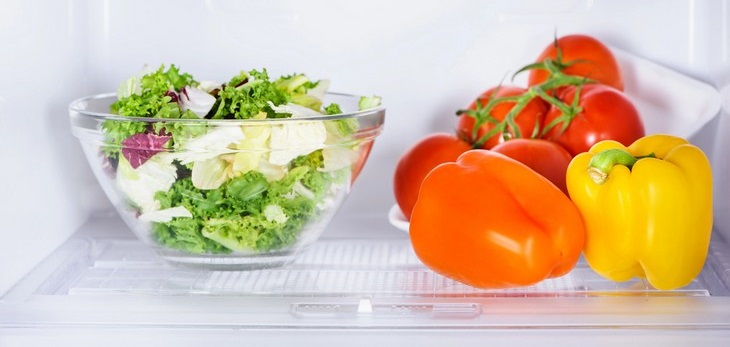
Why is it important to know how to properly
store vegetables and salads in the fridge?
The first reason is a combination of health and taste. Unlike cooked
foods, salads contain fresh and sometimes sensitive ingredients. When
they’re not stored properly, they lose not only their texture and flavor
but also their freshness and safety. Eating a spoiled salad can lead to
nausea, stomach pain, or even food poisoning, especially if it contains
wet vegetables, mayonnaise-based dressings, or cheeses. Beyond health,
it’s also important to consider food waste, as a salad thrown away is
food that required time, money, and resources. With a little awareness,
you can reduce waste and eat healthier.
According to data from the 2022 Leket
Israel Food Waste Report, an average Israeli household throws away
products worth about 14% of its total food expenditure. In practical
terms, this means an average Israeli family discarded food worth
approximately 4,000 ILS, with a significant portion of that linked to
fruits and vegetables. Since food expenditure in Israel is relatively
high compared to international standards, food loss is one of the major
contributors to the high cost of living. Another concerning statistic
from the report is that household food loss stems from a combination of
consumer habits and the impact of food storage methods and freshness
preservation.
5 Tips for Storing Salads in the Fridge
1. Perfect Drying is Key
Excess moisture is the biggest enemy of fresh vegetables, and in
general, a dry vegetable will last twice as long as a wet one. If you
prepared a salad with a liquid dressing or if a lot of liquid has
accumulated in it, as often happens with a vegetable salad made of
tomatoes, cucumbers, onions, peppers, etc., it’s best to drain the
dressing and liquids that have collected at the bottom of the bowl.
Then, use a pasta strainer or similar tool to dry the vegetables,
transfer them to a storage container (we’ll elaborate on suitable
storage containers later), and store the dressing and liquids in a
separate container.
2. Smart Vegetable Cutting
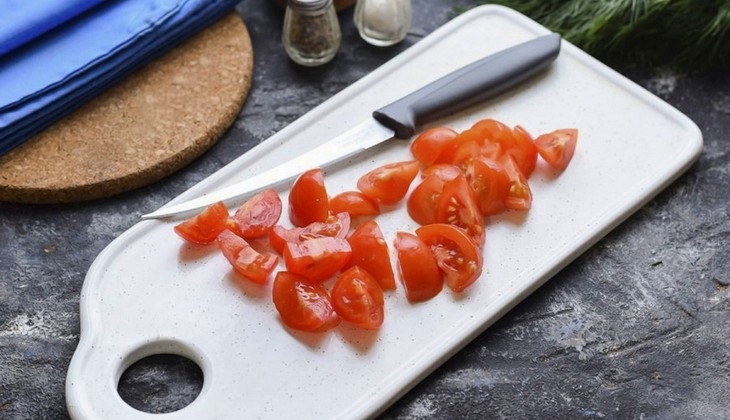
If you already know while preparing the salad that there’s a high chance
leftovers will remain, you should cut the vegetables wisely. What does
that mean? The more you cut the vegetables, and into smaller pieces, the
more they are exposed to oxidation and rot due to excess moisture if
you didn’t follow our previous drying tip. So, despite many people’s
desire to make a finely chopped vegetable salad, if there’s a high
chance of storing leftovers in the fridge, it’s better to cut the
vegetables into relatively larger pieces.
3. Quick and Smart Storage
As soon as you’re done with the salad, even before the meal is over and
the guests (if any) have left, it’s best to store it in the fridge
quickly. Rapid cooling of the salad slows bacterial growth, which is
especially important in the Israeli summer. In most cases, it’s not
advisable to use the salad’s serving dish for storage and simply cover
it with plastic wrap. Instead, choose a storage container as small as
possible based on the amount of salad left, ideally made of materials
like glass or BPA-free plastic. If the salad isn’t dressed or only
partially dressed, you can add a bit of lemon juice or apple cider
vinegar, which act as natural preservatives and even have numerous
health benefits.
4. Proper Fridge Placement
Many people know that the best place for vegetables is the bottom
drawer, where the temperature is stable and humidity is lower. Storage
containers with salads you want to keep fresh should also be stored in a
designated spot, preferably not near the fridge’s walls, which tend to
be very cold, or near dairy products or similar foods that might release
odors.
5. Daily Checks and Preventive Care
Although with proper storage, even a chopped vegetable salad can last in
the fridge for at least 24 hours, many factors affect the freshness of
such salads and others we’ll discuss later. Therefore, if you’ve stored
salad leftovers in the fridge, it’s worth checking their condition at
least once a day and taking steps to preserve them. For example:
Stir the salad
Drain liquids
Remove pieces of green leaves or vegetables showing signs of
spoilage
Depending on the type of salad, you can add a piece of paper towel
to the storage container to absorb moisture at the top or between layers
of the salad
Signs of a Spoiled Salad You Should Know
Despite all the good intentions to avoid waste, preserve for longer, and
enjoy the salads we worked hard to prepare, sometimes signs of spoilage
can appear even after short storage, and it’s important to recognize
them.
Brown or black pieces of leaves or vegetables - This indicates the
start of a rotting process. If it’s only on some leaves, you can remove
them and use the rest, but if the damage is extensive, it’s better to
throw everything out.
An unusual sour or sweet smell - Fresh vegetables should have a
natural, usually mild scent. A strange or particularly strong smell
indicates bacterial activity that could be harmful.
Soft and sticky texture - This means the vegetable has lost its
cellular structure and started to break down. Even if it looks okay,
it’s best to avoid eating it.
White or colorful spots - These could be mold or fungi, and you
should discard the entire dish because the spores are likely spread
throughout the container.
How Long Should Different Types of Salads
Be Kept in the Fridge?
When we store leftover prepared salad in the fridge after a meal, many
variables affect how long it will stay fresh, tasty, and safe to eat.
We’ve already discussed some, like the type of dressing and cutting, but
there are many other factors related to the salad type, the nature of
the ingredients, and their freshness before preparation.
1. Classic Vegetable Salad (tomato, cucumber, onion, pepper, etc.)
Pre-dressed: Up to 24 hours | Undressed: Up to 36 hours
The classic Israeli salad is delicious and simple but quick to spoil.
Tomatoes, in particular, tend to release a lot of liquid after cutting,
making other vegetables soft and soggy. Seasoning with salt and lemon
accelerates the vegetables’ “sweating” process and shortens storage
time. So, if you plan to store leftovers, it’s better to dress only the
portion you’re eating.
2. Leafy Green Salads (lettuce, arugula,
baby spinach, kale, etc.)
With dressing: 8–12 hours | Without dressing: Up to 24 hours |
If leaves
are thoroughly dried: Up to 36 hours
The leaves in these salads tend to absorb liquids quickly, shrinking,
browning, and losing crispness. The wetter and more washed the leaves
are, the faster they rot. In winter, you might stretch it a few more
hours, but in summer, it’s best to consume them the same day.
3. Cooked Salads (beets, sweet potatoes, potatoes, carrots, etc.)
With oil, vinegar, or lemon (no dairy dressing): 3–5 days | With dairy
dressing: Up to 48 hours
These salads are based on cooked vegetables, a process that makes them
more durable. Oil and vinegar even act as natural preservatives. When
the dressing is based on cream, yogurt, or cheese, the storage time
shortens accordingly.
4. Asian Salads (cabbage, carrots, sprouts,
soy/sesame dressing)
Up to 2–3 days, depending on the amount of dressing and whether it was
pre-prepared
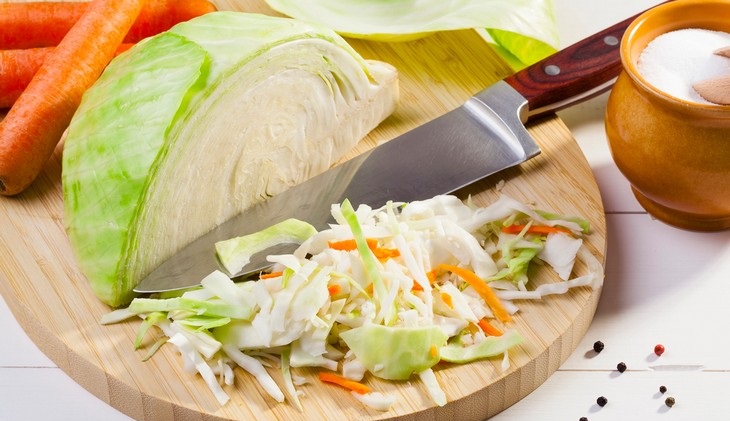
White cabbage, carrots, and similar ingredients in Asian salads are
relatively durable vegetables, so cabbage-based salads tend to last
longer in the fridge. Additionally, Asian dressings often include
“preserving” ingredients like soy, vinegar, sesame oil, ginger, and
lemon, which slow spoilage. Note that if the salad includes roasted
nuts, peanuts, or almonds, they will lose crispness after one night. You
can store them separately and add them before serving.
5. Fruit Salads (apple, date, cranberries,
grapes)
Without dressings: 24–36 hours | With dressings: Up to 24 hours only
Cut fruits tend to oxidize and soften quickly. An apple, for example,
browns within minutes after being exposed to air without its peel.
Dressings and the salad’s own liquids shorten the recommended storage
time for cut fruits, so it’s best to eat them as soon as possible after
preparation.
6. Salads with Mayonnaise, Eggs, Chicken,
or Tuna
Recommended storage time - varies
Food safety organizations like the FDA and Israeli nutrition
organizations generally recommend storing salads with mayonnaise, eggs,
and tuna for 3–5 days at most, but under very specific conditions:
The salad was made with commercial (not homemade) mayonnaise that
has been pasteurized and contains preservatives.
The salad was refrigerated immediately after the meal (within one
hour at most).
It was kept in continuous refrigeration and not opened frequently.
The salad wasn’t mixed with spoons “returned from the mouth” or left
in a warm serving bowl.
If these rules aren’t followed, leftovers of salads with mayonnaise,
eggs, chicken, or tuna should be eaten within 24 hours of being
refrigerated.