Thursday, August 05, 2021

What to expect with your COVID-19 vaccine if you have hypertension

Suffering from Hypertension? What you need to know about getting COVID-19 vaccine
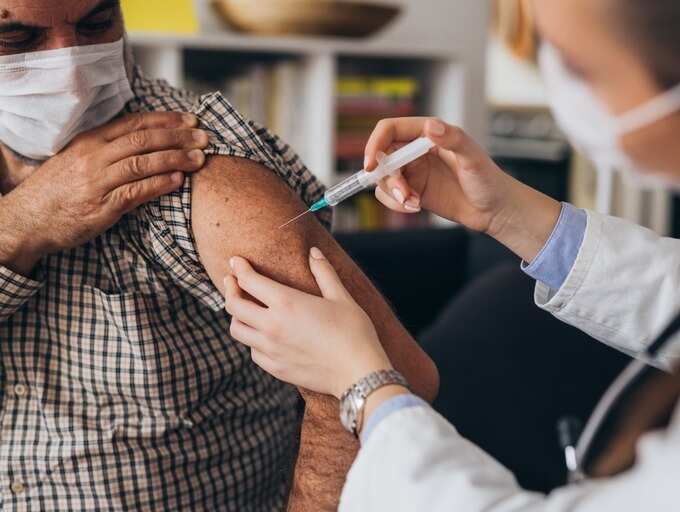
While it's important that everyone eligible gets the COVID-19 vaccine when they can, the most benefits of inoculation exist for those with pre-comorbidities and serious illnesses, such as those suffering from hypertension and chronically unmanageable blood pressure levels.

Not only is hypertension a grave risk for COVID-19 and serious outcomes, getting inoculated minimizes a lot of risks associated with the disease- including severity, mortality, and limits the risk of complications too. While the COVID-19 vaccines have been found to be safe and effective, there are some things people suffering from hypertension must know about getting the vaccine. We explain:

COVID-19 and hypertension: How big is the risk?
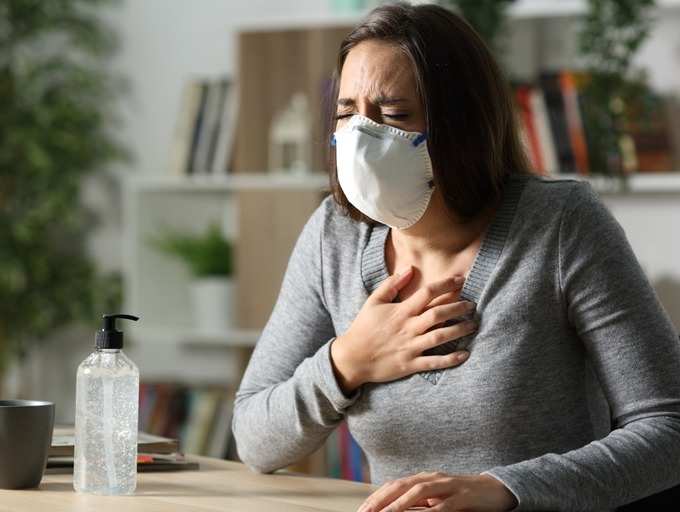
Not only does a person suffering from high blood pressure have a higher than usual risk of developing serious health problems like stroke, heart attack, obesity, respiratory disorders, those who have unmanageable high BP and diagnosed with hypertension for long are more likely to fall sick with COVID-19. Hypertension, which raises the level of inflammation in the body can also increase the presence of ACE inhibitors and angiotensin receptor blockers (ARBs) in the body, which are enzymes the SARS-COV-2 virus uses to attach itself and attack the body. These receptors and inhibitors, though present naturally may also be increased by the drugs used to treat hypertension, thus, putting patients at an increased risk for vulnerability and severity.

Since they also have a weakened immune system, they are more prone to catching the infection in the first place, more so with age and risk.

Studies and evaluations have also proven that hypertension is one of the leading comorbidities associated with a greater risk of COVID-19 hospitalization and mortality. 

What do you need to know before getting the jab?
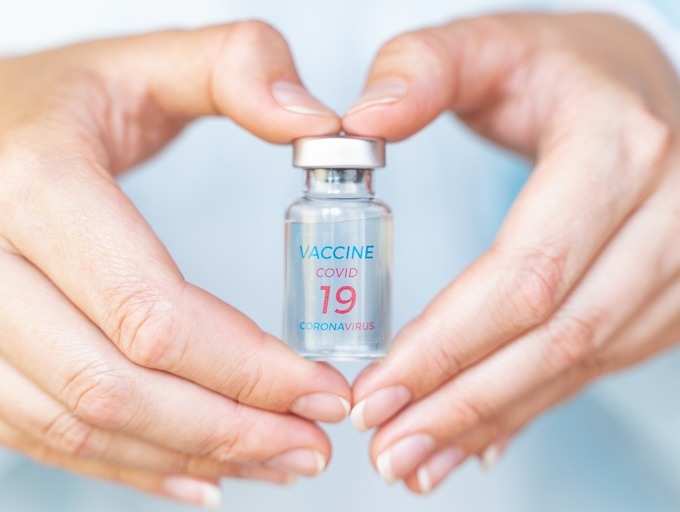
With the associated risk of complications, getting the COVID-19 vaccine jab shouldn't be delayed at any cost for a person suffering from hypertension. However, it's also normal to worry if at all, a COVID-19 vaccine could be safe for use or lead to unpleasant side-effects.

While COVID-19 vaccines have been clinically found to be safe and effective, those suffering from extreme hypertension should consider checking in with their healthcare provider first and rule out any concerns. Do check once if there are some vaccine models more suited for you or not since we have more choices available now.

Currently, there is no counter-evidence to suggest that COVID-19 vaccines aren't

safe for individuals with high blood pressure levels or heart diseases.

Just as with any other vaccine jab, or generalized precautions, it's crucial that eligible beneficiaries eat well and hydrate before getting the vaccine, practice all possible preventive steps, and most importantly, take jabs on the scheduled jab. Do remember that a single dose offers minimal protection levels with the Delta variant, and with preconditions, the risks could be even severe. 

Will your condition hamper the vaccine efficacy?
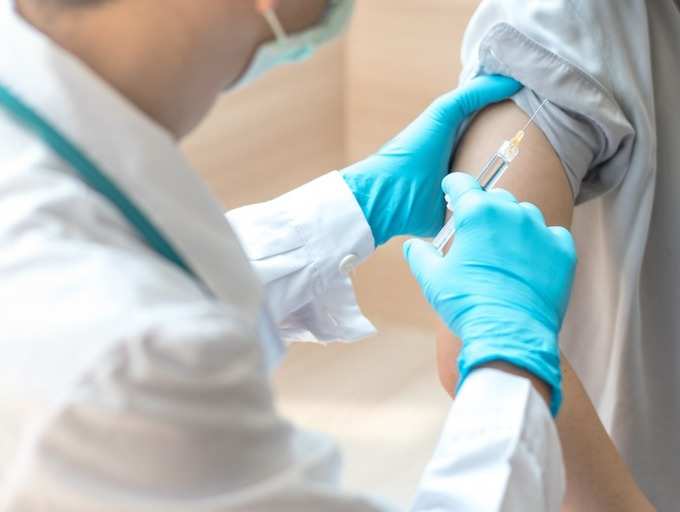
Since certain preconditions are known to weaken the immune system, it is believed that some diseases or conditions can also interfere with COVID-19 vaccine immunity.

While this may not be true for all the vaccines available to us today, but with hypertension as well, there is some presumed risk of vaccine-driven antibodies, and the efficacy waning after a while, or the efficacy reducing faster than general estimates. Chronic hypertension can also weaken the immune response, and thus, it could be possible that the vaccine isn't effective. The medicines used for treatment (including anti-inflammotry medications) can also damper response. Hence, while it's still important to get vaccinated, people suffering from hypertension should be doubly cautious. Whether or not we would need booster shots going forward is yet to be concluded, while preliminary studies have suggested that additional shots would be quite helpful.

Is it possible to expect high or low blood pressure levels post the jab?
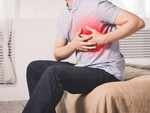
Is it possible to expect high or low blood pressure levels post the jab?

With COVID-19 vaccination, expecting a fever, pain in the body, weakness is quite normal, a rare side-effect which has been seen amongst some people right now is a change in blood pressure levels, high or low. The same has been seen with people getting mRNA vaccines as well as Indian ones.

While this isn't a listed adverse reaction or side-effect with the jab, recording a flare-up with the blood pressure levels can be worrying, especially with hypertensive or cardiac patients. As scientists continue to study into the possible reason for these reactions, which immediately tends to strike those who have been vaccinated, experts suggest that hypertension may not be a symptomatic side-effect in itself, but one which may be resulting from stress associated with vaccination. 'White-coat' effect, which makes blood pressure readings higher in diagnostic settings in comparison to other places could also be a contributing factor. Apart from that, age, previous history, known complications and poor medication records can also fuel issues.

As with low blood pressure levels, it is being linked to a possible vasovagal response which is a nervous reflex caused by stress and anxiety, and potentially lowers blood pressure levels, causing fainting and dizziness as well.

Nonetheless, if you do happen to record any of these symptoms, it would be a wise idea to consult a doctor and seek help for the same, as they can be managed well and do not harm the vaccine's working.

Can you continue taking your routine medications?

Can you continue taking your routine medications?

Hypertensive and heart patients do take medications that are to be taken every day to support vital functioning and stabilize readings to an extent, and hence, not to be skipped or taken irregularly. While there are some medications known to interfere with the vaccine's efficacy and benefits, doctors do advise hypertension patients to NOT skip the medicine, without any clinical discretion. Doing so, on your own could prove to be unsafe.

According to leading doctors, the vast majority of prescription drugs used to treat conditions like blood pressure, diabetes does not really diminish the working of a COVID-19 vaccine, or any vaccine in general. This is because the medicines that patients consume directly work on the affected organs, and in no way, impact the immuno functioning, which is the vaccine's job.

However, if you do have uncontrolled blood pressure around the vaccination date, you may consider postponing the jab and get medical advice first.

What other precautions can you take?
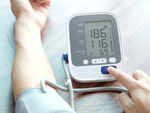
What other precautions can you take?

Hypertensive and cardiac patients at risk must consider getting the jab at once, and do not give in to hesitation. That being said, a few additional measures and preventive tips will help make your vaccination experience safer.

-Good diet and hydration preps the immune system well. Do not get the vaccine empty stomach

-Watch out for, and if possible, educate yourself well on the side-effects (mild as well adverse ones) so that you can take prompt action.

-Keep monitoring your blood pressure at frequent hours, and follow scheduled medications.

-Keep your doctor in loop before and after vaccination, if you have a severely complicated history.

-Exercise and move around more when you do get the vaccine

-If you have any COVID-19 symptoms, are currently seek, or have undergone surgery recently, you might want to wait out for a while. Get a go-ahead from the doctor first.


Labels: , , , , , , , , , , , ,

Sunday, March 29, 2020

What Heart Patients Need To Know About COVID-19, From An Expert

We get it, social distancing can be rough. You miss your friends and your sense of normalcy. But staying at least 6 feet away from others is the most important precaution we can be taking right now to prevent the spread of COVID-19. The guidelines are put in place, not only for ourselves but for the more vulnerable populations—including people with cardiovascular disease.

We reached out to interventional cardiologist, Shon Chakrabarti, M.D., MPH, who explained the increased risk factors people with heart disease might face and how people with the preexisting heart conditions can stay healthy in isolation.

What are the risk factors for people with heart disease?

Most people with heart disease fall into the same category of those at higher risk for severe illness from COVID-19, including elderly age, history of heart failure, high blood pressure, or diabetes.

"If nothing else, it's another reason to adhere to the measures everyone should be taking," Chakrabarti told us. "They should be practicing social distancing and, if symptomatic, contacting their doctor for next steps."

Because of their preexisting conditions, though, there are extra measures heart patients should be taking right now.

1. Get at least 30 minutes of cardiovascular exercise a day.

While everyone should be prioritizing movement right now, patients with a history of heart disease should maintain cardiovascular exercise, at least 30 minutes per day.

"Optimally, you would find places to walk outside," he said. "Getting sunshine, fresh air, and seeing people—even at a distance—can be good for your mental health." If you live in a city that makes it difficult to get outside without breaking social distancing guidelines, there are plenty of creative ways to exercise indoors.

Online workout classes are an option, as well as yoga and stretching. In extreme cases, Chakrabarti said climbing up and down the stairs or walking and jogging in place can help elevate the heart rate.

"The important thing is to keep moving," he said. "For patients with heart disease, spending all day in a sedentary position is just about the worst thing you can do."

If you're working from home, take your calls while standing up or find a tall dresser within your home to use as a standing desk. "It does require being creative," he said, "but keeping active doesn't necessarily require expensive equipment."


2. Have an extra supply of your heart medication.

"A lot of cardiologists are increasing telemedicine visits," Chakrabarti said, "but many offices are not prepared for this. As a result it may be hard to see your cardiologist for a routine visit."

He encourages patients to call their physicians to figure out an appropriate supply of heart medications. A standard supply may be 30 days, but "a 90-day supply is reasonable right now," he said. "For certain lifesaving medications, even six months might be reasonable." 


3. Take care of your mental health.

"It's very well proven that mental stress has a tangible effect on the heart," Chakrabarti said. "A lot of the things we've discussed can go a long way in managing that."

Aside from exercising and spending time outside, he said maintaining human contact can have de-stressing effects.

"Thankfully, we live in 2020 and have a lot of technological ways to do that," he said. "It can be a phone call, a video call, or an online forum." However you choose to keep in touch, make it a priority.

Taking time to slow down, breathe, and put things into perspective can also help manage anxiety. "We're going through a crisis, and that's undeniable," he told us. "But there is a light at the end of the tunnel." He reminded us to focus on the positive things that are happening as a result of being quarantined.

"All of a sudden I'm playing board games with my little kids, we're reading books together, and we're waking up every day and having breakfast as a family," he said. "These sorts of things that might've fallen by the wayside are now back in the American lifestyle." Try to find your silver lining. 


This is only for your information, kindly take the advice of your doctor for medicines, exercises and so on.     

https://gscrochetdesigns.blogspot.com. one can see my crochet creations  
https://gseasyrecipes.blogspot.com. feel free to view for easy, simple and healthy recipes    
https://kneereplacement-stickclub.blogspot.com. for info on knee replacement

Labels: , , , , , , , , , , ,

Tuesday, October 08, 2019

Dog ownership linked with longer life, especially for heart patients

Dog owners live longer, and canine companionship may be especially good for people with heart disease and those living alone, new research shows. 

“We studied more than 3 million people, and the results are very significant,” said one of the doctors.

People who own dogs have lower blood pressure, healthier cholesterol levels and a milder stress response than those with canine-free homes, researchers noted. Having a pet - even just a cricket in a cage - is also known to relieve stress, anxiety, depression, loneliness and social isolation. But studies looking at whether having a dog extends survival have had mixed results. 

To investigate, the team searched through medical literature dating back to 1950 and found 10 studies of dog ownership and survival including a total of 3.8 million people. 

Overall, dog owners were 24% less likely to die over the next decade than non-dog owners. People who’d suffered a heart attack or other cardiovascular event had a 65% reduced risk of dying over the next decade if they owned a dog. Dog ownership reduced overall mortality from cardiovascular causes by 31%. 

Increased physical activity plays a key role in the cardiovascular benefits of dog ownership, said the Dr., noting that her own step count has climbed “sky high” since she adopted Romeo, an energetic miniature schnauzer that she walks at least three times a day. 

In another study researchers looked at 181,696 people who had a heart attack between 2001 and 2012, and 154,617 who’d suffered a stroke over the same period. The heart attack patients who owned a dog and lived alone had a 33% lower risk of having another heart attack, while the risk was reduced by 15% for those who lived with a dog plus a partner or child. For stroke patients living solo, the risk of another stroke was 27% lower, while repeat stroke risk was 12% lower for dog owners who didn’t live alone. 

“Given the magnitude of the potential benefit - and likely little or no harm - these findings should encourage clinicians to discuss pet adoption with their patients, particularly those with preexisting cardiovascular disease and those living by themselves,” said a Dr.

“We’ve known this forever, that pets make our lives better, but to know that the sum of it translates to better cardiovascular health is very exciting for those of us who like dogs and work in cardiology,” the Dr. said. “I’ve wanted a dog for 40 years, and the data finally convinced me.” 

Before adopting a dog, doctors agree, it’s essential to make sure you have the resources to care for it properly. “One has to make space in one’s life to be able to accommodate them before making that leap of faith,” the Dr. said. 

this is only for your information, kindly take the advice of your doctor for medicines, exercises and so on.   
https://gscrochetdesigns.blogspot.com. one can see my crochet creations  

https://gseasyrecipes.blogspot.com. feel free to view for easy, simple and healthy recipes    
https://kneereplacement-stickclub.blogspot.com. for info on knee replacement


Labels: , , , , , , , , , , , , ,

Wednesday, September 04, 2019

Heart patients may benefit more from exercise than healthy people

Exercise can do more to lower the risk of premature death for patients with cardiovascular disease than for healthy people, a new study suggests.

Healthy people did have a lower chance of dying during the study when they were more physically active. But the beneficial effect of exercise was more pronounced for people with heart problems, researchers reported recently.

The study team scored participants' exercise levels and intensity based on a measure known as metabolic equivalent of task (MET) minutes per week. For optimal health, adults should get at least 500 MET minutes per week. (Because MET minutes can be difficult to calculate, an easier recommendation to follow is to get at least 150 minutes a week of moderate to vigorous exercise.)

When people had heart disease, every additional 500 MET minutes per week of exercise was associated with a 14 per cent lower risk of dying from all causes during the study. For healthy people, the same increase in activity was tied to only a 7 per cent lower mortality risk.

Altogether, researchers followed 131,558 patients with cardiovascular disease and 310,240 healthy people starting when they were around 60 years old. By the time half of the people had been in the study for at least seven years, those with cardiovascular disease were more than twice as likely to die during the study from all causes than individuals without this condition.

"Physical inactivity causes various non-communicable diseases such as coronary heart disease, diabetes, and breast and colon cancers, which ultimately lead to premature mortality," said  a co-author of the study.

"Physical activity fosters normal growth and metabolism," he said. "In addition, physical activity can make people feel better, sleep better, and perform daily tasks more easily."

While the physiologic benefits of exercise may be similar for people with and without heart disease, it's possible that heart disease patients benefit more from exercise because they have so many more risk factors for a premature death that might be addressed by getting more activity, he said.

"Physical activity has shown to lower blood pressure and blood (sugar), and (cholesterol)," he added.

Among people with cardiovascular disease, most had ischemic heart disease, also called coronary heart disease, in which the arteries supplying the heart become narrowed. People with heart disease tended to be older and they were also more likely to have other health issues like diabetes, high blood pressure and elevated cholesterol.

The study wasn't a controlled experiment designed to prove whether or how exercise might directly impact the risk of premature death. Researchers relied on questionnaires to assess exercise, which isn't always reliable, and didn't examine activity levels at work or other non-leisure pursuits.
Even so, the results underscore the importance of getting moving after a heart attack, said an expert.

"Everybody knows that increasing one's amount of exercise or general physical activity is quite a challenge, but I would say that for individuals who have survived a heart attack or similar event, it is indeed important to really try,"said another  who wasn't involved in the study. "It will not happen overnight, over a few weeks or even months, but little by little, one travels far."

And if heart patients go the extra mile and get more than the minimum recommended amount of exercise, they will see more benefits, said the  Dr.

"The plateau in the relation between physical activity level versus reduction in the risk of death is reached at a higher level of activity than in adults without cardiovascular disease," said another who wasn't involved in the study.

this is only for your information, kindly take the advice of your doctor for medicines, exercises and so on.   
https://gscrochetdesigns.blogspot.com. one can see my crochet creations 
https://gseasyrecipes.blogspot.com. feel free to view for easy, simple and healthy recipes    
https://kneereplacement-stickclub.blogspot.com. for info on knee replacement
  

Labels: , , , , , , , , ,

Saturday, May 04, 2019

Exercise helps boost heart failure patients’ memory

Heart patients who exercise regularly and have better fitness are likely to have less cognitive impairment, says a study. Fitter patients have better memory, it adds.

“The message for the patients with heart failure is to do exercises,” said study author.

The study analysed data from over 600 male patients, aged 67-71 years, with heart failure from six countries. During the research, the “Montreal Cognitive Assessment” test was used to measure cognitive function and exercise capacity was measured with a six-minute walk test.

The results showed the younger and better educated heart failure patients with better fitness were significantly less likely to have cognitive impairment.

Two-thirds of the patients with heart failure had cognitive problems, showed the study.

According to the study, cognitive dysfunction is a common problem in the patients with heart failure with 67 per cent reporting at least mild impairment.

“There is a misconception that patients with heart failure should not exercise. That is clearly not the case,” the Dr. said.

“Find an activity you enjoy and which you can do regularly. It could be walking, swimming or any other activities. There is good evidence that it will improve your health and memory, and make you feel better,” the Dr. said.

THIS IS ONLY FOR INFORMATION, ALWAYS CONSULT YOU PHYSICIAN BEFORE HAVING ANY PARTICULAR FOOD/ MEDICATION/EXERCISE/OTHER REMEDIES.                                    PS- THOSE INTERESTED IN RECIPES ARE FREE TO  VIEW MY BLOG-                                                                                           https://gseasyrecipes.blogspot.com/    
                                                                                                                                                     FOR INFO ABOUT KNEE REPLACEMENT, YOU CAN VIEW MY BLOG-                                                  https:// kneereplacement-stickclub.blogspot.com/  
         
                   FOR CROCHET DESIGNS                                                                                                                                                                                                  https://gscrochetdesigns.blogspot.com  

Labels: , , , , , , ,