Saturday, September 28, 2024

Cardiologist Recommends 10 Simple Lifestyle Changes To Reduce Heart Disease Risk

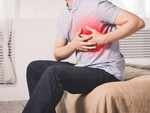
Heart disease has nowadays become a chronic global health problem. It is a also a leading cause of death globally, but many of its risk factors can be controlled by making simple changes to your daily routine. Here are 10 easy lifestyle changes that can help reduce the risk of heart disease. Heart disease is preventable, and with the right knowledge and actions, people can protect their hearts and live healthier, longer lives. Take a look at the 10 lifestyle changes recommended by a cardiologist.

10 Simple Lifestyle Changes to Reduce Heart Disease Risk

Here is a list of lifestyle tips recommended by a sr. Interventional cardiologist.

1.Eat a Balanced Diet: A healthy diet rich in fruits, vegetables, whole grains, and lean proteins can help protect your heart. Avoid processed foods, excess salt, and sugary snacks.

2.Exercise Regularly: Aim for at least 30 minutes of moderate physical activity, such as walking, cycling, or swimming, most days of the week. Staying active in general is very good for your heart. It promotes blood circulation, improves your resting heart rate and overall promotes a healthy heart.

3. Maintain a Healthy Weight: Abdominal fat, which is fat around your midsection is very unhealthy especially for your heart. It automatically increases the risk of heart diseases. Maintaining a healthy weight through diet and exercise can lower your chances of heart problems.

4.Quit Smoking: One of the leading causes of heart diseases is smoking tobacco or vape. Quitting smoking can drastically reduce the risk of heart attack and other cardiovascular issues.

5. Limit Alcohol Consumption: While moderate alcohol consumption may have some heart benefits, excessive drinking can raise blood pressure and contribute to heart disease. Keep it to a maximum of one drink a day for women and two for men.

6. Manage Stress: Chronic stress can contribute to high blood pressure and heart problems. In today's time, with constant work overload and high stress environments, our heart health is at very high risk. For this reason, people must practice relaxation exercises like deep breathing, yoga, meditation, etc.

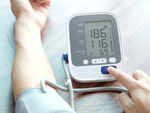
7. Monitor Blood Pressure Regularly: The risk of heart diseases automatically increases if a person suffers from high blood pressure, or hypertension. Regular check-ups and monitoring at home can help keep your blood pressure within a healthy range.

8. Control Cholesterol Levels: High cholesterol can clog your arteries and lead to heart disease. A diet low in saturated fats and cholesterol, along with regular exercise, can help control cholesterol levels.

9. Get Enough Sleep: Poor sleep habits can increase the risk of heart problems. Aim for 7-8 hours of sleep each night to help your heart recover and function properly.

10. Stay Hydrated: Drinking enough water every day helps your heart pump blood more easily and keeps your body well-regulated. Doctors recommend to aim for at least 8 glasses of water daily.

By following these simple lifestyle changes, you can significantly reduce your risk of heart disease and improve your overall well-being.


Labels: , , , , , , , , ,

Thursday, August 05, 2021

What to expect with your COVID-19 vaccine if you have hypertension

Suffering from Hypertension? What you need to know about getting COVID-19 vaccine

While it's important that everyone eligible gets the COVID-19 vaccine when they can, the most benefits of inoculation exist for those with pre-comorbidities and serious illnesses, such as those suffering from hypertension and chronically unmanageable blood pressure levels.

Not only is hypertension a grave risk for COVID-19 and serious outcomes, getting inoculated minimizes a lot of risks associated with the disease- including severity, mortality, and limits the risk of complications too. While the COVID-19 vaccines have been found to be safe and effective, there are some things people suffering from hypertension must know about getting the vaccine. We explain:

COVID-19 and hypertension: How big is the risk?

Not only does a person suffering from high blood pressure have a higher than usual risk of developing serious health problems like stroke, heart attack, obesity, respiratory disorders, those who have unmanageable high BP and diagnosed with hypertension for long are more likely to fall sick with COVID-19. Hypertension, which raises the level of inflammation in the body can also increase the presence of ACE inhibitors and angiotensin receptor blockers (ARBs) in the body, which are enzymes the SARS-COV-2 virus uses to attach itself and attack the body. These receptors and inhibitors, though present naturally may also be increased by the drugs used to treat hypertension, thus, putting patients at an increased risk for vulnerability and severity.

Since they also have a weakened immune system, they are more prone to catching the infection in the first place, more so with age and risk.

Studies and evaluations have also proven that hypertension is one of the leading comorbidities associated with a greater risk of COVID-19 hospitalization and mortality. 

What do you need to know before getting the jab?

With the associated risk of complications, getting the COVID-19 vaccine jab shouldn't be delayed at any cost for a person suffering from hypertension. However, it's also normal to worry if at all, a COVID-19 vaccine could be safe for use or lead to unpleasant side-effects.

While COVID-19 vaccines have been clinically found to be safe and effective, those suffering from extreme hypertension should consider checking in with their healthcare provider first and rule out any concerns. Do check once if there are some vaccine models more suited for you or not since we have more choices available now.

Currently, there is no counter-evidence to suggest that COVID-19 vaccines aren't

safe for individuals with high blood pressure levels or heart diseases.

Just as with any other vaccine jab, or generalized precautions, it's crucial that eligible beneficiaries eat well and hydrate before getting the vaccine, practice all possible preventive steps, and most importantly, take jabs on the scheduled jab. Do remember that a single dose offers minimal protection levels with the Delta variant, and with preconditions, the risks could be even severe. 

Will your condition hamper the vaccine efficacy?

Since certain preconditions are known to weaken the immune system, it is believed that some diseases or conditions can also interfere with COVID-19 vaccine immunity.

While this may not be true for all the vaccines available to us today, but with hypertension as well, there is some presumed risk of vaccine-driven antibodies, and the efficacy waning after a while, or the efficacy reducing faster than general estimates. Chronic hypertension can also weaken the immune response, and thus, it could be possible that the vaccine isn't effective. The medicines used for treatment (including anti-inflammotry medications) can also damper response. Hence, while it's still important to get vaccinated, people suffering from hypertension should be doubly cautious. Whether or not we would need booster shots going forward is yet to be concluded, while preliminary studies have suggested that additional shots would be quite helpful.

Is it possible to expect high or low blood pressure levels post the jab?

Is it possible to expect high or low blood pressure levels post the jab?

With COVID-19 vaccination, expecting a fever, pain in the body, weakness is quite normal, a rare side-effect which has been seen amongst some people right now is a change in blood pressure levels, high or low. The same has been seen with people getting mRNA vaccines as well as Indian ones.

While this isn't a listed adverse reaction or side-effect with the jab, recording a flare-up with the blood pressure levels can be worrying, especially with hypertensive or cardiac patients. As scientists continue to study into the possible reason for these reactions, which immediately tends to strike those who have been vaccinated, experts suggest that hypertension may not be a symptomatic side-effect in itself, but one which may be resulting from stress associated with vaccination. 'White-coat' effect, which makes blood pressure readings higher in diagnostic settings in comparison to other places could also be a contributing factor. Apart from that, age, previous history, known complications and poor medication records can also fuel issues.

As with low blood pressure levels, it is being linked to a possible vasovagal response which is a nervous reflex caused by stress and anxiety, and potentially lowers blood pressure levels, causing fainting and dizziness as well.

Nonetheless, if you do happen to record any of these symptoms, it would be a wise idea to consult a doctor and seek help for the same, as they can be managed well and do not harm the vaccine's working.

Can you continue taking your routine medications?

Can you continue taking your routine medications?

Hypertensive and heart patients do take medications that are to be taken every day to support vital functioning and stabilize readings to an extent, and hence, not to be skipped or taken irregularly. While there are some medications known to interfere with the vaccine's efficacy and benefits, doctors do advise hypertension patients to NOT skip the medicine, without any clinical discretion. Doing so, on your own could prove to be unsafe.

According to leading doctors, the vast majority of prescription drugs used to treat conditions like blood pressure, diabetes does not really diminish the working of a COVID-19 vaccine, or any vaccine in general. This is because the medicines that patients consume directly work on the affected organs, and in no way, impact the immuno functioning, which is the vaccine's job.

However, if you do have uncontrolled blood pressure around the vaccination date, you may consider postponing the jab and get medical advice first.

What other precautions can you take?

What other precautions can you take?

Hypertensive and cardiac patients at risk must consider getting the jab at once, and do not give in to hesitation. That being said, a few additional measures and preventive tips will help make your vaccination experience safer.

-Good diet and hydration preps the immune system well. Do not get the vaccine empty stomach

-Watch out for, and if possible, educate yourself well on the side-effects (mild as well adverse ones) so that you can take prompt action.

-Keep monitoring your blood pressure at frequent hours, and follow scheduled medications.

-Keep your doctor in loop before and after vaccination, if you have a severely complicated history.

-Exercise and move around more when you do get the vaccine

-If you have any COVID-19 symptoms, are currently seek, or have undergone surgery recently, you might want to wait out for a while. Get a go-ahead from the doctor first.


Labels: , , , , , , , , , , , ,