COVID signs and symptoms you must immediately pay attention to- due to Coronavirus on rise.
We should be aware of the common symptoms of the infection

Though at present we believe that the impact of the coronavirus has waned now that we are vaccinated, we still should not stop practicing the precautionary measures to keep the virus as far as possible.
Apart from taking precautionary steps, we should also be aware of the various signs and symptoms that will help us to seek medical assistance at the earliest so that we do not delay treatment and worsen the health condition.
While avoiding COVID is very important and for that we should practice cleanliness, so is a basic knowledge about the symptoms of the infection.
COVID symptoms overlap with the symptoms of commonly found infections like that of influenza or common cold. This is the primary reason why we all do not pay attention to the early signs of COVID. We have been living with common colds and flu and our body has conditioned itself to fight against these infections.
COVID situation at present
Currently, the Omicron variant of the coronavirus is widely spread across continents. The three sub variants of Omicron-BA.1, BA.2 and the recombinant of BA.1 and BA.2 which is known as XE- are infecting people worldwide. Due to its characteristic transmission rate, this variant was able to take over its ancestor Delta variant within no time.
Why is it important to watch out for common symptoms of COVID?
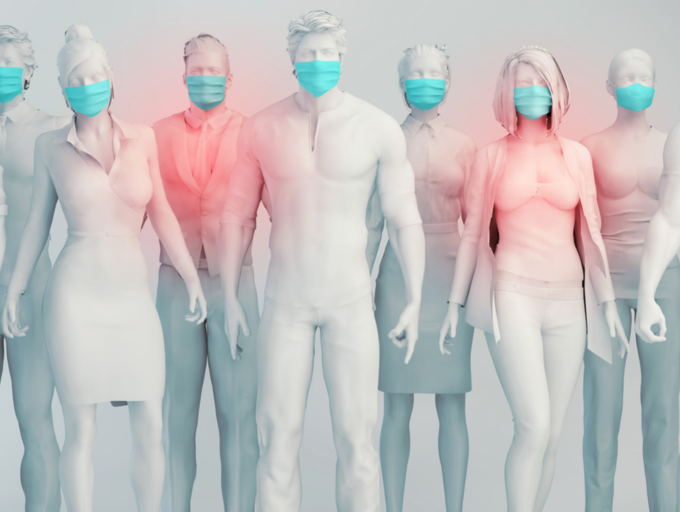
COVID is an infectious disease. The Omicron variant of the COVID inducing virus is highly transmissible and affects an entire population within no time.
Third year into the pandemic, we have known that the degree of severity, symptoms and signs of the COVID infection varies from individual to individual. It is also known that though vaccination will reduce the risk associated with the severity of the disease, it is not effective in stopping the infection from happening.
Understanding the distinct signs of the infection will help in taking medical assistance at the right time. Timely medical treatment can help a person recover quickly. This can be useful for those people who are old, have comorbidities, are pregnant and have other ailments.
Common symptoms of COVID
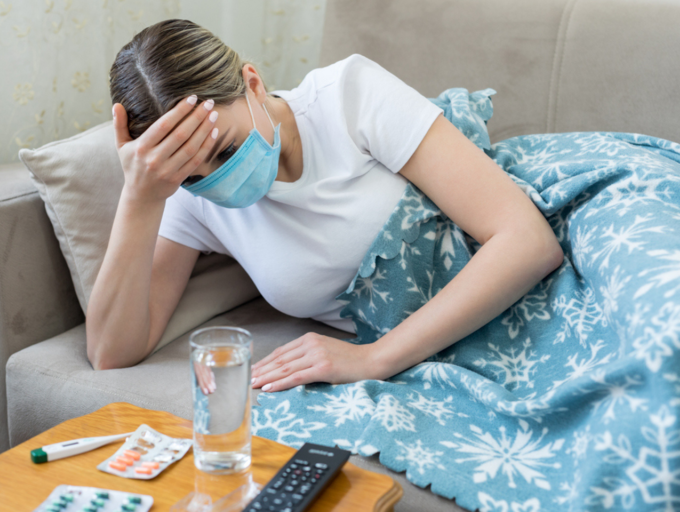
- Cough: Cough is a very common symptom of COVID. COVID cough is distinct from other coughs. A person with COVID will experience dry coughs for a long duration. New coughs which are long and occur in more than 3-4 episodes per day should immediately be given medical treatment.
- Runny nose: COVID is a respiratory illness. A runny nose or a stuffy nose is a common symptom of COVID. If you are having a congested nose and are having difficulty in breathing as well, get tested for COVID and take help from doctors.
- Fatigue: This is a distinct symptom of COVID. Almost every individual who has been infected with the virus has complained of excess fatigue during the infection and even for days after recovering from it.
- Sore throat: A symptom commonly found during the third wave of COVID which was led by the Omicron variant, sore throat, is when you feel itchy in your throat region. The scratchy feeling in throats is also a sign of infection in the respiratory tract.
- Headache: Headache should never be ignored especially during COVID pandemic. Headache is a very common sign of COVID, though it is common in several infections and diseases.
- Muscle pain: Severe pain in the muscles and body aches were reported by many people during the third wave of COVID, though its occurrence during the first and second wave was not common.
- Fever: Fever is the body's reaction to a pathogenic attack. When the body's temperature rises above 100 degree F, it is considered that the individual has developed illness.
- Sneezing: Continuous sneezing for a longer duration is not just another symptom of COVID, it is a major reason for the transmission of the disease as well.
What are the COVID appropriate behaviours?
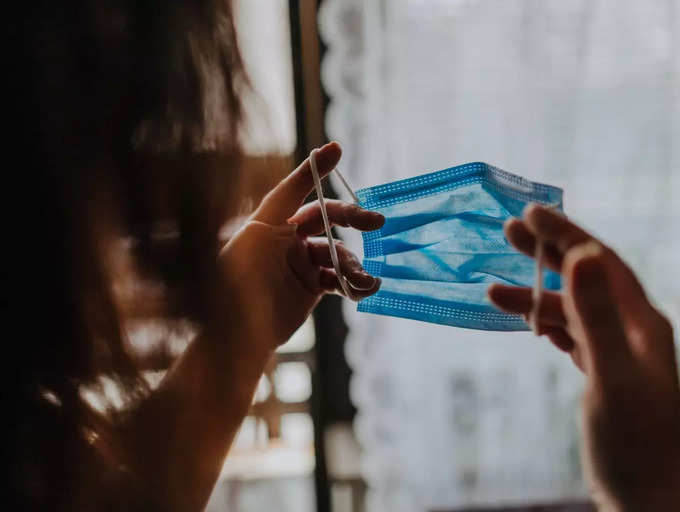
COVID appropriate behaviours are which we need to follow in order to stop the spread of the virus.
- Wearing masks
- Washing hands frequently
- Quarantining self when the symptoms develop
- Limiting outdoor activities during and few days after the infection
- Keeping children and older people away during infection and few days after recovery