Tuesday, April 21, 2026

What are Functional Foods?

Functional foods can be widely described as processed food that provides medical or health benefits as well as a reduction in disease risk. There is no universal definition of functional food, but in the context of their benefits, a hallmark feature is their disease-preventing ability alongside their nutritional and health-promoting benefits. They are not considered preventative or curative by themselves and are typically not essential to the diet.

The history of the term functional foods

The term functional foods, and later “nutraceutical” was first coined in Japan in the early 1980s. Functional foods overlap with other terms alongside nutraceuticals, and include “vitafoods”, “medical foods”, “probiotics”, and “pharmafoods”.

Today, functional foods cover a wide variety of food types and are considered to be those that are fortified, enriched, or enhanced foods; it is by way of enhanced nutritional profiles that these foods provide health benefits that go beyond providing essential nutrients (vitamins and minerals) when they are consumed at a threshold amount as part of a varied diet, regularly.

Japan is also the first country to have devised a specific regulatory approval process for functional foods. The term food for specified health use (FOSHU) was coined and established in 1991. This concept then rapidly expanded to different parts of the world.

Subsequently, there is a great variation across the world with regards to the regulation of functional foods, and they have not been well established. There are also distinct differences in the approach to functional foods between legislators across the world.

Variations in functional food definitions and legislation across the world

The US Food and Drugs Administration (FDA) in the USA has a regulatory scheme that does not recognize functional foods to be a distinct category and does not provide a legal definition of functional foods. Despite this, several working definitions have been developed by organizations which include the American Dietetic Association (ADA), the International Food Information Council (IFIC), and the Institute of Food Technologists (IFT).

However, within the European Union, a regulation on nutrition and health claims came into force in 2007. Under the regulation, health claims are subject to preapproval, involving scientific assessment by the European Food Safety Authority (EFSA).

The adoption of regulation for the use of nutritional claims for foodstuffs harmonized EU-wide rules for the use of health and nutritional claims on foodstuffs. The main objective of this regulation ensure that food claims are substantiated by scientific evidence and are clear to the consumer.

The EFSA, Unlike the FDA, defines functional foods as “a food, which beneficially affects one or more target functions in the body, beyond adequate nutritional effects, in a way that is relevant to either an improved state of health and wellbeing and/or reduction in risk of disease.

A functional food can be a natural food or food to which a component has been added or removed by technological or biotechnological means, and it must demonstrate their effects in amounts that can normally be expected to be consumed in the diet.” However, they are as yet, not covered by any specific legislation except for general food legislation.

Japan is the only country in the world that recognizes functional foods as a distinct category and the Japanese functional food market is considered to be one of the most advanced, globally.
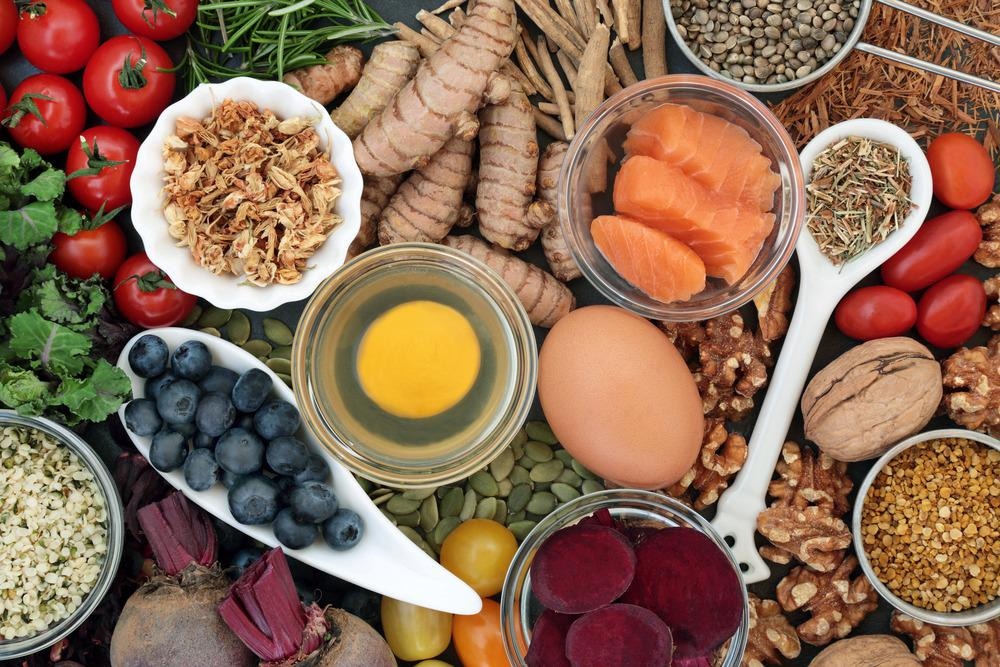
 Functional Foods

 Functional products – functions and benefits

Bioactive compounds are a typical hallmark present in significant quantities in functional foods. Broadly speaking, these include foods enriched with dietary fiber, omega-3 polyunsaturated fatty acids, carotenoids, as well as those supplemented with probiotics and prebiotics, those capable of lowering cholesterol, for example. The table below summarises a range of functional products and their effects on the body:


ngredient Functional product Functions

Dietary fiber

Oat, brown, grits, and flour – including any products derived from them such as oatmeal, cereal, and bread; fruit jams, cured sausages, and fish products; fermented milk drinks contain Lactobacillus plantarum, and wholegrain oat; fruit drinks with oat β-glucans.

Lowers concentration of blood glucose (4 g/day of β-glucan from cereals) and cholesterol (3g of soluble dietary fiber from oats), reduces constipation symptoms (threshold quantities include those containing 8.3 g of fermentable fiber and 9.7 g of nonfermentable fiber per 100 g).

Omega-3 polyunsaturated fatty acids (PUFA)

Oil; margarine; bread; pasta; milk-based drinks; chocolate; and supplemented fruit juices (those supplemented with docosahexaenoic acid & eicosapentaenoic acid)

Omega-3 FA (>2 g/day) has been shown to lower the concentration of blood triglycerides as well as produce hypotensive and arhythmic effects. Supplementation of DHA and EPA may also improve health and aid in nerve cell membrane regeneration; This can slow down the aging of the brain and prevent dementia

Phytoestrogens

Miso; tempeh; tofu; soy-based products such as milk; oil; imitation meat; cereal bars; whole-grain cereal products; and bread that contain rye and flaxseed

Phytoestrogens have some weak estrogenic effects which can help aid symptoms of menopause; this can subsequently improve hyperglycemia, glucose tolerance as well as circulating insulin concentration

Natural antioxidants

Fortified breakfast cereals; milk-based drinks; margarine; and fortified pasta

Are thought today the onset of cardiovascular and neurological diseases, cataracts, some types of cancer, and some non-communicable diseases

Probiotics and prebiotics—fructans, inulin, and resistant starch

Vegetable juices; cheeses; ice cream; frozen dessert; fermented dairy products such as yogurt; kefir; and buttermilk; fermented fruit; kombucha; and fermented meats

Probiotics can influence and regulate the immune system as well as improve immune function. They are also instrumental in the treatment of constipation, diarrhea, and the management of irritable bowel diseases such as Crohn's disease as well as irritable bowel syndrome and diverticular disease. Prebiotics such as fructans can also facilitate the maintenance of good bacteria and facilitate absorption of calcium, iron, copper, magnesium, and phosphorus (4-8g/day of fructans)

Carotenoids—lutein and zeaxanthin

Eggs and eggs products; canned corn; cornmeal

Lutein can react with free radicals and protect low-density lipoproteins against oxidative processes. These are associated with the risk of atherosclerosis and ischemic heart disease; carotenoids, especially lutein (≥4 mg/day), are essential in the prevention (prophylaxis) of age-related sight deterioration

Plant sterols and stanols

Margarine, yogurt, cream cheese, yogurt drinks, mature cheeses, milk-based drinks, meat products, soy or rice-based drinks, sources for salads, rye bread, chocolate, and mayonnaise

Plant sterols (0.8 g/d) or stanols (1–3 g/d) decrease total blood cholesterol between 5-11% and LDL by 16%. Stanols can lower thrombocytes aggregation which is associated with the reduction of total cholesterol and LDL


This is only for your information, kindly take the advice of your doctor for medicines, exercises and so on.   

Labels: , , , , , , , , , , ,

Monday, September 02, 2013

IMPORTANCE OF CALCIUM

Calcium is the most abundant mineral in the body. More than 99% is stored in—and helps fortify—teeth and bones, while the remainder goes toward blood vessel and muscle function, cell communication, and hormone secretion.

Where to get it: Dairy products contain the highest amounts of naturally occurring calcium; plain low-fat yoghurt leads the pack with 415 mg (42% DV) per serving. Dark, leafy greens (such as kale and Chinese cabbage) are another natural source of calcium, which can also be found in fortified fruit juices and cereals.


For calcium rich recipe- see my recipe blog.


ps- this is only for information, always consult you physician before having any particular food/ medication/exercise/other remedies.


ps- those interested in recipes are free to view my blog-

http://gseasyrecipes.blogspot.com/


for info about knee replacement, you can view my blog-


http://Knee replacement-stick club.blogspot.com/


for crochet designs


http://My Crochet Creations.blogspot.com

Labels: , , , , , , , , , , , , , , , , ,

Friday, August 23, 2013

The Symptoms of a Vitamin Deficiency and How to Treat It

Thanks to fortified foods and year-round fresh produce selections, most  readily get their daily recommended dietary allowance (RDA) of key vitamins. Still, some of us unknowingly fall short. “Vitamin and mineral deficiencies occur slowly over time so the signs aren't always obvious,” says a dietician. Doctors don’t always routinely screen patients for a vitamin deficiency, so it’s important that you eat a healthy balanced diet. Being familiar with the signs of the three most common vitamin deficits also helps.

Vitamin D

Vitamin D is often called the sunshine vitamin because your body makes it when exposed to sunlight. This vitamin is essential for strong bones, teeth and muscle. It also may reduce your risk of colon cancer, type 2 diabetes and autoimmune diseases. Rarely, a vitamin D deficit leads to bone pain and muscle weakness. More often, there are no signs of a problem.
RDA: 600 international units (IUs)
Who’s at risk:  People with dark skin and those who live in northern states where sunshine is scarce in the winter are most at risk.
Get more D: One glass of vitamin D-fortified milk provides 100 IUs. Other food sources include fatty fish including salmon, tuna and sardines, and fortified orange juices, cereals and margarines. Vitamin D supplements, or calcium supplements and multivitamins with added vitamin D, are also good options. Get exposed to some early morning sunshine for the maximum benefit.
Iron
Your body uses iron to make haemoglobin, the protein in red blood cells that carry oxygen to tissues. You can become anaemic when your iron stores become so low that your blood can’t carry enough oxygen to the rest of your body. You may feel fatigued even after sleeping well.
RDA: Women age 19 to 50 need 18 milligrams (mg) of iron per day. Pregnant women need 27 mg and breastfeeding women need 9 mg. Men age 18 and older should get 8 mg.
Who’s at risk: Menstruation and pregnancy can deplete iron stores. That’s why 10 percent of women of childbearing age are low in iron.
Get more iron: Look for iron-fortified cereals, oatmeal and bread. Meats including beef, turkey and fish are high in iron (liver and oysters contain the highest amounts), as are lentils and beans like kidney, soy and lima. You also can get the nutrient in an iron supplement or multivitamin. Spinach, all dark green leafy vegetables,  ragi, sesame seeds are good source of iron along with jaggery/ gur. Remember that when you eat iron rich foods, you'ld also eat some Vitamin C rich food along with it for your body to absorb the iron from it, so have gooseberry/amla, lime juice/ pickle/ citrus juice.

Vitamin B6

This B vitamin helps your body make antibodies which fight off illness. It also fends off anaemia by making haemoglobin, as well as plays a role in preventing diabetes by keeping blood sugar levels in check. Signs of a B6 vitamin deficiency shortage include anaemia, itchy rashes, scaly lips, cracks at the corners of your mouth and a swollen tongue.
RDA: Adults up to age 50 should get 1.3 mg of B6 every day. Women age 51 and older need 1.5 mg while men in this age group should get 1.7 mg. Pregnant or nursing women need 2.0 mg.
Who’s at risk:  People with kidney disease or autoimmune disorders like rheumatoid arthritis and celiac disease are most likely to fall short.
Get more B6: Some fortified breads and cereals contain B6 (check the nutrition label). You also can find it in avocados, bananas, legumes, nuts, whole grains, meats, and of course, vitamin supplements.

ps- this is only for information, always consult you physician before having any particular food/ medication/exercise/other remedies.

ps- those interested in recipes are free to view my blog-

http://gseasyrecipes.blogspot.com/

for info about knee replacement, you can view my blog-

http://Knee replacement-stick club.blogspot.com/

for crochet designs

http://My Crochet Creations.blogspot.com/

Labels: , , , , , , , , , , , , , , , , ,

Tuesday, June 18, 2013

Some Ways to help You from being Tired due to Diabetes

If you have diabetes, tiredness can be one of the symptoms.  
The first step toward feeling better is to talk to your doctor. Your doctor will check your overall 
health, including how well your diabetes is controlled and whether you have any other 
medical conditions that need attention.
It will help if you keep a diary for a week or two for your doctor. In it, write down:
  • Your blood sugar levels.
  • How stressed you feel. Some people feel burned out from the effort it takes to manage diabetes every day.
  • How often and how much you exercise.
  • What you eat and when you eat it and how much you eat.
  • How much and how well you slept.  
  • If you wake up at night because you're snoring, need to use the bathroom, or if anything else interrupts a full night’s sleep.  
  • How you feel when you wake up in the morning. Do you feel rested or tired?
Together, you and your doctor can make a plan to boost your energy level. 

6 Tips to Get Your Energy Back

1. Exercise. Move more, and you get more energy. People who take a brisk, daily 30-minute 
walk are less tired than idle people.
Choose an activity you like, whether it's tennis, walking, gardening, or swimming. Do 
it for at least 30 to 60 minutes a day. If you can't spare that much time at once, sneak in 
shorter (10-minute) periods of exercise whenever you can. As long as it adds up to 30-60 
minutes per day, that's what counts.
Wear a pedometer so you know how many steps you're taking each day. Try to add 500 
steps a day until you reach at least 10,000 daily steps.
2. Watch your diet. To keep your blood sugar level steady, eat three healthy meals and a 
snack during the day. Include healthy carbohydrates from fruits and vegetables and whole 
grains, as well as lean protein from sources such as beans, tofu, fish, or skinless chicken 
breasts.
3. Avoid caffeine, especially late in the day. Caffeine can keep you awake and disrupt 
sleep. It can also make it harder to control your blood sugar, if you overdo it.  
4. Get enough B vitamins. B vitamins help nerve health. If you have nerve problems from 
diabetes, make sure you're getting these nutrients from your diet (good sources are foods 
such as fish, poultry, fortified cereals, and eggs) or a supplement. It's a good idea to tell your 
doctor about any supplements you take, including vitamins, so they can check that you're 
getting the right amount.
5. Check on your snoring. Many people with diabetes briefly stop breathing several times 
at night. That's called sleep apnoea. Symptoms include snoring, feeling sleepy during the 
day, having trouble concentrating, and often waking up with a headache or sore throat. Tell 
your doctor if you, or your bed partner, notice those things. Sleep apnoea can be treated, and 
that could help you get better at night, which gives you more daytime energy.
6. Stay hydrated. You can become fatigued if you're dehydrated. Drink at least 8-9 glasses 
of fluids a day.


ps- this is only for information, always consult you physician before having any particular food/ medication/exercise/other remedies.


ps- those interested in recipes are free to view my blog-

http://gseasyrecipes.blogspot.com/


for info about knee replacement, you can view my blog-


http://Knee replacement-stick club.blogspot.com/


for crochet designs


http://My Crochet Creations.blogspot.com/


I've not given details about designs, but those interested are free to mail me for the same.

Labels: , , , , , , , , , , , , , , , , , ,

Monday, March 04, 2013

Importance of Vitamin B-12


Vitamin B12

Vitamin B12 helps the body make red blood cells. It also aids nerve and brain function.
B12 is bound to the protein in animal products. Younger adults usually get plenty of this key nutrient by eating meat, poultry, fish, eggs, milk, and fortified cereals.
Older adults lose the ability to separate B12 from protein, which can cause a deficiency. The Institute of Medicine recommends that adults over age 50 take B12 supplements, which are easier to absorb. Vegetarians who don’t eat breakfast cereals may also need supplements.

Labels: , , , , , , , , , , , , , ,