Tuesday, April 21, 2026

What are Functional Foods?

Functional foods can be widely described as processed food that provides medical or health benefits as well as a reduction in disease risk. There is no universal definition of functional food, but in the context of their benefits, a hallmark feature is their disease-preventing ability alongside their nutritional and health-promoting benefits. They are not considered preventative or curative by themselves and are typically not essential to the diet.

The history of the term functional foods

The term functional foods, and later “nutraceutical” was first coined in Japan in the early 1980s. Functional foods overlap with other terms alongside nutraceuticals, and include “vitafoods”, “medical foods”, “probiotics”, and “pharmafoods”.

Today, functional foods cover a wide variety of food types and are considered to be those that are fortified, enriched, or enhanced foods; it is by way of enhanced nutritional profiles that these foods provide health benefits that go beyond providing essential nutrients (vitamins and minerals) when they are consumed at a threshold amount as part of a varied diet, regularly.

Japan is also the first country to have devised a specific regulatory approval process for functional foods. The term food for specified health use (FOSHU) was coined and established in 1991. This concept then rapidly expanded to different parts of the world.

Subsequently, there is a great variation across the world with regards to the regulation of functional foods, and they have not been well established. There are also distinct differences in the approach to functional foods between legislators across the world.

Variations in functional food definitions and legislation across the world

The US Food and Drugs Administration (FDA) in the USA has a regulatory scheme that does not recognize functional foods to be a distinct category and does not provide a legal definition of functional foods. Despite this, several working definitions have been developed by organizations which include the American Dietetic Association (ADA), the International Food Information Council (IFIC), and the Institute of Food Technologists (IFT).

However, within the European Union, a regulation on nutrition and health claims came into force in 2007. Under the regulation, health claims are subject to preapproval, involving scientific assessment by the European Food Safety Authority (EFSA).

The adoption of regulation for the use of nutritional claims for foodstuffs harmonized EU-wide rules for the use of health and nutritional claims on foodstuffs. The main objective of this regulation ensure that food claims are substantiated by scientific evidence and are clear to the consumer.

The EFSA, Unlike the FDA, defines functional foods as “a food, which beneficially affects one or more target functions in the body, beyond adequate nutritional effects, in a way that is relevant to either an improved state of health and wellbeing and/or reduction in risk of disease.

A functional food can be a natural food or food to which a component has been added or removed by technological or biotechnological means, and it must demonstrate their effects in amounts that can normally be expected to be consumed in the diet.” However, they are as yet, not covered by any specific legislation except for general food legislation.

Japan is the only country in the world that recognizes functional foods as a distinct category and the Japanese functional food market is considered to be one of the most advanced, globally.
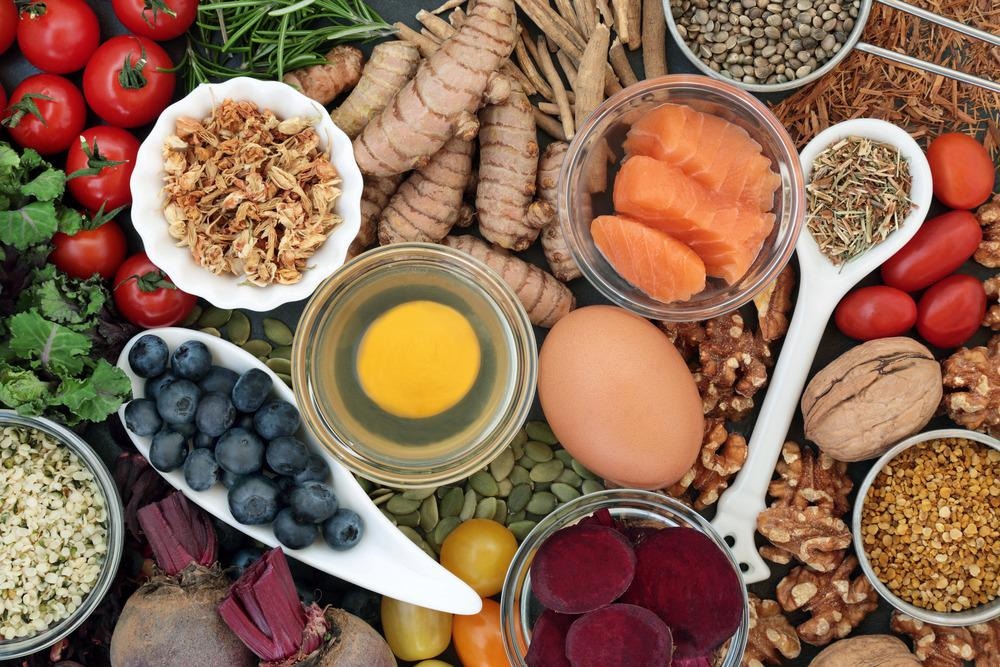
 Functional Foods

 Functional products – functions and benefits

Bioactive compounds are a typical hallmark present in significant quantities in functional foods. Broadly speaking, these include foods enriched with dietary fiber, omega-3 polyunsaturated fatty acids, carotenoids, as well as those supplemented with probiotics and prebiotics, those capable of lowering cholesterol, for example. The table below summarises a range of functional products and their effects on the body:


ngredient Functional product Functions

Dietary fiber

Oat, brown, grits, and flour – including any products derived from them such as oatmeal, cereal, and bread; fruit jams, cured sausages, and fish products; fermented milk drinks contain Lactobacillus plantarum, and wholegrain oat; fruit drinks with oat β-glucans.

Lowers concentration of blood glucose (4 g/day of β-glucan from cereals) and cholesterol (3g of soluble dietary fiber from oats), reduces constipation symptoms (threshold quantities include those containing 8.3 g of fermentable fiber and 9.7 g of nonfermentable fiber per 100 g).

Omega-3 polyunsaturated fatty acids (PUFA)

Oil; margarine; bread; pasta; milk-based drinks; chocolate; and supplemented fruit juices (those supplemented with docosahexaenoic acid & eicosapentaenoic acid)

Omega-3 FA (>2 g/day) has been shown to lower the concentration of blood triglycerides as well as produce hypotensive and arhythmic effects. Supplementation of DHA and EPA may also improve health and aid in nerve cell membrane regeneration; This can slow down the aging of the brain and prevent dementia

Phytoestrogens

Miso; tempeh; tofu; soy-based products such as milk; oil; imitation meat; cereal bars; whole-grain cereal products; and bread that contain rye and flaxseed

Phytoestrogens have some weak estrogenic effects which can help aid symptoms of menopause; this can subsequently improve hyperglycemia, glucose tolerance as well as circulating insulin concentration

Natural antioxidants

Fortified breakfast cereals; milk-based drinks; margarine; and fortified pasta

Are thought today the onset of cardiovascular and neurological diseases, cataracts, some types of cancer, and some non-communicable diseases

Probiotics and prebiotics—fructans, inulin, and resistant starch

Vegetable juices; cheeses; ice cream; frozen dessert; fermented dairy products such as yogurt; kefir; and buttermilk; fermented fruit; kombucha; and fermented meats

Probiotics can influence and regulate the immune system as well as improve immune function. They are also instrumental in the treatment of constipation, diarrhea, and the management of irritable bowel diseases such as Crohn's disease as well as irritable bowel syndrome and diverticular disease. Prebiotics such as fructans can also facilitate the maintenance of good bacteria and facilitate absorption of calcium, iron, copper, magnesium, and phosphorus (4-8g/day of fructans)

Carotenoids—lutein and zeaxanthin

Eggs and eggs products; canned corn; cornmeal

Lutein can react with free radicals and protect low-density lipoproteins against oxidative processes. These are associated with the risk of atherosclerosis and ischemic heart disease; carotenoids, especially lutein (≥4 mg/day), are essential in the prevention (prophylaxis) of age-related sight deterioration

Plant sterols and stanols

Margarine, yogurt, cream cheese, yogurt drinks, mature cheeses, milk-based drinks, meat products, soy or rice-based drinks, sources for salads, rye bread, chocolate, and mayonnaise

Plant sterols (0.8 g/d) or stanols (1–3 g/d) decrease total blood cholesterol between 5-11% and LDL by 16%. Stanols can lower thrombocytes aggregation which is associated with the reduction of total cholesterol and LDL


This is only for your information, kindly take the advice of your doctor for medicines, exercises and so on.   

Labels: , , , , , , , , , , ,

Thursday, November 27, 2025

The Link Between Menopause and Cholesterol Levels

Hot flashes, sleep problems, and mood changes are common symptoms during menopause, and along with them comes another dangerous symptom that many are not aware of, which is an increase in cholesterol levels. High cholesterol levels increase the risk of heart disease and stroke, and menopause itself is associated with an increased risk of heart disease due to numerous changes occurring in the body. However, it is possible to maintain a healthy heart during menopause if you understand how it affects cholesterol levels and how to address these changes. That’s what we’ll help you do now.

The Connection Between Menopause and Cholesterol 
Bad cholesterol (LDL) and good cholesterol (HDL) play many roles in the body (even influencing each other), and to perform these roles, they rely on special receptors that transport them from the bloodstream into cells, which is necessary for them to do their job. Estrogen is a hormone that helps LDL receptors function efficiently, and when estrogen levels drop due to menopause, these receptors work much less effectively, allowing high LDL levels to remain in the bloodstream.

At the same time, HDL levels decrease as estrogen levels decline. HDL’s role is to transport excess cholesterol from the blood and body back to the liver. A decrease in HDL levels, which sometimes occurs during menopause due to the drop in estrogen, makes it harder for the body to get rid of excess cholesterol – and therefore, LDL levels may remain higher for longer. 
 
During menopause, a phenomenon called "muscle wasting" also occurs, and this is another issue that affects cholesterol levels. Muscles help the body use glucose (blood sugar) and fats, and as muscle mass decreases, the body becomes less able to manage blood sugar and fat levels, leading to impaired HDL function and higher LDL levels.

Additionally, many women struggle to maintain a healthy weight during menopause, and excess weight can affect cholesterol levels because it leads to insulin resistance. When the body develops insulin resistance, it requires more insulin to regulate blood sugar levels, which results in an increase in LDL and fat levels. 
 
What Changes Should Be Made to Prevent Cholesterol Increase? 
 
There are things you cannot change on your own right now, such as the decline in estrogen levels, but there are some things you can control, like your diet. In general, a Mediterranean diet is recommended, as well as avoiding processed foods and those high in sugar. You should consume more fiber, omega-3 fatty acids, antioxidants, and plant sterols, and here are some sources for these that are recommended to include in your diet:

Beans and legumes 
Green leafy vegetables 
Fruits 
Nuts and seeds 
Whole grains 
Fatty fish like salmon and tuna

In particular, it appears that consuming more mangoes is recommended, as a new study published in 2025 found that two servings of mangoes a day help maintain heart health during menopause. At the same time, you should ensure you engage in at least 150 minutes of aerobic activity per week and strength training 2-3 times a week, as well as learn how to manage stress levels, quit smoking, and reduce alcohol consumption.
 
Are There Treatments That Help Reduce Cholesterol During Menopause? 
 
In addition to the changes we recommended, you should consult a doctor to understand whether any medical treatment is needed to manage cholesterol levels. They may recommend statins, which are the most common medication for treating cholesterol and help slow its production in the body and remove it through the liver. Additionally, there are other medications your doctor might suggest, such as cholesterol absorption inhibitors, PCSK9 inhibitors, fibrates, and more. 
 
There are also hormonal treatments that help alleviate other menopausal symptoms, and they have some effect on cholesterol levels, though minimal. Furthermore, it may be recommended to start taking certain dietary supplements, such as:

Plant sterols: These are natural compounds found in plants that reduce cholesterol levels, but they may cause diarrhea, so it’s important to be aware of this. 
 
Berberine: This is a natural compound found in plants that reduces LDL and triglyceride levels, but it may also cause diarrhea and even vomiting. 
 
Ground flaxseed: May reduce LDL levels and provide the body with fiber and omega-3. Green tea leaf extract: Helps reduce LDL levels.

Green tea leaf extract: Helps reduce LDL levels.
 
In Summary  
 
Menopause brings with it unpleasant symptoms and dangers to heart and blood vessel health. One of the critical factors is cholesterol, whose levels rise due to various phenomena associated with menopause, making it important to know how to reduce them. The key lies in proper nutrition, with an emphasis on a Mediterranean diet, and physical activity, but lifestyle changes alone are not enough to fully address the issue. 
 
You should consult your doctor for appropriate treatment to manage the rising cholesterol levels in your body, and the fact that you’ve become aware of this is already the first and most important step. So, share this article with your friends who are going through menopause so they too can learn about the danger and what they need to do now to avoid it. This could truly save their lives.


This is only for your information, kindly take the advice of your doctor for medicines, exercises and so on.   


Labels: , , , , , , , , , , , ,

Thursday, October 31, 2019

Eat Raw Walnuts Daily To Boost Your Brain Power

We all know how important proteins are for us, don't we? They build muscle, repair our tissues, make us leaner and stronger, reduce the risk of heart-related ailments and best of all keep us full so we do not overeat! But, in a world where everyone is constantly on the run, getting enough protein through our meals is becoming increasingly difficult. 

Wouldn't it be great if Mother Nature gave us bite-sized protein nuggets that could be eaten anywhere, anytime? Well, of course, she did! Nuts are nutritional powerhouses with concentrated proteins, calories and vitamins all embedded in a tiny seed. And the healthiest of them all - Walnuts! 

Walnuts - what do they contain? 

There is a good reason for walnuts being called a superfood. The health benefits of walnuts are derived from its nutrients: 
1. Plant-based Omega-3 fatty acids, like alpha linolenic acid and amino acid
2. Plant sterol
3. Proteins and calories
4. Minerals like magnesium and copper
5. Vitamins like vitamin E and vitamin B6
6. Dietary fibre

Walnuts - Health Benefits

The many benefits of walnuts for brain and body are well documented in various medical journals. 
•    Helping in prevention of cancer: With omega 3 fatty acids and antioxidants, walnuts are proven to be effective in limiting the growth of tumours. They also lower the risk of breast cancer occurrence in women.
•    Making your heart stronger: Amino acids and alpha linolenic acids are two compounds that are anti-inflammatory and hence prevent the formation of clots in our blood. Walnuts assist in lowering our cholesterol levels, thus helping us lead healthier lives.
•    Lose-weight by staying full: These protein-rich nuts are ideal to help us stay full longer, thus automatically reducing our impulse to binge or snack on unhealthy foods. Thus, they are highly effective in weight management.
•    Lowering sugar levels: In today's unhealthy and stressful world, raised sugar levels have reached epidemic proportions. Walnuts build insulin resistance and control our blood-sugar levels thus reducing the risk of sugar-related diseases like diabetes.
•    A healthier glow: Walnuts, like all nuts, are rich in antioxidants. Thus they act as natural anti-ageing products, giving our skin a younger look and a healthier glow. Additionally, walnuts are rich in vitamins that prevent hair loss and improve its texture, giving it a healthy appearance.  
•    Walnut benefits for brain: Walnuts ward off depression due to the presence of omega 3 acids and are proven to increase serotonin levels in our blood. Folic acid in these nuts helps us cope with stress better and delay the onset of brain-related ailments like Alzheimer's. 

How to eat walnuts raw?

Walnuts, like all nuts, are high in calories with 1 oz of walnuts providing about 150 to 200 calories. Of course, these are the healthiest fats you would find, but for those counting calories, remember to adjust your intake accordingly. 
So, how do we eat walnuts raw?   It is suggested to eat 1 ounce (around 7 shelled) of walnuts, 5 times a week.
•    Sprinkle them liberally on your breakfast cereals like muesli, porridge or oats every morning.
•    Crushed walnuts can be added to your salads that you eat at lunch. If you like, you can eat them with chopped fruit too. Or, you can sprinkle chopped walnuts over your bowl of curd.
•    Organic walnut butter, when blended in with fruit smoothies, can also provide you with all the nutrition.
•    Raw walnut oil in pasta or as a salad dressing, will help you reach your quota.
•    Some swear by soaked almonds and walnuts kept overnight, and eaten first thing in the morning as it helps in reducing birth defects.
•    If you love baking, add walnuts to your muffins, breads and cakes to add that dash of raw nutrition. 

What is the best time to eat walnuts?

So, your favourite recipe helped you figure out how to eat walnuts raw. But, what is the best time to eat walnuts? Well, let's find out. 
Research suggests that the best time to eat walnuts is before meals, preferably on an empty stomach. While some prefer eating them first thing in the morning, others prefer eating them in the evening. Let us understand why:
•    One of the health benefits of walnuts are their high protein content, you will feel fuller at your actual meal and will automatically eat lesser, thus regulating your weight better.
•    Omega acids are always better absorbed by your body on an empty stomach. This is why, including walnuts with meals may dilute their impact a little.
•    Similarly, amino acids and their anti-inflammatory properties are observed to be at their peak when they are consumed on an empty stomach. 

To summarize...
Now that you know how a walnut benefits your brain, and gives you not only a healthier heart, but also glowing skin and hair, shouldn't you experience this wonder food for yourself? A simple online search can provide you with amazing recipes that give you delicious alternatives on how to eat walnuts raw. 
So, create an opening in your daily schedule based on the best time to eat walnuts and get started today!

this is only for your information, kindly take the advice of your doctor for medicines, exercises and so on.     
https://gscrochetdesigns.blogspot.com. one can see my crochet creations  
https://gseasyrecipes.blogspot.com. feel free to view for easy, simple and healthy recipes    
https://kneereplacement-stickclub.blogspot.com. for info on knee replacement


Labels: , , , , , , , ,