Monday, February 23, 2026

Your No-BS Wrinkle Erasing Guide

As we age, we gain wisdom, and with those, like an unwelcome hitchhiker, come wrinkles. This process is natural and inevitable, though it can be unnaturally accelerated through exposure to UVA sun rays and excessive stress. Every process in our body slows down, and that includes collagen production. This makes our bones more fragile and our skin less toned. The skin is the largest organ in the body and it varies to an incredible degree: it can be as thin as 0.07 mm on our eyelids or more than twice as thick on our upper back. This affects wrinkle accumulation. In this article, we will discuss neck and facial wrinkles and the best ways to smooth them.

Why do we get wrinkles?
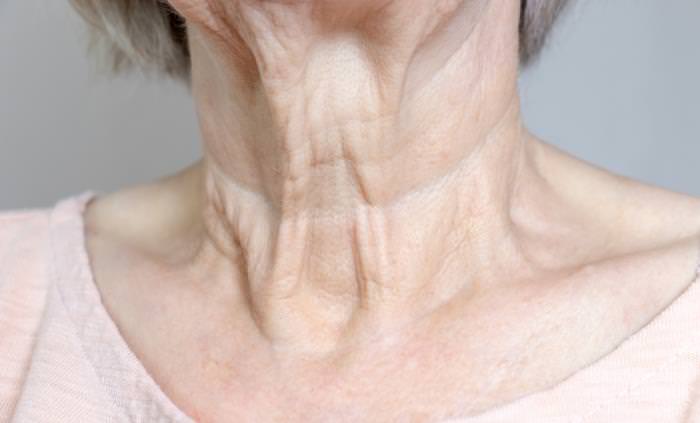
 wrinkles on the neck

As always, we'd like to take an educational approach to this subject, so before we start using jargon and sprinkle the word "collagen" all over this article, it's important to establish what it is in the first place. Collagen is a protein found not only in our skin but also in our bones, blood vessels, tendons, ligaments, and muscles. Or, in short, in almost every connective tissue. It holds everything in place. As we mentioned in the introduction, the natural production of collagen degrades over time, causing our skin to decrease in elasticity. As the collagen in the skin diminishes, along with fat and water stored in the skin, the skin shrinks - causing a wrinkly look. Neck wrinkles will usually appear around your 40s and 50s. The skin of the neck is sensitive and even thinner than that on our faces. 
 
Prevent wrinkles with SPF

As with everything related to our body and health, preventing and performing daily upkeep is much easier than treating a problem once it has occurred. Your number one step to preventing wrinkles is the vigorous use of sunscreen. That is because the UVA rays emitted by the sun are the number one cause of premature aging. The sun emits both UVA and UVB rays. However, they differ in wavelength. UVB will burn you (remember B for burning) while UVA will cause long-term damage of aging: wrinkles and sunspots (remember A for aging). UVA rays are longer than UVB, meaning they can penetrate through clouds and windows. Therefore it is recommended to wear sunscreen every day of the year, even while staying indoors. On sunnier days, renew your layer every 2 hours. 
 
Facial Yoga
facial yoga
Facial yoga or facial exercises will help you increase blood flow and with it oxygenation to the area. It will also help with proper drainage and tightening the muscles of the neck and face area to keep everything looking tight. This goes under the category of traditional medicine (as opposed to western medicine), meaning it has been done for ages, but there isn't any modern scientific research to elaborate on and support its benefits. As the current research stands, facial yoga or yoga, in general, will have the same effects on your body, which is increased flexibility, more oxygen in the blood, and better posture. The latter can help with "tech-neck", the horizontal lines we get on our neck when we look down all day at a screen. Fixing your posture can help with that. 
 
Additional practices in that same category are facial cupping (rooted in Chinese culture), facial massages, using jade rollers, or gua-sha. Note that facial cupping is not recommended for those who have rosacea. As for the use of facial massaging tools, we'd like to debunk the myth that they will increase the production of collagen in the skin. There is no harm in using those tools. They may only help with a most temporary de-puffing of the face, but at the very least they're a nice pampering ritual for a relaxing moment at the end of a long day. However, they will not smooth out your wrinkles. For maximum de-puffing effect, keep them in the fridge. Some manufacturers market the use of a jade roller specifically. Choosing a healing stone over a steel roller is up to whether you believe in their healing powers or not. But if you do, then please review this guide on how to recognize a fake stone. As for how to use them, since they're a porous stone we would recommend washing your face, drying it, having the roll, and then finishing with your facial creams and serums. Wash your roller after each use. 

Habits to acquire and habits to avoid.
 
Some of your daily habits that can prevent premature wrinkles are: 
1. Sleeping on your back. This will diminish a puffy face when waking up. 
2. Regular exercising. 
3. Incorporate vegetables, fruits, and anti-oxidant foods into your diet. Avoid processed foods. 
4. Find a way to manage stress in your life. 
5. Try a silicon patch for hydration and smoothing out wrinkles. These go on the face, neck, and chest. You can purchase them online and in drug stores, but make sure to search for medical-grade silicone ones. 6. Get a minimum of 8 hours of sleep. 
7. Stay hydrated and apply your sunscreen every single day of the year.

 
Now, let's discuss what to avoid.  
 
1. Any DIY treatments at home that call to apply anything from your kitchen to your face are not always recommended and should preferably be avoided. That is because, while natural, the active components of foods are not formulated to be put on your face. Acidic and harsh chemicals found in lemon, vinegar, and baking soda can irritate your skin. If they don't irritate you, they also won't yield long-lasting wrinkle-repairing results as, again, they are not formulated to penetrate the cells of your skin. There is a difference between using a raw lemon on your face and using a lemon-extract-based moisturizer. The latter will deliver better, safer results, while the former might harm you and won't deliver long-term benefits. 
 
Using sugar or coffee grounds is also a popular DIY exfoliating method that should be avoided. These substances, specifically coffee, can introduce harmful bacteria to your skin. In addition, the irregular size of the little grains will cause micro-tears on the surface of your skin. This is also the reason we would recommend mild chemical exfoliants over physical exfoliants. These include salicylic acid, glycolic acid, and lactic acid. While there are many more acids, these 3 are most researched. 
 
Still, if you're an avid DIY-er, you can use avocado, oats, and honey on your face. We would still argue that store-bought, chemically-formulated, well-researched products are always safer and more efficient, but we can safely say that there is little to no harm in applying raw avocado, oats, or honey to the skin. These aim to be nourishing and calming. 

Products and Ingredients

If you don't have a skincare routine, establishing one can help the health of your skin. It doesn't have to be complex or expensive. Simply cleansing your face with a dedicated, mild soap, followed by a fragrance-free moisturizer and an SPF for the AM, is enough. This will keep your skin nourished and moisturized, and most importantly- protected from the sun. Companies like Aveeno, Cera-Ve, Cetaphil, and the likes, make good, reasonably-priced products. 
 
Additional treatment steps can be added to a routine for anti-aging benefits. Antioxidants (vitamin C being the most prominent one), peptides, and exfoliating acids are naturally-occurring chemicals that protect the skin and have been scientifically proven to increase collagen production and treat fine lines and pigmentation. An antioxidant serum can be used daily in the AM, peptides can be used even twice daily, but chemical exfoliates should be used up to 3 times a week, in the PM, followed by an SPF the next morning as they will make your skin more sensitive to the sun. You can also perform a physical exfoliation with dedicated soaps, but this is much harsher on the skin of the neck. 
 
Besides SPF, which is considered the ultimate gold-standard anti-aging ingredient, there is also retinol. This is a form of vitamin A that has been proven in endless research to increase collagen production in the deep layers of the skin. It can be, however, very irritating to the neck area as it is more sensitive than the face. Simply using an SPF diligently can be enough; the use of additional active ingredients isn't a must. 
 
In-office Procedures on varying levels of invasiveness
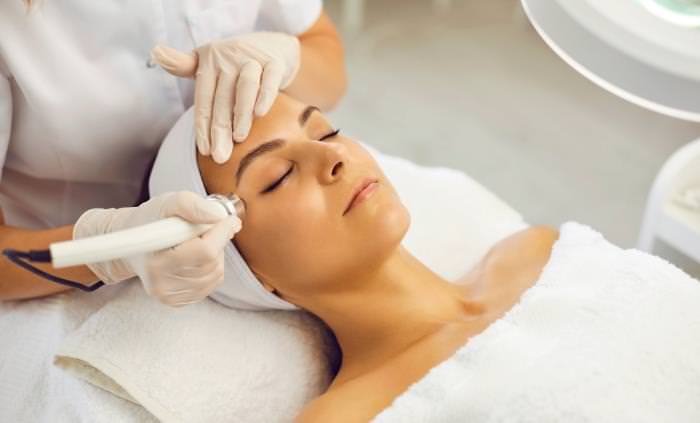
 
radio frequency for face
In-office procedures will be performed only by a doctor, and their purpose is more to treat rather than prevent wrinkles and sagging skin. These will be more expensive than anything discussed in the article so far, with a price range of 300$ to 2000$ per treatment session. 
 
Ultrasound therapy 
This treatment, like many others in this section, delivers heat to the deeper levels of the skin. This heat damages the cells but not the outer layer of the skin, so there is no scarring. The result is an increase in collagen production to make up for the loss of cells, which will gradually culminate in fuller tissues of the skin. You can see results in 3 months. There is no downtime- you can leave the clinic as if nothing happened! 
 
Radiofrequency 
This treatment can also be done on any other part of the body to target, apart from wrinkles, cellulite, and stretch marks. Results will be seen within 6 months. There is little to no downtime for this kind of therapy. 
 
Laser resurfacing 
These are quite more invasive, so the downtime is 7 days. The results, however, will be seen within 2 weeks. 


This is only for your information, kindly take the advice of your doctor for medicines, exercises and so on.   


Labels: , , , , , , , , ,

Thursday, November 27, 2025

The Link Between Menopause and Cholesterol Levels

Hot flashes, sleep problems, and mood changes are common symptoms during menopause, and along with them comes another dangerous symptom that many are not aware of, which is an increase in cholesterol levels. High cholesterol levels increase the risk of heart disease and stroke, and menopause itself is associated with an increased risk of heart disease due to numerous changes occurring in the body. However, it is possible to maintain a healthy heart during menopause if you understand how it affects cholesterol levels and how to address these changes. That’s what we’ll help you do now.

The Connection Between Menopause and Cholesterol 
Bad cholesterol (LDL) and good cholesterol (HDL) play many roles in the body (even influencing each other), and to perform these roles, they rely on special receptors that transport them from the bloodstream into cells, which is necessary for them to do their job. Estrogen is a hormone that helps LDL receptors function efficiently, and when estrogen levels drop due to menopause, these receptors work much less effectively, allowing high LDL levels to remain in the bloodstream.

At the same time, HDL levels decrease as estrogen levels decline. HDL’s role is to transport excess cholesterol from the blood and body back to the liver. A decrease in HDL levels, which sometimes occurs during menopause due to the drop in estrogen, makes it harder for the body to get rid of excess cholesterol – and therefore, LDL levels may remain higher for longer. 
 
During menopause, a phenomenon called "muscle wasting" also occurs, and this is another issue that affects cholesterol levels. Muscles help the body use glucose (blood sugar) and fats, and as muscle mass decreases, the body becomes less able to manage blood sugar and fat levels, leading to impaired HDL function and higher LDL levels.

Additionally, many women struggle to maintain a healthy weight during menopause, and excess weight can affect cholesterol levels because it leads to insulin resistance. When the body develops insulin resistance, it requires more insulin to regulate blood sugar levels, which results in an increase in LDL and fat levels. 
 
What Changes Should Be Made to Prevent Cholesterol Increase? 
 
There are things you cannot change on your own right now, such as the decline in estrogen levels, but there are some things you can control, like your diet. In general, a Mediterranean diet is recommended, as well as avoiding processed foods and those high in sugar. You should consume more fiber, omega-3 fatty acids, antioxidants, and plant sterols, and here are some sources for these that are recommended to include in your diet:

Beans and legumes 
Green leafy vegetables 
Fruits 
Nuts and seeds 
Whole grains 
Fatty fish like salmon and tuna

In particular, it appears that consuming more mangoes is recommended, as a new study published in 2025 found that two servings of mangoes a day help maintain heart health during menopause. At the same time, you should ensure you engage in at least 150 minutes of aerobic activity per week and strength training 2-3 times a week, as well as learn how to manage stress levels, quit smoking, and reduce alcohol consumption.
 
Are There Treatments That Help Reduce Cholesterol During Menopause? 
 
In addition to the changes we recommended, you should consult a doctor to understand whether any medical treatment is needed to manage cholesterol levels. They may recommend statins, which are the most common medication for treating cholesterol and help slow its production in the body and remove it through the liver. Additionally, there are other medications your doctor might suggest, such as cholesterol absorption inhibitors, PCSK9 inhibitors, fibrates, and more. 
 
There are also hormonal treatments that help alleviate other menopausal symptoms, and they have some effect on cholesterol levels, though minimal. Furthermore, it may be recommended to start taking certain dietary supplements, such as:

Plant sterols: These are natural compounds found in plants that reduce cholesterol levels, but they may cause diarrhea, so it’s important to be aware of this. 
 
Berberine: This is a natural compound found in plants that reduces LDL and triglyceride levels, but it may also cause diarrhea and even vomiting. 
 
Ground flaxseed: May reduce LDL levels and provide the body with fiber and omega-3. Green tea leaf extract: Helps reduce LDL levels.

Green tea leaf extract: Helps reduce LDL levels.
 
In Summary  
 
Menopause brings with it unpleasant symptoms and dangers to heart and blood vessel health. One of the critical factors is cholesterol, whose levels rise due to various phenomena associated with menopause, making it important to know how to reduce them. The key lies in proper nutrition, with an emphasis on a Mediterranean diet, and physical activity, but lifestyle changes alone are not enough to fully address the issue. 
 
You should consult your doctor for appropriate treatment to manage the rising cholesterol levels in your body, and the fact that you’ve become aware of this is already the first and most important step. So, share this article with your friends who are going through menopause so they too can learn about the danger and what they need to do now to avoid it. This could truly save their lives.


This is only for your information, kindly take the advice of your doctor for medicines, exercises and so on.   


Labels: , , , , , , , , , , , ,

Friday, May 23, 2025

These 5 Habits Are Seriously Damaging Your Liver

The liver is one of the most important organs in the human body. Everything that we eat must be processed by the liver before its nutrients can be distributed throughout the body. The liver has a wide range of functions and it plays a vital role in a number of physiological processes, including blood detoxification and metabolic function. As a result, our body’s health is directly related to the health of our liver. 
 
Although the liver is capable of replacing damaged cells, if too many cells are lost, the liver may not be able to function correctly. There are several bad habits that are part of our everyday life which may increase the risk of liver damage and pain. We may not even realize it, as the damage can be gradual with no obvious symptoms. However, over a period of time, these habits can cause severe damage to your liver, putting your life in jeopardy.

So, let us take a look at some of the common bad habits that can damage your liver.

1. Excessive Alcohol
Heavy alcohol consumption is the most common cause of liver damage. Excessive alcohol decreases the liver’s ability to remove toxins from the body. This is because the liver gets distracted from its other functions, and focuses mainly on converting the alcohol into a less toxic form, and this causes fatty liver disease and inflammation.
 
When the liver tries to break down alcohol, the resulting chemical reaction damages the liver cells, and after a long period of consuming excessive alcohol, the damage will become permanent, causing cirrhosis (which leads to loss of liver function). Furthermore, the liver’s attempts to repair the damaged caused can lead to DNA mutations that initiate cancerous growths. 
 
2. Overuse of Medications 
As one of the liver’s roles is to break down substances that we consume, including medications, supplements, and herbs, consuming too much of a certain medication can gradually harm our liver. This damage can range from mild to complete liver failure. 
 
One of the most well-known medications that can cause liver damage is acetaminophen, which is commonly available without prescription and can be found in many cold and flu remedies as well as prescription pain medications. This substance is safe in small doses, but you can damage your liver if you take too much of it over the course of several days. 
 
Certain herbal remedies and natural supplements can also be harmful to the liver in excess amounts. For example, a well-known cause of liver toxicity is too much vitamin A. This is why it is vitally important to check the label of any medicine or supplement to see if there are any warnings about potential liver damage. 
 
3. Smoking
Smoking is one habit you must give up if you ever want to be healthy. Cigarette smoke affects the liver indirectly. The toxic chemicals that are found in the smoke eventually reach the liver and cause oxidative stress that produces free radicals that damage the cells. 
 
This oxidative stress can also cause fibrosis, a process in which the liver develops excess tissue, similar to that of scar tissue, during its attempt to repair itself, and, over time, this can greatly affect the liver’s ability to work properly. 
 
4. Sleep Deprivation 
A study that was published in the Journal of anatomy found that sleep deprivation can cause oxidative stress to the liver. Another study from the University of Pennsylvania School of Medicine reveals why shift work and people who suffer from sleep deprivation suffer from a range of health problems. Including obesity, heart disease, and diabetes. 
 
This study found that the livers of the subjects weren’t processing fat efficiently, allowing fat to accumulate. Furthermore, when we sleep, our body goes into a repair process. Therefore, you need to make sure that you get a good 8 hours of sleep per night, as a lack of sleep will ruin your elimination process and damage your liver. 
 
5. Obesity and Poor Nutrition
Obesity has been linked to poor eating habits and this can harm your liver over a period of time. The reason for this is because too much of the wrong food causes excess fat to build-up in the liver, known as NAFLD (non-alcoholic fatty liver disease). 
 
The liver normally helps to process and regulate the amount of sugar and fat in our blood, but in obese people, the liver becomes overwhelmed and starts storing excess fats in its own liver cells, either because there is no other place to put them, or the liver has failed to break them down. Over time, if too much fat accumulates in the liver, the liver can become inflamed and the liver cells can be damaged. 
 
Food to Eat or Avoid 
• Consuming a large amount of processed foods, which are often full of preservatives, additives, artificial sweeteners, and flavorings exposes the liver to damage because they are hard to break down and are full of chemicals. 
 
• Processed foods are also full of salt, which not only increases blood pressure, but can also cause fatty liver disease by building up fluid in the liver and causing swelling. 
 
• Not eating enough leafy greens, fruits, and other vegetables (which are a great source of antioxidants), will not give the body enough vitamin C and E, zinc, beta-carotene, and selenium, all of which help to keep the liver healthy. 
 
• Vitamin B12, mainly found in meat, is used by the liver to help with the flow of bile, so it’s important not to have a vitamin B12 deficiency. Other B vitamins also help in the liver’s detoxification process, and they can be found in dried fruits, nuts, egg yolks, fish, brown rice, and legumes.


This is only for your information, kindly take the advice of your doctor for medicines, exercises and so on.   


Labels: , , , , , , , , , , , ,