Wednesday, September 18, 2024

Scientists Identify New Blood Group After a 50 Year Mystery

When a pregnant woman had her blood sampled back in 1972, doctors discovered it was mysteriously missing a surface molecule found on all other known red blood cells at the time.

After 50 years, this strange molecular absence finally led researchers from the UK and Israel to describe a new blood group system in humans.

"It represents a huge achievement, and the culmination of a long team effort, to finally establish this new blood group system and be able to offer the best care to rare, but important, patients," UK National Health Service hematologist Louise Tilley says, after nearly 20 years of personally researching this bloody quirk.

While we're all more familiar with the ABO blood group system and the rhesus factor (that's the plus or minus part), humans actually have many different blood group systems based on the wide variety of cell-surface proteins and sugars that coat our blood cells.

Our bodies use these antigen molecules, amongst their other purposes, as identification markers to separate 'self' from potentially harmful not-selves.
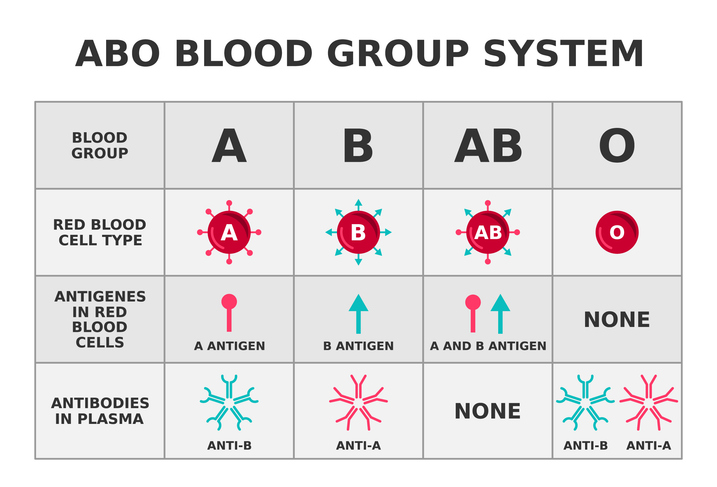
Diagram showing the different blood groups, the antigens on the blood cells and the antibodies in the blood plasma  

If these markers do not match up when receiving a blood transfusion, this life-saving tactic can cause reactions or even end up being fatal.

Most major blood groups were identified early in the 20th century. Many discovered since, like the Er blood system first described by researchers in 2022, only impact a small number of people. This is also the case for the new blood group.

"The work was difficult because the genetic cases are very rare," explains Tilley.

Previous research found more than 99.9 percent of people have the AnWj antigen that was missing from the 1972 patient's blood. This antigen lives on a myelin and lymphocyte protein, leading the researchers to call the newly described system the MAL blood group.

When someone has a mutated version of both copies of their MAL genes, they end up with an AnWj-negative blood type, like the pregnant patient. Tilley and team identified three patients with the rare blood type that didn't have this mutation, suggesting that sometimes blood disorders can also cause the antigen to be suppressed.

"MAL is a very small protein with some interesting properties which made it difficult to identify and meant we needed to pursue multiple lines of investigation to accumulate the proof we needed to establish this blood group system," explains University of the West of England cell biologist Tim Satchwell.

To determine they had the correct gene, after decades of research, the team inserted the normal MAL gene into blood cells that were AnWj-negative. This effectively delivered the AnWj antigen to those cells.

The MAL protein is known to play a vital role in keeping cell membranes stable and aiding in cell transport. What's more, previous research found that the AnWj isn't actually present in newborn babies but appears soon after birth.

Interestingly, all the AnWj-negative patients included in the study shared the same mutation. However, no other cell abnormalities or diseases were found to be associated with this mutation.

Now that the researchers have identified the genetic markers behind the MAL mutation, patients can be tested to see if their negative MAL blood type is inherited or due to suppression, which could be a sign of another underlying medical problem.

These rare blood quirks can have devastating impacts on patients, so the more of them we can understand, the more lives can be saved.

This research was published in Blood.


Labels: , , ,

Thursday, November 28, 2019

Eat this one superfood to fight iron deficiency

As per the data from the year 2017, 50 per cent of Indian women are anemic. Iron deficiency, also called anemia is caused by the lack of iron in your blood. The deficiency can be easily treated by including more iron in your diet or by having iron supplements. But it’s always best to get your vitamins and minerals from your regular diet and not depend on supplements.

What is anemia?
It is a condition where a person has lower than normal number of red blood cells, which reduces the capacity of their blood to carry oxygen. This can lead to several health problems and even death.
Ideal daily iron intake


As per the NHS (National Health Service), adult men need around 8.7 mg of iron every day, while adult women need 14.8 mg. But the value drops to 8.7 mg for women over the age of 50.


This is because women over the age of 50 do not have their periods anymore and thus don’t lose blood in the process.


Symptoms of iron deficiency
- Not feeling energetic
- Shortness of breath
- Palpitations
- Pale skin


Treating anemia can put you at risk of various infections and illnesses. This is because lack of iron hampers your immune system. You are more prone to developing heart and lung complication if you have an iron deficiency.


Fight anemia with this one superfood
There are certain foods that you should avoid and certain foods that you should have in order to boost the iron level of your body.


The superfood
Do you want to take a guess? Kale it is. Kale is often labelled as a superfood because it has a very high nutritional value. According to the NHS kale and other dark green leafy vegetables have a high iron content and can help reverse the iron deficiency in your body.
100 grams of curly kale has 1.5 mg of iron.


Other iron-rich foods
Cereals, lentils, beans, nuts, seeds, dried fruits and grains are some other example of iron-rich foods. In addition to this, meat and liver contain a lot of iron too. Though the NHS advises avoiding having liver when pregnant.


What not to eat when you have an iron deficiency?

If you are diagnosed with low levels of iron cut back on tea, coffee, milk and dairy. You should not eat food that has high levels of phytic acid – such as wholegrain cereals. This is because a large quantity of phytic acid in your body can make it harder for you to absorb iron. 


this is only for your information, kindly take the advice of your doctor for medicines, exercises and so on.     
https://gscrochetdesigns.blogspot.com. one can see my crochet creations  
https://gseasyrecipes.blogspot.com. feel free to view for easy, simple and healthy recipes    
https://kneereplacement-stickclub.blogspot.com. for info on knee replacement


Labels: , , , , , , , , , , , , , ,

Saturday, August 24, 2019

Vitamin B12 deficiency: Complications that may follow with this condition

Also known as cobalamin, vitamin B12 is an extremely essential vitamin. It is important for the production of DNA and red blood cells. Additionally, it helps in effective functioning of your nervous system. Found in foods like eggs, meats, dairy products etc. this water-soluble vitamin can be helpful in keeping you healthy. Deficiency of cobalamin in the body can affect your health in many ways. It is characterized by symptoms like fatigue, weakness, sensation of pins and needles, breathlessness etc. Vitamin B12 deficiency is most commonly found in elderly people. Also, those who have had surgery where their bowel part was removed, people on drug metformin, those following a vegan diet etc. are at increased risk of developing this condition. The main reason for the symptoms you experience due to deficiency of this vitamin is that it causes lack of healthy blood cells in the body. If not taken care of on time, you may go through certain complications. Read on to know about them.

Problem in mobility: Vitamin B12 deficiency can cause damage to your peripheral nerve, that can further cause movement problem.

Anemia: Lack of B12 vitamin is followed by lack in production of DNA required to make red blood cells. And without it, cells won’t be able to divide and will cause megaloblastic anemia.

Mouth ulcer: If you are not eating foods containing enough of cobalamin, you will develop inflammation in your tongue that will further develop in to lesions.

Vision problem: Vitamin B12 deficiency can damage your optic nerves and cause blurred or disturbed vision.

Increased heart beat: Your heart beat may raise to make up with the loss of red blood cells in the body.


THIS IS ONLY FOR INFORMATION, ALWAYS CONSULT YOU PHYSICIAN BEFORE HAVING ANY PARTICULAR FOOD/ MEDICATION/EXERCISE/OTHER REMEDIES.                                    PS- THOSE INTERESTED IN RECIPES ARE FREE TO  VIEW MY BLOG-                                                                                           https://gseasyrecipes.blogspot.com/                                                                                                                                                FOR INFO ABOUT KNEE REPLACEMENT, YOU CAN VIEW MY BLOG-                                                                       https:// kneereplacement-stickclub.blogspot.com/                                                                                                                     FOR CROCHET DESIGNS                                                                                                   
                                https://gscrochetdesigns.blogspot.com


Labels: , , , , , , , , , , ,

Sunday, January 27, 2019

7 Benefits of Kiwano (Horned Melon)

Kiwano melon is an exotic, peculiar-looking fruit from the central and southern regions of Africa.

image.png

It’s formally known as Cucumis metuliferus but informally also goes by horned melonand African horned cucumber.
When ripe, the thick outer skin of a kiwano melon is bright orange and covered in small spiny projections or horns. The inner flesh consists of a gelatinous, lime-green or yellow substance that houses a multitude of edible seeds.
Though kiwano melon isn’t a fruit you’re likely to find in an average fruit basket, including it in your diet may be good for your health.
Here are 7 benefits of kiwano melon and tips on how to eat it.

Kiwano melon boasts an array of vitamins and minerals, many of which play a role in its ability to positively impact health.
A single kiwano melon (209 grams) provides the following nutrients: carbs, Vitamins A, B6, C and E, iron, magnesium, fat, protein, zinc, calcium, potassium and phosphorus in adequate amount.
Kiwano melon is mainly comprised of water and relatively low in calories, carbs, and fat. About 16% of its calories come from protein — which is relatively high compared to other fruits.
This unique nutrient distribution makes kiwano melon suitable for a variety of diet plans.

Kiwano melon is not only nutritious but also offers several potent antioxidants — many of which are nutrients themselves.
Antioxidants are compounds found in certain foods that can protect against cellular damage caused by oxidative stress in your body.
Though oxidative reactions are a normal part of human metabolism, too much oxidative strain can result in inflammation and impaired cellular function over time.
You can minimize this potential damage by providing your body with an adequate supply of  antioxidant-rich foods like kiwano melon.
The main antioxidants in kiwano melon are vitamin C, vitamin A, zinc, and lutein. Together, these nutrients play a role in reducing inflammation and preventing chronic diseases, such as diabetes, heart disease, and certain types of cancer .
Moreover, the edible seeds found within the fruit’s pulp provide vitamin E — another nutrient with antioxidant properties .

Kiwano melon is a good source of iron and provides about 13% of your daily needs.
Red blood cells store an iron-containing substance called hemoglobin, which is used to transport oxygen through your body.
Thus, an adequate supply of dietary iron is necessary for your body to produce enough healthy red blood cells for proper oxygenation .
Plant sources of iron — such as kiwano melon — contain a form of the mineral known as non-heme iron. This form isn’t absorbed as efficiently as iron from animal sources.
However, pairing non-heme iron with vitamin C enhances its absorption rate .
Coincidentally, kiwano melon supplies a significant amount of vitamin C as well. This can improve the absorption of the iron present within the fruit, making it more effective for supporting red blood cell production and oxygen transport.

Kiwano melon has a low glycemic index, meaning it doesn’t cause a significant spike in blood sugar  after you eat it.
Additionally, it’s a rich source of magnesium — a mineral that’s directly involved in the metabolism of glucose (sugar) and insulin.
A small study found that kiwano melon extract significantly reduced blood sugar in diabetic rats but not in animals with normal blood sugar levels .
Ultimately, more research is needed to determine whether kiwano melon affects blood sugar in humans.

Water alone is often thought to be synonymous with hydration. However, electrolytes — such as potassium, magnesium, and sodium — are also necessary for maintaining healthy fluid status.
Kiwano melon is made up of about 88% water and contains carbs and electrolytes — making it useful for increasing hydration.
Snacking on a fruit like kiwano melon on a hot summer day or after vigorous exercise can help keep you fueled and well-hydrated throughout the day.

Kiwano melon contains magnesium and zinc — two minerals that are closely related to mental health and healthy brain function maintenance.
Both magnesium and zinc are involved in producing neurotransmitters that impact mood and are linked to some mood-related disorders, such as depression and anxiety.
One study evaluated the use of magnesium for treating mild depression and anxiety disorders in 126 people. Those who received magnesium reported significant improvements in their symptoms.

Research that focuses specifically on kiwano melon’s effect on health is minimal. However, many of the nutrients it contains are well-known for supporting your body’s systems in other ways:
  • Supports bone health: Kiwano melon provides nutrients that support bone remodeling and maintenance of bone strength, including magnesium, vitamin C, and zinc .
  • Encourages healthy skin: The vitamin C and water in kiwano melon may support collagen production, wound healing, and protection from sun damage .
  • Promotes heart health: Kiwano melon is a rich source of magnesium and potassium. These minerals can reduce inflammation, prevent the accumulation of arterial plaque, and help regulate blood pressure.
  • Strengthens immunity: Kiwano melon also offers multiple nutrients that are vital for a healthy immune system, including vitamin C, zinc, iron, and magnesium.
While kiwano melon contains many important nutrients, no single food holds the key to optimal health.
Consider including kiwano melon alongside other nutrient-dense foods to get the most benefit from your diet.

Upon first glance, a kiwano melon may appear far from edible. In fact, it looks like it’s more likely to be something from outer space than a fruit.
The outer rind is thick and covered with tiny spikes. Before it’s ripe, the fruit is dark green, but as it ripens, it becomes a creamy shade of orange.
Though the rind is edible, most people stick to eating the gooey inner flesh, which is full of seeds. Many eat the seeds, too, as their sheer quantity makes them difficult to remove from the pulp.
If you’re bold enough to eat the rind, make sure you cut off the spikes first.
The flavor of kiwano melon is mild and slightly sweet. It tastes similar to its close relative, the cucumber. When it’s very ripe, you may be able to detect a hint of banana flavor, too.
The simplest way to eat a kiwano melon is to slice it open and spoon the pulp directly from the rind. Some people add a little salt or sugar to enhance its flavor. It may be eaten fresh or cooked.
If you’re feeling creative, you can add the pulp to smoothies or use it to top yogurt, granola, or an ice cream sundae. It also makes for a delicious addition to sauces and dressings.

THIS IS ONLY FOR INFORMATION, ALWAYS CONSULT YOU PHYSICIAN BEFORE HAVING ANY PARTICULAR FOOD/ MEDICATION/EXERCISE/OTHER REMEDIES.                                    PS- THOSE INTERESTED IN RECIPES ARE FREE TO  VIEW MY BLOG-                                                                                           https://gseasyrecipes.blogspot.com/       
                                                                                                                                                                      FOR INFO ABOUT KNEE REPLACEMENT, YOU CAN VIEW MY BLOG-                                                  https:// kneereplacement-stickclub.blogspot.com/           
                                                                         
  FOR CROCHET DESIGNS                                                                                                                                                                                                  https://gscrochetdesigns.blogspot.com 
  

Labels: , , , , , , , , , , , , ,

Wednesday, November 07, 2018

Interesting And Important Facts About Vitamin A

Vitamin A is a blanket term for retinoids, which are biologically active compounds that occur naturally in both plant and animal tissues. The vitamin A that comes from animal sources is fat soluble, and in the form of retinoic acid, it’s retinal and retinol. Since these retinoids are so bioavailable and stored in our tissues, too much animal derived vitamin A can build up in the body and become toxic. Take a look below for 25 more interesting and important facts about vitamin A.
1. The vitamin A that’s found in foods that come from animals is retinol. It’s a yellow, fat soluble vitamin and is the precursor of the most active form of vitamin A used in the body.
2. Vitamin A that’s found in fruits and vegetables is called provitamin A carotenoid and it can be converted into retinol in the body.
3. Vitamin A plays an essential role in healthy vision, normal functioning of the immune system, embryonic development and red blood cells.
4. Since the possible roles of vitamin a in reversing tumor development and boosting immune function, it’s been proposed that retinol might help reduce the risk of cancer.
5. Vitamin A enhances the body’s immunity against infections by increasing the lymphocytic responses against disease causing antigens. It also keeps the mucus membranes moist to ensure better immunity and also enhances the activity of white blood cells.

6. It also prevents germs from entering your body and helps to fight infections once they do gain entry, thereby ensuring a double core protection.
7. Vitamin A enables your eyes to adjust to light changes, keeps them moist, and also improves night vision. It can also prevent many conditions like dry eyes and night blindness by increasing the adaptability of the human eye to both bright light and darkness.
8. Retinol helps in the formation of visual purple in the eyes, which can improve the eyes and ensure a healthy retina.
9. Vitamin A also significantly cuts down the risk of cataracts and macular degeneration, which is commonly associated with aging. It’s also beneficial for people who have glaucoma.
10. It helps keep your body free from free radicals and toxins, which can damage your skin.
11. It helps keep your skin soft and supple by ensuring moisture retention, therefore, preventing dryness, keratinization, and skin conditions like psoriasis.
12. Vitamin A helps in strengthening bones and teeth. It helps in the formation of dentin which is a layer of hard material just below the surface of your teeth.
13. It helps prevent the formation of urinary calculi due to the formation of calcium phosphate.
14. It also helps keep the lining of the urinary tract in shape, which helps reduce the recurring chance of kidney stones.
15. Since it keeps bones healthy and strong, it plays an important role in ensuring proper muscle growth in children and growing teenagers.

16. Vitamin A helps cut down excess sebum production, which reduces the risk of acne and acne related breakouts.
17. It also helps reinforce the protective tissues of the skin, which enhances the overall health and vitality of the skin surface.
18. Vitamin A is essential for proper maintenance of the skin tissues and mucus membranes as it flushes out the toxins from your body nd cleanses the system with its antioxidant properties.
19. It plays a very important role in replacing old and worn out tissues with new ones.
20. It’s become famous as of late for its wrinkle eliminating properties, which can reduce age spots and fine lines.
21. Deficiency of vitamin A can cause measles in children. Intake of foods that are rich in vitamin A helps relieve the fever and diarrhea that’s often caused by measles.
22. The richest animal source of retinols is beef liver. 3 ounces of beef liver provides over 27,000 IU of vitamin A, which is more than an average person needs for a whole day.

23. The best natural sources of carotenoids are fruits and vegetables such as carrots, spinach, kale, butternut squash, cantaloupe, mangoes, pumpkins and sweet potatoes.
24. A deficiency of vitamin A can include a loss of appetite, poor immune function causing frequent infections, hair loss, rashes, dry skin and eyes, visual difficulties, poor growth and fatigue.
25. Apart from people who are malnourished, people with type 1 diabetes are at increased risk of vitamin A deficiencies.

THIS IS ONLY FOR INFORMATION, ALWAYS CONSULT YOU PHYSICIAN BEFORE HAVING ANY PARTICULAR FOOD/ MEDICATION/EXERCISE/OTHER REMEDIES.                                                                                                                                                                                                       PS- THOSE INTERESTED IN RECIPES ARE FREE TO  VIEW MY BLOG-                                                                                           https://gseasyrecipes.blogspot.com/   

FOR INFO ABOUT KNEE REPLACEMENT, YOU CAN VIEW MY BLOG-                                                                                          https:// kneereplacement-stickclub.blogspot.com/                              

FOR CROCHET DESIGNS                                                                                                                                                                                                                                 https://gscrochetdesigns.blogspot.com

Labels: , , , , , , , , , , , , , , ,

Sunday, October 14, 2018

Everything You Ought To Know About Vitamin D

Everyone of us is aware that for normal functioning of our body, we all need various nutrients in proper proportions each day- they're carbohydrates, proteins, fat, minerals and vitamins. In case, there is deficiency of any of these nutrients, then it leads to diseases.One such vitamin is Vitamin B complex of which, there is a crucial vitamin known as Vitamin B12 or scientifically called as Cobalamin.

Vitamin B12 plays a major role by controlling several factors of the human body. These are necessary for the body to run well and stay healthy. Vitamin B12 is a powerhouse. It helps make DNA, nerve and blood cells, and is crucial for a healthy brain and immune system. Your metabolism wouldn't run smoothly without it. But B12 isn't like other vitamins. It's only found in animal products like eggs, meat, shellfish, and dairy. Up to 15% of people don't get enough B12, and they're more likely to be vegetarians, have celiac disease or other digestion problems, or be an adult over 50. The signs of vitamin B12 deficiency include exhaustion, rapid heartbeat, brain fog, and other symptoms, says a nutritionist.

Vitamin B12 occurs naturally in animal products. So if your diet largely consists of plant-based foods such as fruits, veggies, beans, and soy, you're at risk for deficiency. "Vegetarians who consume eggs and dairy should aim to include at least one source a day from both of these food groups," says a nutritionist. Vegans—who by definition consume no animal products—need to take a supplement or consume vitamin B12–fortified foods, such as breakfast cereal and grains. Other foods fortified with B12 include nondairy milks and meat substitutes, but not all are, so check the label first to make sure.

 9 health benefits of vitamin B12, all based on science.

 Vitamin B12 plays a vital role in helping your body produce red blood cells.
Low vitamin B12 levels cause a reduction in red blood cell formation and prevent them from developing properly .
Healthy red blood cells are small and round, whereas they become larger and typically oval in cases of vitamin B12 deficiency.
Due to this larger and irregular shape, the red blood cells are unable to move from the bone marrow into the bloodstream at an appropriate rate, causing megaloblastic anemia .
When you’re anemic, your body doesn’t have enough red blood cells to transport oxygen to your vital organs. This can cause symptoms like fatigue and weakness.

Adequate vitamin B12 levels are crucial to a healthy pregnancy.

Studies show that a fetus’s brain and nervous system require sufficient B12 levels from the mother to develop properly.
Vitamin B12 deficiency in the beginning stages of pregnancy may increase the risk of birth defects, such as neural tube defects. Furthermore, maternal vitamin B12 deficiency may contribute to premature birth or miscarriage.
One study found that women with vitamin B12 levels lower than 250 mg/dL were three times more likely to give birth to a child with birth defects, compared to those with adequate levels .
For women with a vitamin B12 deficiency and levels below 150 mg/dL the risk was five times higher, compared to women with levels above 400 mg/dL .

 3. May Support Bone Health and Prevent Osteoporosis
Maintaining adequate vitamin B12 levels may support your bone health.
One study in more than 2,500 adults showed that people with a vitamin B12 deficiency also had lower than normal bone mineral density.
Bones with decreased mineral density can become delicate and fragile over time, leading to an increased risk of osteoporosis.
Other studies have also shown a link between low vitamin B12 levels and poor bone health and osteoporosis, especially in women .

Macular degeneration is an eye disease that mainly affects your central vision.
Maintaining adequate levels of vitamin B12 may help prevent the risk of age-related macular degeneration.
Researchers believe that supplementing with vitamin B12 may lower homocysteine, a type of amino acid that is found in your bloodstream.
Elevated homocysteine levels have been associated with an increased risk of age-related macular degeneration .
A study involving 5,000 women aged 40 or older concluded that supplementing with vitamin B12, along with folic acid and vitamin B6, may reduce this risk .
The group receiving these supplements for seven years had fewer cases of macular degeneration, compared to the placebo group. The risk of developing any form of the condition was 34% lower, while it was 41% lower for more severe types .
Ultimately, further studies are needed to fully understand vitamin B12’s role in promoting vision health and preventing macular degeneration.

Vitamin B12 may improve your mood.
The effect of vitamin B12 on mood is not yet fully understood. However, this vitamin plays a vital role in synthesizing and metabolizing serotonin, a chemical responsible for regulating mood.
Therefore, vitamin B12 deficiency may lead to decreased serotonin production, which may cause a depressed mood.
Studies support the use of vitamin B12 supplements for improving symptoms of depression in people deficient in this vitamin.
One study in people with depression and low vitamin B12 levels found that those who received both antidepressants and vitamin B12 were more likely to show improved depressive symptoms, compared to those treated with antidepressants alone .
Another study discovered that vitamin B12 deficiency was associated with twice the risk of severe depression .
Additionally, high vitamin B12 levels have been linked to better treatment outcomes and an increased probability of recovery from major depressive disorder (MDD) .
Though vitamin B12 supplements may help improve mood and depression in people with a deficiency, research does not currently suggest that they have the same effect in those with normal B12 levels.

Vitamin B12 deficiency has been associated with memory loss, especially in older adults.
The vitamin may play a role in preventing brain atrophy, which is the loss of neurons in the brain and often associated with memory loss or dementia.
One study in people with early-stage dementia showed that a combination of vitamin B12 and omega 3 fatty acid supplements slowed mental decline .
Another study found that even vitamin B12 levels on the low side of normal can contribute to poor memory performance. As a result, supplementing with this vitamin may improve memory, even in the absence of a clinically diagnosed deficiency .
More research is needed to make sound conclusions on the effect of vitamin B12 supplements on memory and cognitive function.

Vitamin B12 supplements have long been touted as the go-to product for a surge of energy.
All B vitamins play an important role in your body’s energy production, though they don’t necessarily provide energy themselves .
Currently, there is no scientific evidence to suggest that vitamin B12 supplements can boost energy in those with sufficient levels of this vitamin .
Since vitamin B12 is water-soluble, your body cannot store extra amounts. Any excess passes through your body and is eliminated when you urinate .
On the other hand, if you’re significantly deficient in vitamin B12, taking a supplement or increasing your intake will likely improve your energy level .
In fact, one of the most common early signs of vitamin B12 deficiency is fatigue or lack of energy.

High blood levels of the common amino acid homocysteine have been linked to an increased risk of heart disease.
If you’re significantly deficient in vitamin B12, your homocysteine levels become elevated.
Studies have shown that vitamin B12 helps decrease homocysteine levels, which may reduce your risk of heart disease .
However, there is currently no scientific evidence to confirm that vitamin B12 supplements are effective in this regard .
Therefore, further research is needed to understand the relationship between vitamin B12 and heart health.

Given vitamin B12’s role in cell production, adequate levels of this vitamin are needed to promote healthy hair, skin and nails.
In fact, low vitamin B12 levels can cause various dermatologic symptoms, including hyperpigmentation, nail discoloration, hair changes, vitiligo (the loss of skin color in patches) and angular stomatitis (inflamed and cracked mouth corners) .
Supplementing with vitamin B12 has been shown to improve dermatologic symptoms in people with B12 deficiency .
However, if you’re well-nourished and not deficient in this vitamin, taking a supplement is unlikely to improve your skin, nail strength or hair health .

 SIGNS AND CAUSES OF DEFICIENCY
1.Early symptoms include weakness and fatigue
B12 isn't nicknamed the energy vitamin for nothing. Inadequate B12 intake makes a dent in red blood cell production, and some of the earliest signs of a deficiency include feeling dragged, confused, and weak. Problem is, says a nutritionist, these clues are so vague, and not everyone experiences them the same way. And since they can be attributed to so many other possible triggers, most people don't think to be tested. If these symptoms hit and stick around for weeks, it's best to consult your doctor and rule out other causes, she says. Similar tip-offs include dizziness, impaired thinking, and confusion.

2.Heartburn drugs can cause it
Some prescription heartburn drugs suppress the production of, which is needed to absorb vitamin B12. A 2013 study from the backs this up. Researchers found that taking meds called proton pump inhibitors (like Prilosec and Nexium) for more than two years was linked to a 65% higher risk of vitamin B12 deficiency. And two years or more using H2 receptor blocker drugs (such as Pepcid and Zantac) is associated with a 25% boost in deficiency odds. If you take these regularly, talk to your doctor about steps you can take to protect yourself.

3.It can be mistaken for dementia
"Symptoms of a deficiency often mimic those of dementia, such as memory loss, disorientation, and difficulty thinking and reasoning," says the nutritionist. It can be hard distinguishing deficiency from dementia, especially since older folks are at risk for both. And the two conditions often overlap; 75% to 90% of B12 deficient people also have neurological complications such as dementia, says Moon. But even when a B12 shortage strikes younger people, it still typically resembles dementia. Experts aren't exactly sure of the relationship between the two, but patients with unexplained cognitive decline should be tested for B12 deficiency, suggests a Dr..

4. Taking birth control pills sets you up for it
"Women who have been on oral contraceptives for extended periods of time tend to have issues absorbing vitamin B12," says the nutritionist. "Studies show that pills that are higher in estrogen are more strongly associated with B12 and folate (folic acid, or vitamin B6) deficiencies, leading to the assumption that the estrogen in the pill is the reason for this impaired absorption." If you're on the pill, talk to your doctor about the risks, and if you should take B12 supplements as a backup.


5.The best sources are meat and fish
Beef liver and clams are top in B 12, according to the experts. If you're not a fan of either, plenty of good options abound. Beef, turkey, oysters, chicken, trout, and salmon are B12 superstars; a serving of each delivers close to or more than 100% of your RDA (2.4 mcg for men and women over 14, going up to 2.6 and 2.8 for pregnant and breastfeeding women respectively, says Moon). Eggs (0.6 mcg per egg, 10% of daily value) and milk (1.2 mcg per cup of low-fat, 18% of daily value) are also solid sources.

6.Fortified foods and supplements can help

7.Heavy drinking increases your odds
More than a few drinks on average each day can cause gastritis, or irritation of the stomach lining, and this can lead to low stomach acid and reduced B12 absorption, says a nutritionist. Alcohol plays a role in deficiency in another way too. B12 is stored in the liver, and  can impair liver function and deplete B12 stores or make it harder for the liver to use it

8.It can trigger a false positive on a Pap test
There's a specific type of anemia that's triggered by a B12 deficiency. Called pernicious (which means "dangerous," because it was potentially life-threatening in the past) anemia, it is a red blood cell deficiency that happens when the stomach doesn't make enough of a protein called intrinsic factor, which helps the intestine absorb B12, says a Dr . Pernicious anemia can be the result of an autoimmune issue, a problem with the stomach lining, or even a congenital condition passed down through families. Treatment usually involves B12 shots, possibly combined with supplements.

10. It can be hard to recognize a deficiency
"Because the body can store B12 for three to five years, early symptoms of a deficiency usually appear gradually, so you're unlikely to notice them," says the nutritionist. After initial clues like fatigue, weakness, and brain fog set in, says the nutritionist, more advanced tip-offs show up, such as numbness and tingling of the limbs, depression, and paranoia, even hallucinations. The signs are so varied and they don't strike everyone, so it's tough to diagnose even at a later stage. "Which symptoms hit when depends also on what caused the deficiency—mal-absorption, which could mean they are absorbing some B12 and the deficiency is occurring more slowly, or total lack of animal products, which would likely cause the deficiency to develop more quickly," says the nutritionist.

11. A blood test is the only way to confirm it 
The CDC defines vitamin B12 deficiency as blood levels below 200 pg/mL (picograms/milliliter), says a Dr.. "Blood tests are generally accurate, but a false positive is possible related to certain cancers, oral contraceptives, folate (folic acid) deficiency, and pregnancy," she says. "False negatives are also possible, as sometimes seen in people with liver disease, poorly functioning kidneys, or certain blood cell disorders." Your GP or primary care physician can take care of testing you.       

12. It's linked to immune system issues
"B12 plays an important role in white blood cell production, and white blood cells are essential for proper immune system functioning," says a Dr. Not only can a lack of B12 lower your immunity, some immune system disorders can increase your likelihood of becoming deficient. Grave's disease, for example, an autoimmune condition of the thyroid causing hyperthyroidism, is a risk factor for developing pernicious anemia, which in turn leads to B12 deficiency.                   

13. Digestive problems can cause it

People who deal with GI issues are at a higher risk of a B12 shortage because digestive problems can make absorbing the nutrient more difficult, says the nutritionist. "Those with gut issues, such as colitis, Crohn's disease, inflammatory bowel disease, and leaky gut syndrome are at a higher risk," she says. Celiac disease sufferers can also have problems with absorption. If you have any of these, talk to your doctor about supplements or B12 shots, since all the B12-rich food in the world won't help your body shore up its reserves if it can't be absorbed by the GI tract.

14. It can happen after weight loss surgery
"Some surgeries that affect the GI tract, like gastric bypass surgery, make it hard to absorb B12," says the Dr. One reason has to do with the decrease in the body's ability to digest food; it's also caused by iffy levels of intrinsic factor, a protein that helps the body absorb B12. The absorption problem could be a permanent one, and people who undergo gastric bypass may need to take vitamin B12 supplements for the rest of their life or risk a shortage.

15. It can cause tingling, weakness, and balance issues
Paleness; mouth sores; a red, swollen, beefy tongue—these are some of the visible signs of a B12 shortage. Caused by deficiency-related changes in blood flow, these signs can show up years after the depletion sets in, says the nutritionist. A rapid heartbeat or heart palpitations is another blood flow-related sign, and sometimes bruising easily is also a result of a longstanding deficiency. But these seemingly unrelated signs don't show in all B12 deficient people, or they come on so slowly, it's hard to notice them, she says .

18. It might cause permanent damage


Labels: , , , , , , , , , , , , ,