Wednesday, December 22, 2021

Is it safe to have kadha during summer?

Is it safe to have kadha during summer?

Kadha has been one of the most consumed concoctions in the past one year to boost immunity. While everyone has a different recipe for kadha, they are said to work wonders in keeping the immunity in good shape.

Not just this, kadha is every mother's go-to recipe to beat cough and cold during the winter season. But what about summer? The ingredients used in making kadha are warm in nature, so is it safe to have kadha even during the scorching heat? Let's find out.

What exactly is kadha?
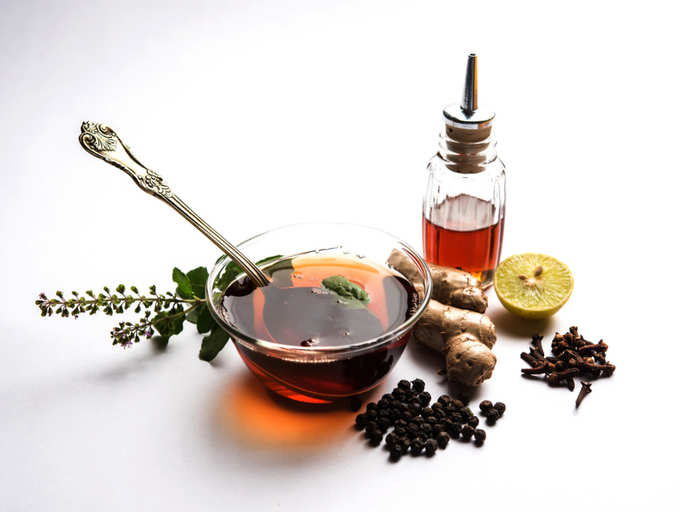
Kadha is an Ayurvedic remedy that has various health benefits. It's made by boiling edible medicinal plants like giloy, guduchi, mulethi, laung, tulsi and spices like cinnamon, ginger and more.

The drink helps in fighting seasonal infections and flu. It's extremely beneficial for people suffering from arthritis, headaches, asthma, urinary tract infection, bronchitis and hepatic disorders.

How can kadha help during the COVID-19 pandemic?
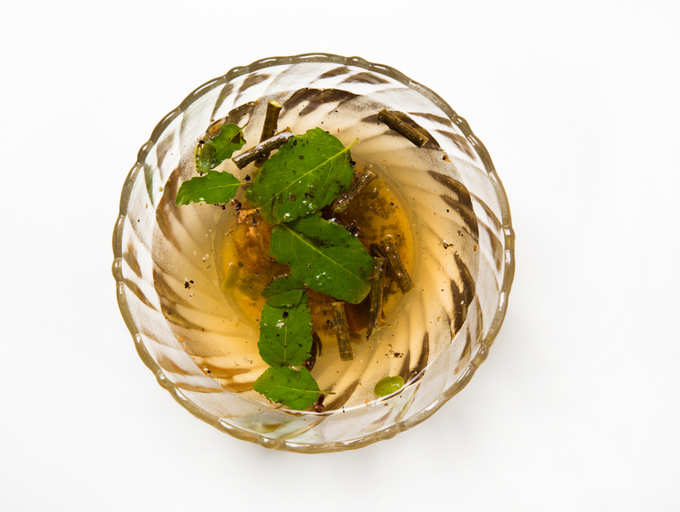
As per experts, kadha is one of the best remedies to boost your immunity and thus keep coronavirus away. Since it's a decoction of herbs and spices, it's loaded with antioxidants that help in boosting immunity. There are various reports that claim coronavirus is affecting those with compromised immunity, which makes kadha a healthy choice during these tough times. However, overdoing it can have its own repurcussions on the body.

Is it safe to have kadha during summer?
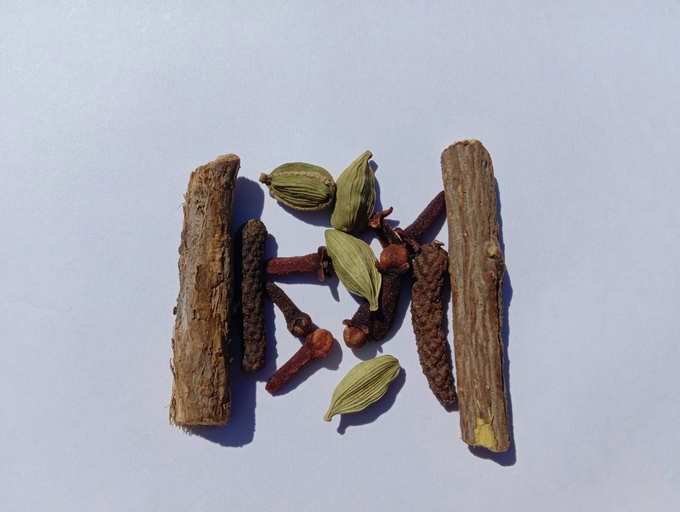
Since all the ingredients used in kadha are warm in nature, thus a common question that arises is, should kadha be consumed during summer?

Kadha is a healthy drink and should be had during the cold and dry season. If someone is consuming kadha in excess during the summer season, it can lead to various health issues like acidity, high blood pressure, anxiety, nose bleeding, heartburn and nausea etc.

The thermogenic nature of common kadha ingredients can make one suffer from all the problems. The heating up can have worse effects due to the already existing summer conditions.

But it doesn't mean you cannot consume kadha during summer.

​Here is the right way to safely consume kadha

- Have kadha an hour after you wake up or in the evening between 4 pm and 5 pm.

- Do not have kadha empty stomach as the ingredients present in it can lead to acidity. You can consume it after breakfast.

- Do not consume more than 150 ml of kadha in one go. Consuming too much at a time can make you feel nauseous and acidic.

- Limit the number of warm ingredients like black pepper and ginger in your kadha.

- Add honey to your kadha as it helps neutralise acidity and heartburn

- If you are a diabetic, avoiding using too much honey or mulethi in kadha.


This is only for your information, kindly take the advice of your doctor for medicines, exercises and so on.   

https://gscrochetdesigns.blogspot.com. one can see my crochet creations  
https://gseasyrecipes.blogspot.com. feel free to view for easy, simple and healthy recipes    
https://kneereplacement-stickclub.blogspot.com. for info on knee replacement


Labels: , , , , , , , , , , , , , , , ,

Saturday, June 26, 2021

13 Incredible Health Benefits of Cabbage

Did you know that the common and inexpensive cabbage is practically a miracle-worker? When I first found out, I was quite surprised, but in fact, cabbage can prevent or cure a whole range of conditions, such as stomach ulcers, Alzheimer’s disease, eczema, jaundice, gout, and arthritis. Read on to find out about the top 13 health benefits that cabbage has to offer:

1. It's a Great Source of Vitamin C

You might find it a bit surprising, but cabbage actually contains more Vitamin C than oranges do, which are traditionally assumed to be the best natural source. Vitamin C is essential if you want to age gracefully or maintain a powerful immune system, and it can even reduce the effects of Alzheimer’s disease and other degenerative neural diseases. 
 
2. It's Rich in Sulfur 
Sulfur is a highly useful nutrient because it is used to fight infections, and a deficiency can increase the time wounds take to heal, and also put you at a much higher risk of contracting a microbial infection. Luckily, all you need to do is to add a little cabbage to your daily diet to prevent this from ever happening. 
 
 3. It's a Fantastic Source of Roughage 
Cabbage is a brilliant source of fiber, which helps the body retain water, and also maintains the bulkiness of food as it's being digested. As a result, cabbage is the perfect natural remedy for many digestion-related conditions, such as constipation. 
 
4. It Can Help Prevent Cancer 
Cabbage contains a good amount of anti-cancer compounds, such as sinigrin, sulforaphane, and lupeol, that are known to inhibit the growth of dangerous tumors. In one Chinese study performed on breast cancer patients, cruciferous vegetables like cabbage were shown to provide the patients with a significant improvement. 
 
5. It's Loaded with Anti-Inflammatory Properties  
Cabbage tends to accumulate a build-up of cadmium-binding complexes within its leaves, and one of its primary components is glutamine, which is a powerful anti-inflammatory agent. Consequently, consuming cabbage can reduce the effects of many kinds of inflammation, fever, joint pain, allergies, skin irritation, and quite a few other skin disorders. 
 
6. It Can Help You Lose Weight 
Cabbage is the perfect ingredient for someone who wants to lose weight healthily. It's packed with many essential nutrients, vitamins, and minerals, and its high levels of fiber makes it quite filling. The best part is that there are only 33 calories in a single cup of cooked cabbage! 
 
7. It Keeps Your Brain Healthy 
  The presence of anthocyanins and vitamin K within cabbage can provide a strong boost to concentration levels and overall mental functioning. Red cabbage contains even higher levels of these important brain-fueling components, and that is why it's recommended for sufferers of dementia and neural degeneration. 
 
8. It Regulates Your Blood Pressure 
The potassium found within cabbage can help you to lower your blood pressure, thereby decreasing the risk of strokes and heart attacks. This is because potassium acts as a vasodilator, which means that it opens up the blood vessels and eases the blood flow. 
 
9. It Promotes Good Eye Health  
As a rich source of beta-carotene, cabbage is able to delay the formation of cataracts, prevent macular degeneration and generally promote good eye health. What's more, beta-carotene can also reduce your chances of contracting prostate cancer. 
 
10. It Prevents Premature Aging  
The many antioxidants that cabbage contains play a huge role in your body's response to the aging process, since they help to eliminate free radicals. These free radicals have been found to be the underlying cause of skin discoloration, age spots, and wrinkles. 
 
11. It Strengthens the Bones 
Cruciferous vegetables, such as cabbage, are great sources of potassium, magnesium, and calcium. Providing your body with these 3 essential minerals will help keep your bones stronger, and can help prevent the onset of osteoporosis.
 
12. It Eases Muscle Aches  
When certain kinds of bacteria are allowed to ferment cabbage's sugars, such as during the preparation of sauerkraut, lactic acid ends up being released. This is good because lactic acid has been proven to effectively reduce muscle aches and soreness. 
 
13. It Can Help Detoxify Your Body 
By getting rid of free radicals and uric acid, cabbage can help to prevent gout, rheumatism, renal calculi, arthritis, skin diseases, and eczema. This detoxifying effect is due to the high amount of sulfur and Vitamin C that cabbage contains.


This is only for your information, kindly take the advice of your doctor for medicines, exercises and so on.   

https://gscrochetdesigns.blogspot.com. one can see my crochet creations  
https://gseasyrecipes.blogspot.com. feel free to view for easy, simple and healthy recipes    
https://kneereplacement-stickclub.blogspot.com. for info on knee replacement


Labels: , , , , , , , , , , , , ,