Saturday, June 26, 2021

13 Incredible Health Benefits of Cabbage

Did you know that the common and inexpensive cabbage is practically a miracle-worker? When I first found out, I was quite surprised, but in fact, cabbage can prevent or cure a whole range of conditions, such as stomach ulcers, Alzheimer’s disease, eczema, jaundice, gout, and arthritis. Read on to find out about the top 13 health benefits that cabbage has to offer:

1. It's a Great Source of Vitamin C
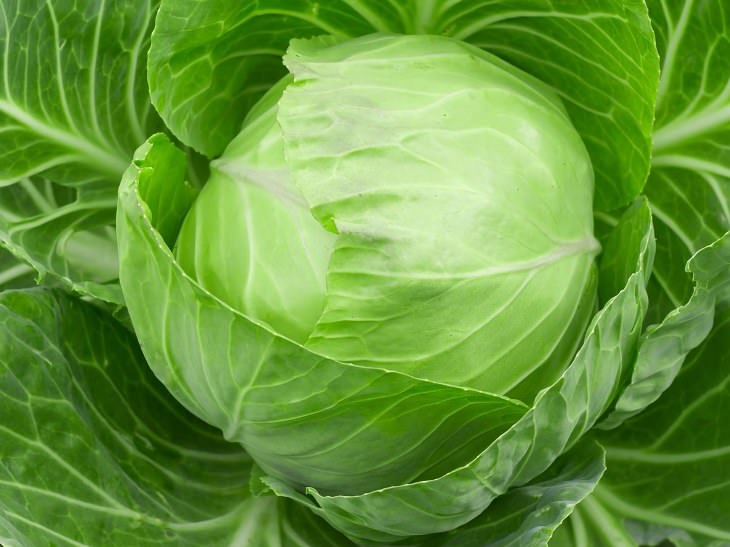
You might find it a bit surprising, but cabbage actually contains more Vitamin C than oranges do, which are traditionally assumed to be the best natural source. Vitamin C is essential if you want to age gracefully or maintain a powerful immune system, and it can even reduce the effects of Alzheimer’s disease and other degenerative neural diseases. 
 
2. It's Rich in Sulfur 
Sulfur is a highly useful nutrient because it is used to fight infections, and a deficiency can increase the time wounds take to heal, and also put you at a much higher risk of contracting a microbial infection. Luckily, all you need to do is to add a little cabbage to your daily diet to prevent this from ever happening. 
 
 3. It's a Fantastic Source of Roughage 
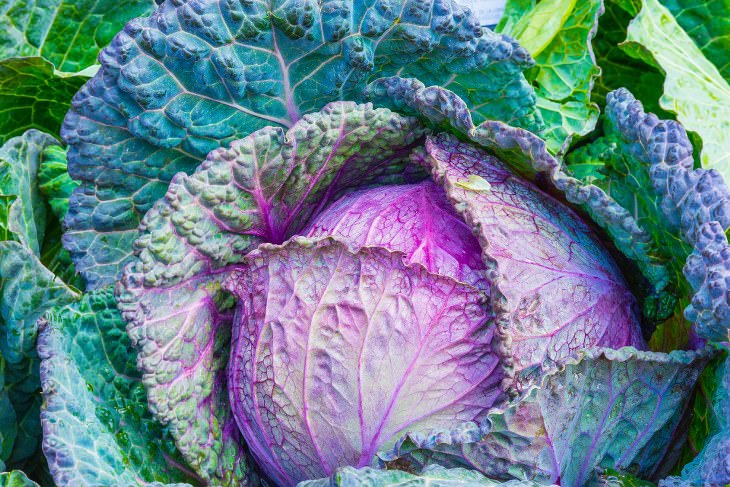
Cabbage is a brilliant source of fiber, which helps the body retain water, and also maintains the bulkiness of food as it's being digested. As a result, cabbage is the perfect natural remedy for many digestion-related conditions, such as constipation. 
 
4. It Can Help Prevent Cancer 
Cabbage contains a good amount of anti-cancer compounds, such as sinigrin, sulforaphane, and lupeol, that are known to inhibit the growth of dangerous tumors. In one Chinese study performed on breast cancer patients, cruciferous vegetables like cabbage were shown to provide the patients with a significant improvement. 
 
5. It's Loaded with Anti-Inflammatory Properties  
Cabbage tends to accumulate a build-up of cadmium-binding complexes within its leaves, and one of its primary components is glutamine, which is a powerful anti-inflammatory agent. Consequently, consuming cabbage can reduce the effects of many kinds of inflammation, fever, joint pain, allergies, skin irritation, and quite a few other skin disorders. 
 
6. It Can Help You Lose Weight 
Cabbage is the perfect ingredient for someone who wants to lose weight healthily. It's packed with many essential nutrients, vitamins, and minerals, and its high levels of fiber makes it quite filling. The best part is that there are only 33 calories in a single cup of cooked cabbage! 
 
7. It Keeps Your Brain Healthy 
  The presence of anthocyanins and vitamin K within cabbage can provide a strong boost to concentration levels and overall mental functioning. Red cabbage contains even higher levels of these important brain-fueling components, and that is why it's recommended for sufferers of dementia and neural degeneration. 
 
8. It Regulates Your Blood Pressure 
The potassium found within cabbage can help you to lower your blood pressure, thereby decreasing the risk of strokes and heart attacks. This is because potassium acts as a vasodilator, which means that it opens up the blood vessels and eases the blood flow. 
 
9. It Promotes Good Eye Health  
As a rich source of beta-carotene, cabbage is able to delay the formation of cataracts, prevent macular degeneration and generally promote good eye health. What's more, beta-carotene can also reduce your chances of contracting prostate cancer. 
 
10. It Prevents Premature Aging  
The many antioxidants that cabbage contains play a huge role in your body's response to the aging process, since they help to eliminate free radicals. These free radicals have been found to be the underlying cause of skin discoloration, age spots, and wrinkles. 
 
11. It Strengthens the Bones 
Cruciferous vegetables, such as cabbage, are great sources of potassium, magnesium, and calcium. Providing your body with these 3 essential minerals will help keep your bones stronger, and can help prevent the onset of osteoporosis.
 
12. It Eases Muscle Aches  
When certain kinds of bacteria are allowed to ferment cabbage's sugars, such as during the preparation of sauerkraut, lactic acid ends up being released. This is good because lactic acid has been proven to effectively reduce muscle aches and soreness. 
 
13. It Can Help Detoxify Your Body 
By getting rid of free radicals and uric acid, cabbage can help to prevent gout, rheumatism, renal calculi, arthritis, skin diseases, and eczema. This detoxifying effect is due to the high amount of sulfur and Vitamin C that cabbage contains.


This is only for your information, kindly take the advice of your doctor for medicines, exercises and so on.   

https://gscrochetdesigns.blogspot.com. one can see my crochet creations  
https://gseasyrecipes.blogspot.com. feel free to view for easy, simple and healthy recipes    
https://kneereplacement-stickclub.blogspot.com. for info on knee replacement


Labels: , , , , , , , , , , , , ,

Monday, March 01, 2021

Why Getting Enough Vitamin B6 Is Crucial & How to Get Enough of It

Vitamin B6, or pyridoxine, is one of the essential vitamins all people need to stay alive and healthy. Moreover, meeting one’s daily needs of this vitamin was suggested to prevent and treat chronic diseases. The human body cannot produce this vitamin on its own, so we must rely on foods like peanuts, spinach, and chicken to meet our daily dose of pyridoxine.

It’s crucial to eat foods rich in this vitamin on a daily basis because vitamin B6 is water-soluble, which means that it’s flushed out of the body through urine and sweat every day. In this post, we explain how vitamin B6 benefits your health, who is at risk of developing a deficiency, and how to make sure that you’re getting enough pyridoxine. 
 
How vitamin B6 benefits the body 
1. Essential for the brain and prevents dementia
Vitamin B6 is essential for the synthesis of several neurotransmitters, including serotonin, dopamine, melatonin, and noradrenaline. Without these chemicals, our brain cannot regulate such important functions as sleep, mood, and our stress response. 
 
But this isn't all. Early research suggests that Vitamin B6 could also help prevent or slow down the development of Alzheimer’s disease. It turns out that B6 can reduce the levels of homocysteine in the blood, which is a blood marker that raises one’s risk of several health conditions, including neurological issues like Alzheimer’s. 
 
In adult patients with mild cognitive issues, for example, taking a B6, B12, and B9 in high doses managed to reduce the decline in a number of brain regions susceptible to Alzheimer’s. Therefore, maintaining adequate levels of vitamin B6 and other B vitamins could prevent cognitive decline.
 
2. Prevents anemia and keeps your immune system in check
Vitamin B6 plays a key role in the production of blood cells. The vitamin is involved in the synthesis of hemoglobin, the oxygen-carrying protein present in the red blood cells. When the levels of red blood cells or hemoglobin are low, a person develops anemia. 
 
Therefore, vitamin B6 can be effective at preventing and treating anemia in patients with low levels of this vitamin. In one case study, treatment with vitamin B6 helped a 72-year-old woman with anemia that was linked to low pyridoxine levels recover from the condition. In addition to red blood cells, vitamin B6 is involved in the functioning of key immune cells called lymphocytes that help fight off infections. 
 
According to a study from the European Journal of Clinical Nutrition, vitamin B6 can improve the immune response in critically ill patients after just 14 days of supplementation. 
 
3. Reduces the risk of heart disease
Remember the pesky homocysteine that shows up in the blood and wreaks havoc in the brain? Unfortunately, the brain is not the only organ it can damage. Homocysteine also increases one’s risk of heart attacks, strokes, cardiovascular issues, and atherosclerosis, so it’s important to make sure that one’s homocysteine levels remain low. A combination of vitamin B6, B12, and folic acid can achieve that goal. 
 
Overall, research shows that people deficient in vitamin B6 are almost twice as likely to suffer from heart disease as those with adequate levels of the vitamin. This suggests that consuming enough Vitamin B6 can help prevent heart disease and protects you from cardiovascular issues. 
 
4. Helps reduce arthritis symptoms
Vitamin B6 hand pain
Rheumatoid arthritis increases the levels of inflammation in the body astronomically. According to medical research, these high inflammation levels can reduce the concentration of vitamin B6 in the body. This is why researchers have suggested that increasing one’s intake of B6, be it through diet or supplementation, could reduce the symptoms of the condition. 
 
One medical article involving 43 adults with rheumatoid arthritis provides some early evidence for this. In the study, patients either took 5 mg of folic acid alone or combined the folic acid with 100 mg of vitamin B6. After 3 months of daily supplementation, the levels of inflammation in the group that took both folic acid and B6 were significantly lower.

5. Protects you from depression and improves your mood
Vitamin B6 happy couple gifting flowers
As we’ve already mentioned, vitamin B6 is crucial for the production of neurotransmitters such as dopamine and serotonin. If you recognize these two, you’ll likely already know that they are both often referred to as “the happiness hormones” because of their role in reward regulation and mood control. Therefore, you must keep your vitamin B6 levels in check to maintain your emotional health. 
 
In addition to regulating your mood, however, these neurotransmitters are also essential for preventing depression and other mental health conditions. Likewise, several studies provide evidence that insufficient intake and low blood levels of B6 can produce depressive symptoms, especially in seniors. A study that involved 250 seniors suggests, for example, that a B6 deficiency doubles the risk of developing depression. Therefore, the vitamin may have a protective effect against depression. 
 
6. Prevents vision loss
Interestingly, vitamin B6 can also help prevent vision loss, especially in older adults. The vitamin in combination with B12 and folic acid was shown to reduce the risk of age-related macular degeneration (AMD) in a big study spanning over 7 years. Taking this combination of vitamins reduced participant’s risk of AMD by 35–40%. 
 
Also, maintaining healthy levels of B6 can help protect you from retinal disorders, according to another study. So, if you wish to protect your eyesight, definitely consider paying close attention to your B6 intake.

7. Lowers the risk of cancer
Although researchers aren’t sure how vitamin B6 can decrease the risk of cancer, studies show that an adequate intake of vitamin B6 can lower one’s risk of colorectal cancer by as much as 50%. The risk of developing breast cancer in those with normal levels of the vitamin is also much lower, especially in postmenopausal women. 
 
In general, research confirms that B6 is beneficial for women - it’s capable of reducing PMS symptoms and morning sickness in pregnant women, too. Medical researchers suggest that these positive effects may be related to B6’s anti-inflammatory properties. 
 
How much vitamin B6 is enough? 
 
Maintaining adequate vitamin B6 levels is important at any age, but the amount of the vitamin you should consume will vary depending on your gender and age. Here are the recommended daily doses for adults according to the National Institute of Health: 
 
Adults 50 or younger: 1.3 mg 
 
Males over 50: 1.7 mg 
 
Females over 50: 1.5 mg 
 
Pregnant women: 1.9 mg 
 
Breastfeeding women: 2 mg. 
 
It needs to be pointed out that the majority of people get enough vitamin B6 from their diet, but some people are more likely to develop a B6 deficiency than others. Seniors, pregnant women, people with certain underlying conditions, those who are overweight, as well as heavy drinkers and smokers are more likely to develop a vitamin B6 deficiency.
Vitamin B6 foods rich in B6
Those who are deficient in vitamin B6 will often experience the following symptoms: Mood changes Tingling in the hands and feet You catch colds and respiratory infections more easily Skin rashes Sore and cracked corners of the lips A glossy tongue Seizures. Your doctor will be able to diagnose a possible vitamin B6 deficiency through a blood test and advise you on whether or not you need to take a B supplement. But overall, a healthy diet is the best source of vitamin B6. 
 
Here’s a list of foods rich in vitamin B6. 
 
Canned chickpeas - 1.1 mg in 1 cup 
 
Peanuts - 0.7 mg in 1 cup 
 
Salmon - 0.6 mg in 1 serving (85 mg; 3 oz) 
 
Potatoes - 0.4 mg in 1 cup 
 
Banana - 0.4 mg in 1 medium-sized fruit 
 
Chicken - 0.2 mg in 1 serving (100 g; 3.5 oz) 
 
Low-fat cottage cheese - 0.2 mg in 1 cup 
 
Soybeans - 0.2 mg in 1 cup 
 
Oatmeal - 0.1 mg in 1 cup 
 
Spinach - 0.1 mg in 1 cup 
 
Watermelon - 0.1 mg in 1 cup 
 
Orange - 0.1 mg in 1 medium-sized fruit. 
 
As you can see, a wide variety of both plant-based and animal-derived foods contain plenty of vitamin B6. Some foods, such as breakfast cereals, are also fortified with B6. We hope this information will help you maintain a healthy diet.


This is only for your information, kindly take the advice of your doctor for medicines, exercises and so on.     

https://gscrochetdesigns.blogspot.com. one can see my crochet creations  
https://gseasyrecipes.blogspot.com. feel free to view for easy, simple and healthy recipes    
https://kneereplacement-stickclub.blogspot.com. for info on knee replacement

Labels: , , , , , , , , , ,

Saturday, November 23, 2019

These Foods Will Keep Your Vision as Sharp as a Hawk's


Our eyesight tends to weaken as we age, with symptoms usually varying from blurry vision to frequent headaches and watery eyes. Though it may not always be the case, factors like genetics, aging, excessive strain on the eyes and even poor nutrition are usually the contributing factors. And while weak eyesight may be corrected with prescription glasses, lenses or even surgery, consuming foods rich in the nutrients lutein and zeaxanthin (both of which can reduce the risk of chronic eye diseases) as well as a diet rich in vitamins C and E, beta-Carotene and Omega-3 fatty acids, may also help prevent age-related eye diseases.

FACT! According to the American Optometric Association, more than 25 million people worldwide are affected by age-related macular degeneration and cataracts - the leading cause of blindness in people over age 55.


Here are 10 of your best sources:

1. Start your day off with an Egg

For a beneficial breakfast, protein-packed eggs are a great way to get you started each morning. While boosting your energy, eggs also provide nutrients such as lutein, vitamin E and Omega-3 - all essential for improved eyesight. Opt for a high quality, free-range brand to stock up on more nutrients.

2. Squeeze an Orange each morning
Oranges making it to this list, should come as no surprise - they are, after all, renowned to be a great source of vitamin C, which has been found to improve eye tissue health. In the eye, vitamin C may also help to regenerate other important antioxidants, such as vitamin E.

 3. Have a daily helping of Dried Fruits
The health benefits of dried fruits are plenty - they are high in fiber and vitamins and help speed up the digestive process, enabling the body to get rid of toxins. Almonds are especially good for improving vision due to their rich omega-3 fatty acid, vitamin E and antioxidant content. For an added bonus, almonds also help enhance memory and concentration. To help strengthen your eyesight, soak 6 to 10 almonds along with a helping of 15 raisins and 2 figs overnight in a bowl of water. Eat this daily for a couple of months.

4. Add a couple of Berries into the mix
Besides bursting with tangy flavors, berries' health benefits are bountiful. They are packed with antioxidants and contain a component called rhodopsin which helps accelerate cellular regeneration - vital for maintaining healthy eyes. Alongside your dried fruits, include a helping of organic berries, like blackberries, cranberries and blueberries to help fortify the blood vessels and improve blood circulation, throughout your body, including your eyes. The berries will also help keep swelling and irritation of eyes at bay, enhancing your vision.

5. Drink up and have a Spinach and Parsley Smoothie
Both spinach and parsley offer a wealth of health benefits - even more so, when combined. Spinach is not only rich in vitamins A, B, C, E and minerals like iron and zinc - it also contains lutein and zeaxanthin, two vital compounds that help keep eyes healthy. Consuming spinach on a daily basis will also help prevent disorders like macular degeneration (a visual impairment usually found in older adults) and cataract (a clouding of the lens that affects vision). It also helps keep the corneas healthy.

Parsley, particularly when juiced, is also an effective natural remedy for eye care and is often used as a herbal remedy to relieve the eyes of problems such as corneal ulcers, cataracts, weak eyes, conjuctivitis, and sluggishness of the pupils. To make the smoothie, just combine a handful of both ingredients and blend. You can add an apple or a banana to the mix for some added flavor.

6. Stock up on Carrots
Aside from being a wholesome vegetable, carrots are packed with beta-Carotene, which later transforms into vitamin A in the body. Vitamin A is responsible for strengthening the eyes and protecting them from night blindness. While carrots can be used in many ways, you can get most of their benefits by juicing them. And for added benefits, add gooseberries to the mix, which are also a rich source of vitamin A and antioxidants.

7. Drink water from a Copper jug
Copper lends innumerable healing properties to the body. It contains antioxidants and is a vital component of the natural dark pigment, melanin, which imparts coloration to the skin, hair and eyes. Copper protects against the graying of hair and maintains the color of your eyes into old age. To reap the health benefits of copper, store one liter of water in a copper vessel overnight and drink it the next morning.

8. Eat more Kale
Kale is rich in cancer-fighting antioxidants and vitamins - a good enough reason to eat more! But, it is also a good source of beta-Carotene and contains both lutein and zeaxanthin - in fact, just one cup of kale contains 23.8mg of both compounds. Kale can be juiced, or added to fruit smoothies, it can also be used in a salad or a side dish. Kale chips are especially tasty and really easy to make. Just drizzle with olive oil and sprinkle with seasoning salt, then bake them in the oven until the edges are brown (but not burnt).

9. And why not grill some Corn
Who doesn't love corn? Besides its great taste, corn is a fantastic source of lutein and zeaxanthin. According to the Journal of Agricultural Food and Chemistry, cooking corn for a longer period of time increases the amount of lutein and the antioxidant level per serving. You can add it to soups and casseroles or eat it as a side-dish, on the cob, cooked in its traditional way.

10. Broccoli works wonders too
Besides being rich in fiber, broccoli is especially high in vitamin C, which also contains-eye boosting beta-Carotene, as well as the compounds lutein and zeaxanthin. Eating broccoli will also help keep eye fatigue, soreness and blurred vision at bay, reducing stress on the eyes and thus allowing them to perform better for a longer period of time. Broccoli can be prepared in a number of ways - it can be baked, grilled, sautéed or eaten raw - no matter the method you choose, it's delicious either way.

this is only for your information, kindly take the advice of your doctor for medicines, exercises and so on.     
https://gscrochetdesigns.blogspot.com. one can see my crochet creations  
https://gseasyrecipes.blogspot.com. feel free to view for easy, simple and healthy recipes    
https://kneereplacement-stickclub.blogspot.com. for info on knee replacement


Labels: , , , , , , , , , , , , , , ,