Friday, January 15, 2021

The 1200-calorie diet plan: What you can eat and does it really work?

The 1200-calorie diet plan: What you can eat and does it really work?

Creating a calorie deficit is the first step towards losing weight. For the unversed, creating a calorie deficit means eating fewer calories than what you can burn in a day. The 1200 calorie diet, as the name explains is a calorie-restrictive diet, which promises to make you lose weight quickly. While following the diet plan, you are not supposed to eat much but just three meals per day with one snack.

The diet plan is safe but it definitely affects your energy levels. Maintaining energy with less amount of food might be stressful and tough for many. So, if you are trying to follow the diet, do it only for a restrictive period of time.

​Here are five tips to follow the diet plan

1. Reduce your salt intake. Avoid eating sandwiches, pizza, bread, canned food and poultry products.

2. Do not forget to include protein in your diet. And make sure to not consume more than 15-20 grams of carbohydrates in your snacks. Replace your meetha with fruits and salty snacks like chips with whole-grain bars.

3. Include a lot of vegetables, fruits and whole grains in your daily diet. Try to eat high fibre carbs instead of simple carbs.

4. Do not consume full-fat dairy, choose plant-based options like olive oil and nuts. Eat fish instead of red meat.

5. Include vitamins, minerals and other nutrients in your diet. Consume nuts, beans, olive oil, whole grains and lean protein.

Here is all what you can eat on a 1200 calorie diet

readmore

Breakfast

2 large eggs

1 cup oatmeal

2 slices of whole-grain bread

1/2 cup of blueberries

1/2 cup fresh pineapple

1 cup fat-free cottage cheese

Lunch options
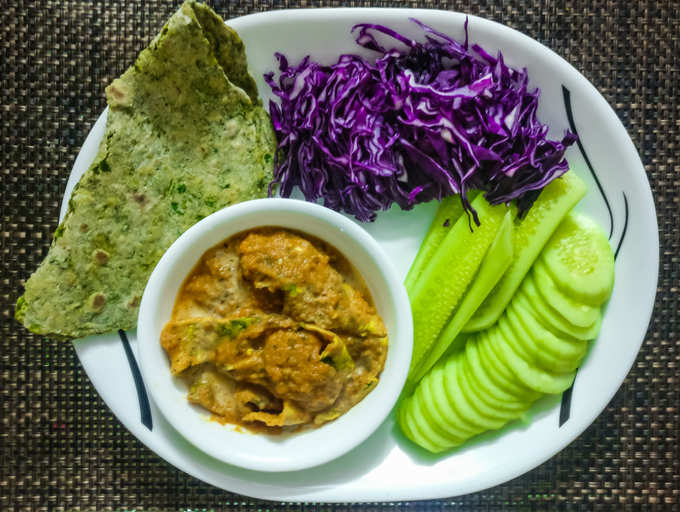
1 cup skimmed milk

2 slices of whole-grain bread

1 medium peach

3 oz grilled chicken

Avocado and shredded lettuce

Dinner options

1/2 cup whole wheat pasta

2 cups spring lettuce

1/2 cup of brown rice

1 cup broccoli

1 medium baked potato

1 cup green beans

4 oz grilled chicken

Snack option

1 medium-size apple

1 cup skim milk

Plain Greek yoghurt

1/2 cup strawberries

1/4 cup mixed nuts

2 tablespoon dried cranberries

This is only for your information, kindly take the advice of your doctor for medicines, exercises and so on.     

https://gscrochetdesigns.blogspot.com. one can see my crochet creations  
https://gseasyrecipes.blogspot.com. feel free to view for easy, simple and healthy recipes    
https://kneereplacement-stickclub.blogspot.com. for info on knee replacement


Labels: , , , , , ,

Tuesday, April 16, 2019

The Many Dangers and Pitfalls Of Home Ancestry DNA Tests

Isn’t it tempting to be able to build your genealogical tree and learn about your health and dietary needs by simply spitting in a test tube? Little to no effort needed, you don’t even have to leave your home. Various private genealogical DNA companies have been offering and advertising these exact exciting services, at relatively low prices, too.
But are they safe? Are they even effective? Growing controversy and concerns are raised regarding these companies, with more and more people deeming them imprecise, vastly under regulated, and capable of exposing your identity to third parties.
So, are these tests worth it or are they a scam? Decide for yourself after reading about the shortcomings and dangers of at-home ancestry testing.

What Information Can Ancestry Tests Provide To You, and What Can't They?

Nowadays, genealogical DNA tests come in various forms, with some promising to decode your ancestry and others being able to build a custom diet plan or even tell you what medications to take. And while the promises of these companies are grand and exciting, they nearly never manage to live up to them.
Here are the things that no private company can do in a legitimate way, no matter how convincing they may sound:
1. Prescribe or adjust medications
Recently, the FDA issued a warning letter to  a company that claimed they can predict a person’s response to a specific medication through genetic testing without proving to be effective.
When prescribing this or that medication, a doctor is guided by several factors, among which are blood and other test results, age, other or previous health conditions, and even things like your activity level or diet. Though genetic makeup can be one of the many considerations in choosing a therapeutic strategy, it alone cannot possibly paint the complete picture.
2. Give dietary advice
There is at least one company offering clients a custom supplement subscription and a diet and exercise plan based on your DNA to target different concerns, such as skin health and weight loss. In a 2018 study, these seemingly custom dietary plans were proven to be ineffective and unable to yield any weight loss benefits during a year-long trial. Like the case with medications, a fitness plan needs to tailored by taking into account many factors. 

3. Tell you how susceptible you are to a certain illness
Many companies notify their clients that they are more likely to develop a specific condition because they have a certain gene in their DNA. In reality, though, genetics is more complicated than that, and not all people who have genes associated with an illness will ever develop that illness, or vice versa, some people who don’t have that gene will develop the same illness. This makes the predictive capacity of such tests extremely low.
What about ancestral predictions?
If a genetic company cannot improve your health and well-being, can it at least tell you where your ancestors are from? Well, kind of. Apart from the anecdotal stories about twins or even the same person getting different results not only across, but within the same company, the very claims of specific companies cast a shadow on their own reputations.
To illustrate these inconsistencies, let’s consider the story of Sigrid Johnson, whose ethnicity and origins were vastly misattributed across the 4 genetic ancestry platforms she tried. And while most of the tests she took agreed that Sigrid was part African and part South European, the percentages of these ancestries varied greatly, and one company, left over 30% of her genes unassigned.
Not only did one of these tests miss her African ancestry altogether, her results changed with time, with platforms such as Ancestry DNA and changing their mind about whether or not Sigrid had any ancestors from the Caucasus and if her Italian ancestry percentage was 0 or 50%.
Like Sigrid, many people find that their ancestry test results are not only inconsistent across platforms, but also change as the company updates their database, which means that you could be labeled as 50% East Asian today and 0% percent tomorrow.
Also, keep in mind that some of the companies use so-called confidence levels, which are ranges of the company’s certainty about your ancestry. In Sigrid’s case, for example, the company Ancestry DNA was 0-58% percent certain that she was African, which, needless to say, doesn’t exclude the possibility that she has no African descent at all. I am 0-58% percent certain that this kind of business strategy isn't deceitful to the customer.

What Information Can Ancestry Companies Keep or Share With Third Parties?

Now, it’s up for you to decide if you want to spend your hard-earned cash to view your approximate ancestry map, but what is really alarming is the quantity of your personal genetic information the genetic company can use. Genetic companies are private, so they don’t usually hand over their data to governmental agencies and other companies, plus they also have some minimal encryption system that protects confidentiality, but it is usually easy to trace back the client.
There were a few reported cases, however, that a genetic test company handed over the data about one of its clients to aid a criminal investigation. The first cases was published when the so-called Golden State Killer, was arrested. His identity was revealed by comparing the DNA from the crime scene not to his own, but to his cousin’s DNA, who happened to take a home ancestry test.
Whether or not you agree that the genetic company did the right thing, it remains a fact that they can use their DNA database to identify people. This means that you’re handing over your personal and unique biological data to a company that could use it for anything, much like you’re sharing your location when you’re using a navigator on your phone.
In fact, when you take the test, you give permission to the company to use and share your DNA, which is unique and is your property. As you can probably see, this is problematic both legally and morally, but the genetic ancestry industry is practically unregulated, so this is just how it is at the moment.
Are you ready to give the genetic company permission to use and resell information about your DNA in return to a cheap and largely imprecise ancestry estimate? It’s up to you.

THIS IS ONLY FOR INFORMATION, ALWAYS CONSULT YOU PHYSICIAN BEFORE HAVING ANY PARTICULAR FOOD/ MEDICATION/EXERCISE/OTHER REMEDIES.                                    PS- THOSE INTERESTED IN RECIPES ARE FREE TO  VIEW MY BLOG-                                                                                           https://gseasyrecipes.blogspot.com/    
                                                                                                                                                     FOR INFO ABOUT KNEE REPLACEMENT, YOU CAN VIEW MY BLOG-                                                  https:// kneereplacement-stickclub.blogspot.com/  
         
                   FOR CROCHET DESIGNS                                                                                                                                                                                                  https://gscrochetdesigns.blogspot.com  

Labels: , , , , , , , ,

Thursday, December 06, 2018

5 diet tips to stay healthy and fit this winter

Winter began back in November but the temperatures have started stooping low and our bodies have started responding to the cold. The winters are pleasant and beautiful but also bring with them laziness and a change in our diet which may lead to unwanted health outcomes, including weight gain.
 
Diet is a very important component for staying fit and healthy, and especially when the vegetable markets are flooded with green leaves and so much nutrition, a little effort in the winter season made for your body can go a long way. Here are a few foods that you can include in your diet this winter. 

Guava

According to the nutritionist, one guava has 45 calories, 1 gram of protein, 10 grams of carbohydrate, calcium, magnesium, iron, phosphorous, vitamin C - which is essential for growth and repair of tissues and vitamin A - which helps boost immunity. Guava is a powerhouse of nutrition and it is suggested to include it in your diet in the winter.  Guava is also an extremely versatile fruit that can be used in salads, made juices with, and also used for making salsa.

Honey

Even though honey has fundamentally more calories than sugar, it is sweeter, and hence, required less to provide the same level of sweetness. It also has less fructose content than sugar which means it doesn't raise blood sugar levels in the amount that sugar does. Honey is an all natural substitute for sugar. Honey also helps in the winter season by helping kill bacteria and cure sore throats and regular colds.

Mustard Leaves

Mustard leaves are high on fibre and nutrients, low in calories, and also very filling for your stomach. According to a nutrient data, they provide bone-building calcium and immunity building vitamin A and can be used as a substitute for dairy products, if you want to avoid them in your diet.

Tea

A single cup of regular coffee and similar hot beverages can add up to 300 calories to your diet. Tea is naturally calorie-free, which means it provides the warmth without adding the weight to our body, and also contains flavonoids which are healthy for the heart. Tea contains vitamin K, C, and D. A nutritionist says that tea is rich in antioxidants called catechins, which have been observed to reduce the chances of cancer. On the plus side, there are also a variety of options to choose from – e.g, ginger tea - which helps with a sore throat and cold. The antioxidants present in green tea also help build immunity. You can choose your favourite type or alternate between two or three types and flavours of tea.

Mac n Cheese

As unbelievable as it sounds, it is actually true. In a recent study published, it was claimed that women who satisfied their craving to eat mac n cheese everyday, ate less of it and consumed fewer calories. Others who resisted the temptation all week and ate only one day consumed more calories in the process, leading to weight gain.

The idea is to include foods that are “off-limits” in your diet in small proportions so that they lose their charm and you are not tempted to eat them in huge amounts.

THIS IS ONLY FOR INFORMATION, ALWAYS CONSULT YOU PHYSICIAN BEFORE HAVING ANY PARTICULAR FOOD/ MEDICATION/EXERCISE/OTHER REMEDIES.                                                                                                                                                                                                                                                                                        PS- THOSE INTERESTED IN RECIPES ARE FREE TO  VIEW MY BLOG-                                                                                           https://gseasyrecipes.blogspot.com/                                                                                                                                                                             FOR INFO ABOUT KNEE REPLACEMENT, YOU CAN VIEW MY BLOG-                                                                                                                             https:// kneereplacement-stickclub.blogspot.com/                                                                                       FOR CROCHET DESIGNS                                                                                                                                                                                                                                 https://gscrochetdesigns.blogspot.com

Labels: , , , , , , , , , , , , , , , , ,

Monday, November 06, 2017

HOW TO MANAGE DIABETES

Diabetes has become a lifestyle epidemic. Globally, the number of adults suffering from this disease has risen from 4.7% of the total population in 1980 to 8.5% in 2014, according to the World Health Organization (WHO). India ranks among the top 3 countries with a large diabetic population, according to a 2016 study. The number of cases rose from 11.9 million in 1980 to 64.5 million in India in 2014, up 50% among men and a whopping 80% among women, according to the Lancet data.

Diabetes is caused by the inefficient functioning of the hormone insulin, which helps the body’s cells convert glucose, derived from the food we eat, to energy. Insulin also helps the cells of muscles, and the liver among other organs, to absorb glucose from the bloodstream for daily metabolic activity.

 The two common kinds of diabetes are type 1 and type 2. In type 1 diabetes, a chronic autoimmune condition that usually affects children and young adults, the body’s immune system destroys the beta cells of the pancreas that produce insulin. Type 2 diabetes, which accounts for almost 90-95% of all diagnosed diabetes cases, occurs due to insulin resistance and, according to another study, progressive insulin secretory defect.

Insulin resistance is a condition in which the body’s cells fail to respond normally to insulin signalling and/or an inadequate amount of insulin is produced by the pancreas. While type 1 diabetes is caused by the malfunctioning of the body’s immune system, a genetic predisposition and factors like obesity and lack of exercise can lead to type 2 diabetes. Type 3 diabetes, a brain-specific diabetes which has been linked to Alzheimer’s disease, is increasingly under review. 

Make healthy changes
A consequence of insulin resistance is unused and elevated blood glucose levels. Over time, this can lead to heart disease, hypertension, elevated cholesterol levels, neuropathy, and malfunctioning nerves, which in turn can cause diabetic foot ulcers, retinopathy, impaired kidney function, or a host of other complications, in people diagnosed with type 2 diabetes. The primary cause of all these serious conditions is an errant, overindulgent and erratic lifestyle. While diabetes cannot be reversed, it can be kept in check as long as you are able to lower your level of insulin resistance by modifying your lifestyle choices, particularly your exercise and eating choices.

The Small Steps, Big Rewards approach promoted by the department of health encourages people to take small steps in lifestyle modification to prevent type 2 diabetes and its complications. Use these tips to follow a similar approach to better manage diabetes:

 Get a check-up: According to the Diabetes Association , if you are over 45 years of age, overweight, with a BMI (body mass index) more or equal to 25, a waist that measures over 35 inches (if you are female) or 40 inches (if you are male), or have a family history of diabetes, assess your diabetes risk. Check with your doctor about getting preliminary blood work done. If you’ve been diagnosed, invest in a self-monitoring kit to monitor your blood glucose level.

  Start a sensible diet plan: Cut down on junk food, cold drinks and juices—they contain way too much sugar. Every 500ml of cola has 4.5 tablespoons of sugar, which can cause insulin levels to spike rapidly; beer and sweet wine can raise blood sugar levels because they contain carbohydrates. Reduce your added sweetener intake to not more than 2 teaspoons per day, and opt for low-calorie natural sweeteners like pure maple syrup. Pure maple syrup is lower in calories than honey and contains manganese, which could also lower insulin resistance. 

Focus on complex high-fibre foods like oats, ragi, bajra, brown or black rice, and low-fat poultry preparations. Include seafood like Indian salmon (rawas) and mackerel twice a week. Have 50-100g of cooked leafy greens daily; snack on 2 tablespoons of almonds or pumpkin seeds. Have small amounts of herbs and spices like methi (fenugreek) seeds and cinnamon powder. Collectively, all these help in increasing insulin sensitivity (how responsive your cells are to insulin), as long as you follow a healthy lifestyle. If you are vegetarian, you may need to increase the intake of foods that are fortified with vitamin D, iron and vitamin B12, like fortified juices and whole-grain cereals.

Start exercising regularly: ADA recommends at least 150 minutes of moderate-to-vigorous exercise over at least three days a week, with no more than two consecutive days without exercise. Exercise routines must include aerobic exercises, which help decrease insulin resistance, improve circulation and lower blood glucose levels, as well as strength or resistance training with weights, which lowers body fat and helps build muscle, in turn increasing insulin sensitivity. If you’re elderly you could try an exercise plan of two days cardio and two days resistance training depending on your capacity and after consulting your physician. Include pilates and tai chi once or twice a week for improved flexibility and mobility.

Reduce the number of hours spent sitting at the desk: According to ADA, type 2 diabetes patients should get off their chairs every 30 minutes.

If you’ve been diagnosed with diabetes, managing your lifestyle and getting regular check-ups is the key to staying healthy. If you’re pre-diabetic, i.e. have a higher-than-normal blood sugar level, healthier habits can actually prevent the onset of diabetes. Given that type 2 diabetes can develop within 10 years if you have pre-diabetes, today may be a good day to make some changes. 

THIS IS ONLY FOR INFORMATION, ALWAYS CONSULT YOU PHYSICIAN BEFORE HAVING ANY PARTICULAR FOOD/ MEDICATION/EXERCISE/OTHER REMEDIES. PS- THOSE INTERESTED IN RECIPES ARE FREE TO VIEW MY BLOG-                      
HTTP:GSEASYRECIPES.BLOGSPOT.COM/
FOR INFO ABOUT KNEE REPLACEMENT, YOU CAN VIEW MY BLOG-                                                                       
HTTP://KNEE REPLACEMENT-STICK CLUB.BLOGSPOT.COM/
FOR CROCHET DESIGNS

HTTP://MY CROCHET CREATIONS.BLOGSPOT.COM

Labels: , , , , , , , , , , , , , ,