Learn to Exercise Safely With Arthritis and Joint Pain
When your joints hurt, exercise is probably
the last thing you’re thinking about. But you must realize that
arthritic pain is nothing like pain caused by an injury. It’s a chronic
condition that will only improve when you adjust your lifestyle.
Movement is one of the key changes to be made - a fact doctors have
confirmed decades ago and continue finding evidence for.
Exercise promotes joint flexibility and offers pain relief for the two
most common types of arthritis - osteoarthritis and rheumatoid
arthritis. It will also help you battle the seemingly constant feeling
of fatigue that accompanies the daily lives of arthritis sufferers.
Which type of exercises are best for Arthritis sufferers ?
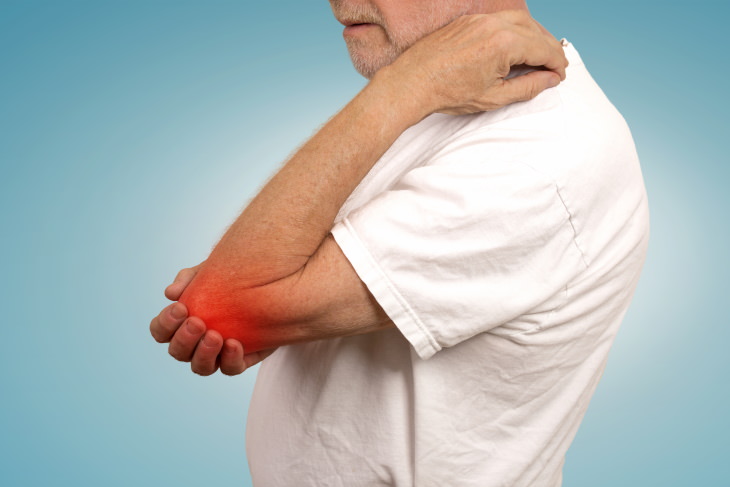
Which type of exercises are best for Arthritis sufferers ?
The types of exercise you choose to begin
with will depend on your personal preferences, the joints affected by
arthritis, and your doctor’s recommendations. In an ideal scenario, one
would mix and match between three types of exercises:
1. Strengthening exercises
These exercises boost muscle strength. Muscles support your joints and
relieve a lot of the pressure from them, so training your muscles is key
for maintaining healthy joints. Examples of strengthening exercises
recommended by the Arthritis Foundation are:

Water Aerobics is a form of exercise that combines strengthening and
aerobic exercises. The exercises are conducted in chest-deep water,
which reduced the impact on the joints by ¾ compared to traditional
aerobics exercises, so it’s super gentle on the joints.
Pilates is also an excellent combined
exercise that involves muscle building and stretches. Just make sure to
go to a class that specializes in joint or mobility issues.
2. Range-of-motion exercises
These exercises directly increase your flexibility and relieve stiffness
in the affected joints. The Arthritis Foundation recommends the
following range-of-motion exercises:
Yoga improves flexibility in the joints and offers stress relief. Gentle
relaxation-focused yoga classes such as Iyengar yoga, yin yoga, or
chair yoga are considered the best for arthritis patients. These classes
will often offer modified poses that avoid straining your affected
joints.
Tai chi gently improves your flexibility and balance while also reducing
stress and arthritis pain. If you have balance issues or severe
arthritis, consider doing tai chi seated or ask the instructor for other
modifications.
The elliptical machine is great because
your joints do fluid, circular moves while you’re exercising. Since the
resistance and slope settings are all adjustable, you’ll be able to
start slow without having to put extra strain on your joints.
3. Aerobic exercises
These exercises improve your general fitness, decrease inflammation in
the joints, and help manage excess weight. Keeping any excess weight off
is important because it keeps pressure off your joints. Consider any of
these aerobic exercises if you have arthritis:
Walking is the easiest and cheapest exercise you can do to keep your
symptoms in check. If walking outdoors is a bit too much for you,
especially if you’ve undergone joint replacement surgery, walking in
waist-deep water may be a better choice for you, as it lessens the
impact on joints by 50%. Treadmill walking is also great because you
have the handlebars for support and can adjust slope and speed to your
preference. For those who do prefer walking outdoors, though, dirt
trails are considered kinder on the joints than asphalt or concrete.
Swimming is a unique activity because it
activates all the main muscle groups in the body and improves your
endurance while being gentle on the joints. The existence of various
swimming techniques also helps avoid aggravating specific joints.
Cycling is an excellent choice for those who wish to combine
strengthening exercises with aerobic training. It’s best to start with a
stationary bike with no slope whatsoever or cycling on a straight dirt
road, and then increase the difficulty if you wish. Just make sure that
the bike seat is fitted for your specific height - your leg should be
able to turn the pedals while keeping a slight bend in the knee.
If doing various types of activities sounds
too ambitious, you can choose any kind of exercise you enjoy doing or
at least avoid inactivity by moving around the house and yard as much as
you can. Any activity, be it vacuuming or walking the dog, counts to
your daily mobility goal.
How to Start Exercising
Exercise is recommended for the vast majority of people with arthritis.
That said, there are restrictions for patients after joint replacement
surgery or limitations for specific kinds of activities, so we recommend
checking with your doctor before you begin any new exercise routine.
For most people, starting by doing some range-of-motion exercises and
stretches is beneficial. Water exercises and walking are also a safe bet
for many patients, just make sure to start with shorter 10-15 minute
sessions to avoid the risk of overworking your joints. Here are a few
other tips to consider:
1. Schedule exercises to the times when you experience the least
inflammation and pain.
2. Apply heat pads or take a warm bath before exercising.
3. Warm-up right before your exercise session - a few circles with the
shoulders, arms, and hips, or any other gentles stretches should do the
trick.
4. Practice mindfulness - avoid forcing any movements or working through
sharp pain. If an exercise causes pain, stop.
5. Use cold compresses after exercising.
6. Avoid stretching the affected joint during an arthritic flareup.
How Often Should You Work Out?
It all depends on the type of exercise
you’re doing. Strengthening exercises are done at most every other day.
There’s no benefit of doing them daily because your muscles need to rest
in order to grow. Start with short sessions 3 times a week for a month,
and if you’re feeling comfortable, add more reps weekly.
When it comes to range-of-motion exercises, they should be done daily or
every other day. Lastly, aerobic exercises are best performed 3 times a
week. Start with 10-15 minutes until you feel completely comfortable,
and then add in 5 more minutes gradually until you reach 20-30 minutes.
According to the CDC, people with arthritis should aim for the Physical
Activity Guidelines for Americans to experience substantial health
benefits, which equals to 2 hours and 30 minutes of moderate-intensity
aerobic activity (e.g. walking briskly, slow dancing, vacuuming) or 1
hour and 15 minutes of vigorous-intensity aerobic activity (swimming
laps, fast cycling, hiking), or a combination of both on a weekly basis.
If you don’t have time to complete a full exercise routine or find it
difficult, you can do any of these exercises in increments. After all,
the main idea is to keep you comfortable and pain-free, and not to cause
more stress.
How Do You Know If You’ve Done Too Much?
If you haven't been active for a while, experiencing some soreness after
a workout is expected and shouldn’t be a cause for concern. However, if
the soreness persists for more than an hour after the workout or you’re
experiencing any of the following symptoms, you should make your
exercise routine shorter and easier:
General fatigue or weakness in the joints
Joint swelling
Pain that lasts over 1 hour after the workout
A worse range of motion in the affected joint.
T