Saturday, November 20, 2021

Munch on These Delicious Foods to Beat Your Headache

Those who suffer from frequent headaches know very well that they are incredibly hard to ignore. They ruin everything, from a good time out to reading a book, it's hard to enjoy yourself doing anything when your head is throbbing to the point that it makes you feel nauseated. But before popping those pills, we'd advise checking out some other reasons for and solutions to the problem, such as making sure you are eating things to help your headache instead of making it worse!

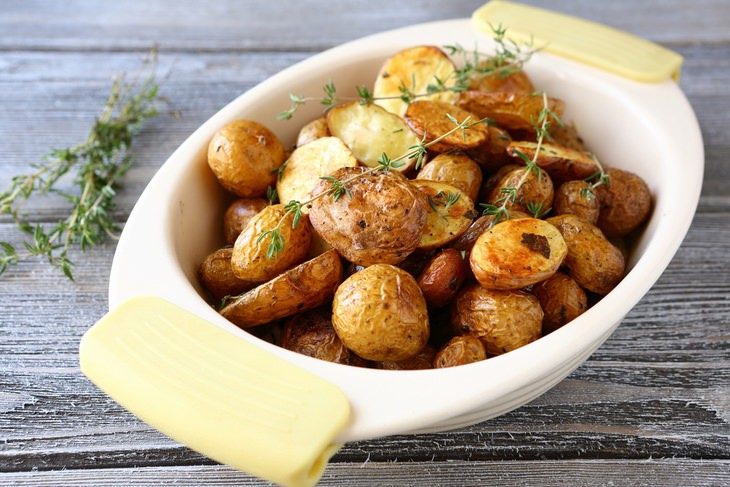
1. Baked Potato
headache-beating-foods
Baked potato can alleviate a headache, especially one caused by drinking alcohol. Since alcohol causes an increase in urine, it can cause dehydration and the loss of important electrolytes such as potassium. Eating foods rich in potassium can then ease hangover headaches. A potato with the peel is one of the best sources of this mineral, containing about 720 mg of potassium (to compare, a banana, also rich in potassium, contains about 460 mg).
 
2. Watermelon 
As we said above, dehydration is one of the leading reasons for headaches, so before you take that pill, consider eating foods rich in water, such as the watermelon. There are many fruits and vegetables rich in water and some also contain important minerals such as magnesium, which is considered to be an aid against headaches.  
 
3. Coffee

headache-beating-foods
Yes, coffee. The brown liquid we all drink to make it through the day has long since been considered a great folk medicine against headaches. In fact, many headache pills contain caffeine. The secret, however, is moderation. While alcohol makes the blood vessels in our body and head expand, coffee does the opposite, by shrinking them. This way, it can reduce the amount of pain we feel. However, if you drink too much caffeine, you will increase the amount of urine which can result in dehydration, causing a headache. So, drink a cup of coffee, no more, or add a cup of water as well.  
 
4. Whole Wheat Bread  
People on a diet low in carbohydrates may suffer from frequent headaches since this kind of diet decreases the body's store of glycogen - a main source of energy for the brain. This way, the body loses liquid and gets dehydrated, resulting in headaches. Consider adding some complex carbs to your diet, like those in whole wheat, fruit or yogurt. It may also improve your mood since it enables the body to release serotonin. 
 
 5. Almonds
Research shows that the magnesium in almonds may protect the body from headaches by releasing the blood vessels. For those who suffer from migraines, a diet rich in magnesium may bring about great relief. To increase your intake of magnesium, try to consume almonds, bananas, avocado, whole rice etc. 
 
6. Spicy Salsa This may sound weird, but spicy foods like spicy salsa or hot peppers can help you get rid of that headache that much faster. The question is - what caused the pain? These foods are great at solving pain related to your sinuses. The spicy foods will open the airways, which will alleviate the headache  
 
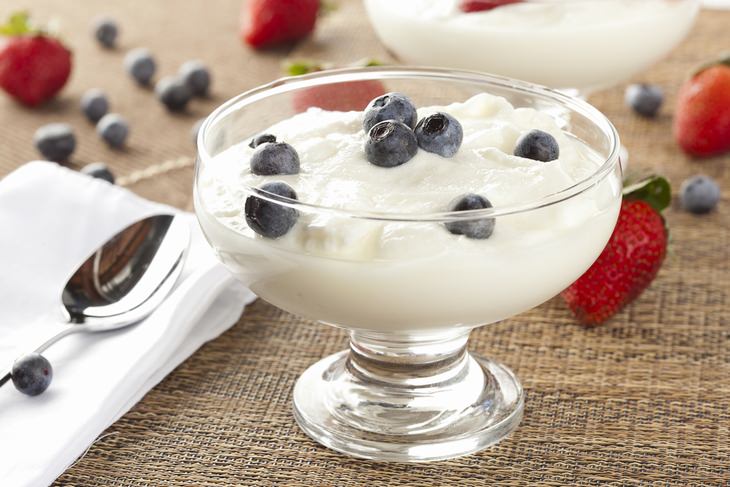
7. Yogurt
headache-beating-foods
When your head feels like it is aching in a fast throb, it may be your body trying to tell you that it needs calcium to function efficiently. Make sure you have calcium-rich foods as part of your diet, like regular Greek yogurt with no fat, an excellent source of calcium and helpful probiotics, without any extra fat and sugar.

8. Sesame Seeds  
The tiny sesame seeds contain a large amount of vitamin E, which may help stabilize estrogen levels in women and so prevent migraines. Along with the fact that it helps with headaches, it may also help with blood circulation. Sesame seeds are also rich in magnesium. 
 
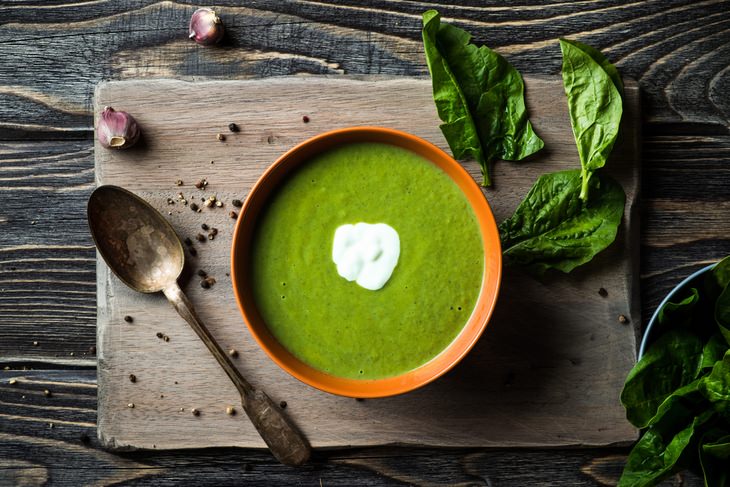
9. Spinach
headache-beating-foods
What works for Popeye can work for you as well. Spinach has been proven to reduce blood pressure and deal with hangovers. So if your head is throbbing, consider a big salad, and instead of lettuce, use spinach.

This is only for your information, kindly take the advice of your doctor for medicines, exercises and so on.   

https://gscrochetdesigns.blogspot.com. one can see my crochet creations  
https://gseasyrecipes.blogspot.com. feel free to view for easy, simple and healthy recipes    
https://kneereplacement-stickclub.blogspot.com. for info on knee replacement

Labels: , , , , , , , ,

Friday, January 15, 2021

The 1200-calorie diet plan: What you can eat and does it really work?

The 1200-calorie diet plan: What you can eat and does it really work?

Creating a calorie deficit is the first step towards losing weight. For the unversed, creating a calorie deficit means eating fewer calories than what you can burn in a day. The 1200 calorie diet, as the name explains is a calorie-restrictive diet, which promises to make you lose weight quickly. While following the diet plan, you are not supposed to eat much but just three meals per day with one snack.

The diet plan is safe but it definitely affects your energy levels. Maintaining energy with less amount of food might be stressful and tough for many. So, if you are trying to follow the diet, do it only for a restrictive period of time.

​Here are five tips to follow the diet plan

1. Reduce your salt intake. Avoid eating sandwiches, pizza, bread, canned food and poultry products.

2. Do not forget to include protein in your diet. And make sure to not consume more than 15-20 grams of carbohydrates in your snacks. Replace your meetha with fruits and salty snacks like chips with whole-grain bars.

3. Include a lot of vegetables, fruits and whole grains in your daily diet. Try to eat high fibre carbs instead of simple carbs.

4. Do not consume full-fat dairy, choose plant-based options like olive oil and nuts. Eat fish instead of red meat.

5. Include vitamins, minerals and other nutrients in your diet. Consume nuts, beans, olive oil, whole grains and lean protein.

Here is all what you can eat on a 1200 calorie diet

readmore

Breakfast

2 large eggs

1 cup oatmeal

2 slices of whole-grain bread

1/2 cup of blueberries

1/2 cup fresh pineapple

1 cup fat-free cottage cheese

Lunch options

1 cup skimmed milk

2 slices of whole-grain bread

1 medium peach

3 oz grilled chicken

Avocado and shredded lettuce

Dinner options

1/2 cup whole wheat pasta

2 cups spring lettuce

1/2 cup of brown rice

1 cup broccoli

1 medium baked potato

1 cup green beans

4 oz grilled chicken

Snack option

1 medium-size apple

1 cup skim milk

Plain Greek yoghurt

1/2 cup strawberries

1/4 cup mixed nuts

2 tablespoon dried cranberries

This is only for your information, kindly take the advice of your doctor for medicines, exercises and so on.     

https://gscrochetdesigns.blogspot.com. one can see my crochet creations  
https://gseasyrecipes.blogspot.com. feel free to view for easy, simple and healthy recipes    
https://kneereplacement-stickclub.blogspot.com. for info on knee replacement


Labels: , , , , , ,

Sunday, May 17, 2020

Vitamin C: Why you need it and how to get enough of it

Whether you're looking to improve your overall health or boost your immune system, vitamin C is one of the most important nutrients you need to stay healthy and it's a go-to for many people when they think they are getting sick. People have sworn by it for ages (whether in food or supplements) and for good reason. Health experts, nutritionists and science all agree that not only is it a vital nutrient but it can help prevent infections and help you get better when you are already sick.

Vitamin C is an important antioxidant for immune health. It works by helping your body heal from and fight off infections, and can help keep you from getting sick and support you when you are sick. But did you know your body needs vitamin C for a ton of other things? 


Why is vitamin C important?

Vitamin C is an antioxidant that helps protect your body from harmful substances such as free radicals caused by oxidative stress, which are molecules that can damage cells. It's important to get vitamin C through supplements or food since your body can't make it on its own.

Besides its protective, healing and antioxidant effects, vitamin C is also shown to help cancer patients improve their quality of life and exhibit fewer side effects from treatment. Vitamin C is also thought to protect cardiovascular health. One study showed that people who took at least 700mg of vitamin C per day had lower risk factors for heart disease. 


How to get enough vitamin C

"Typically, I recommend eating a variety of fruits and vegetables for those seeking to boost their vitamin C content," dietician Jenn Randazzo tells CNET. Vitamin C is found in many foods including:

    Citrus fruits and their juices
    Red and green peppers
    Broccoli
    Strawberries
    Cantaloupe
    Baked potatoes
    Tomatoes
    Some foods and beverages that are fortified with vitamin C

"Because vitamin C content may be reduced by prolonged storage and cooking techniques, try to consume vitamin C foods either raw or steamed for a short period of time," Randazzo adds. Another way to ensure you get enough vitamin C is to add a supplement. This can be helpful during times when you want to prevent illness, boost your immune system or get extra vitamin C support if you're sick.

"If you're worried about getting enough vitamin C into your daily diet, it is available as dietary supplements as well (usually in the form of ascorbic acid)," Randazzo says. "However, some supplements have other forms, like sodium ascorbate, calcium ascorbate, and other mineral ascorbates too. Research has not shown that any form of vitamin C is better than the others, so it's important that you use the form easiest to incorporate into your personal wellness routine."


How much vitamin C should you take?

When it comes to vitamin C, many people think more is better. The recommended daily amount is about 65-90mg per day, and the upper limit is 2,000mg per day. Most supplements on the market provide much more than 90mg, and if you're eating foods with vitamin C and supplementing, you're meeting your 90mg requirement and then some.

If you're taking more vitamin C than is recommended, it's unlikely to hurt you since the vitamin is not stored in the body. "For some, consuming too much vitamin C can cause stomach upset, like diarrhea, nausea or cramps," Randazzo says. In fact, if you are sick, your body needs much more vitamin C and your needs can increase due to inflammation and other factors. This is why it's important to talk to a health professional like a doctor or nutritionist to help you determine how much vitamin C you need to prevent or treat illness.


Vitamin C and immune health
Vitamin C plays an important role in immune health and helps your body's immune system in a few different ways. First, it supports the production of immune cells or white blood cells that you need to fight infections. Secondly, vitamin C functions as an antioxidant, which protects you from oxidative stress, which is linked to chronic health conditions and illnesses such as diabetes, heart disease and Alzheimer's.

Vitamin C and COVID-19

Vitamin C has been given to critically ill patients diagnosed with COVID-19, although there is no research to show it is effective at treating COVID-19 specifically. A study is currently being conducted in China, however, on the effectiveness of vitamin C in treating patients with COVID-19.

It's important to remember that researchers and doctors know little about COVID-19 at this time. The best ways to reduce your risk of being infected with the coronavirus is to follow guidelines from the Centers for Disease Control and Prevention and World Health Organization, abide by any health orders from your local officials, and to take care of your health as much as you can overall.


Vitamin C and stress

One surprising fact about vitamin C is that it can help your body when under stress, whether that is physical or emotional. One study showed that vitamin C was helpful in reducing stress hormones in mice, which means it could help human bodies cope with the harmful effects of physical and emotional stressors.

Another 2015 study showed that vitamin C supplementation was helpful for people with anxiety. It helped mitigate the negative effects of anxiety in the body and showed promise for helping prevent future anxiety.

Given vitamin C's benefits for stress, anxiety, heart health and immunity, making sure you're getting plenty of vitamin C per day is a good step in the direction of better health. 


This is only for your information, kindly take the advice of your doctor for medicines, exercises and so on.     

https://gscrochetdesigns.blogspot.com. one can see my crochet creations  
https://gseasyrecipes.blogspot.com. feel free to view for easy, simple and healthy recipes    
https://kneereplacement-stickclub.blogspot.com. for info on knee replacement

Labels: , , , , , , , , , , , , , ,