Thursday, July 01, 2021

5 illnesses that make you feel thirsty all the time

Health condition that can make your feel thirsty

It is not uncommon to feel excessively thirsty on hot summer days. The scorching sun outdoors leads to excessive water loss in the form of sweat, which makes us drink more fluid than we usually do in other seasons. Other than that, an intense workout and intake of spicy and fatty food can also make you guzzle gallons of water in a day. This is an indication that your body is running low on water and you need to refill so that the organs can continue their work without any disruption. But if you’re constantly refilling your glass of water without any solid reason, then it could be a sign of another health issue.

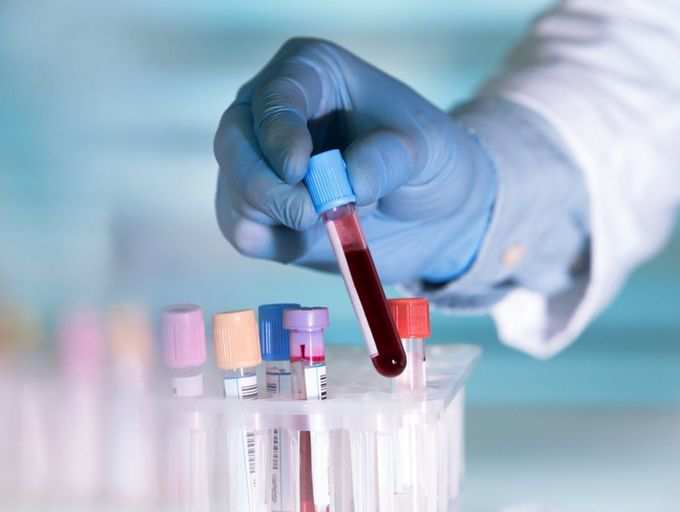
Several underlying health conditions can make you feel parched now and then. The signs of dehydration due to medical conditions may also be accompanied by fatigue and blurred vision. If you are experiencing any of these symptoms then you might be suffering from one of the given health conditions. 

Diabetes
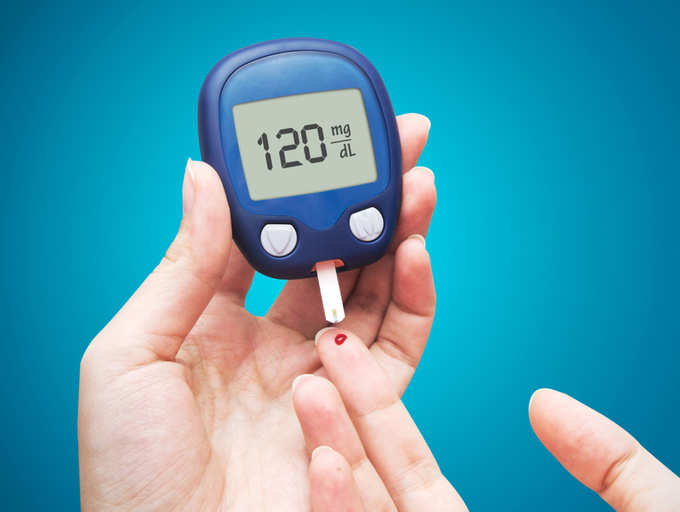
When the cells in your body become insulin resistant, your kidney has to work harder to remove excess sugar from your blood. This increases the trips to the washroom leaving your body wanting to replace the fluid you’re losing. As a result, you feel parched and want to drink more fluid than before. Frequent urination and excessive thirst are two initial signs of diabetes.

Anaemia

Anaemia is a condition in which your body does not have enough red blood cells to make haemoglobin. It can be caused due to several reasons like a poor diet or heavy bleeding. Dehydration is a common sign of anaemia. The signs are more prominent when you have severe anaemia. Other symptoms of this condition include dizziness, fatigue, sweating and others.

​Hypercalcemia

Hypercalcemia is a condition in which the level of calcium in the body increases to a dangerous level. This may happen due to overactive parathyroid glands, tuberculosis and cancer. Feeling thirsty might be the first symptom of hypercalcemia. An excessive amount of calcium in the blood may weaken the bones and create kidney stones.

​Dry mouth

When salivary glands do not make enough saliva, it may make you feel excessively thirsty. This can happen due to some medications or treatments like cancer or lifestyle habits like tobacco use. Other symptoms of dry mouth may include bad breath, change in taste, irritated gums and trouble in chewing.

​Pregnancy

There are several signs of pregnancy and feeling parched is one of them. During the first trimester, the blood volume increases which forces kidneys to create an excess fluid that makes you pee. Water loss from the body makes you thirst, which is an indication that you need to refill the amount of water loss.

This is only for your information, kindly take the advice of your doctor for medicines, exercises and so on.   

https://gscrochetdesigns.blogspot.com. one can see my crochet creations  
https://gseasyrecipes.blogspot.com. feel free to view for easy, simple and healthy recipes    
https://kneereplacement-stickclub.blogspot.com. for info on knee replacement


Labels: , , , , , , , ,

Tuesday, April 28, 2020

US doctors have started giving men with coronavirus ESTROGEN in the hopes of boosting their immune systems after finding the virus kills half as many women

Doctors are wondering if giving men two female sex hormones could make them more likely to survive the novel coronavirus.

Across the globe, women from most countries have been less likely to become abruptly ill with the virus, and less likely to die from it.

This has led many researchers to wonder if the hormones mainly produced in women could be protective, reported The New York Times.

Two hospitals in the US are now putting that theory to the test, giving men estrogen or progesterone for a limited amount of time to see if it boosts their immune systems, decreases inflammation and reduces the severity of the illness. 


The differences in death rates among men and women have been apparent from early on in the pandemic.

Last month, Italy's public health research agency said that more than 70 percent of the country's deaths have been in men.

And, in February, China's Center for Disease Control and Prevention said the fatality rate among men with coronavirus was 65 percent higher than among women.

Scientists say they don't know why women seem less likely to die, but have suggested that women naturally tend to have stronger immune systems and are less likely to have long-term health conditions which make patients more vulnerable.

In China, researchers pointed the finger at men being more likely to smoke and drink, but this was a cultural factor which may be different in other countries.   

This soon became apparent in the US. In New York, more than 60 percent of the state's deaths have been among men.

Early research has suggested the hormones may reduce the number of ACE2 receptors on the surfaces of cells that the virus uses to enter the body.


The Renaissance School of Medicine at Stony Brook University in Long Island, New York will be investigating estrogen, the primary female sex hormone.

Estrogen helps develop and regulate the female reproductive system and plays a role in secondary sex characteristics.

Dr Sharon Nachman, chief of the division of pediatric infectious diseases, told The Times that the trial enrolled its first participant last week.

She hopes to have preliminary results in the next couple of months. 

'It's totally out of the box, which is how good ideas often start,' Dr Nachman, associate dean for research at the Renaissance School, which is part of the State University of New York.

The Stony Brook University estrogen trial hopes to recruit 110 patients who visit the emergency room and have symptoms such as coughing, fever or shortness of breath.

They either have to test positive for COVID-19 - the disease caused by the virus - or are presumed to have it, just as long  as they don't need to be intubated.


Half will be given an estradiol patch for one week and the other half will be a control group. Researchers will see if the hormone helps reduce the disease's severity.

The hypothesis is that the hormone could help clear the infection and prevent cytokine storms, which is when the body doesn't just fight off the virus but also attacks its own cells and tissues, from occurring. 

'We may not understand exactly how estrogen works, but maybe we can see how the patient does,' Dr Nachman told The Times.

'While we see women do get infected, their responses are different. We see fewer of them having the second, disregulated immune response.'       

Next week, researchers in Los Angeles will begin testing another sex hormone found mainly in women, progesterone.

It has been shown to reduce inflammation and prevent the immune system from overreacting to outside pathogens.


'There's a striking difference between the number of men and women in the intensive care unit, and men are clearly doing worse,' Dr Sara Ghandehari, a pulmonologist and intensive care physician at Cedars-Sinai Medical Center, told The Times.

She told the newspaper that 75 percent of her hospital's intensive care patients and patients on ventilators are men.

Around 40 male patients will be enrolled in the Cedars-Sinai study, all of whom have tested positive for the virus and have mild to moderate cases.

Half of the participants will be given two shots of progesterone per day for five days and the other half will be a control group.

Researchers will see if this help control their oxygen levels and prevent the need to go the ICU or be intubated. 

Similarly to the estrogen study, the theory is that progesterone will also prevent cytokine storms.

Dr Ghandedari said she has also seen that the majority of ill pregnant women, who typically high levels of both hormones, have midl case of the virus.

'So something about being a woman is protective, and something about pregnancy is protective, and that makes us think about hormones,' she said.

Both hospitals told The Times that all male participants will be warned of possible side effects such as hot flashes and breast tenderness.


This is only for your information, kindly take the advice of your doctor for medicines, exercises and so on.     

https://gscrochetdesigns.blogspot.com. one can see my crochet creations  
https://gseasyrecipes.blogspot.com. feel free to view for easy, simple and healthy recipes    
https://kneereplacement-stickclub.blogspot.com. for info on knee replacement

Labels: , , , , , , , , , , ,

Tuesday, October 22, 2019

This virus is to be blamed for mysterious illness and paralysis in children

Scientists have found the strongest evidence yet that a virus is to blame for a mysterious illness that can start like the sniffles but quickly paralyse children. The poliolike syndrome, called acute flaccid myelitis or AFM, is very rare. Since the first reports from California in 2012, the US has experienced an increasingly bigger outbreak every other year, from late summer into fall.

Doctors have a chief suspect but proof that it’s the culprit germ has been frustratingly elusive. So researchers tried a new trick: They checked patients’ spinal fluid for signs the immune system had fought an invading virus. Sure enough, kids who got sick harboured antibodies that target enteroviruses, just the viral family specialists believe is to blame.

This is circumstantial evidence that this is what’s going on, but it’s a powerful piece of circumstantial evidence,” said a Dr., who helped lead the research. His team reported the findings Monday in Nature Medicine.

Nailing down a suspect is key to better diagnosis and eventually finding a way to prevent or treat the illness, said study co-author and a neurologist,  whose own son developed AFM at age 4. “If you don’t have a cause, you can’t have a vaccine,” he noted. Wilson developed “a good enough microscope, in a sense, to find things they suspected were there.”

Some 590 cases of the ailment have been confirmed in the US since the Centers for Disease Control and Prevention began counting in 2014. Cases spiked that year and in 2016 and last year, with just a few in the intervening years. So far, there have been 22 this year.

Bove’s son, Luca Waugh, illustrates the pattern: His whole family caught a cold in the summer of 2014 — and a few days later; Luca woke up with weakness in his neck that travelled down his shoulder. Despite fast hospitalisation, within days he had body-wide paralysis and trouble breathing. He recovered gradually, and today still has some paralysis in his neck, shoulder and arm.

Either a germ or the body’s reaction to a germ was damaging nerves in the spinal cords of patients like Luca. The CDC noted that AFM spikes coincided with seasons when certain strains of enteroviruses — named EV-D68 and EV-A71 — were causing widespread respiratory illnesses. The problem: Doctors seldom found those viruses in the patients’ spinal fluid, leaving doubt about the link.

Antibodies programmed to track specific germs only wind up in spinal fluid if they fought infection there — what Wilson’s team set out to find. The researchers customized a Harvard-developed tool to search for evidence of hundreds of viruses simultaneously — including herpes, measles, chickenpox, Zika and a whole list of enteroviruses.  Add some spinal fluid, and any antibodies present would stick to their target, able to be identified.  

In tests of spinal fluid from 42 AFM patients and 58 children with unrelated neurologic illnesses, only enterovirus-targeting antibodies emerged as the potential culprit. Nearly three-fourths of patients harbored them, compared to less than 10 per cent of other children. Further work is underway to narrow down the specific strains.

“Before we develop antivirals or potential vaccines, you really want to prove the viruses are causing disease,” said a infectious disease chief at Children’s Hospital of Pittsburgh, who wasn’t involved with the new study. “It’s pretty compelling” evidence.

Mysteries remain. Enteroviruses are hugely common, and doctors don’t know why only a tiny fraction of those infected develop the ailment, Williams said. And as 2020 approaches, specialists are girding for another possible spike next summer. “There’s a lot of dread,” the researcher said.

this is only for your information, kindly take the advice of your doctor for medicines, exercises and so on.     
https://gscrochetdesigns.blogspot.com. one can see my crochet creations  
https://gseasyrecipes.blogspot.com. feel free to view for easy, simple and healthy recipes    
https://kneereplacement-stickclub.blogspot.com. for info on knee replacement


Labels: , , , , , , , , ,

Friday, September 27, 2019

A Decreasing Sense Of Smell Can Be a Warning Sign Of Illness

In our childhood, we were all taught that being nosy is bad, and though it may be true on a metaphorical level, having a sharp sense of smell may benefit not only those who like perfume or go to wine-tasting events. Consider this question, how important is a sense of smell compared to seeing and hearing?
Unless you recently had a really stuffy nose and still remember how unappetizing a bland bowl of soup can be, you are likely to rate it last. Recent research shows that by underestimating your sense of smell you might be making a very serious mistake, as a decreased capability to smell things can tell you a lot about your health and can even predict how long you will live and whether or not you will suffer from any brain diseases.

How Important Is Our Sense Of Smell?

Though humans heavily rely on their vision as a means of perceiving their surroundings, our sense of smell, also called olfaction, may be more important to us than we might expect. In the end, if we think about it, our sense of smell plays a significant role in our appetite, it can alert us of potential dangers in the environment, but also helps us find a suitable partner, as previous research shows that we rely on our sense of smell to find a partner with a dissimilar immune system.
Another interesting observation is the fact that we have positive or negative associations and memories linked to certain smells, meaning, certain smells can have an effect on our mood and emotions. If you don't believe me, just try to remember the smell of a freshly-baked mouthwatering pie or the way a park or garden smell fresh and grassy after the rain.
bad sense of smell and mortality essential oils

The Link Between Olfaction and Health
Even more intriguing observations were made in the past years that gives us a new way of understanding the role of olfaction for humans. It was long-observed that decreased olfaction can predict the development of certain degenerative brain diseases, such as:
  • Parkinson’s disease
  • Multiple sclerosis
  • Alzheimer's Disease
  • Schizophrenia
  • Depression
  • Autoimmune conditions.
It was also observed that certain fragrances, such as lemon and lavender essential oils have a positive effect on stress, skin reactions, and one’s mood. One study, for example, showed that smelling lemon essential oil can really boost your mood.
But a recent study reached an even more striking conclusion: they found that healthy and active seniors over the age of 70 were almost 50% more likely to pass away in the course of the next 10 years if they have a relatively worse sense of smell.
The researchers cannot explain what accounts for a large percentage of the deaths, as of the 2289 participants only 22% passed away due to neurodegenerative conditions, 6% percent died as a result of weight loss and the rest are unresolved. What’s even more surprising is that a poor sense of smell was the strongest predictor of mortality in the group of participants with excellent and good health.
Thus, the study concluded that a good sense of smell in your 70’s and 80’s can predict longevity, whereas bad olfaction increases the risk of mortality. In addition, other studies suggest that a bad sense of smell can be one of the first symptoms of neurodegenerative and autoimmune diseases, although the data regarding the immune effects are mainly limited to animal models.
This means that you should keep a close eye on your sense of smell and see your doctor if you observe that your olfaction reduced dramatically or rapidly, as it may be a warning sign of a more serious problem.
 
this is only for your information, kindly take the advice of your doctor for medicines, exercises and so on.   
https://gscrochetdesigns.blogspot.com. one can see my crochet creations 
 

https://gseasyrecipes.blogspot.com. feel free to view for easy, simple and healthy recipes    
https://kneereplacement-stickclub.blogspot.com. for info on knee replacement


Labels: , , , , , , , , , , , , ,

Monday, September 16, 2019

11 Symptoms of Poor Blood Circulation

Good blood circulation is important for good overall health as the blood carries oxygen and nutrients throughout your body. Therefore, if your circulatory system is not working properly, you’ll start to experience a number of negative symptoms.

Below we’ll outline some of the signs to watch out for that could indicate that your circulatory system is not operating at optimum efficiency.


 1. Angina or Tightness in the Chest
Naturally, your heart suffers when your circulation is poor. It doesn’t get the blood that it needs to function properly. If you feel a pressure on your chest or a tightening sensation, this could be angina. This is a serious symptom, and you should see your healthcare professional right away because it could also be a sign of an imminent heart attack.


2. Numbness in the Extremities
If you find yourself experiencing a tingling sensation in your hands and feet or lower legs and forearms, it’s a sign that you’re not getting adequate blood flow to your extremities. If you suddenly experience this sensation in your left arm, it’s a sign of a possible heart attack. Seek medical help as soon as possible.


3. Ulceration of the Skin on the Lower Legs
Lack of circulation to your extremities can also cause the skin of your lower legs, ankle, and feet to develop inflamed sores and rashes.


4. Cold Hands and Feet
In addition to numbness and tingling in the extremities, you’ll also find that poor circulation causes cold hands and feet. This is because you’re not getting enough warm blood in your extremities and because your body has gone into conservation mode, which causes your body to focus warmth on your core to keep you alive.


5. Varicose Veins
When your circulatory system is struggling to deliver blood to your body, the veins can become stressed and swollen. This then manifests as large and often painful veins in the legs.


6. Dry Skin, Hair, and Nails
Good blood flow helps to support the growth of healthy hair, nails, and skin. If your skin, hair, and nails are in a poor condition even with the best external treatment, it’s a sign that they’re not getting the necessary nutrients and hydration that good blood circulation would bring them.


7. Decreased Appetite
If you just don’t find food to be that appealing, it could be that your digestive tract is not getting enough blood to function properly. Your digestive tract needs an ample blood flow to support peristalsis and to transport nutrients around your body. A poor blood flow impairs your digestive function and negatively impacts your metabolism.


8. Digestive Difficulties
In addition to poor appetite, a dearth of blood flow to your digestive system causes food to be improperly and poorly digested. If you’re experiencing symptoms such as loose stool, nausea, and/or acid reflux, it could be an indication of poor blood circulation. You should see your doctor for proper diagnosis and treatment.


9. Frequent Illness
Your immune system depends upon a healthy circulatory system. If your blood circulation is poor, your body can’t benefit from the vitamins and minerals you consume. This will quickly lead to a weakening of the immune system and frequent illness such as colds and flu.


10. Excessive and Frequent Fatigue
A slow circulatory system doesn’t provide your muscles with the oxygen and nutrients necessary to maintain adequate energy levels. As your metabolism decreases, you’re bound to feel lethargic and sluggish.
This is because your body attempts to adjust to a lessened level of nutrition by dropping into a conservation mode. This is a mechanism that’s intended to conserve energy during times of scarcity. Therefore, when this happens, you won’t have the energy to carry out daily activities.

 
this is only for your information, kindly take the advice of your doctor for medicines, exercises and so on.   
https://gscrochetdesigns.blogspot.com. one can see my crochet creations 
https://gseasyrecipes.blogspot.com. feel free to view for easy, simple and healthy recipes    
https://kneereplacement-stickclub.blogspot.com. for info on knee replacement
      

Labels: , , , , , , , , , , , , , , , ,