Friday, May 22, 2026

Why your feet suddenly swell after sitting too long and what your body may be trying to warn you about
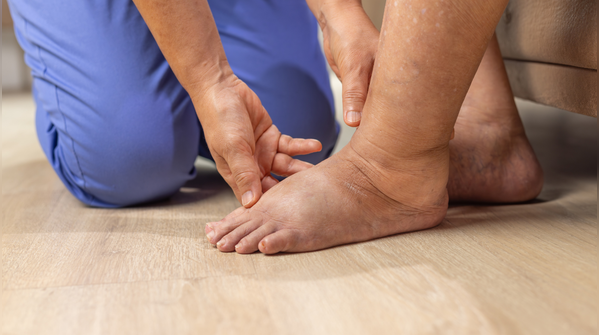
 Why your feet swell after sitting too long 

 Why your feet swell after sitting too long


There is a strange moment many people know too well. After sitting through a long office meeting, a road trip, or an entire season of a show without moving much, the feet suddenly feel heavier. Shoes seem tighter. Ankles look puffier. Sometimes there is a faint throbbing sensation that disappears after walking around for a few minutes.

Most people ignore it. Some laugh it off as “just tired feet.” But the body rarely does something without a reason.

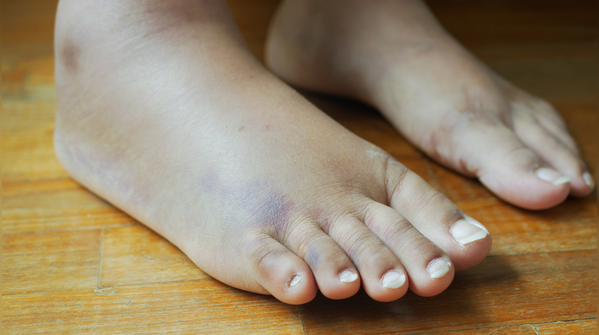
Swelling in the feet after long hours of sitting is one of the body’s simplest warnings about poor circulation and fluid buildup. In medical terms, this swelling is called edema. While it is often temporary, repeated episodes can reveal how modern lifestyles are quietly affecting circulation, veins, muscles, and even heart health.
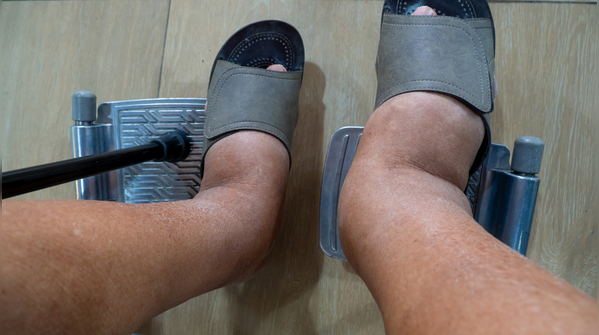
 The body was never designed to sit still for hours 


The body was never designed to sit still for hours

Human circulation depends heavily on movement. Every time a person walks, stretches, or even flexes the calf muscles, blood gets pushed upward from the legs back toward the heart. This mechanism is often called the “calf muscle pump.”

But when someone sits for too long, especially with legs hanging down, that pumping system slows dramatically.

Dr Geetesh Govil, Consultant - Cardiology at Manipal Hospital, explains, “Sitting for long hours, especially during work, travel, or binge-watching sessions, can lead to swelling in the feet and ankles. This happens because blood and fluids tend to pool in the lower part of the body when there is very little movement. As circulation slows down, the feet may appear puffy, tight, or uncomfortable.”

The science behind this is surprisingly simple. Gravity pulls blood and fluid downward all day long. Normally, movement helps send it back upward. Without movement, fluid begins collecting in the tissues around the feet and ankles.

A study published by the National Institutes of Health (NIH) on prolonged sitting and vascular health explains that long periods of uninterrupted sitting can impair blood flow and affect vascular function, especially in the lower limbs.

This is one reason why people often notice swelling after flights, desk jobs, gaming sessions, or long train journeys.


Why some people swell more than others

Not everyone experiences swollen feet after sitting. Some barely notice it, while others struggle with it regularly. The difference often comes down to circulation, vein health, hydration, age, body weight, and underlying medical conditions.

Dr Govil explains, “When individuals remain inactive for long periods of time, the calf muscles do not contract enough and fail to pump blood back toward the heart. This causes fluid to gather in the tissues of the feet and ankles, causing puffiness, heaviness, or discomfort known as edema.”

People who already have weaker vein function may experience swelling more easily. Veins contain tiny valves that help blood travel upward against gravity. Over time, these valves can weaken, especially with aging, obesity, diabetes, pregnancy, or prolonged sedentary lifestyles.

Hot weather can make swelling worse too. Heat causes blood vessels to widen, allowing more fluid to leak into surrounding tissues.

There is also a modern lifestyle factor that often gets ignored: uninterrupted sitting has become normal. People now work, eat, shop, relax, and socialize while staying physically still for most of the day. The body, however, still expects movement.
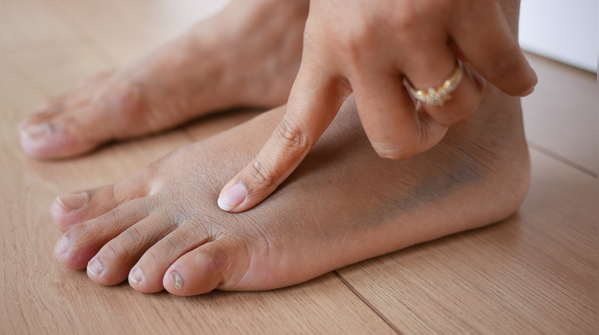
 

 The small signs people often dismiss 


The small signs people often dismiss

Swelling does not always arrive dramatically. Often, it starts quietly.


A person may notice sock marks staying on the skin longer than usual. Shoes may suddenly feel snug by evening. Standing up after sitting for hours may cause temporary stiffness.

Dr Govil says people commonly experience:

Swollen feet or ankles
Tightness in shoes
Mild pain or heaviness in the legs
Temporary stiffness after standing up

What makes these symptoms interesting is how quickly the body reacts to movement. Even a short walk can reduce swelling because muscle activity immediately improves circulation.

This is why many people feel relief after pacing around a room for a few minutes.

But persistent swelling should never be ignored completely. Repeated edema can sometimes point toward deeper issues involving the heart, kidneys, liver, thyroid, or veins.

According to the National Heart,Lung and Blood Institute (NHLBI) guide on edema, swelling that becomes chronic or painful may require medical evaluation, particularly if it appears alongside chest discomfort, shortness of breath, redness, or sudden weight gain.
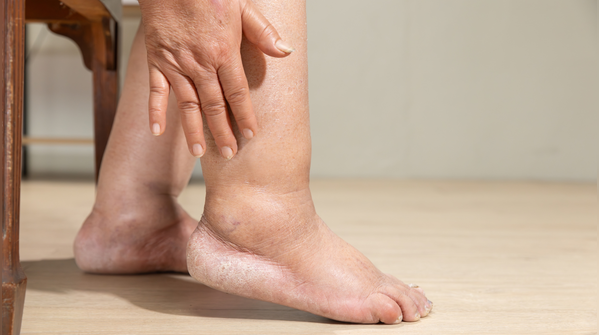
Why long sitting affects more than just the feet

Why long sitting affects more than just the feet

Swollen feet may look like a small inconvenience, but they reflect a larger shift happening inside the body.

Extended sitting changes blood flow patterns. It can slow circulation, increase pressure inside veins, and reduce how efficiently blood vessels function. Over months and years, this can contribute to varicose veins, vascular stiffness, and metabolic problems.

Researchers are now calling prolonged sitting “the new smoking” not because it is equally dangerous, but because it quietly shapes long-term health risks while becoming socially normalized.

One of the more overlooked effects is how sitting changes lymphatic drainage. The lymphatic system helps remove excess fluid and waste from tissues. Unlike the heart, it has no pump of its own and depends heavily on body movement.

When movement disappears, drainage slows too.

This explains why even healthy young adults may develop temporary swelling during marathon workdays or long-haul travel.
The simplest prevention methods are still the most powerful

The simplest prevention methods are still the most powerful

The good news is that the body responds quickly to small changes.

Dr Govil advises, “Preventing swelling in the feet and ankles often requires simple lifestyle changes and regular movement. It is important to get up and walk around every 30-60 minutes, especially during long hours of sitting at work or while travelling.”

He further adds, “Stretching the legs regularly can help improve blood circulation and reduce fluid buildup. Staying well hydrated also supports healthy circulation and prevents the body from retaining excess fluids.”

Simple habits can make a noticeable difference:

Rotating the ankles while seated
Flexing calf muscles every few minutes
Avoiding sitting cross-legged for long periods
Elevating the feet after long workdays
Wearing comfortable footwear during travel
Taking short walking breaks instead of remaining seated continuously

Even standing for two minutes every half hour can improve circulation significantly.

But there is one important boundary people should remember.

Dr Govil cautions, “However, if swelling happens frequently, is painful, or is associated with breathlessness or redness, medical evaluation is important as it may indicate an underlying heart, kidney, or vein-related condition.”

The body whispers before it screams. Swollen feet after sitting too long may simply be a reminder that humans were built to move more than modern life allows.


This is only for your information, kindly take the advice of your doctor for food, medicines, exercises and so on.   


Labels: , , , , , , ,

Monday, January 05, 2026

The 13 Best Foods to Increase Blood Flow and Circulation

 Several foods have been shown to help improve blood flow and support heart health, including garlic, onions, beets, berries, citrus fruits, and leafy greens, among others.

Poor circulation is a common problem caused by a number of conditions.

Peripheral artery disease (PAD), diabetes, obesity, smoking, and Raynaud’s disease are some of the many causes of poor circulation.

Reduced blood flow can cause unpleasant symptoms, such as pain, muscle cramps, numbness, digestive issues, and coldness in the hands or feet.

In addition to those with poor circulation, athletes and active individuals may want to increase blood flow in order to improve exercise performance and recovery.

Although circulatory issues are often treated with medications, eating certain foods can also improve blood flow.

Here are the 13 best foods to optimize blood flow.

Cayenne pepper gets its spicy flavor from a phytochemical called capsaicin.

Capsaicin promotes blood flow to tissues by lowering blood pressure and stimulating the release of nitric oxide and other vasodilators — or compounds that help expand your blood vessels.

In fact, spicy peppers are frequently included in pain-relieving creams because ingesting them helps increases circulation, improves blood vessel strength, and reduces plaque buildup in your arteries.

Pomegranates are juicy, sweet fruits that are particularly high in polyphenol antioxidants and nitrates, which are potent vasodilators.

Consuming pomegranate — as a juice, raw fruit, or supplement — may improve blood flow and oxygenation of muscle tissue, which could especially aid active individuals.

For example, a 2016 study found that daily consumption of 17 ounces (oz.), or 500 milliliters (mL), of pomegranate juice during or before weight training reduced soreness, muscle damage, and inflammation in elite weightlifters.

Onions are an excellent source of flavonoid antioxidants, which benefit heart health by helping your arteries and veins widen when blood flow increases.

Onions also have anti-inflammatory properties, which can boost blood flow and heart health by reducing inflammation in veins and arteries.

Cinnamon is a warming spice that has many health benefits — including increased blood flow.

In a 2021 study, researchers found that between two groups of subjects with a similar health profile, the group that consumed cinnamon had a statistically significant reduction in blood pressure after 90 days compared to the placebo group. That said, this decrease was moderate.

Another 2021 meta-analysis of eight studies found that cinnamon has a more favorable effect on diastolic blood pressure than on systolic blood pressure.

Garlic is well known for its beneficial impact on circulation and heart health.

Studies suggest that garlic — specifically, its sulfur compounds, which include allicin — can increase tissue blood flow and lower blood pressure by relaxing your blood vessels.

In fact, in a study of 42 people with coronary artery disease, those who consumed garlic powder tablets containing 1,200 mg of allicin twice daily for 3 months experienced a 50% improvement in blood flow through the upper arm artery compared to a placebo group.

Fatty fish like salmon and mackerel are excellent sources of omega-3 fatty acids.

These fats are especially beneficial for circulation because they promote the release of nitric oxide, which dilates your blood vessels and increases blood flow.

Omega-3 fats also help inhibit the clumping of platelets in your blood, a process that can lead to blood clot formation.

What’s more, a 2022 study found that taking at least 2-3 grams a day (g/d) of omega-3 fatty acids helps reduce both systolic and diastolic blood pressure. Higher doses may help people with a higher chance of getting heart problems even more

Many athletes supplement with beet juice or beet powder to help improve performance.

This is because beets are high in nitrates, which your body converts into nitric oxide. Nitric oxide relaxes blood vessels and increases blood flow to muscle tissue.

This means beets may help improve blood flow. In a 2017 study of 12 older adults, those who drank 5 oz. (140 mL) of nitrate-rich beet juice per day experienced significant decreases in blood pressure, clotting time, and blood vessel inflammation than those who consumed a placebo.

Increased blood flow is one of turmeric’s many health benefits.

In fact, both Ayurvedic and traditional Chinese medicine have utilized turmeric since ancient times to open blood vessels and improve blood circulation, particularly due to a compound found in turmeric called curcumin.

In a 2017 study of 39 people, taking 2,000 mg of curcumin daily for 12 weeks led to a 37% increase in forearm blood flow and a 36% increase in upper arm blood flow.

Leafy greens like spinach and collard greens are high in nitrates, which your body converts into nitric oxide, a potent vasodilator.

Research has observed that people following a traditional Japanese diet high in nitrate-rich vegetables like Chinese cabbage and spinach have lower blood pressure than those who consume a diet low in vegetables.

Citrus fruits like oranges, lemons, and grapefruit are packed with antioxidants, including flavonoids.

Consuming flavonoid-rich citrus fruits may help reduceblood pressure and stiffness in your arteries while improving blood flow and nitric oxide production.

Additional research from 2022 also found that eating citrus fruits like oranges is associated with reduced blood pressure.

Tomatoes may help reduce the activity of angiotensin-converting enzyme (ACE), which causes blood vessels to constrict to control blood pressure.

Test tube research suggests that tomato extract works similarly to ACE-inhibiting drugs, by opening up your blood vessels and improving blood flow.

Berries are especially healthy, as they have antioxidant and anti-inflammatory qualities, which may have a positive impact on blood flow.

Research shows that eating berries can lower blood pressure, heart rate, platelet aggregation, and blood levels of inflammatory markers like interleukin-6 (IL-6) while also improving artery dilation.

Ginger is a staple in traditional medicine in India and China for thousands of years. In both human and animal studies, ginger has been shown to reduce high blood pressure, which negatively impacts blood flow .

In a 2017 study of 4,628 people, those who consumed the most ginger — 2–4 g per day — had the lowest risk of developing high blood pressure.

While incorporating any of these foods into your diet may improve circulation, other lifestyle changes may have a larger impact.

  • Quit smoking: Smoking is a risk factor for many chronic diseases — such as cancer — and can negatively impact circulation.
  • Increase physical activity: Exercise stimulates blood flow and helps improve vasodilation. Plus, regular exercise decreases your risk of heart disease.
  • Reach or maintain a moderate weight: Being overweight or having obesity negatively impacts blood flow and can lead to dangerous complications, such as plaque buildup in your arteries.
  • Follow a healthy diet: Instead of simply stocking up on particular foods, try switching to a diet rich in healthy, whole foods — such as vegetables, healthy fats, and fiber-rich foods — which can improve circulation and support heart health.
  • Reduce stress: Research proves that stress levels can significantly impact blood pressure. Manage your stress through yoga, meditation, gardening, or spending time in nature. 

This is only for your information, kindly take the advice of your doctor for medicines, exercises and so on.   


Labels: , , , , , , , , , , , , , , , , ,