Why your feet suddenly swell after sitting too long and what your body may be trying to warn you about
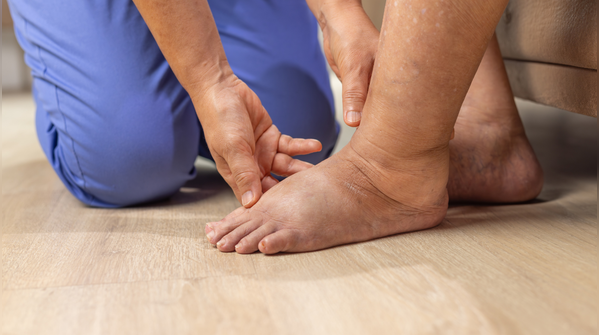
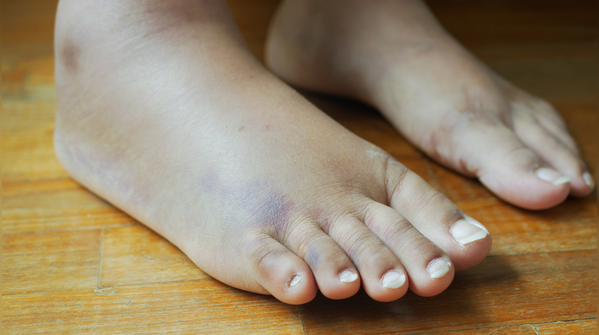
Why your feet swell after sitting too long
There
is a strange moment many people know too well. After sitting through a
long office meeting, a road trip, or an entire season of a show without
moving much, the feet suddenly feel heavier. Shoes seem tighter. Ankles
look puffier. Sometimes there is a faint throbbing sensation that
disappears after walking around for a few minutes.
Most people ignore it. Some laugh it off as “just tired feet.” But the body rarely does something without a reason.
Swelling
in the feet after long hours of sitting is one of the body’s simplest
warnings about poor circulation and fluid buildup. In medical terms,
this swelling is called edema. While it is often temporary, repeated
episodes can reveal how modern lifestyles are quietly affecting
circulation, veins, muscles, and even heart health.
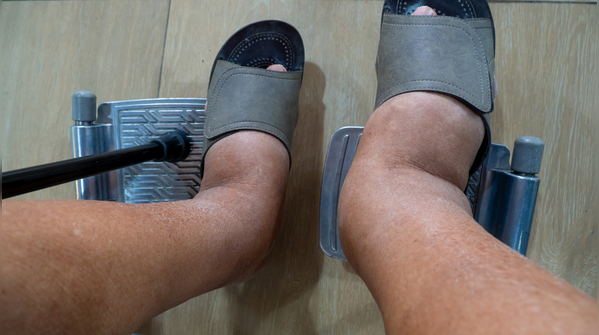
The body was never designed to sit still for hours
Human
circulation depends heavily on movement. Every time a person walks,
stretches, or even flexes the calf muscles, blood gets pushed upward
from the legs back toward the heart. This mechanism is often called the
“calf muscle pump.”
But when someone sits for too long, especially with legs hanging down, that pumping system slows dramatically.
Dr
Geetesh Govil, Consultant - Cardiology at Manipal Hospital, explains,
“Sitting for long hours, especially during work, travel, or
binge-watching sessions, can lead to swelling in the feet and ankles.
This happens because blood and fluids tend to pool in the lower part of
the body when there is very little movement. As circulation slows down,
the feet may appear puffy, tight, or uncomfortable.”
The science
behind this is surprisingly simple. Gravity pulls blood and fluid
downward all day long. Normally, movement helps send it back upward.
Without movement, fluid begins collecting in the tissues around the feet
and ankles.
A study published
by the National Institutes of Health (NIH) on prolonged sitting and
vascular health explains that long periods of uninterrupted sitting can
impair blood flow and affect vascular function, especially in the lower
limbs.
This is one reason why people often notice swelling after flights, desk jobs, gaming sessions, or long train journeys.
Why some people swell more than others
Not
everyone experiences swollen feet after sitting. Some barely notice it,
while others struggle with it regularly. The difference often comes
down to circulation, vein health, hydration, age, body weight, and
underlying medical conditions.
Dr Govil explains, “When
individuals remain inactive for long periods of time, the calf muscles
do not contract enough and fail to pump blood back toward the heart.
This causes fluid to gather in the tissues of the feet and ankles,
causing puffiness, heaviness, or discomfort known as edema.”
People
who already have weaker vein function may experience swelling more
easily. Veins contain tiny valves that help blood travel upward against
gravity. Over time, these valves can weaken, especially with aging,
obesity, diabetes, pregnancy, or prolonged sedentary lifestyles.
Hot
weather can make swelling worse too. Heat causes blood vessels to
widen, allowing more fluid to leak into surrounding tissues.
There
is also a modern lifestyle factor that often gets ignored:
uninterrupted sitting has become normal. People now work, eat, shop,
relax, and socialize while staying physically still for most of the day.
The body, however, still expects movement.
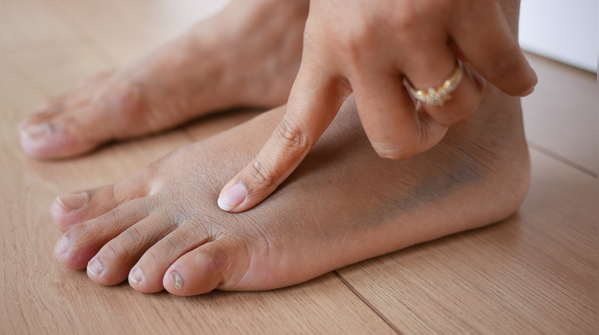
The small signs people often dismiss
Swelling does not always arrive dramatically. Often, it starts quietly.
A
person may notice sock marks staying on the skin longer than usual.
Shoes may suddenly feel snug by evening. Standing up after sitting for
hours may cause temporary stiffness.
Dr Govil says people commonly experience:
Swollen feet or ankles
Tightness in shoes
Mild pain or heaviness in the legs
Temporary stiffness after standing up
What
makes these symptoms interesting is how quickly the body reacts to
movement. Even a short walk can reduce swelling because muscle activity
immediately improves circulation.
This is why many people feel relief after pacing around a room for a few minutes.
But
persistent swelling should never be ignored completely. Repeated edema
can sometimes point toward deeper issues involving the heart, kidneys,
liver, thyroid, or veins.
According to the National Heart,Lung and Blood Institute (NHLBI) guide on edema, swelling that becomes chronic or painful may
require medical evaluation, particularly if it appears alongside chest
discomfort, shortness of breath, redness, or sudden weight gain.
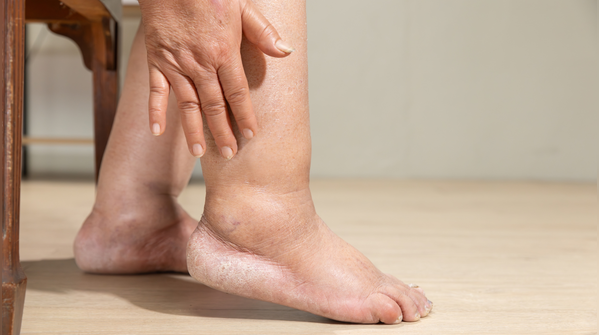
Why long sitting affects more than just the feet
Swollen feet may look like a small inconvenience, but they reflect a larger shift happening inside the body.
Extended
sitting changes blood flow patterns. It can slow circulation, increase
pressure inside veins, and reduce how efficiently blood vessels
function. Over months and years, this can contribute to varicose veins,
vascular stiffness, and metabolic problems.
Researchers are now
calling prolonged sitting “the new smoking” not because it is equally
dangerous, but because it quietly shapes long-term health risks while
becoming socially normalized.
One of the more overlooked effects
is how sitting changes lymphatic drainage. The lymphatic system helps
remove excess fluid and waste from tissues. Unlike the heart, it has no
pump of its own and depends heavily on body movement.
When movement disappears, drainage slows too.
This explains why even healthy young adults may develop temporary swelling during marathon workdays or long-haul travel.
The simplest prevention methods are still the most powerful
The good news is that the body responds quickly to small changes.
Dr
Govil advises, “Preventing swelling in the feet and ankles often
requires simple lifestyle changes and regular movement. It is important
to get up and walk around every 30-60 minutes, especially during long
hours of sitting at work or while travelling.”
He further adds, “Stretching the legs regularly can help improve blood circulation and reduce fluid buildup. Staying well hydrated also supports healthy circulation and prevents the body from retaining excess fluids.”
Simple habits can make a noticeable difference:
Rotating the ankles while seated
Flexing calf muscles every few minutes
Avoiding sitting cross-legged for long periods
Elevating the feet after long workdays
Wearing comfortable footwear during travel
Taking short walking breaks instead of remaining seated continuously
Even standing for two minutes every half hour can improve circulation significantly.
But there is one important boundary people should remember.
Dr
Govil cautions, “However, if swelling happens frequently, is painful,
or is associated with breathlessness or redness, medical evaluation is
important as it may indicate an underlying heart, kidney, or
vein-related condition.”
The body whispers before it screams.
Swollen feet after sitting too long may simply be a reminder that humans
were built to move more than modern life allows.