Tuesday, October 29, 2019

Are You Low in Calcium?

Calcium, best known for its important role in bone health is an essential mineral. Calcium  is needed to stabilize blood pressure, regulate hormone secretion and conduct nerve signals properly. When you don't get enough calcium you could suffer from calcium deficiency which could be identified by certain symptoms. Here's a list of the most common signs your body is lacking in calcium:
 
1. Dry skin
The lack of calcium, also known as Hypocalcemia, may be visible in your skin. This condition will likely make your skin look scaly and dry. It has also been found that calcium deficiency has a close link to the development of skin problems including eczema and psoriasis. 

2. Fatigue
An inadequacy of calcium can affect your overall physical health. So if you experience extreme fatigue, lethargy, lack of energy, or a constant feeling of sluggishness, ease up on the energy drinks. Instead, focus on something positive like balancing your diet. 

3. Depression
Calcium is also essential for regulating your mood. Calcium is a natural sedative that produces calming and relaxing effects. Generally, the less calcium you consume, the more depressed and irritable you may feel. 

4. Insomnia
As you sleep your levels of calcium rise and fall with higher levels occurring during deep sleep. If your body lacks calcium, you'll likely fail to have a sufficient deep night's sleep. This problem is related to calcium's role in the creation of melatonin, a hormone that helps us fall asleep.
5. Paresthesia
Paresthesia includes neurological symptoms related to severe calcium deficiency. You may experience tingling and numbness around the mouth or in the fingers and toes, muscle tremors, an impaired sense of touch and also a poor memory and hallucinations. 

6. Frequent illness
Calcium plays an important role in maintaining a healthy immune system as it helps your body fight against viruses and bacteria. A deficiency of calcium reduces your body's resistance against pathogen attacks, consequently giving you colds, coughs, and sneezes more often. 
7. Brittle nails
Just like your bones your nails need a certain amount of calcium to maintain their integrity. So, when you suffer from a deficiency in calcium your nails become dry, weak and are prone to peeling and splitting. Weak nails are not thick enough to withstand an impact and may, therefore, break during the simplest daily activities. 

8. Difficulty swallowing
While it may sound surprising, calcium deficiency can lead to dysphagia or difficulty in swallowing. This feeling of tightness is caused by poor contractions of the muscles in your throat. When severe, it can even lead to spasms in the larynx causing unusual changes in your voice. 
9. Toothaches
Most calcium is stored in our bones and teeth, so they are usually the first to suffer from calcium deficiency. Because of this vital element, your teeth may start to turn yellow, decay and may even hurt you. In addition, your risk of suffering from a periodontal disease may also increase. 

10. Muscle cramps
If you suffer from muscle cramps in your thighs, calves, arms, and underarms that mostly occur at night, it may be one of the early symptoms of a calcium deficiency. Cramps may also be followed by muscle aches while moving and walking and may progress into spasms in muscles all over your body with time.
How to treat calcium deficiency
calcium
All adults should consume around 1000mg of calcium a day. In order to maintain a proper calcium intake, your diet should include dark leafy greens including kale, collards, as well as broccoli and turnip greens. For other calcium-rich foods, it is necessary to eat more fatty fish including salmon, sardines, mackerel, and tuna, as well as cheese, milk, soybeans, almonds and sesame seeds. Furthermore, to help your body absorb calcium better you should increase your vitamin D intake which is found in foods like egg yolks, oysters, shrimps, mushrooms as well as fortified foods like cereal, oatmeal, and orange juice.

this is only for your information, kindly take the advice of your doctor for medicines, exercises and so on.     
https://gscrochetdesigns.blogspot.com. one can see my crochet creations  
https://gseasyrecipes.blogspot.com. feel free to view for easy, simple and healthy recipes    
https://kneereplacement-stickclub.blogspot.com. for info on knee replacement


Labels: , , , , , , , , , , , ,

Sunday, September 29, 2019

Problem of low BP is dangerous, know its symptoms and ways to deal with it

The problem of blood pressure is often heard, but it is common to have high blood pressure problems which are also easy to recognize the symptoms but less people know about low blood pressure. While the reality is that a large number of people in the world suffer from low BP problem. But since they do not know about its symptoms, they ignore it as normal dizziness. If the problem of low BP becomes severe, then oxygen and essential nutrients reaching the brain are hindered, so the problem of low BP should not be taken lightly.

The best way to deal with the problem of low BP is to keep yourself hydrated. Yes, it is very important that water is not cut down in order to make the body work better. If you are among those whose body becomes dehydrated very quickly, then you should do something for it. If most of your work is outdoors, then you should keep a water bottle near you and drink beverages like lemonade so that you do not feel weakness. Also, it is also considered that if you are pregnant then it is more likely that your blood pressure will be lowered. Although it is normal to have a slight decrease of BP during pregnancy, but if this happens often then you should get your checkup done immediately.

The problem of low blood pressure can also occur in some diseases related to the heart, that the blood in the body is not properly circulated and blood pressure is lowered. If the body lacks some essential nutrients like vitamin B-12 or iron, then the person becomes the victim of anemia, which can also cause low blood pressure problems. But salt can help you in low blood pressure. But do consult your doctor before increasing salt intake or eating salty things.

Today we are going to share with you the best and home remedies to deal with low blood pressure, as if you are constantly feeling dizzy then increase the amount of water. Water, anyway, is essential for better body execution and dehydration can be avoided by drinking more water. Drink 1 cup of raw beetroot juice at least 2 times a day. This is the best home remedy for low blood pressure treatment. If BP is low, then you can drink 1 cup of strong black coffee. It will also make you feel better. Simultaneously make almond paste and drink it with lukewarm milk. This will also solve the problem of low blood pressure.

this is only for your information, kindly take the advice of your doctor for medicines, exercises and so on.   
https://gscrochetdesigns.blogspot.com. one can see my crochet creations  

https://gseasyrecipes.blogspot.com. feel free to view for easy, simple and healthy recipes    
https://kneereplacement-stickclub.blogspot.com. for info on knee replacement
   

Labels: , , , , , , , , , , ,

Sunday, August 25, 2019

6 Causes of an Edema and Natural Ways to Solve It


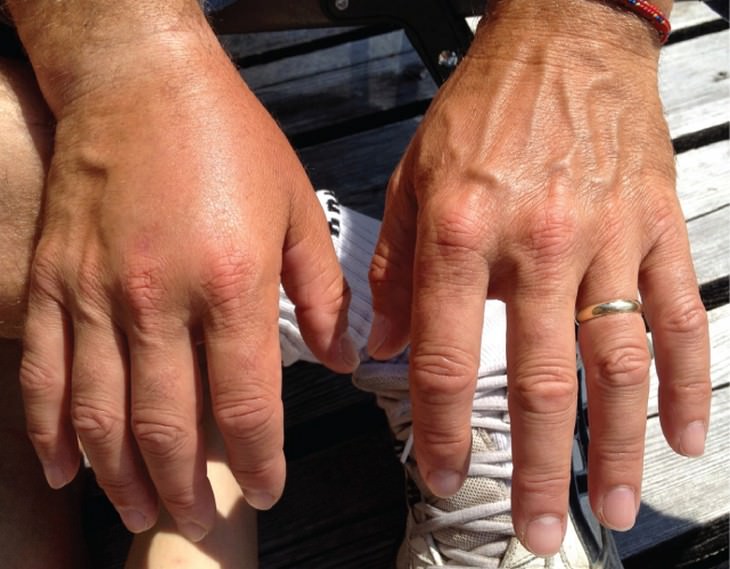
It is no secret that lack of exercise and poor nutrition can cause many physical problems and affect people's lifestyle. One such issue is an edema. An edema, which is actually an accumulation of fluids in various tissues in the body, is caused not only from unhealthy lifestyle but also by natural hormonal processes occurring during menopause and during pregnancy, and even when people are confined to their beds for a long time. Although this condition isn’t life-threatening, it can indicate defects in the body such as heart or kidney disease, so it is important not to ignore it. Depending on its cause, an edema can be alleviated by the following 6 simple and effective methods.
Edema

1. Excessive consumption of sodium

Today's industrial foods are full of salts to emphasize their taste, and since many consume them on a regular basis, they may develop an edema. Also adding salt to various foods made at home or when eating out causes excess fluid to accumulate in the cells that are supposed to dilute the excess sodium, so it is important to moderate salt intake to avoid an edema and other physical problems. Surprisingly, there are special salts that can solve this problem by causing the body to drain excess fluids. Drinking a glass of water with Himalayan or Celtic sea salt dissolved in it will help to relieve the edema easily and efficiently.

2. Vitamin B6 deficiency

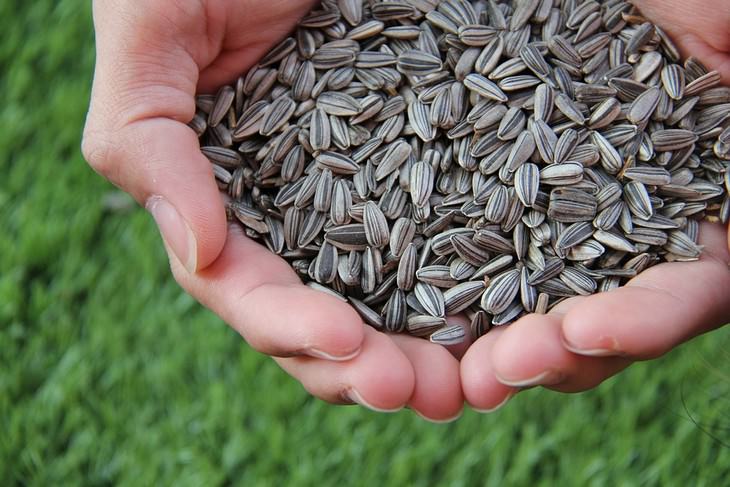
Vitamin B6 is responsible for maintaining fluid balance in the body, and when it is deficient, the body begins to accumulate water and swell as a result. In a study of middle-aged women, researchers found that women with an edema at that age experienced significant relief after consuming vitamin B6. Some foods that are rich in this essential vitamin can improve the condition of the edema such as chicken, tuna, turkey, sunflower seeds, dried fruits, pistachio nuts, unpeeled potatoes, lean beef, and bananas.
Edema

3. Lack of potassium

Potassium is responsible for the proper functioning of the organs, tissues, and cells in the body, as well as for the fluid balance. When you consume too much salt and an insufficient amount of water, it causes potassium depletion from the cells, which results in the accumulation of fluids in the various organs. Apart from this problem, lack of potassium can cause other symptoms such as weight gain and cramps and muscle spasms. It is important not to consume too much salt, and to consume a sufficient amount of potassium, which is found in most fruits, especially in different types of melons. The amount of potassium needed for the body can also be supplemented by eating vegetables containing this essential mineral.

4. Dehydration

It may seem a little strange that dehydration of fluids leads to their accumulation, but behind this fact is a reasonably logical biological reason; when the body feels that it isn’t getting enough fluids, it does everything in its power to keep whatever fluids it has in it, which causes an edema. The solution, of course, is to drink enough water every day, especially during hot summer days. It is also recommended to reduce the consumption of soft drinks and caffeine, which causes dehydration of the body and thus the storing fluids.

5. Magnesium deficiency

When an edema is formed, one of the biggest suspects is a deficiency in magnesium which has a hand in almost every process in the body. When this mineral is deficient, the body becomes unbalanced and one of the expressions is excessive storage of fluids. In this case, too, the solution is relatively simple and includes eating magnesium-rich foods, including dark chocolate, dark green vegetables, avocados, nuts, peas, spinach, yogurt and dried fruits.

6. Binge eating of processed foods

Industrial and processed foods contain large amounts of salts and sugars designed to enrich their taste, but they also cause water retention in the body. Apart from these ingredients, industrial food also contains artificial additives that can damage the kidneys and liver which aren’t able to filter them properly. For these reasons, it is important to avoid excessive consumption of industrial foods and to try to consume the following medicinal herbs, which can be found in health food stores, and act as diuretics that help to drain the body from excess fluids:
  • Dandelion
  • Horsetail
  • Hibiscus
  • Nettle
  • Fennel 
  • Parsley

THIS IS ONLY FOR INFORMATION, ALWAYS CONSULT YOU PHYSICIAN BEFORE HAVING ANY PARTICULAR FOOD/ MEDICATION/EXERCISE/OTHER REMEDIES.                                    PS- THOSE INTERESTED IN RECIPES ARE FREE TO  VIEW MY BLOG-                                                                                           https://gseasyrecipes.blogspot.com/                                                                                                                                                FOR INFO ABOUT KNEE REPLACEMENT, YOU CAN VIEW MY BLOG-                                                                       https:// kneereplacement-stickclub.blogspot.com/                                                                                                                     FOR CROCHET DESIGNS                                                                                                   
                                https://gscrochetdesigns.blogspot.com

Labels: , , , , , , , , , , , , , , , , ,

The Top 10 Most FAQs Concerning Alzheimer's Disease

Alzheimer's disease is a word many of us are familiar with. But do we know enough about the disease and how it may impact our lives - how it begins, what it does and what cures are available? These FAQs seek to provide a well-rounded foundation on Alzheimer's disease.

1. What is Alzheimer's disease?
Alzheimer's is a disease that occurs in the brain. It slowly impacts memory and thinking skills, and in the long run it will eventually impact a person's ability to carry out the simplest tasks. The onset of Alzheimer's may be slow, but it tends to get worse over time. 


2. What is dementia?
Dementia is a loss of thinking, remembering and reasoning skills that tends to interfere with a person's daily life and activities. The most common cause of dementia in older people is Alzheimer's disease. Dementia can range in severity. In its mild stage, this mental illness can affect a person's functioning. In the more severe stages, a person must depend on others for complete care. 


3. How many people in the U.S. have been diagnosed with Alzheimer's disease?
While estimates vary, it is believed that more than 5 million Americans may have Alzheimer's disease. It is also currently ranked as the sixth leading cause of death in the U.S. However, recent estimates indicate that it may, in fact, rank third, just behind heart disease and cancer. 


4. What is the first sign of Alzheimer's disease?
Memory problems are usually the first symptom of Alzheimer's disease. Other symptoms include a decline in other aspects of thinking, such as finding the right words, vision or spatial issues as well as impaired reasoning or judgment. 


5. What are the stages in the development of Alzheimer's disease?
In the early stage of Alzheimer's a person may
• Find it hard to remember things.
• Ask the same questions repeatedly.
• Get lost in familiar places.
• Lose things or put them in unusual places.
• Have trouble handling money and paying bills.
• Take longer than they normally would to finish daily tasks.
Once Alzheimer's has progressed to the middle stages, the symptoms, particularly memory loss and confusion, grow worse. At this stage, people may also have problems recognizing family and friends. Other symptoms include:
• Difficulty learning new things and coping with new situations.
• Trouble carrying out tasks that involve many steps, such as getting dressed.
• Impulsive behavior.
• Forgetting the names of common things.
• Hallucinations, delusions or paranoia.
• Wandering away from home.
Once Alzheimer's has progressed to the more severe stages, symptoms include:
• Inability to communicate.
• More likely to sleep.
• Weight loss.
• Trouble swallowing.
• They often become incontinent - they cannot control their bladder or bowels.
• Are in need of total care. 


6. What causes Alzheimer's disease?

It's exact cause is not yet known. In its early onset, which occurs in people aged between 30 and 60, a genetic mutation is usually the cause. Late-onset of Alzheimer's develops after the age of 60 and arises from a complex series of brain changes that occur over decades. The causes may include a combination of genetic, environmental and lifestyle factors.


Age is the most well-known risk for Alzheimer's disease. However, lifestyle factors such as diet and physical exercise as well as long-term health conditions like high blood pressure and diabetes may also play a role.

7. If you become forgetful as you get older, does that mean you will get Alzheimer's disease?

No. Not all memory problems are caused by Alzheimer's disease. In fact, mild forgetfulness is often a normal part of aging. Memory problems may also be related to a treatable health issue too. The following conditions may signal future memory loss, or possibly dementia:
• Medication side effects.
• Vitamin B12 deficiency.
• Chronic alcoholism.
• Tumors or infections in the brain.
• Thyroid, liver or kidney disorders also can lead to memory loss.
• Emotional problems such as stress, anxiety or depression may make a person forgetful. But the confusion and forgetfulness caused by emotions usually are temporary and tend to subside once the feelings fade.

8. Why is early diagnosis of Alzheimer’s important?


An early diagnosis can help people and their families plan for the future, giving them time to discuss care options, find support and make legal and financial arrangements while the person with Alzheimer's is still able to. In addition, early diagnosis offers the best chance to treat the symptoms.


9. Are there any medicines to treat Alzheimer's disease?


Unfortunately there are no medications to stop Alzheimer's disease. But four medications are recommended to treat the symptoms, including thinking, memory and speaking skills. They work by regulating certain chemicals in the brain. But most of these medicines work best for people diagnosed in the early or middle stages of the disease.

10. Is there anything I can do to prevent Alzheimer's disease?


While there are no medicines or treatments that one can take to prevent Alzheimer's, scientists are looking into many possibilities including lifestyle factors like exercise and physical activity, a healthy diet as well as mentally stimulating activities.


Scientists have also found clues that certain long-term health conditions like heart disease, high blood pressure and diabetes may be linked to Alzheimer's disease. It may therefore be possible that controlling these conditions will reduce a person's risk of developing Alzheimer's. 


THIS IS ONLY FOR INFORMATION, ALWAYS CONSULT YOU PHYSICIAN BEFORE HAVING ANY PARTICULAR FOOD/ MEDICATION/EXERCISE/OTHER REMEDIES.                                    PS- THOSE INTERESTED IN RECIPES ARE FREE TO  VIEW MY BLOG-                                                                                           https://gseasyrecipes.blogspot.com/                                                                                                                                                FOR INFO ABOUT KNEE REPLACEMENT, YOU CAN VIEW MY BLOG-                                                                       https:// kneereplacement-stickclub.blogspot.com/                                                                                                                     FOR CROCHET DESIGNS                                                                                                   
                                https://gscrochetdesigns.blogspot.com

Labels: , , , , , , , , , , , , , , ,

Saturday, November 03, 2018

Certain Vitamins Can Prolong Healthy Aging

A detailed new review of nutritional science argues that most diets are deficient in a key class of vitamins and minerals that play previously unrecognized roles in promoting longevity and in staving off chronic diseases such as heart disease, cancer and, potentially, neurodegeneration.

These findings are presented alongside a detailed survey of additional evidence published by other scientists. A scientist concludes that healthy aging can be extended by ingesting optimal levels of 30 known vitamins and essential minerals, and he suggests that these, along with 11 additional substances not currently classified as vitamins, should be recognized as essential “longevity vitamins” because of their potential to extend a healthy life. 

are not so deficient as to put their immediate health at risk from diseases such as rickets or scurvy, but a senior scientist at CHORI and emeritus professor of biochemistry and molecular biology at UC Berkeley, suggests that even minor vitamin deficiencies could impact long-term health.

Critical to Long-Term Maintenance

A researcher argues that nutrition science has long overlooked the fact that most vitamins and minerals are required by dozens to hundreds of different enzymes within our cells. This means that the same nutrients we need to maintain our day-to-day health – such as vitamin D, omega-3 fatty acids, and magnesium – are also critical components of enzymes required for our bodies’ long-term maintenance, in roles such as DNA repair, cardiovascular health and prevention of oxidative damage.

As a consequence, the researcher writes, when the body is faced with shortages of key nutrients, it must “ration” them, enabling enzymes critical to our immediate survival and reproductive capacity to keep functioning at the expense of longer-term physiological needs.The researcher – who is known for creating the “Ames test,” a method he devised during the 1970s to rapidly predict a given chemical’s potential to cause cancer – calls this theoretical framework “triage theory.” 

“The prevention of the degenerative diseases of aging is a different science than curing disease: it will involve expertise in metabolism, nutrition, biochemistry and genetic regulatory elements and polymorphisms,” the researcher writes. “This approach is critical for lowering medical costs. It has been estimated that the E.U. would save €4 billion from osteoporosis alone by using vitamin D and calcium supplementation.”

Importance of Diet for Health

In several recent publications, his team has found evidence that such trade-offs can be seen in people with chronic, low-level deficiencies in Vitamin K and the element selenium (which are key components of 16 and 25 different enzymes, respectively). Published studies from the Ames lab suggest that, when forced to ration scarce Vitamin K for its critical role in blood clotting, the body produces fewer enzymes required for keeping arteries clear, which has been linked to higher rates of mortality from cardiovascular disease.  

“Diet is very important for our long-term health and this theoretical framework just reinforces that you should try to do what your mother told you: eat your veggies, eat your fruit, give up sugary soft drinks and empty carbohydrates,” the researcher said. 

The scientist suspects many more longevity vitamins may remain to be discovered because – unlike so-called survival vitamins, such as Vitamin C, that were originally identified because we quickly become sick without them – their identification requires very long-term observation, since the damage caused by deprivation of these vitamins is, by nature, an insidious and slow process into old age.

The scientist who has published more than 500 scientific papers in a career spanning nearly seven decades, said he considers this an important publication. “This may be a theoretical paper, but I hope it can add a few years to everyone’s lives.”

THIS IS ONLY FOR INFORMATION, ALWAYS CONSULT YOU PHYSICIAN BEFORE HAVING ANY PARTICULAR FOOD/ MEDICATION/EXERCISE/OTHER REMEDIES.                                                                                                                                                                                                       PS- THOSE INTERESTED IN RECIPES ARE FREE TO  VIEW MY BLOG-                                                                                           https://gseasyrecipes.blogspot.com/   

FOR INFO ABOUT KNEE REPLACEMENT, YOU CAN VIEW MY BLOG-                                                                                          https:// kneereplacement-stickclub.blogspot.com/                              

FOR CROCHET DESIGNS                                                                                                                                                                                                                                 https://gscrochetdesigns.blogspot.com


Labels: , , , , , , ,

Sunday, April 22, 2018

Lack of Vitamin D may up diabetes risk by 5 times

Are you deficient in Vitamin D, also known as the sunshine vitamin? Beware, you may be at a greater risk of developing diabetes, warn researchers.

A team of researchers found that individuals with 25-hydroxyvitamin D levels below 30 ng/ml in blood plasma were at up to five times greater risk for developing diabetes than people with levels above 50 ng/ml.

“We found that participants with blood levels of 25-hydroxyvitamin D that were above 30 ng/ml had one-third of the risk of diabetes and those with levels above 50 ng/ml had one-fifth of the risk of developing diabetes,” said lead author. 

For the findings, reported in the journal, the team examined a cohort of 903 healthy adults (mean age: 74) with no indications of either pre-diabetes or diabetes.  

The researchers identified the minimum healthy level of 25-hydroxyvitamin D in blood plasma to be 30 nanogrammes per millilitre (ng/ml) and found to reach this, dietary supplements of 3,000 to 5,000 international units (IU) per day, less with the addition of moderate daily sun exposure with minimal clothing (approximately 10-15 minutes per day outdoors at noon) would be required.

The current recommended average daily amount of Vitamin D is 400 IU for children up to one year; 600 IU for ages one to 70 years (less for pregnant or breastfeeding women) and 800 IU for persons over 70, according to the National Institutes of Health. 

Higher daily amounts of Vitamin D are generally considered safe, but blood serum levels exceeding 125 ng/ml have been linked to adverse side effects, such as nausea, constipation, weight loss, heart rhythm problems and kidney damage, the researchers said.

THIS IS ONLY FOR INFORMATION, ALWAYS CONSULT YOU PHYSICIAN BEFORE HAVING ANY PARTICULAR FOOD/ MEDICATION/EXERCISE/OTHER REMEDIES.                                                                                                                                                                                                        PS- THOSE INTERESTED IN RECIPES ARE FREE TO  VIEW MY BLOG-                                                                                           https://gseasyrecipes.blogspot.com/  

FOR INFO ABOUT KNEE REPLACEMENT, YOU CAN VIEW MY BLOG-                                                                                                                              https:// kneereplacement-stickclub.blogspot.com/                              
FOR CROCHET DESIGNS                                                                                                                                                                                                                                 https://my crochet creations.blogspot.com
  

Labels: , , , , , , , ,