Wednesday, August 06, 2025

Suffer From an Edema? These are the Causes and Treatments

It is no secret that lack of exercise and poor nutrition can cause many physical problems and affect people's lifestyle. One such issue is an edema. An edema, which is actually an accumulation of fluids in various tissues in the body, is caused not only from unhealthy lifestyle but also by natural hormonal processes occurring during menopause and during pregnancy, and even when people are confined to their beds for a long time.
 
Although this condition isn’t life-threatening, it can indicate defects in the body such as heart or kidney disease, so it is important not to ignore it. Depending on its cause, an edema can be alleviated by the following 6 simple and effective methods.
1. Excessive consumption of sodium 
 Today's industrial foods are full of salts to emphasize their taste, and since many consume them on a regular basis, they may develop an edema. Also adding salt to various foods made at home or when eating out causes excess fluid to accumulate in the cells that are supposed to dilute the excess sodium, so it is important to moderate salt intake to avoid an edema and other physical problems. Surprisingly, there are special salts that can solve this problem by causing the body to drain excess fluids. Drinking a glass of water with Himalayan or Celtic sea salt dissolved in it will help to relieve the edema easily and efficiently.
2. Vitamin B6 deficiency 
 Edema
 
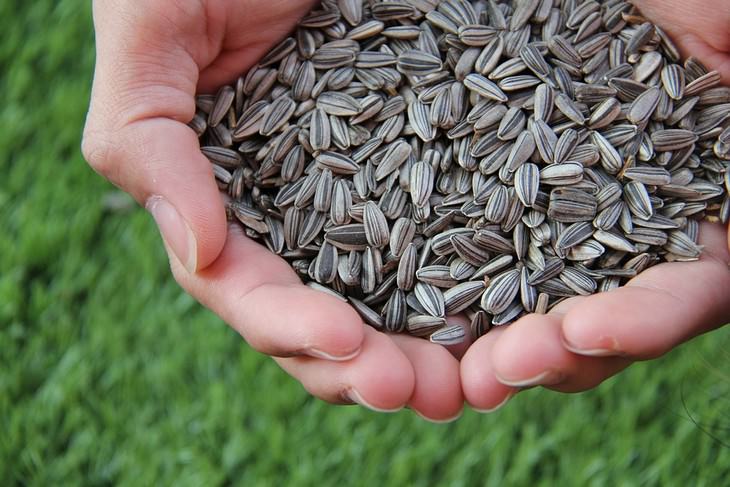
Vitamin B6 is responsible for maintaining fluid balance in the body, and when it is deficient, the body begins to accumulate water and swell as a result. In a study of middle-aged women, researchers found that women with an edema at that age experienced significant relief after consuming vitamin B6. Some foods that are rich in this essential vitamin can improve the condition of the edema such as chicken, tuna, turkey, sunflower seeds, dried fruits, pistachio nuts, unpeeled potatoes, lean beef, and bananas.

3. Lack of potassium 
Potassium is responsible for the proper functioning of the organs, tissues, and cells in the body, as well as for the fluid balance. When you consume too much salt and an insufficient amount of water, it causes potassium depletion from the cells, which results in the accumulation of fluids in the various organs. Apart from this problem, lack of potassium can cause other symptoms such as weight gain and cramps and muscle spasms. It is important not to consume too much salt, and to consume a sufficient amount of potassium, which is found in most fruits, especially in different types of melons. The amount of potassium needed for the body can also be supplemented by eating vegetables containing this essential mineral.


4. Dehydration  
It may seem a little strange that dehydration of fluids leads to their accumulation, but behind this fact is a reasonably logical biological reason; when the body feels that it isn’t getting enough fluids, it does everything in its power to keep whatever fluids it has in it, which causes an edema. The solution, of course, is to drink enough water every day, especially during hot summer days. It is also recommended to reduce the consumption of soft drinks and caffeine, which causes dehydration of the body and thus the storing fluids.

5. Magnesium deficiency 
When an edema is formed, one of the biggest suspects is a deficiency in magnesium which has a hand in almost every process in the body. When this mineral is deficient, the body becomes unbalanced and one of the expressions is excessive storage of fluids. In this case, too, the solution is relatively simple and includes eating magnesium-rich foods, including dark chocolate, dark green vegetables, avocados, nuts, peas, spinach, yogurt and dried fruits. 
 
6. Binge eating of processed foods 
Industrial and processed foods contain large amounts of salts and sugars designed to enrich their taste, but they also cause water retention in the body. Apart from these ingredients, industrial food also contains artificial additives that can damage the kidneys and liver which aren’t able to filter them properly. For these reasons, it is important to avoid excessive consumption of industrial foods and to try to consume the following medicinal herbs, which can be found in health food stores, and act as diuretics that help to drain the body from excess fluids: 
Dandelion 
Horsetail 
Hibiscus 
Nettle 
Fennel 
Parsley

This is only for your information, kindly take the advice of your doctor for medicines, exercises and so on.   


Labels: , , , , , , , , ,

Saturday, February 08, 2020

10 Healthy Herbal Teas and How They Benefit You

Herbal teas have grown in popularity over recent years and are feted by many for the range of health benefits they offer drinkers. Of course, in some countries - such as China and Sri Lanka - they have a long history of use for their medicinal qualities, as well as their range of tastes and flavors. When choosing an herbal tea, it's important to understand how each herb can help your health and overall well being. This article will help you select and prepare the right teas to match the health benefits most relevant to you.

What is Herbal Tea?

It's not really 'tea' at all, because tea is a specific type of plant. It refers to an infusion of leaves, seeds, roots or bark immersed in hot water. They should not be confused with 'fruit teas' (orange tea, lemon tea etc.), which are flavored largely to make them taste good. Only certain parts of many of the herbs used to make these drinks can be consumed, as others might be poisonous, but drinking a generously stacked portion of herbal tea can provide as much goodness as a vitamin pill, in a way that is easy and enjoyable to digest.


Selecting and Preparing Your Herbal Tea

When selecting an herbal tea, it is important to look for a well-sourced product made from natural ingredients. This is one sector where organic is usually very much best, and if you want to gain the most health benefits, avoid teas with added oils and artificial flavors. You should also leave your teabag to infuse for a decent amount of time - at least 10-15 minutes when preparing your drink. Here are ten of the healthiest herbal teas you can drink.
1. Chamomile
Main Benefits: Fights sleep problems & anxiety


Chamomile is a small flowering plant that looks similar to a daisy, and it's golden buds have been found to help people who struggle to sleep well or suffer from mild insomnia. This is because it contains tryptophan, an amino acid known for its tranquilizing qualities. Studies have shown that it also possesses anti-anxiety properties that can help anyone prone to bouts of anxiety to relax. Chamomile has been used as a medicinal herb for centuries and was favored by ancient Egyptians. It is an effective, gentle and natural sedative with anti-stress properties.


2. Elderflower
Main Benefits: Decongestant, allergy relief and treating the common cold


Elderflower is a white flower of the Elder plant, which belongs to the Adoxaceae family and is found in subtropical areas of the world. Only its ripe berries are edible (when cooked) and other parts of the plant are poisonous. The berries have been used throughout history as a treatment for the common cold, blocked sinuses, respiratory health, and allergy relief. So if you want to breathe more easily, try Elderflower Tea.

3. Peppermint
Main Benefits: Treatment for nausea, vomiting and Irritable Bowel Syndrome (IBS)

Peppermint is a hybrid cross between watermint and spearmint, and is indigenous to areas of Europe and the Middle East, although it has now been introduced to most areas of the world. It is a popular flavoring in confectionery, ice-cream, and toothpaste, and is also used in soaps, shampoos, and washes. It is also understood to encourage bile production in the gallbladder, helping the body break down fat and combat symptoms of nausea. It also provides short-term relief for people who suffer from Irritable Bowel Syndrome.

4. Lemon Verbena
Main Benefits: Aids digestion & boosts the immune system


Lemon verbena or Aloysia citrodora is a native South American plant brought to Europe in the 17th Century and cultivated for its oil. It is traditionally used in France as a digestive aid because the citrus helps to break down fats as they pass through the digestive tract. It can be drunk before and after meals to serve its purpose. Studies have also shown that it can reduce oxidative stress and strengthen white blood cell production, encouraging a better functioning immune system.

5. Green Tea
Main Benefits: Strengthens tissue cells

Pages could be written about the many health benefits of green tea, and no list of healthy herbal teas would be complete without it. It strengthens tissue cells to help protect the body from aging (and age-related diseases) and is high in antioxidants, which prevent cell damage caused by pollutants. Green tea can help fight cancer, heart disease, and diabetes and has a number of other benefits too. You can find out more here. The Japanese drink gallons of it, and they have the highest life expectancy of any nationality.

6. Fennel
Main Benefits: Treatment for constipation, colic, and flatulence. Also aids weight loss.

Fennel is a flowering plant native to the Mediterranean and has many ancient culinary and medicinal uses. It has anti-spasmodic properties that help relax intestinal muscles and provide an effective solution for constipation, colic, and flatulence. Fennel tea is also an excellent diuretic that encourages the urge to urinate, helping expel toxins from the body. The herb also helps suppress hunger and speeds up metabolism, making it an excellent weight loss tool.

7. Nettle
Main Benefits: Boosts a run-down body


Nettle is a British herb that forms the basis of an excellent, all-around healthy tea. It is made from the plant of the stinging nettle, a plant that causes pain if touched in the wild, and has been used in medicine for many thousands of years. It has been shown to have a range of health benefits, including the treatment of urinary tract infections, hay fever, and osteoarthritis. It boosts the immune system and supports the adrenal gland, just two of the properties that make it an excellent tea to drink when you are feeling run down.

8. Milk Thistle or Dandelion Tea
Main Benefit: Cleanses the liver


Both milk thistle and dandelion tea are classed as weeds in the wild, but when used in tea they are one of the best natural ways we can regenerate, cleanse and purify the liver. Although both are beneficial, they work in different ways. Dandelion is known to act as a liver tonic and stimulates bile secretion, while milk thistle has antioxidant and anti-inflammatory properties that help improve symptoms of hepatitis and liver disease.


9. Ginger
Main Benefits: Cleansing, circulation, digestion & pain relief


Ginger is another plant with plentiful health benefits and has been used for centuries to ease stomach upsets and relieve pain. Ginger tea can be bought from the store, or made using a fresh piece of ginger placed in water and simmered on the stove for 10-15 minutes. It is known for its warming properties, so it is a great option if you have a fever. It also promotes blood circulation and relieves joint pain, making it a great healer.

10. Rosehip Tea
Main Benefits: Protects the skin, boosts adrenal function and promotes immunity
Roses are among the best-loved flowers in the world, but they are not just useful for their beautiful scent and aesthetics. Their fruit - the rosehip - also provides a host of goodness that makes for a great fragrant and healthy tea. Rosehip is one of the best sources of vitamin C in the natural world, important for healthy skin, a successful immune system and tissue health. Rosehip also boosts adrenal function, providing plenty of extra energy and alertness. It's worth reaching for next time you feel run down

Labels: , , , , , , , , , , , , , , , , ,

Saturday, September 28, 2019

Herbal teas and its benefits

With the cold months slowly creeping into our lives, we thought we might delight your senses with an enormous collection of soothing, healing and simply delicious hot beverages. After all, few moments in life are as satisfying and enjoyable as a hot cup of something good when it’s raining or snowing outside, and it better not be a boring cup of coffee. We’d love for you to try some of these delectable drinks, as we really made an effort to include all sorts of drinks: ones that will benefit a specific health concern, ones that will help your body and soul fight the cold weather, and ones that are just little guilty indulgences.

10 Healthy Herbal Teas and How They Benefit You

Herbal teas have grown in popularity over recent years and are feted by many for the range of health benefits they offer drinkers. Of course, in some countries - such as China and Sri Lanka - they have a long history of use for their medicinal qualities, as well as their range of tastes and flavors. When choosing an herbal tea, it's important to understand how each herb can help your health and overall well being. This article will help you select and prepare the right teas to match the health benefits most relevant to you.
 
What is Herbal Tea?
It's not really 'tea' at all, because tea is a specific type of plant. It refers to an infusion of leaves, seeds, roots or bark immersed in hot water. They should not be confused with 'fruit teas' (orange tea, lemon tea etc.), which are flavored largely to make them taste good. Only certain parts of many of the herbs used to make these drinks can be consumed, as others might be poisonous, but drinking a generously stacked portion of herbal tea can provide as much goodness as a vitamin pill, in a way that is easy and enjoyable to digest.

Selecting and Preparing Your Herbal Tea
When selecting an herbal tea, it is important to look for a well-sourced product made from natural ingredients. This is one sector where organic is usually very much best, and if you want to gain the most health benefits, avoid teas with added oils and artificial flavors. You should also leave your teabag to infuse for a decent amount of time - at least 10-15 minutes when preparing your drink. Here are ten of the healthiest herbal teas you can drink.
1. Chamomile
herbal-tea-remedies
Main Benefits: Fights sleep problems & anxiety
Chamomile is a small flowering plant that looks similar to a daisy, and it's golden buds have been found to help people who struggle to sleep well or suffer from mild insomnia. This is because it contains tryptophan, an amino acid known for its tranquilizing qualities. Studies have shown that it also possesses anti-anxiety properties that can help anyone prone to bouts of anxiety to relax. Chamomile has been used as a medicinal herb for centuries and was favored by ancient Egyptians. It is an effective, gentle and natural sedative with anti-stress properties.

 2. Elderflower
Main Benefits: Decongestant, allergy relief and treating the common cold

Elderflower is a white flower of the Elder plant, which belongs to the Adoxaceae family and is found in subtropical areas of the world. Only its ripe berries are edible (when cooked) and other parts of the plant are poisonous. The berries have been used throughout history as a treatment for the common cold, blocked sinuses, respiratory health, and allergy relief. So if you want to breathe more easily, try Elderflower Tea.

3. Peppermint
Main Benefits: Treatment for nausea, vomiting and Irritable Bowel Syndrome (IBS)

Peppermint is a hybrid cross between watermint and spearmint, and is indigenous to areas of Europe and the Middle East, although it has now been introduced to most areas of the world. It is a popular flavoring in confectionery, ice-cream, and toothpaste, and is also used in soaps, shampoos, and washes. It is also understood to encourage bile production in the gallbladder, helping the body break down fat and combat symptoms of nausea. It also provides short-term relief for people who suffer from Irritable Bowel Syndrome.

4. Lemon Verbena 
herbal-tea-remedies
Main Benefits: Aids digestion & boosts the immune system

Lemon verbena or Aloysia citrodora is a native South American plant brought to Europe in the 17th Century and cultivated for its oil. It is traditionally used in France as a digestive aid because the citrus helps to break down fats as they pass through the digestive tract. It can be drunk before and after meals to serve its purpose. Studies have also shown that it can reduce oxidative stress and strengthen white blood cell production, encouraging a better functioning immune system.

 
5. Green Tea
Main Benefits: Strengthens tissue cells

Pages could be written about the many health benefits of green tea, and no list of healthy herbal teas would be complete without it. It strengthens tissue cells to help protect the body from aging (and age-related diseases) and is high in antioxidants, which prevent cell damage caused by pollutants. Green tea can help fight cancer, heart disease, and diabetes and has a number of other benefits too. You can find out more here. The Japanese drink gallons of it, and they have the highest life expectancy of any nationality.

6. Fennel
Main Benefits: Treatment for constipation, colic, and flatulence. Also aids weight loss.

Fennel is a flowering plant native to the Mediterranean and has many ancient culinary and medicinal uses. It has anti-spasmodic properties that help relax intestinal muscles and provide an effective solution for constipation, colic, and flatulence. Fennel tea is also an excellent diuretic that encourages the urge to urinate, helping expel toxins from the body. The herb also helps suppress hunger and speeds up metabolism, making it an excellent weight loss tool.

7. Nettle
Main Benefits: Boosts a run-down body

Nettle is a British herb that forms the basis of an excellent, all-around healthy tea. It is made from the plant of the stinging nettle, a plant that causes pain if touched in the wild, and has been used in medicine for many thousands of years. It has been shown to have a range of health benefits, including the treatment of urinary tract infections, hay fever, and osteoarthritis. It boosts the immune system and supports the adrenal gland, just two of the properties that make it an excellent tea to drink when you are feeling run down.

8. Milk Thistle or Dandelion Tea
Main Benefit: Cleanses the liver

Both milk thistle and dandelion tea are classed as weeds in the wild, but when used in tea they are one of the best natural ways we can regenerate, cleanse and purify the liver. Although both are beneficial, they work in different ways. Dandelion is known to act as a liver tonic and stimulates bile secretion, while milk thistle has antioxidant and anti-inflammatory properties that help improve symptoms of hepatitis and liver disease.

9. Ginger 
herbal-tea-remedies
Main Benefits: Cleansing, circulation, digestion & pain relief

Ginger is another plant with plentiful health benefits and has been used for centuries to ease stomach upsets and relieve pain. Ginger tea can be bought from the store, or made using a fresh piece of ginger placed in water and simmered on the stove for 10-15 minutes. It is known for its warming properties, so it is a great option if you have a fever. It also promotes blood circulation and relieves joint pain, making it a great healer.

10. Rosehip Tea Main Benefits: Protects the skin, boosts adrenal function and promotes immunity

Roses are among the best-loved flowers in the world, but they are not just useful for their beautiful scent and aesthetics. Their fruit - the rosehip - also provides a host of goodness that makes for a great fragrant and healthy tea. Rosehip is one of the best sources of vitamin C in the natural world, important for healthy skin, a successful immune system and tissue health. Rosehip also boosts adrenal function, providing plenty of extra energy and alertness. It's worth reaching for next time you feel run down.


this is only for your information, kindly take the advice of your doctor for medicines, exercises and so on.   
https://gscrochetdesigns.blogspot.com. one can see my crochet creations 
 

https://gseasyrecipes.blogspot.com. feel free to view for easy, simple and healthy recipes    
https://kneereplacement-stickclub.blogspot.com. for info on knee replacement


Labels: , , , , , , , , , , , , , , , , ,

Sunday, August 25, 2019

6 Causes of an Edema and Natural Ways to Solve It


It is no secret that lack of exercise and poor nutrition can cause many physical problems and affect people's lifestyle. One such issue is an edema. An edema, which is actually an accumulation of fluids in various tissues in the body, is caused not only from unhealthy lifestyle but also by natural hormonal processes occurring during menopause and during pregnancy, and even when people are confined to their beds for a long time. Although this condition isn’t life-threatening, it can indicate defects in the body such as heart or kidney disease, so it is important not to ignore it. Depending on its cause, an edema can be alleviated by the following 6 simple and effective methods.
Edema

1. Excessive consumption of sodium

Today's industrial foods are full of salts to emphasize their taste, and since many consume them on a regular basis, they may develop an edema. Also adding salt to various foods made at home or when eating out causes excess fluid to accumulate in the cells that are supposed to dilute the excess sodium, so it is important to moderate salt intake to avoid an edema and other physical problems. Surprisingly, there are special salts that can solve this problem by causing the body to drain excess fluids. Drinking a glass of water with Himalayan or Celtic sea salt dissolved in it will help to relieve the edema easily and efficiently.

2. Vitamin B6 deficiency

Vitamin B6 is responsible for maintaining fluid balance in the body, and when it is deficient, the body begins to accumulate water and swell as a result. In a study of middle-aged women, researchers found that women with an edema at that age experienced significant relief after consuming vitamin B6. Some foods that are rich in this essential vitamin can improve the condition of the edema such as chicken, tuna, turkey, sunflower seeds, dried fruits, pistachio nuts, unpeeled potatoes, lean beef, and bananas.
Edema

3. Lack of potassium

Potassium is responsible for the proper functioning of the organs, tissues, and cells in the body, as well as for the fluid balance. When you consume too much salt and an insufficient amount of water, it causes potassium depletion from the cells, which results in the accumulation of fluids in the various organs. Apart from this problem, lack of potassium can cause other symptoms such as weight gain and cramps and muscle spasms. It is important not to consume too much salt, and to consume a sufficient amount of potassium, which is found in most fruits, especially in different types of melons. The amount of potassium needed for the body can also be supplemented by eating vegetables containing this essential mineral.

4. Dehydration

It may seem a little strange that dehydration of fluids leads to their accumulation, but behind this fact is a reasonably logical biological reason; when the body feels that it isn’t getting enough fluids, it does everything in its power to keep whatever fluids it has in it, which causes an edema. The solution, of course, is to drink enough water every day, especially during hot summer days. It is also recommended to reduce the consumption of soft drinks and caffeine, which causes dehydration of the body and thus the storing fluids.

5. Magnesium deficiency

When an edema is formed, one of the biggest suspects is a deficiency in magnesium which has a hand in almost every process in the body. When this mineral is deficient, the body becomes unbalanced and one of the expressions is excessive storage of fluids. In this case, too, the solution is relatively simple and includes eating magnesium-rich foods, including dark chocolate, dark green vegetables, avocados, nuts, peas, spinach, yogurt and dried fruits.

6. Binge eating of processed foods

Industrial and processed foods contain large amounts of salts and sugars designed to enrich their taste, but they also cause water retention in the body. Apart from these ingredients, industrial food also contains artificial additives that can damage the kidneys and liver which aren’t able to filter them properly. For these reasons, it is important to avoid excessive consumption of industrial foods and to try to consume the following medicinal herbs, which can be found in health food stores, and act as diuretics that help to drain the body from excess fluids:
  • Dandelion
  • Horsetail
  • Hibiscus
  • Nettle
  • Fennel 
  • Parsley

THIS IS ONLY FOR INFORMATION, ALWAYS CONSULT YOU PHYSICIAN BEFORE HAVING ANY PARTICULAR FOOD/ MEDICATION/EXERCISE/OTHER REMEDIES.                                    PS- THOSE INTERESTED IN RECIPES ARE FREE TO  VIEW MY BLOG-                                                                                           https://gseasyrecipes.blogspot.com/                                                                                                                                                FOR INFO ABOUT KNEE REPLACEMENT, YOU CAN VIEW MY BLOG-                                                                       https:// kneereplacement-stickclub.blogspot.com/                                                                                                                     FOR CROCHET DESIGNS                                                                                                   
                                https://gscrochetdesigns.blogspot.com

Labels: , , , , , , , , , , , , , , , , ,