Wednesday, February 05, 2025

Suffer From Gas? These 6 Infusions Can Help!

Do you suffer from excessive gas and bloating, and don’t know how to deal with the annoying and embarrassing situation? You’ll be pleased to hear that there are a number of healthy and tasty infusions that can improve the discomfort caused by the accumulation of intestinal gas, as well as reduce the accompanying symptoms such as abdominal pain and heaviness. Choose your favorite ingredients from the next 6 infusions, and make the drink that will improve your digestion and give you quick relief. 
 
1. Fennel ( saunf) infusion 
 Tea infusions
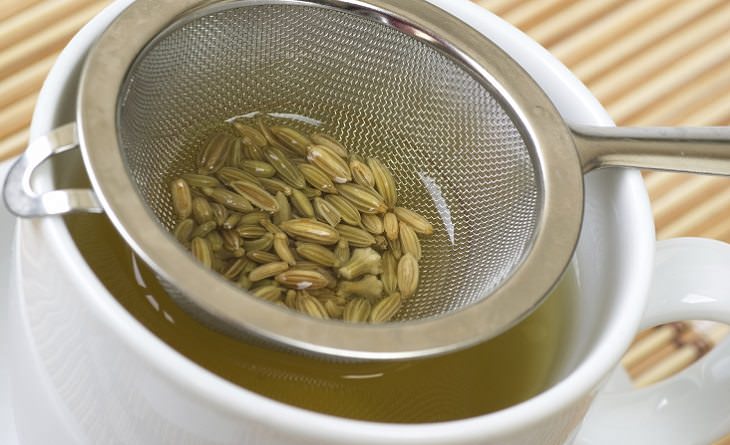
This is one of the most recommended treatments for abdominal pain, indigestion, diarrhea and gas, thanks to fennel’s toxin cleansing ability through the urinary system. The wonderful effects of fennel can be strengthened with a little bit of cardamom, which will help to eliminate gas.

Ingredients: 
1 ½ tablespoons fennel seed (15 g) 
 
½ a tbsp. cardamom (3 grams) 
 
1 cup boiling water (250 ml) 
 
Instructions: 
1. Put the fennel seeds and cardamom into the boiling cup of water. 
 
 2. Cover the cup and steep for 10 minutes. 
 
3. Sift the drink through a sieve to remove the fennel and cardamom. 
 
 4. Drink after each main meal.


2. Ginger infusion 
 Tea infusions
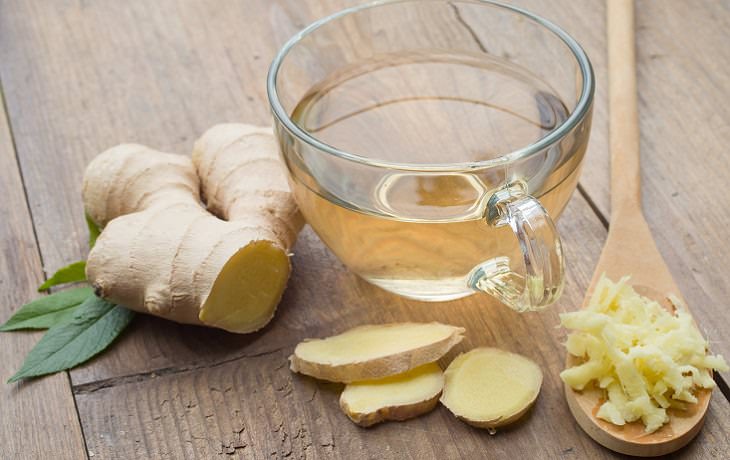
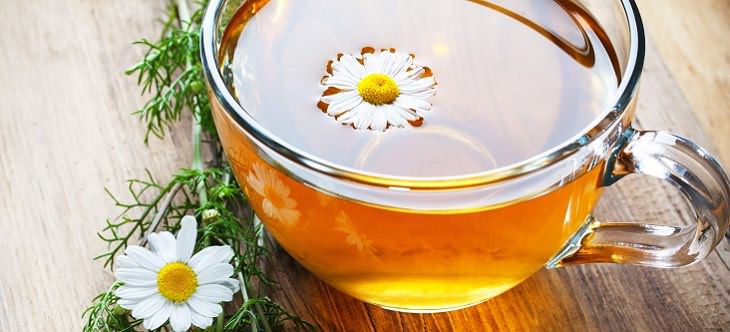
Ginger is a medicinal herb that has been used for the treatment of digestive problems for more than 2,000 years, and it is recommended to be used for digestion and gas problems to this day. The active ingredient in fresh ginger called Gingerol has anti-inflammatory and soothing properties that effectively manage gas and swelling.
Ingredients: 
A piece of ginger root 
 
Lemon juice from ½ a lemon 
 
1 tablespoon of honey (25 grams) 
 
1 cup of water (250 ml) 
 
Instructions:  
1. Boil the water in a pot over medium-high heat and add the ginger. 
 
 2. Lower the flame and cook the root for 2-3 minutes. 
 
 3. Remove the ginger root and add the lemon juice and honey to the pot. 
 
4. Wait until the beverage has cooled down and drink it. 
 
5. Drink up to 3 cups a day. 
 
 
3. Chamomile infusion  
Tea infusions 
Chamomile is an anti-inflammatory plant that reduces gas efficiently and quickly. After you drink the chamomile tea, you won’t only reduce your gas frequency, but you will notice that the symptoms that usually accompany them, such as bloating and pain, are diminished. 
 
Instructions:  
1. Place the chamomile in a cup of boiling water, cover it and let steep for 10 minutes. 
 
2. Sift the drink through a sieve so to easily remove the chamomile. 
 
 3. Use honey to sweeten the drink. 
 
4. It is recommended to drink 2-3 cups a day.
 
 
4. Mint infusion 
Tea infusions 
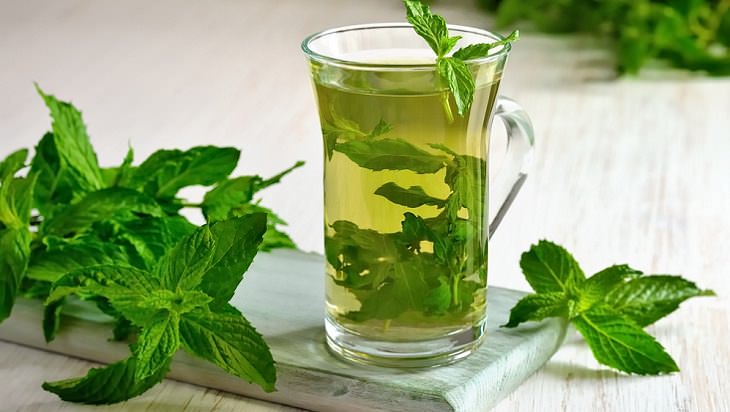
Mint is an anti-inflammatory plant that reduces gas that accumulates in the intestines, thus helping to reduce pain and nausea.

Ingredients: 
2 tablespoons mint (20 g) 
 
1 cup of water (250 ml) 
 
Instructions: 
 
1. Boil the water in a pot over medium-high flame and add the mint. 
 
2. Wait for the mint to sink into the bottom of the pot and remove it from the fire. 
 
3. Sift the drink using a sieve, to easily remove the mint. 4. It is recommended to drink the mint infusion after a heavy meal. 
 
 
5. Cumin ( jeera) infusion  
 Tea infusions
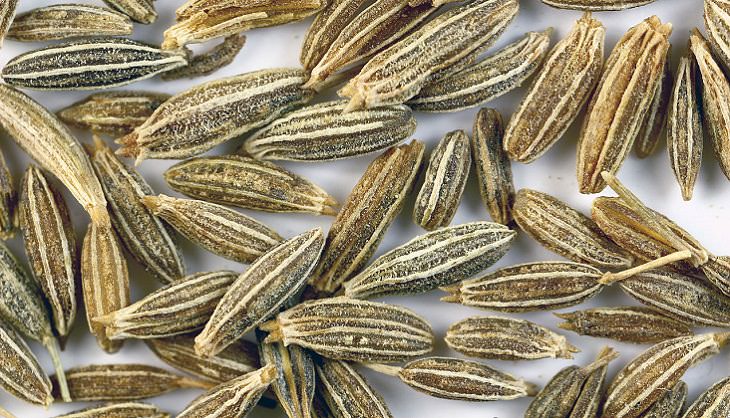
This natural drink has the ability to release excess gas that has accumulated in the body, reducing irritation of the intestines.

Ingredients: 
1 tablespoon cumin (10 grams) 
 
1 cup of water (250 ml) 
 
 Instructions:
 
1. Boil the water in a pot over medium-high heat and add the cumin. 
 
2. Cover the pot and let steep for 10 minutes. 
 
3. Sift the drink through a sieve to easily remove the cumin. 
 
 4. If you want to enjoy the best results, you may want to add a little bit of fennel to the drink. 
 
6. Cinnamon infusion 
Tea infusions
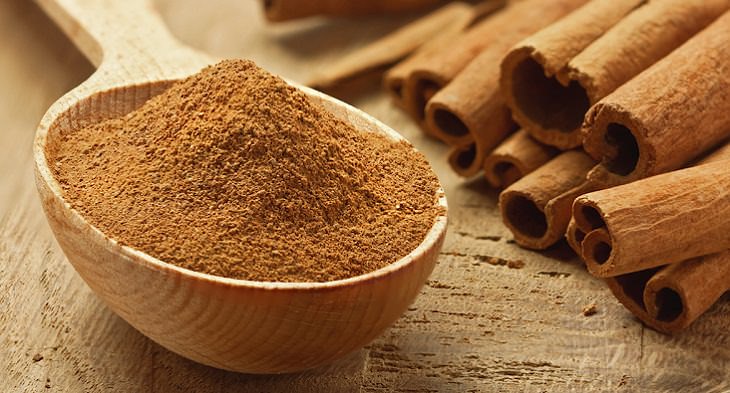
This drink is recommended primarily for people who suffer from digestive problems and discomfort caused by intestinal gas. This is because cinnamon coats the lining of the stomach and protects it against intestinal bacteria.

Ingredients:  
1 tablespoon of ground cinnamon (10 g) 
 
1 cup of boiling water (250 ml)
 
Instructions:  
1. Place the ground cinnamon into a cup of boiling water, and wait for 10 minutes. 
 
2. Drink this wonderful drink after each meal. 
 
Remember, in order for you to enjoy the best results, it is important to change your diet and avoid foods that induce gas such as dairy products, onions, garlic, broccoli, cauliflower, legumes, and carbonated beverages. Then choose the drink that contains the ingredients you like best, and you can enjoy its benefits that will ease your digestive system and reduce gas quantity and frequency.


This is only for your information, kindly take the advice of your doctor for medicines, exercises and so on.   

https://gscrochetdesigns.blogspot.com. one can see my crochet creations  
https://gseasyrecipes.blogspot.com. feel free to view for easy, simple and healthy recipes    
https://kneereplacement-stickclub.blogspot.com. for info on knee replacement
https://GSiyers home remedies.blogspot.com   is the latest addition to my blogs. I'm going to add posts there, do give me your valuable feed back on my blogs. Thanks a lot, take care, be healthy and be happy.

Labels: , , , , ,

Saturday, April 18, 2020

8 Herbal Teas to Help Reduce Bloating

If your abdomen sometimes feels swollen and uncomfortable, you’re not alone. Bloating affects 20–30% of people .

Many factors may trigger bloating, including food intolerances, a buildup of gas in your gut, imbalanced intestinal bacteria, ulcers, constipation, and parasitic infections.

Traditionally, people have used natural remedies, including herbal teas, to relieve bloating. Preliminary studies suggest that several herbal teas may help soothe this uncomfortable condition .

Here are 8 herbal teas to help reduce bloating.
1. Peppermint
In traditional medicine, peppermint (Mentha piperita) is widely recognized for helping soothe digestive issues. It has a cool, refreshing flavor .

Test-tube and animal studies suggest that plant compounds called flavonoids found in peppermint may inhibit the activity of mast cells. These are immune system cells that are abundant in your gut and sometimes contribute to bloating.

Animal studies also show that peppermint relaxes the gut, which may relieve intestinal spasms — as well as the bloating and pain that can accompany them .

Additionally, peppermint oil capsules may alleviate abdominal pain, bloating, and other digestive symptoms .

Peppermint tea hasn’t been tested for bloating. However, one study found that a single tea bag supplied six times more peppermint oil than a serving of peppermint leaf capsules. Therefore, peppermint tea may be quite potent .

You can buy single-ingredient peppermint tea or find it in tea blends formulated for stomach comfort.

To make the tea, add 1 tablespoon (1.5 grams) of dried peppermint leaves, 1 tea bag, or 3 tablespoons (17 grams) of fresh peppermint leaves to 1 cup (240 ml) of boiled water. Let it steep for 10 minutes before straining.

    Summary
    Test-tube, animal, and human studies suggest that flavonoids and oil in peppermint may relieve bloating. Thus, peppermint tea may have similar effects.

2. Lemon balm

Lemon balm (Melissa officinalis) tea has a lemony scent and flavor — along with hints of mint, as the plant is in the mint family.

The European Medicines Agency notes that lemon balm tea may relieve mild digestive issues, including bloating and gas, based on its traditional use .

Lemon balm is a key ingredient in Iberogast, a liquid supplement for digestion that contains nine different herbal extracts and is available in North America, Europe, and other regions, as well as online.

This product may decrease abdominal pain, constipation, and other digestive symptoms, according to several human studies .

However, lemon balm or its tea hasn’t been tested alone for its effects on digestive issues in people. More research is needed.

To make the tea, steep 1 tablespoon (3 grams) of dried lemon balm leaves — or 1 tea bag — in 1 cup (240 ml) of boiled water for 10 minutes.

    Summary
    Traditionally, lemon balm tea has been used for bloating and gas. Lemon balm is also one of nine herbs in a liquid supplement shown effective for digestive issues. Human studies of lemon balm tea are needed to confirm its gut benefits.

3. Wormwood

Wormwood (Artemisia absinthium) is a leafy, green herb that makes a bitter tea. It’s an acquired taste, but you can soften the flavor with lemon juice and honey.

Due to its bitterness, wormwood is sometimes used in digestive bitters. These are supplements made of bitter herbs and spices that may help support digestion .

Human studies suggest that 1-gram capsules of dried wormwood may prevent or relieve indigestion or discomfort in your upper abdomen. This herb promotes the release of digestive juices, which can help optimize healthy digestion and decrease bloating .

Animal and test-tube studies report that wormwood may also kill parasites, which can be a culprit in bloating .

However, wormwood tea itself hasn’t been tested for anti-bloating effects. More research is necessary.

To make the tea, use 1 teaspoon (1.5 grams) of the dried herb per cup (240 ml) of boiled water, steeping for 5 minutes.

Notably, wormwood shouldn’t be used during pregnancy, as it contains thujone, a compound that can cause uterine contractions.

    Summary
    Wormwood tea may stimulate the release of digestive juices, which may help relieve bloating and digestive issues. That said, human studies are needed.

4. Ginger

Ginger tea is made from the thick roots of the Zingiber officinale plant and has been used for stomach-related ailments since ancient times .

Human studies suggest that taking 1–1.5 grams of ginger capsules daily in divided doses may relieve nausea.

Additionally, ginger supplements may speed up stomach emptying, relieve digestive upset, and reduce intestinal cramping, bloating, and gas .

Notably, these studies were done with liquid extracts or capsules rather than tea. While more research is needed, the beneficial compounds in ginger — such as gingerols — are also present in its tea .

To make tea, use 1/4–1/2 teaspoon (0.5‒1.0 grams) of coarsely powdered, dried ginger root (or 1 tea bag) per cup (240 ml) of boiled water. Steep for 5 minutes.

Alternately, use 1 tablespoon (6 grams) of fresh, sliced ginger per cup (240 ml) of water and boil for 10 minutes, then strain.

Ginger tea has a spicy flavor, which you can soften with honey and lemon.

    Summary
    Studies suggest that ginger supplements may relieve nausea, bloating, and gas. Ginger tea may offer similar benefits, but human studies are needed.

5. Fennel

The seeds of fennel (Foeniculum vulgare) are used to make tea and taste similar to licorice.

Fennel has traditionally been used for digestive disorders, including abdominal pain, bloating, gas, and constipation .

In rats, treatment with fennel extract helped protect against ulcers. Preventing ulcers may reduce your risk of bloating .

Constipation is another contributing factor in some cases of bloating. Therefore, relieving sluggish bowels — one of fennel’s potential health effects — may also resolve bloating .

When nursing-home residents with chronic constipation drank 1 daily serving of an herbal tea blend made with fennel seeds, they had an average of 4 more bowel movements over 28 days than those drinking a placebo .

Still, human studies of fennel tea alone are needed to confirm its digestive benefits.

If you don’t want to use tea bags, you can buy fennel seeds and crush them for tea. Measure 1–2 teaspoons (2–5 grams) of seeds per cup (240 ml) of boiled water. Steep for 10–15 minutes.

    Summary
    Preliminary evidence suggests that fennel tea may protect against factors that increase bloating risk, including constipation and ulcers. Human studies of fennel tea are needed to confirm these effects.

6. Gentian root

Gentian root comes from the Gentiana lutea plant, which bears yellow flowers and has thick roots.

The tea may initially taste sweet, but a bitter taste follows. Some people prefer it mixed with chamomile tea and honey.

Traditionally, gentian root has been used in medicinal products and herbal teas formulated to aid bloating, gas, and other digestive issues .

Additionally, gentian root extract is used in digestive bitters. Gentian contains bitter plant compounds — including iridoids and flavonoids — that stimulate the release of digestive juices and bile to help break down food, which may relieve bloating .

Still, the tea hasn’t been tested in humans — and it’s not advised if you have an ulcer, as it can increase stomach acidity. Thus, more research is needed .

To make the tea, use 1/4–1/2 teaspoon (1–2 grams) of dried gentian root per cup (240 ml) of boiled water. Steep for 10 minutes.

    Summary
    Gentian root contains bitter plant compounds that may support good digestion and relieve bloating and gas. Human studies are needed to confirm these benefits.

7. Chamomile

Chamomile (Chamomillae romanae) is a member of the daisy family. The herb’s small, white flowers look like miniature daisies.

In traditional medicine, chamomile is used to treat indigestion, gas, diarrhea, nausea, vomiting, and ulcers .

Animal and test-tube studies suggest that chamomile may prevent Helicobacter pylori bacterial infections, which are a cause of stomach ulcers and associated with bloating .

Chamomile is also one of the herbs in the liquid supplement Iberogast, which has been shown to help decrease abdominal pain and ulcers .

Still, human studies of chamomile tea are needed to confirm its digestive benefits.

The chamomile flowers contain the most beneficial components, including flavonoids. Inspect dried tea to ensure it’s made from flower heads rather than leaves and stems .

To make this pleasant, slightly sweet tea, pour 1 cup (240 ml) of boiled water over 1 tablespoon (2–3 grams) of dried chamomile (or 1 tea bag) and steep for 10 minutes.

    Summary
    In traditional medicine, chamomile has been used for indigestion, gas, and nausea. Preliminary studies suggest that the herb may fight ulcers and abdominal pain, but human studies are needed.

8. Angelica root

This tea is made from roots of the Angelica archangelica plant, a member of the celery family. The herb has a bitter flavor but tastes better when steeped with lemon balm tea.

Angelica root extract is used in Iberogast and other herbal digestive products. The herb’s bitter components may stimulate digestive juices to promote healthy digestion .

Additionally, animal and test-tube research notes that angelica root may relieve constipation, which is a culprit in bloating .

Overall, more human research with this root is needed.

Some sources claim that angelica root shouldn’t be used during pregnancy, as there isn’t enough information on its safety. You should always consult your doctor before using any herb during pregnancy or while breastfeeding to ensure proper care (35Trusted Source).

A typical serving of angelica tea is 1 teaspoon (2.5 grams) of the dried root per cup (240 ml) of boiled water. Steep for 5 minutes.

    Summary
    Angelica root contains bitter compounds that may stimulate the release of digestive juices. Human studies are needed to confirm whether its tea has anti-bloating benefits.

The bottom line
Traditional medicine suggests that several herbal teas may reduce abdominal bloating and relieve digestive upset.

For example, peppermint, lemon balm, and wormwood are used in digestive products that have shown preliminary benefits against bloating. Still, human studies are needed on individual teas themselves.

That said, herbal tea is a simple, natural remedy you can try for bloating and other digestive issues.


This is only for your information, kindly take the advice of your doctor for medicines, exercises and so on.     

https://gscrochetdesigns.blogspot.com. one can see my crochet creations  
https://gseasyrecipes.blogspot.com. feel free to view for easy, simple and healthy recipes    
https://kneereplacement-stickclub.blogspot.com. for info on knee replacement

Labels: , , , , , , , , , , ,

Saturday, April 11, 2020

Early studies show pink eye could be related to COVID-19 but in few cases

According to several articles shared on social media, pink eye has been found to be a symptom in some coronavirus patients.

One such article  posted on the website has a headline that reads, “ ‘Pink Eye’ often a symptom of COVID-19, and infection via tears possible.” The article says a study by Chinese researchers that examined 38 patients with COVID-19 and found 12 also had pink eye. In two of the patients, the virus was found in eye fluids.

The claim has appeared on several other news websites, many citing the above study and guidance by the American Academy of Ophthalmology that pink eye could be a symptom. 


Pink eye and COVID-19
COVID-19, the respiratory disease caused by the novel coronavirus, has several known symptoms, including fever, cough, fatigue and shortness of breath, according to the Centers for Disease Control and Prevention. Symptoms may appear two to 14 days after a person’s exposure to the virus.

Conjunctivitis, or “pink eye,” is not listed by the CDC or the World Health Organization as a major symptom. 


Fact check:COVID-19 has new symptoms that include nausea, vomiting

According to the CDC, pink eye is commonly caused by bacteria, allergens, irritants or viruses, including some respiratory viruses. Symptoms can include a pink or red color in the white of the eye, increased tears, itching, discharge, crusting of the eyelids or lashes and swelling of the "conjunctiva," the mucous membrane covering the inside of the eyelid and white of the eyeball.


The study cited in the article posted by WebMD was published March 31 in the Journal of the American Medical Association. It found that of 38 Chinese patients with COVID-19 in Hubei province, 12 (32%) had "ocular manifestations consistent with conjunctivitis." Those symptoms frequently occurred in the patients who had the more severe COVID-19 symptoms, the study said. Of the 12, two tested positive for coronavirus in conjunctival swabs.


Though there's limited research on the topic, other available studies don't show a rate that's nearly that high. One study in the Journal of Medical Virology published in late February found one out of a group of 30 COVID-19 patients studied in China had conjunctivitis.

A study in The New England Journal of Medicine found conjunctivitis in just nine of 1,099 COVID-19 patients in China. None of those patients was shown to have seen ophthalmologists or had tears sampled.

Dr. Sonal Tuli, spokesperson for the American Academy of Ophthalmology, said the science about a connection is "very tentative."

"There is some evidence that there is conjunctivitis, and you might be shedding virus in your tears," she said. "But it's extremely rare is what we think at this point."

The American Academy of Ophthalmology classifies conjunctivitis as an uncommon symptom of COVID-19, possibly present in 1% to 3% of those infected.

On its website, the AAO disputes that the first paper shows 32% of those studied had conjunctivitis, since some of the symptoms listed in the study could have been caused by other factors.

Tuli said the medical community needs larger, more controlled studies to fully show a connection.

"Unless we have some sort of a study with a large group of people at different stages of coronavirus and looking at the tear films, I don’t know if we can actually make a very definitive decision as to whether this is something that we need to be worried about at this point or not," she said.

On CNN last month, a registered nurse at the Life Care Center in Kirkland, Washington, said reddening around the eyes was a common sign in people who became sick with the virus.

“It’s something that I witnessed in all of them (the patients),” she told CNN. “They have, like … allergy eyes. The white part of the eye is not red. It’s more like they have red eye shadow on the outside of their eyes.”

Tuli said the CNN report about the nurse noticing red around the eyes isn't a symptom consistent with pink eye itself.
Our ruling: True

We rate the possibility of pink eye as a COVID-19 symptom as true according to available studies, but more research is needed to concretely show the connection.

Available research points to pink-eye-related symptoms occurring rarely in COVID-19 patients – potentially only in 1% or fewer.

Though available studies prompted the AAO to classify pink eye as a symptom, the group's spokeswoman said the link is tentative and, like many other aspects of the disease, will need further research.

Neither the CDC nor WHO lists conjunctivitis among the main symptoms of COVID-19.


For people experiencing only pink eye and no other COVID-19 symptoms such as a fever, dry cough or shortness of breath, it's probably no reason for panic. The AAO's website advises people to remember it's allergy season, and viral pink eye is common on its own.   

This is only for your information, kindly take the advice of your doctor for medicines, exercises and so on.     

https://gscrochetdesigns.blogspot.com. one can see my crochet creations  
https://gseasyrecipes.blogspot.com. feel free to view for easy, simple and healthy recipes    
https://kneereplacement-stickclub.blogspot.com. for info on knee replacement


source- usatoday.com

Labels: , , , , , , , ,

Monday, March 23, 2020

Restaurants providing contactless delivery: But is your food safe?

Contactless delivery, a new safety initiative?

We are witnessing the disruption of the world economy as the Novel Coronavirus COVID-19 continues to spread across countries at a rapid rate. As a measure of prevention, many people have self quarantined themselves by staying at home to stop the transmission of the virus. And Restaurant businesses around the world take a hit as self-isolation becomes important, dine-in and takeaway at restaurants is not an option. However, ordering for food online is becoming a preferred means of indulging in restaurant food. The popular food aggregator apps such as Zomato and Swiggy are promising 'contactless delivery' to their customers and big fast food brands such as Dominos India and McDonald's are revamping their processes to focus on hygiene.

What is contactless delivery?

In a bid to prevent the spread of COVID-19, self-isolation is being taken very seriously. This means not getting out to the shops for food and supplies. But takeaways are now offering a contactless delivery to protect both the customer and the driver. Customers can now ask the delivery guys to leave food at a safe place such as a doorstep. This step has been taken to minimise the contact between the two parties.

Regarding this preventive measure, a KFC India spokesperson said, “To ensure health & safety of our consumers as well as team members in the current situation, we have rapidly put in place stringent operational protocols. These include sanitizing of all restaurant areas at regular intervals through the day and frequent sanitizing of tables, counters, doors and door handles every 30 minutes. Our delivery teams wash and sanitize their hands, alongside sanitizing delivery bags, after delivering each order. We are also launching ‘Zero Contact Delivery’ service, which will ensure that our trained delivery member will deliver food at the consumer's doorstep, without any contact with the consumer for prepaid orders. The riders will follow a strict protocol of wearing masks and hand gloves at all times during the delivery process”.


Can COVID-19 spread through food?

As the virus spreads through sneezes, exhales and coughs in a form of droplet transmission, it is unlikely that the virus will spread through food unless someone infected with the virus contaminated your food. To avoid a situation like this, our favourite fast-food giants like Taco Bell India and others are adapting to the practice of social distancing and adhering to the cleanliness and hygienic standards.

“The health and safety of our employees and consumers is of utmost priority. Hence, we have taken additional measures, above and beyond our existing hygiene best practices like increasing the frequency of hand washing and sanitizing. Our kitchen staff use gloves at all times, and food preparation stations are cleaned and disinfected every hour. We are committed to continue delivering on our promise of ‘Trust in Every Bite’ to our consumers, whether they dine at their nearest Taco Bell restaurant, or choose to take-away or order-in, as per their convenience,” said a Taco Bell India spokesperson.


Your food is safe!While the matter is quite fragile, if taken proper measures, we can beat the risk of being infected by the virus. Several restaurants and food outlets are trying their best to maintain hygiene for the staff as well as the customers. Initiating 'contactless delivery' is just the first step to make it a safe exchange between the driver and the customer. Self-quarantining never said you couldn't eat your favourite food! We hope that other restaurants also take the matter as a priority and practice proper hygiene.


Heat your food
However to ensure double safety, heat or microwave your food at high temperature before you consume it.


This is only for your information, kindly take the advice of your doctor for medicines, exercises and so on.     

https://gscrochetdesigns.blogspot.com. one can see my crochet creations  
https://gseasyrecipes.blogspot.com. feel free to view for easy, simple and healthy recipes    
https://kneereplacement-stickclub.blogspot.com. for info on knee replacement

Labels: , , , , , ,

Tuesday, March 03, 2020

15 Medicinal Plants the Potency of Which Is Backed By Science

Medicinal herbs and plants are often associated with alternative medicine, but the reality is that many plant-based products are recognized and used in conventional medicine as well. In fact, many pills we associate with “chemicals”, such as aspirin, for example, are derived from herbs and plants. The 15 medicinal plants listed here all have a whole host of various science-backed health benefits.
herbal medicines with science backing herbal medicines
Like
It also needs pointing out that, despite popular belief, natural medicines are by no means more gentle than conventional treatments, even if some may be less concentrated. Most of these powerful plants are just as potent and active as conventional medicine, which is why you should always be cautious and consult your doctor when mixing them with any medical treatments.
Another point to consider is the sourcing of plant-based medicines. Unfortunately, most herbal and plant-based medicines are regulated significantly less than conventional medical treatments, which means that it’s safest to opt for brands with a good reputation to avoid contaminated or inadequately-dosed products.
If you’re looking to incorporate herb and plant medicine in your daily regimen, these 15 herbs are an excellent and safe start.


1. Grape Seed Extract


Grape seed extract (GSE) is a supplement based on ground-up grape seeds. It is available in different forms, both as tablets and as a liquid. This extract is known for its outstanding antioxidant activity, which accounts for the beneficial health effects of GSE for several conditions, namely:

    Poor blood circulation and swelling of the legs were shown to improve after a few weeks of taking GSE in studies featuring healthy adults and postmenopausal women with an increased risk of blood clotting.
    Hypertension and high cholesterol: a review study suggests daily supplementation with GSE can lower both systolic and diastolic blood pressure, especially in those suffering from metabolic syndrome, but also in otherwise healthy adults.
    Cancer studies featuring GSE are likewise ever-growing, though most are animal model studies. The extract may prove beneficial at preventing some forms of cancer and enhancing the effectiveness of chemotherapy.

There is no fixed recommended daily dose of GSE, but most studies list a dose between 100-300 milligrams. Patients taking blood thinners should not take grape seed extract without a doctor's supervision.


2. Echinacea
Echinacea is an herb native to North America, which is highly regarded for its antimicrobial benefits. The herb has been used to fight cold and flu symptoms for centuries, first introduced to European colonizers by Native American communities. Today, the herb is available in the form of supplements, powders, teas, and even juices.
Studies regarding the extent to which echinacea is capable of preventing a cold when taken during cold season or during the early onset of a cold are mixed, with most research suggesting that it can reduce one's likelihood of catching a cold or the flu by 10-58%. The herb can reportedly activate the immune system and may possibly have anti-inflammatory properties as well, hence the improvement in cold and flu symptoms. 


3. Flax seeds

Another ancient remedy that actually has quite a scientific backing are flaxseeds. These small, reddish-brown seeds have been used in food and medicine since 5,000 BC, and they are rich in phytoestrogens, soluble fiber, and omega-3 fatty acids.
The key health benefits of flax seeds include:

    Weight loss: flax seeds were shown to promote weight loss and prevent obesity.
    Constipation sufferers may benefit from taking flax seeds to promote bowel movements, likely due to the high fiber count of the seeds.
    Hypertension and high cholesterol: studies suggest that including flax seeds in your diet can reduce blood pressure after 6 months of use and decrease levels of LDL (or "bad") cholesterol by 8-18% in both healthy adults and those suffering from high cholesterol.
    Colon cancer prevention may be another beneficial property of flax seeds, with one animal study showing a marked reduction in tumor growth and recurrence of colon cancer in subjects who took flax seeds.

Flax seeds are widely available, and they are sold whole in grocery stores, or in the form of oil or supplements. Be careful with where you purchase the seeds, as raw and unripe flax seeds are toxic. The best way to include flax seeds in your diet is by simply sprinkling them on foods, such as salads, oatmeal, pasta, or any other meal.

4. Tea Tree Oil
Tea tree oil is an essential oil derived from the leaves of the tea tree plant (Melaleuca alternifolia), which is native to Australia. This oil is sold in a concentrated form and should be used topically diluted within a base oil to treat minor cuts, insect bites, and acne - all warranted and scientifically-backed uses. Tea tree oil is also a common ingredient in acne treatments and cosmetic products.
As mentioned above, the oil has antibacterial properties, but the antifungal claims (the ability to treat dandruff and athlete's foot) don't have much scientific evidence to support them. Avoid using or keep tea tree oil away from kids under the age of 12 and pets, as it is toxic for them. Don't use tea tree oil around your mouth or ingest the oil - it is toxic even for adults when consumed internally.


5. Turmeric
Turmeric, the golden spice we're all probably familiar with, is renowned for its anti-inflammatory properties. Turmeric is widely available everywhere these days, and you can buy it fresh, powdered, or in supplement form. Apart from the anecdotal evidence and traditional use of the spice in Ayurveda, there are several scientifically-supported benefits of turmeric:
Osteoarthritis pain reduction is one of the most well-founded benefits of turmeric, with turmeric supplementation being found to be as effective as ibuprofen at relieving joint pain.
Depression symptoms are likewise reduced in patients suffering from major depression who are already taking an antidepressant, so turmeric may enhance or supplement the potency of antidepressants.
Antioxidant-rich turmeric is recommended as an addition to food capable of fighting free radical damage.
High blood lipid content reduction is also observed, especially in patients with metabolic syndrome.

When choosing a turmeric supplement or powder, be wary of the sourcing of the product.  Some suppliers are known for mixing turmeric with lead to add a vibrant color. Avoid using the spice without a doctor's permission if you're taking blood-thinning medications.


6. Lavender

If you're ever feeling stressed or restless, and who doesn't, consider making lavender essential oil a permanent feature in your bathroom cabinet. This concentrated essential oil derived from aromatic lavender flowers is a beautiful calming agent that was shown to decrease migraines, lower anxiety levels and prevent memory loss and concentration issues during stressful periods in life.
The oil is best used as aromatherapy, but relaxing lavender teas are likewise available in stores. Like tea tree oil, lavender essential oil should be diluted using a carrier oil and should not be consumed internally, as allergic reactions and toxicity are quite common.


7. Peppermint
Peppermint is leafy plant from the mint family, and its leaves have been used as an herbal remedy for millennia. Dried peppermint leaves were even found in Egyptian pyramids - the first archeological evidence of the medicinal use of the plant. Today, we have scientific evidence of peppermint tea being effective at easing abdominal pain and bloating in patients suffering from chronic digestive issues, such as irritable bowel syndrome (IBS).
Peppermint is also effective at relieving indigestion symptoms. Finally, there is also some evidence that applying peppermint oil on one's temples may reduce tension headaches as well as 1,000 mg of acetaminophen.


8. Chili Peppers

Chili peppers are also some of the most well-studied plant medicines. These red spicy peppers are native to Mexico, and they can be used to ease joint and muscle pain, heartburn, and may even help regulate blood pressure. All of this is thanks to the active spicy component in chilies - capsaicin, as well as other antioxidant components.
There are many existing varieties of chili peppers. Needless to say, chilies are available in many forms, both as food condiments, powdered spices, fresh, or dried whole. Some topical pain relieving creams and ointments, too, contain chili peppers.

9. Evening Primrose Oil

Evening primrose oil is derived from the vibrant yellow flowers and other parts of the common evening primrose plant. Evening primrose has been used by Native Americans and Europeans to treat a variety of issues for centuries. Today, we know that the oil of the plant is effective at reducing the symptoms of eczema, dermatitis, PMS, rheumatoid arthritis pain, and even nerve damage due to diabetes.
Evening primrose oil is available in supplement form, but before you decide to start taking it, consult with your doctor. Primrose oil has many interactions with other medications, such as blood thinners and antipsychotic medications, just to name a few. It is also not recommended for people suffering from bleeding disorders and epilepsy, as it can cause seizures, bleeding, and other complications.


10. Caraway Seeds

You have likely tried caraway seeds in foods, and they do add a pleasant anise flavor when added to stews, soups, and even bread. But did you know that these seeds also offer several health benefits? These seeds are beneficial for digestion, being capable of relieving cramps, bloating, gas and other digestive symptoms.
Additional studies also show that these seeds also offer anti-inflammatory benefits and promote immune health. Adding caraway seeds into your diet is easy - simply add 1 teaspoon to 1 tablespoon of whole or powdered seeds into foods when you need it, and you're done. People with gallbladder issues should consult their physician before consuming caraway seeds.


11. Eucalyptus Oil

Here is another Australian plant with remarkable pain relief properties - eucalyptus oil. Apart from the known effect of clearing the air passageways when your nose is congested, eucalyptus oil actually also has pain-relieving properties when inhaled.
Do keep in mind, however, that this strong oil isn't suitable for small children and patients suffering from asthma and other breathing issues. Also make sure to keep the oil away from pets, as it is toxic when ingested.


12. Chamomile

Chamomile isn't just a tea flavor. The flowers of the Roman chamomile plant have been dried and brewed to be used as a calming and antibacterial remedy for centuries. Chamomile is available in a variety of forms, including teas, capsules, and liquids today, and scientific evidence suggests that the herb is capable of reducing anxiety in people suffering from generalized anxiety disorder, so it's similar to lavender in terms of its soothing and calming properties.


13. Shiitake Mushrooms


Who doesn't need an immunity and longevity boost these days? Well, it seems like adding some Japanese shiitake mushrooms into your soups or other dishes just may help you in that. These mushrooms are considered medicine in Asian countries where they originated, and there is some evidence suggesting that these delicious mushrooms can improve one's immune health after just 4 weeks of daily consumption.
There's also some additional research supporting the antioxidant and cancer-prevention effect of shiitake mushrooms. The recommended daily dose of the mushrooms varies across studies: 5-10 grams is the average daily intake.


14. Nettles

If you only see stinging nettle as a weed that causes a terrible skin rash, you might change your mind after reading this. In fact, tea made of stinging nettle is a traditional remedy for urinary issues, such as kidney stones, an enlarged prostate, and urinary tract infections, and there is some evidence to support those claims.


Stinging nettle may also be beneficial at relieving arthritis pain and inflammation, as suggested by the Arthritis Foundation. Finally, there is some research suggesting nettle tea is beneficial for lowering blood sugar, but more evidence is necessary to support that claim.


Note that stinging nettle tea isn't safe for pregnant and breastfeeding women and has quite a lot of drug interactions, so if you want to start drinking nettle tea regularly or taking a nettle supplement, talk to your doctor first.


15. Ginkgo 


Ginkgo biloba is one of the most ancient surviving tree species on the planet, with some fossils of the tree dating back 270 million years. Native to China, the tree is now widely available as a nutritional supplement that promises to keep your brain young and help you prevent dementia. But are any of those claims true?


There is some truth to those claims: scientific evidence shows that ginkgo supplementation can help slow down cognitive decline associated with dementia and Alzheimer's disease by increasing blood flow and oxygen supply to the brain. The herb may also be beneficial for memory, alertness, and may even help with vertigo.


The herbal medicine is made of the leaves of the ginkgo tree, and these leaves can be either sold dried to prepare tea, or offered in the form of drops, tablets, or capsules. Keep in mind that ginkgo may have adverse side effects and unexpected drug interactions, so make sure you notify your physician before deciding to take this supplement.


This is only for your information, kindly take the advice of your doctor for medicines, exercises and so on.     

https://gscrochetdesigns.blogspot.com. one can see my crochet creations  
https://gseasyrecipes.blogspot.com. feel free to view for easy, simple and healthy recipes    
https://kneereplacement-stickclub.blogspot.com. for info on knee replacement
 

Labels: , , , , , , , , , , , , , ,