Wednesday, October 29, 2025

These 15 Powerful Plant Medicines Are Science Approved

 Medicinal herbs and plants are often associated with alternative medicine, but the reality is that many plant-based products are recognized and used in conventional medicine as well. In fact, many pills we associate with “chemicals”, such as aspirin, for example, are derived from herbs and plants. The 15 medicinal plants listed here all have a whole host of various science-backed health benefits.

It also needs pointing out that, despite popular belief, natural medicines are by no means more gentle than conventional treatments, even if some may be less concentrated. Most of these powerful plants are just as potent and active as conventional medicine, which is why you should always be cautious and consult your doctor when mixing them with any medical treatments.

Another point to consider is the sourcing of plant-based medicines. Unfortunately, most herbal and plant-based medicines are regulated significantly less than conventional medical treatments, which means that it’s safest to opt for brands with a good reputation to avoid contaminated or inadequately-dosed products.

If you’re looking to incorporate herb and plant medicine in your daily regimen, these 15 herbs are an excellent and safe start.

1. Grape seed Extract
 herbal medicines with science backing Grapeseed Oil
 
Grape seed extract (GSE) is a supplement based on ground-up grape seeds. It is available in different forms, both as tablets and as a liquid. This extract is known for its outstanding antioxidant activity, which accounts for the beneficial health effects of GSE for several conditions, namely:

Poor blood circulation and swelling of the legs were shown to improve after a few weeks of taking GSE in studies featuring healthy adults and postmenopausal women with an increased risk of blood clotting.

Hypertension and high cholesterol: a review study suggests daily supplementation with GSE can lower both systolic and diastolic blood pressure, especially in those suffering from metabolic syndrome, but also in otherwise healthy adults.

Cancer studies featuring GSE are likewise ever-growing, though most are animal model studies. The extract may prove beneficial at preventing some forms of cancer and enhancing the effectiveness of chemotherapy.

There is no fixed recommended daily dose of GSE, but most studies list a dose between 100-300 milligrams. Patients taking blood thinners should not take grape seed extract without a doctor's supervision.

2. Echinacea
herbal medicines with science backing Echinacea
Echinacea is an herb native to North America, which is highly regarded for its antimicrobial benefits. The herb has been used to fight cold and flu symptoms for centuries, first introduced to European colonizers by Native American communities. Today, the herb is available in the form of supplements, powders, teas, and even juices.

Studies regarding the extent to which echinacea is capable of preventing a cold when taken during cold season or during the early onset of a cold are mixed, with most research suggesting that it can reduce one's likelihood of catching a cold or the flu by 10-58%. The herb can reportedly activate the immune system and may possibly have anti-inflammatory properties as well, hence the improvement in cold and flu symptoms. 

3. Flaxseeds

herbal medicines with science backing flaxseeds

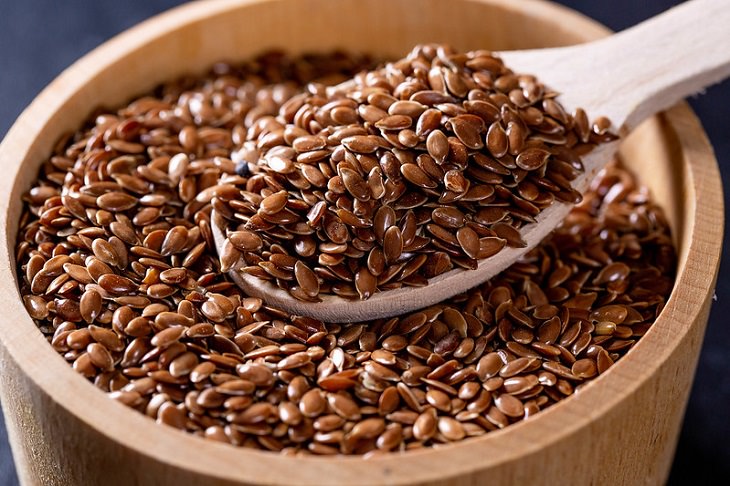
Another ancient remedy that actually has quite a scientific backing are flaxseeds. These small, reddish-brown seeds have been used in food and medicine since 5,000 BC, and they are rich in phytoestrogens, soluble fiber, and omega-3 fatty acids.

The key health benefits include
Weight loss: flaxseeds were shown to promote weight loss and prevent obesity.

Constipation sufferers may benefit from taking flaxseeds to promote bowel movements, likely due to the high fiber count of the seeds.

Hypertension and high cholesterol- studies suggest that including flaxseeds in your diet can reduce blood pressure after 6 months of use and decrease levels of LDL (or "bad") cholesterol by 8-18% in both healthy adults and those suffering from high cholesterol.

Colon cancer prevention may be another beneficial property of flaxseeds, with one animal study showing a marked reduction in tumor growth and recurrence of colon cancer in subjects who took flaxseeds.
Flaxseeds are widely available, and they are sold whole in grocery stores, or in the form of oil or supplements. Be careful with where you purchase the seeds, as raw and unripe flaxseeds are toxic. The best way to include flaxseeds in your diet is by simply sprinkling them on foods, such as salads, oatmeal, pasta, or any other meal.

4) Tea Tree oil 
 
 herbal medicines with science backing tea tree
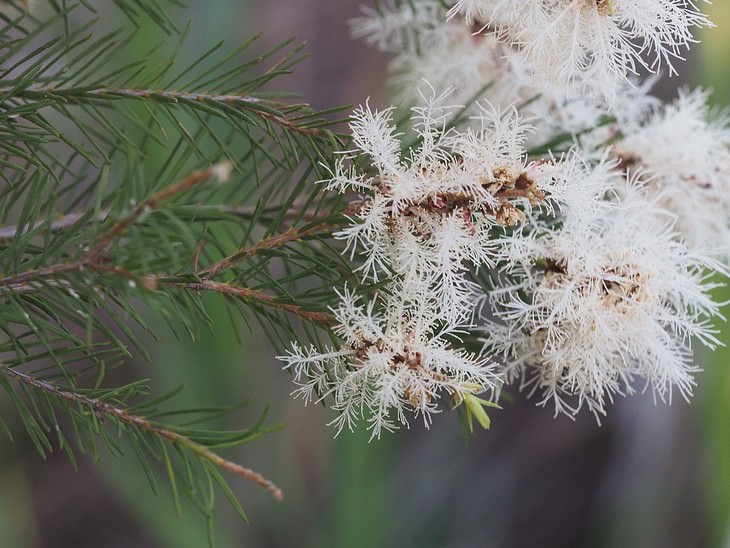
Tea tree oil is an essential oil derived from the leaves of the tea tree plant (Melaleuca alternifolia), which is native to Australia. This oil is sold in a concentrated form and should be used topically diluted within a base oil to treat minor cuts, insect bites, and acne - all warranted and scientifically-backed uses. Tea tree oil is also a common ingredient in acne treatments and cosmetic products.

As mentioned above, the oil has antibacterial properties, but the antifungal claims (the ability to treat dandruff and athlete's foot) don't have much scientific evidence to support them. Avoid using or keep tea tree oil away from kids under the age of 12 and pets, as it is toxic for them. Don't use tea tree oil around your mouth or ingest the oil - it is toxic even for adults when consumed internally.

5) Turmeric
 herbal medicines with science backing turmeric
 
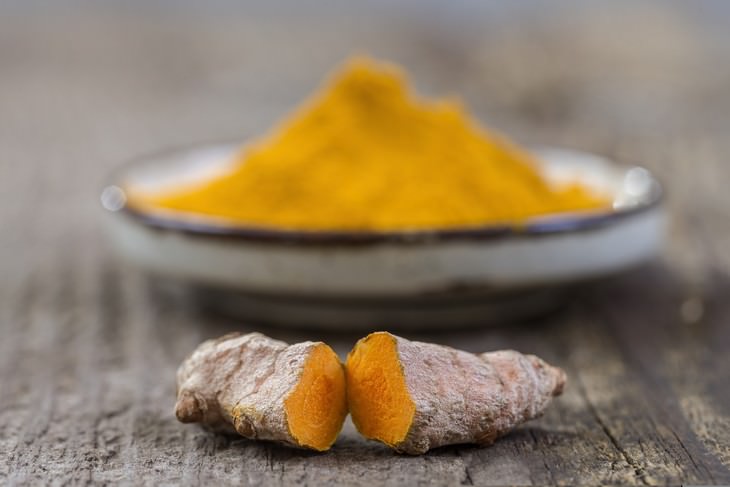
Turmeric, the golden spice we're all probably familiar with, is renowned for its anti-inflammatory properties. Turmeric is widely available everywhere these days, and you can buy it fresh, powdered, or in supplement form. Apart from the anecdotal evidence and traditional use of the spice in Ayurveda, there are several scientifically-supported benefits of turmeric:

Osteoarthritis pain reduction is one of the most well-founded benefits of turmeric, with turmeric supplementation being found to be as effective as ibuprofen at relieving joint pain.

Depression symptoms are likewise reduced in patients suffering from major depression who are already taking an antidepressant, so turmeric may enhance or supplement the potency of antidepressants.

Antioxidant rich turmeric is recommended as an addition to food capable of fighting free radical damage.

High blood pressure lipid content reduction is also observed, especially in patients with metabolic syndrome.

When choosing a turmeric supplement or powder, be wary of the sourcing of the product. Some suppliers are known for mixing turmeric with lead to add a vibrant color. Avoid using the spice without a doctor's permission if you're taking blood-thinning medications.

6) Lavender
herbal medicines with science backing lavender  
If you're ever feeling stressed or restless, and who doesn't, consider making lavender essential oil a permanent feature in your bathroom cabinet. This concentrated essential oil derived from aromatic lavender flowers is a beautiful calming agent that was shown to decrease migraines, lower anxiety levels and prevent memory loss and concentration issues during stressful periods in life.

The oil is best used as aromatherapy, but relaxing lavender teas are likewise available in stores. Like tea tree oil, lavender essential oil should be diluted using a carrier oil and should not be consumed internally, as allergic reactions and toxicity are quite common.

7) Peppermint

herbal medicines with science backing peppermint
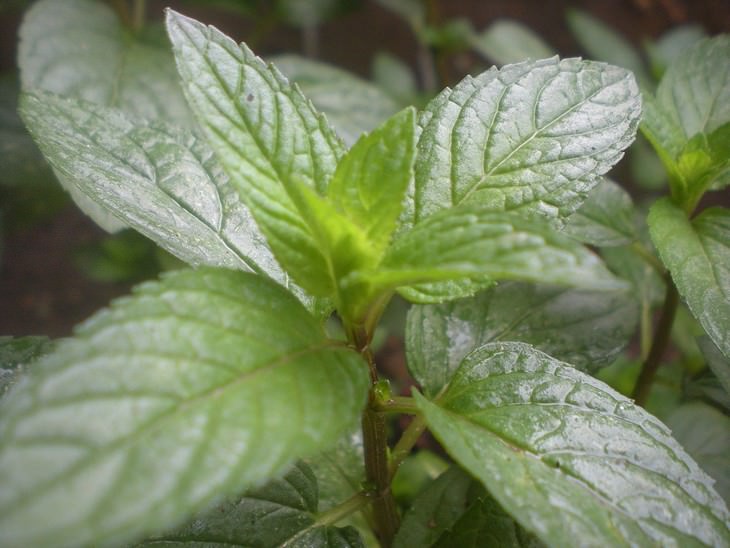
Peppermint is leafy plant from the mint family, and its leaves have been used as an herbal remedy for millennia. Dried peppermint leaves were even found in Egyptian pyramids - the first archeological evidence of the medicinal use of the plant. Today, we have scientific evidence of peppermint tea being effective at easing abdominal pain and bloating in patients suffering from chronic digestive issues, such as irritable bowel syndrome (IBS).

Peppermint is also effective at relieving indigestion symptoms. Finally, there is also some evidence that applying peppermint oil on one's temples may reduce tension headaches as well as 1,000 mg of acetaminophen.

 8) Chili Peppers
 herbal medicines with science backing chili peppers
 
Chili peppers are also some of the most well-studied plant medicines. These red spicy peppers are native to Mexico, and they can be used to ease joint and muscle pain, heartburn, and may even help regulate blood pressure. All of this is thanks to the active spicy component in chilies - capsaicin, as well as other antioxidant components.

There are many existing varieties of chili peppers. Needless to say, chilies are available in many forms, both as food condiments, powdered spices, fresh, or dried whole. Some topical pain relieving creams and ointments, too, contain chili peppers.

8) Evening Primrose oil
 herbal medicines with science backing Evening primrose oil
 
Evening Primrose oil  is derived from the vibrant yellow flowers and other parts of the common evening primrose plant. Evening primrose has been used by Native Americans and Europeans to treat a variety of issues for centuries. Today, we know that the oil of the plant is effective at reducing the symptoms of eczema, dermatitis, PMS, rheumatoid arthritis pain, and even nerve damage due to diabetes.


Evening primrose oil is available in supplement form, but before you decide to start taking it, consult with your doctor. Primrose oil has many interactions with other medications, such as blood thinners and antipsychotic medications, just to name a few. It is also not recommended for people suffering from bleeding disorders and epilepsy, as it can cause seizures, bleeding, and other complications.

10) Caraway seeds
 herbal medicines with science backing Caraway Seeds
 
You have likely tried caraway seeds in foods, and they do add a pleasant anise flavor when added to stews, soups, and even bread. But did you know that these seeds also offer several health benefits? These seeds are beneficial for digestion, being capable of relieving cramps, bloating, gas and other digestive symptoms.

Additional studies also show that these seeds also offer anti-inflammatory benefits and promote immune health. Adding caraway seeds into your diet is easy - simply add 1 teaspoon to 1 tablespoon of whole or powdered seeds into foods when you need it, and you're done. People with gallbladder issues should consult their physician before consuming caraway seeds.

11) Eucalyptus oil
herbal medicines with science backing Eucalyptus
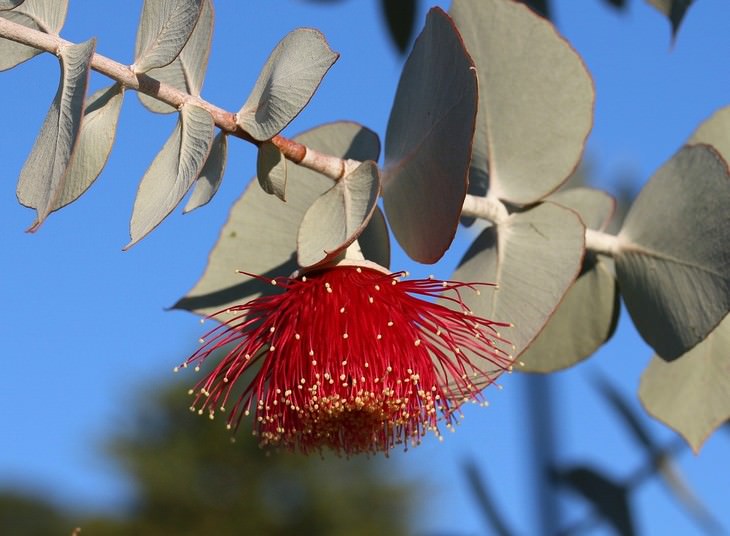
Here is another Australian plant with remarkable pain relief properties - eucalyptus oil. Apart from the known effect of clearing the air passageways when your nose is congested, eucalyptus oil actually also has pain-relieving properties when inhaled. 
 
Do keep in mind, however, that this strong oil isn't suitable for small children and patients suffering from asthma and other breathing issues. Also make sure to keep the oil away from pets, as it is toxic when ingested.

12) Chamomile
 herbal medicines with science backing chamomile
 
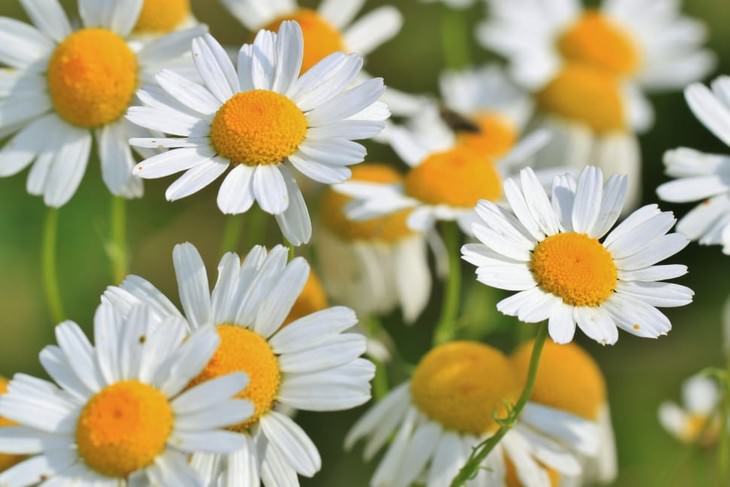
Chamomile isn't just a tea flavor. The flowers of the Roman chamomile plant have been dried and brewed to be used as a calming and antibacterial remedy for centuries. Chamomile is available in a variety of forms, including teas, capsules, and liquids today, and scientific evidence suggests that the herb is capable of reducing anxiety in people suffering from generalized anxiety disorder, so it's similar to lavender in terms of its soothing and calming properties. 
 
13. Shiitake Mushrooms
herbal medicines with science backing shiitake
 
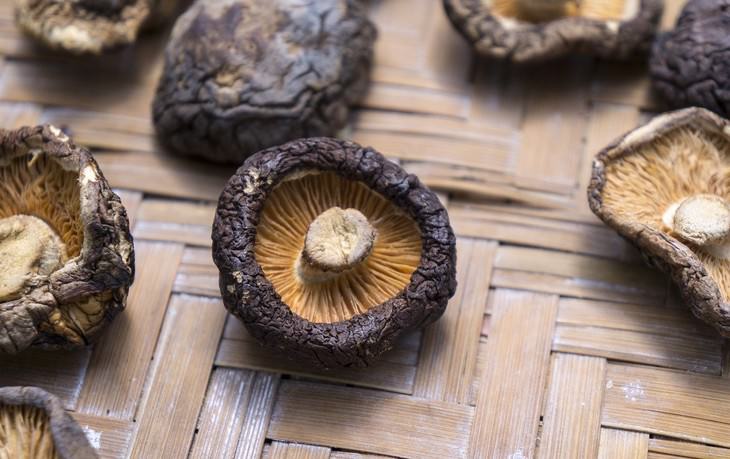
Who doesn't need an immunity and longevity boost these days? Well, it seems like adding some Japanese shiitake mushrooms into your soups or other dishes just may help you in that. These mushrooms are considered medicine in Asian countries where they originated, and there is some evidence suggesting that these delicious mushrooms can improve one's immune health after just 4 weeks of daily consumption.

There's also some additional research supporting the antioxidant and cancer-prevention effect of shiitake mushrooms. The recommended daily dose of the mushrooms varies across studies: 5-10 grams is the average daily intake. 
 
14. Nettles
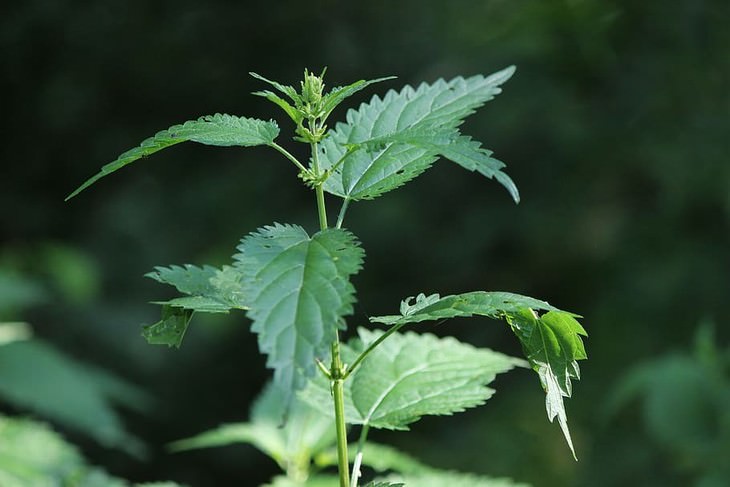
herbal medicines with science backing nettles
 
If you only see stinging nettle as a weed that causes a terrible skin rash, you might change your mind after reading this. In fact, tea made of stinging nettle is a traditional remedy for urinary issues, such as kidney stones, an enlarged prostate, and urinary tract infections, and there is some evidence to support those claims. 
 
Stinging nettle may also be beneficial at relieving arthritis pain and inflammation, as suggested by the Arthritis Foundation. Finally, there is some research suggesting nettle tea is beneficial for lowering blood sugar, but more evidence is necessary to support that claim. 
 
Note that stinging nettle tea isn't safe for pregnant and breastfeeding women and has quite a lot of drug interactions, so if you want to start drinking nettle tea regularly or taking a nettle supplement, talk to your doctor first.
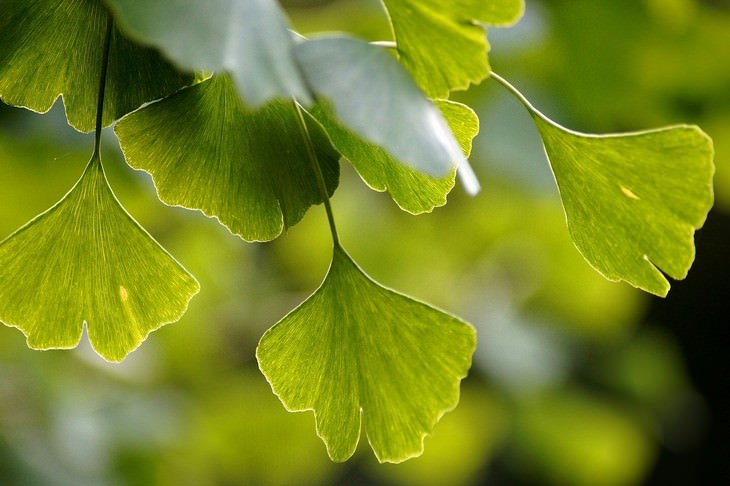

15) Ginkgo
 herbal medicines with science backing gingko
 
Ginkgo biloba is one of the most ancient surviving tree species on the planet, with some fossils of the tree dating back 270 million years. Native to China, the tree is now widely available as a nutritional supplement that promises to keep your brain young and help you prevent dementia. But are any of those claims true? 
 
There is some truth to those claims: scientific evidence shows that ginkgo supplementation can help slow down cognitive decline associated with dementia and Alzheimer's disease by increasing blood flow and oxygen supply to the brain. The herb may also be beneficial for memory, alertness, and may even help with vertigo. 
 
The herbal medicine is made of the leaves of the ginkgo tree, and these leaves can be either sold dried to prepare tea, or offered in the form of drops, tablets, or capsules. Keep in mind that ginkgo may have adverse side effects and unexpected drug interactions, so make sure you notify your physician before deciding to take this supplement.


This is only for your information, kindly take the advice of your doctor for medicines, exercises and so on.   


Labels: , , , , , , , , , , , , , ,

Saturday, April 26, 2025

I’m a heart surgeon and gut health expert. Here are the 5 healthiest vegetables I eat every day—no matter what

For over 25 years, I’ve studied the gut’s profound impact on overall health — first as a cardiac surgeon, then as a researcher in restorative medicine. What I’ve learned is simple: Your gut is the foundation of everything, from immunity to brain function to longevity.

One of the most powerful ways to support it? Eating the right vegetables. But not all vegetables are created equal. The most nutritional ones share two key traits: high polyphenol content and bitterness (yes, bitterness!). These compounds feed your gut microbiome, reduce inflammation and even sharpen cognition.

Here are the five healthiest vegetables I eat every day, no matter what:

1. Cruciferous vegetables

Broccoli, Brussels sprouts, cauliflower, cabbage, arugula, rapini — these are gut superheroes in the vegetable family.

Cruciferous vegetables promote postbiotic production, which are byproducts of bacterial fermentation that regulate immunity. They are also good for mitochondrial function, which is what helps convert the energy stored in food molecules into usable energy for cells.

These vegetables are rich in sulfur compounds. These compounds support vascular health by boosting postbiotic hydrogen sulfide, a critical signaling molecule that tells cells what to do to promote health.

I always chop them before cooking to activate myrosinase, an enzyme that enhances their cancer-fighting properties.

2. Artichokes

A staple of the Mediterranean diet, artichokes are packed with inulin, a prebiotic fiber that feeds beneficial gut bacteria. In addition to being low in calories and fat, they contain plenty of potassium, vitamin C, magnesium and folate.

Don’t discard the stems — they’re the most fiber-rich part! Just peel the tough outer part. I eat them steamed, sautéed or raw for maximum benefits.

3. Root vegetables

Not all root vegetables have the same nutritional benefits. Radishes, onions, garlic, fennel bulbs and jicama are especially low-sugar options. And they’re loaded with prebiotics that nourish gut microbes. Other healthy options include rutabagas, turnips, purple sweet potatoes and yams.

Avoid eating too many cooked carrots and beets — they release excess sugars. Instead, try raw beet carpaccio with olive oil and mint.

4. Chicory and bitter greens

Popular in Italy and France, radicchio, Belgian endive, frisée and puntarelle are rich in inulin, which balances the gut microbiome. Their bitterness signals high polyphenol content, making them a longevity powerhouse.

Red chicory is an especially good source of antioxidants, which help protect the body from damage caused by free radicals.

I love to eat them raw! And I use Belgian Endive as a dipping chip for guacamole.

5. Shiitake mushrooms

Shiitakes contain beta-glucan, a polysaccharide that lowers cholesterol and supports gut health. You can find them at most grocery stores. I like to add them to stir-fries or soups for an immune boost. Be careful about eating any mushroom raw, due to the toxins that some of them may carry.

Here’s a quick and easy shiitake mushrooms recipe that takes just a few minutes to make. All you need are mushrooms, an onion, green onions and some oil, salt and pepper!

You have so much control over your health, and it starts with what you decide to put in your body. Before making any drastic changes to your diet, I recommend consulting with your healthcare provider to discuss your specific wellness needs.

Dr. Steven Gundry is a regenerative medicine expert and cardiac surgeon. He is the author of many bestselling books, including ”The Gut-Brain Paradox″ and ”The Plant Paradox.” For over two decades, his research has focused on the microbiome’s role in chronic disease and longevity. 


This is only for your information, kindly take the advice of your doctor for medicines, exercises and so on.   


Labels: , , , ,

Saturday, March 18, 2023

These Foods Keep Your Hair Strong, Healthy, & Luscious

It can happen to anyone – you wake up in the morning to find that your pillow is covered in hair. It falls into your food while you’re making it, it clogs your drain, your comb looks like a plush toy, and scratching your head makes it even worse. The reality is that at some point in our lives, we're likely to start experiencing some degree of hair loss, and this can be for reasons ranging from malnutrition and vitamin deficiencies, to genetic factors. With that in mind, it’s important to remember that it's your diet that has the biggest impact on your hair’s strength. Here are foods that will help strengthen your hair and combat hair loss from the root up. If you’re already experiencing hair loss, add these foods to your diet immediately. 
 
1. Spinach
foods, hair, health
In many cases, especially when it comes to women, a vitamin deficiency of some kind is usually to blame for hair loss, and that's why it's important to ensure that you have a nutritious diet. A blood test can let you know if you’re suffering from low levels of iron, proteins, vitamin D, or others. 
 
The aforementioned deficiencies are particularly well-known hair loss causes, but preventing them from arising is as easy as eating spinach. The vegetable is an excellent source of iron, and is also packed full of Omega-3 fatty acids, magnesium, potassium, and calcium. All of these are fantastic for preventing hair loss.

2. Greek Yogurt
foods, hair, health
Have you ever noticed that every Greek statue has a healthy head of hair? It may be an artistic choice, but it may also be associated with the protein-rich yogurt that Greeks have been making and consuming since 500 BC. Greek yogurt is also rich in vitamin B5 (Pantothenic acid), a nutrient that improves blood flow throughout the body, as well as the scalp, which is vital for a healthy head of hair

3. Cinnamon
These 15 Foods Keep Your Hair Strong, Healthy, & Luscious
Not only does it smell and taste good, cinnamon improves blood flow throughout the body, including the scalp, thus aiding in the delivery of much-needed oxygen to the roots. Sprinkle some of this miraculous spice on your toast or add it to your coffee in the morning and keep your hair healthy.

4. Oats
foods, hair, health
Oats are rich in iron, zinc, fiber, Omega-3, and unsaturated fats. All of these are beneficial to your hair, making it lush, shiny, and healthy. Oats are highly recommended for breakfast, and you can combine them with cinnamon to double the benefits.  
 
5. Guava
foods, hair, health
Vitamin C makes hair more durable and less fragile. In a study held in the U.S., researchers tested the effects of a supplement containing vitamin C on women with thin hair. They discovered that the supplement helped to accelerate hair growth in these women. While most of us consider citrus fruits to be the best sources of vitamin C, a single guava contains an amount of vitamin C that's four to five times higher of that in any citrus fruit. This makes it the fruit of choice for people who suffer from hair loss. 
 
6. Eggs
Eggs are packed with vitamin B7 (biotin), which boosts hair growth and strengthens your nails. Vitamin B7 deficiency can lead to excessive hair loss, so make sure to include eggs in your diet if you value your hair. Other sources of biotin are almonds, avocado, and salmon. Eggs also help with weight loss, and are essential for anyone who’s on a diet (which can lead to hair loss due to a lack of necessary nutrients). 
 
7. Lentils
foods, hair, health
Lentils are filled with proteins, iron, zinc, and biotin, as well as copious amounts of folic acid. Your body needs folic acid to maintain the health of your red blood cells. The red blood cells are couriers of oxygen in the body, which is also needed to maintain healthy skin and scalp. For men, folic acid is also necessary to maintain a high sperm count. 

8. Barley
foods, hair, health
Barley is an excellent source of vitamin E - an antioxidant that absorbs harmful UV rays. Vitamin E also helps repair sun damage to the scalp, which may cause hair-loss and thinning. In an eight-month-long study, it was found that people who used a vitamin E supplement enjoyed a 34% increase in hair growth.  
 
9. Nuts and Seeds
foods, hair, health
In several studies into male pattern baldness, a correlation was found between a lack of tocotrienols and beta-sitosterols, and hair thinning. Beta-sitosterols are abundant in pistachios, as well as in walnuts and other fatty nuts. In addition, fatty nuts contain elastin, which gives hair elasticity, and prevents it from breaking.
 
 10. Bok Choy
foods, hair, health
Physicians often look at the state of a patient’s hair to determine how much ferritin and iron is in their blood. In many cases, dermatologists will advise their patients to add the iron-rich bok choy to their diet.

11. Orange Fruits and Vegetables
foods, hair, health
Beta-carotene protects the skin from excessive dryness and your hair from thinning, by causing your scalp to produce more sebum, which is necessary in keeping the hairs healthy and shiny. Generally any orange-colored vegetable is a good source of beta-carotene. Carrots, pumpkins, mangoes and muskmelons all contain beta-carotene, and are recommended for people with weak and thinning hair. 
 
12. Shiitake Mushrooms
foods, hair, health
Whether your hair is thinning or not, gray hair can make it look thinner. Copper is necessary for maintaining your natural hair color, even if you’re not ginger. In 2012, a study found that people who consumed lower levels of copper turned gray earlier in their lives.The best solution is to consume the copper-rich shiitake mushrooms. 
 
Please note that if you’ve started a diet and you’re suddenly suffering from hair loss, or if you’re at an age where hair-loss is natural, you can add these foods to your diet and keep your full head of hair.

This is only for your information, kindly take the advice of your doctor for medicines, exercises and so on.  

https://gscrochetdesigns.blogspot.com. one can see my crochet creations  
https://gseasyrecipes.blogspot.com. feel free to view for easy, simple and healthy recipes    
https://kneereplacement-stickclub.blogspot.com. for info on knee replacement
https://GSiyers home remedies.blogspot.com     is my latest addition to my blogs. I'm going to add posts there, do give me your valuable feed back on my blogs. Thanks a lot, take care, be healthy and be happy. 

Labels: , , , , , , , , , , ,

Thursday, July 08, 2021

10 Natural Teeth Whitening Foods

There is nothing like a smile filled with white teeth to express joy, contentment and sometimes even embarrassment. There are many products on the market that claim to turn your teeth "pearly white", but most contain harsh whitening chemicals that may also damage tooth enamel, the protective layer of your teeth.

These products aren’t suitable for everyone, as some people have more sensitive teeth than others, and long-term use of these whitening products can cause damage. For those who want to achieve a bright white smile, we recommend you try the following 10 foods, to whiten your teeth naturally, deliciously and without the need for chemicals.

1. Strawberries  
Everyone loves strawberries, and besides their unique flavor, they can also be enjoyed as a natural tooth whitener. Strawberries contain malic acid that dissolves stains on the surface of the teeth and whitens them naturally, as can be seen in the results of a study conducted in the Department of Oral and Maxillofacial Surgery of the University of Bologna Medical School. You can eat the strawberries as they are and see the effects of the acid, however, you can also use them as a toothpaste. Simply mash the strawberries, apply toothpaste or baking soda to your toothbrush and put the fruit puree over it. Brush your teeth, rinse your mouth with water and enjoy a bright white smile. 
 
2. Cauliflower  teeth whitening foods
Hard vegetables like cauliflower and broccoli are very helpful when it comes to tooth hygiene because when chewed in their raw state, the action is similar to tooth brushing and it removes stains. The wonderful cauliflower has many health benefits. Besides, when chewed for several minutes, the mouth produces more saliva that also removes teeth stains, creating a natural winning combination for stain removal.

3. Yogurt  
Yogurt and other dairy products, such as cheese, have the same effect as broccoli and cauliflower, as they cause excess saliva which removes stains from teeth. These wonderful foods also contain lactic acid that dissolves dirt that exists on your teeth, leaving your mouth fresh and your smile as bright as ever.

4. Pineapple teeth whitening foods
It’s hard to resist the yellow and juicy tropical fruit, whether in a shake, dessert or eaten in its natural form. Apart from its wonderful taste, pineapple also has the ability to naturally clean our teeth thanks to it containing an enzyme called bromelain, which, in a study published in 2012, was found effective in removing stains from teeth. This is due to the fact that bromelain causes the breakdown of proteins that cling to the teeth and form stains, leaving them cleaner.

5. Onions 
Many shy away from eating raw onion, but when you discover its benefits, it is hard to refrain from giving it a try. The benefit of this tangy root is the fact that it contains sulfur mineral compounds that prevent the formation of plaque on the teeth and help keep them clean. The smelly breath caused by eating raw onions isn’t particularly pleasant, but it can be easily rid of it either by rinsing the mouth or by eating parsley. 
 
6. Apple 
An apple a day won’t only keep the doctor away, but may also reduce your visits to the dentist. The chewing of a hard, fresh apple stimulates tooth brushing and helps food particles be removed from the teeth. In addition, apples have a high water content and it causes increased production of saliva, which, as mentioned above, helps to clean the teeth more efficiently and helps remove unpleasant stains.

7. Celery  
The wonderful taste of celery makes it an important ingredient in many recipes, and it turns out that it can also be used as a tooth whitener. Celery has a high water content which helps strengthen the gums and also rinses small food particles from our mouth. In addition, the rough texture of this vegetable causes it to mechanically clean the teeth and remove any materials that have accumulated on them which often are the cause of the formation of different blemishes and stains. 
 
8. Salmon 
 In order for the teeth to remain white, healthy and strong, it is vital that our bodies get enough calcium and phosphorus to strengthen our bones. Salmon is a wonderful fish with many benefits rich in vitamin D, which causes the absorption of these two essential minerals, helping to strengthen the teeth and contributes to their natural whiteness. Eating salmon will help remove and prevent stains from your teeth, while also strengthening the teeth and avoiding structural damage that may be caused.

9. Seeds and nuts 
There is nothing like adding nuts and seeds, such as almonds or sunflower seeds, to salads or eating them as a healthy snack during the day, and if you do this, you also reap their benefits as tooth whiteners. These foods are hard in texture and when chewed, they “brush” the teeth and remove unwanted stains. 
 
10. Shiitake mushrooms  
 
Mushrooms are a wonderful ingredient in a variety of different dishes, and their consumption also makes it possible to enjoy their benefits as natural tooth whiteners. These small, meaty mushrooms contain a natural sugar called lentinan, which prevents the decay of teeth and plaque formation throughout the oral cavity. This causes the teeth not to accumulate substances that cause stains in the first place and naturally improves oral health.

A bright white smile from ear to ear is always lovely to see, and with these wonderful foods, you won‘t need to use chemical bleaches that can damage your teeth to achieve it!

This is only for your information, kindly take the advice of your doctor for medicines, exercises and so on.   

https://gscrochetdesigns.blogspot.com. one can see my crochet creations  
https://gseasyrecipes.blogspot.com. feel free to view for easy, simple and healthy recipes    
https://kneereplacement-stickclub.blogspot.com. for info on knee replacement

Labels: , , , , , , , , , , ,