These 15 Powerful Plant Medicines Are Science Approved
Medicinal herbs and plants are often associated with alternative medicine, but the reality is that many plant-based products are recognized and used in conventional medicine as well. In fact, many pills we associate with “chemicals”, such as aspirin, for example, are derived from herbs and plants. The 15 medicinal plants listed here all have a whole host of various science-backed health benefits.
It also needs pointing out that, despite
popular belief, natural medicines are by no means more gentle than
conventional treatments, even if some may be less concentrated. Most of
these powerful plants are just as potent and active as conventional
medicine, which is why you should always be cautious and consult your
doctor when mixing them with any medical treatments.
The key health benefits includeAnother point to consider is the sourcing
of plant-based medicines. Unfortunately, most herbal and plant-based
medicines are regulated significantly less than conventional medical
treatments, which means that it’s safest to opt for brands with a good
reputation to avoid contaminated or inadequately-dosed products.

If you’re looking to incorporate herb and plant medicine in your daily regimen, these 15 herbs are an excellent and safe start.
1. Grape seed Extract
1. Grape seed Extract
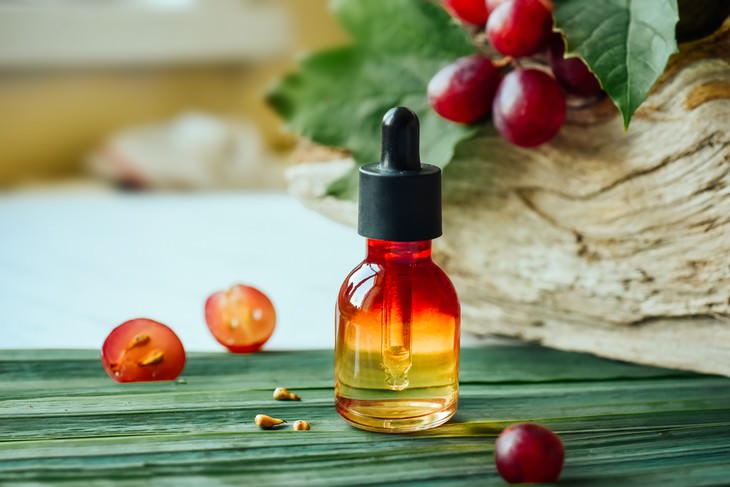
Grape seed extract (GSE) is a supplement
based on ground-up grape seeds. It is available in different forms, both
as tablets and as a liquid. This extract is known for its outstanding
antioxidant activity, which accounts for the beneficial health effects
of GSE for several conditions, namely:
Poor blood circulation and swelling of the
legs were shown to improve after a few weeks of taking GSE in studies
featuring healthy adults and postmenopausal women with an increased risk
of blood clotting.
Hypertension and high cholesterol: a review
study suggests daily supplementation with GSE can lower both systolic
and diastolic blood pressure, especially in those suffering from
metabolic syndrome, but also in otherwise healthy adults.
Cancer studies featuring GSE are likewise
ever-growing, though most are animal model studies. The extract may
prove beneficial at preventing some forms of cancer and enhancing the
effectiveness of chemotherapy.
There is no fixed recommended daily dose of
GSE, but most studies list a dose between 100-300 milligrams. Patients
taking blood thinners should not take grape seed extract without a
doctor's supervision.
2. Echinacea
2. Echinacea
Echinacea is an herb native to North
America, which is highly regarded for its antimicrobial benefits. The
herb has been used to fight cold and flu symptoms for centuries, first
introduced to European colonizers by Native American communities. Today,
the herb is available in the form of supplements, powders, teas, and
even juices.
Studies regarding the extent to which
echinacea is capable of preventing a cold when taken during cold season
or during the early onset of a cold are mixed, with most research
suggesting that it can reduce one's likelihood of catching a cold or the
flu by 10-58%. The herb can reportedly activate the immune system and
may possibly have anti-inflammatory properties as well, hence the
improvement in cold and flu symptoms.
3. Flaxseeds
3. Flaxseeds
Another ancient remedy that actually has
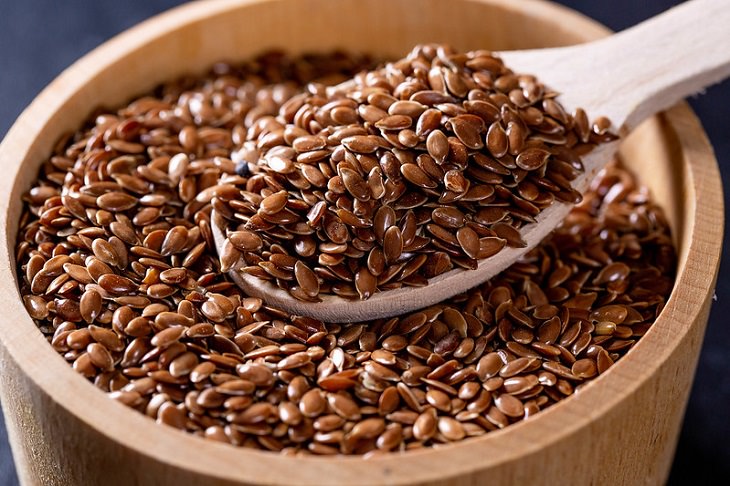
quite a scientific backing are flaxseeds. These small, reddish-brown
seeds have been used in food and medicine since 5,000 BC, and they are
rich in phytoestrogens, soluble fiber, and omega-3 fatty acids.
Weight loss: flaxseeds were shown to promote weight loss and prevent obesity.
Constipation sufferers may benefit from taking flaxseeds to promote bowel movements, likely due to the high fiber count of the seeds.
Hypertension and high cholesterol- studies suggest that including flaxseeds in
your diet can reduce blood pressure after 6 months of use and decrease
levels of LDL (or "bad") cholesterol by 8-18% in both healthy adults and
those suffering from high cholesterol.
Colon cancer prevention may be another beneficial property of flaxseeds, with one animal study showing a marked reduction in tumor growth and recurrence of colon cancer in subjects who took flaxseeds.
Colon cancer prevention may be another beneficial property of flaxseeds, with one animal study showing a marked reduction in tumor growth and recurrence of colon cancer in subjects who took flaxseeds.
Flaxseeds are widely available, and they
are sold whole in grocery stores, or in the form of oil or supplements.
Be careful with where you purchase the seeds, as raw and unripe
flaxseeds are toxic. The best way to include flaxseeds in your diet is
by simply sprinkling them on foods, such as salads, oatmeal, pasta, or
any other meal.
4) Tea Tree oil
4) Tea Tree oil
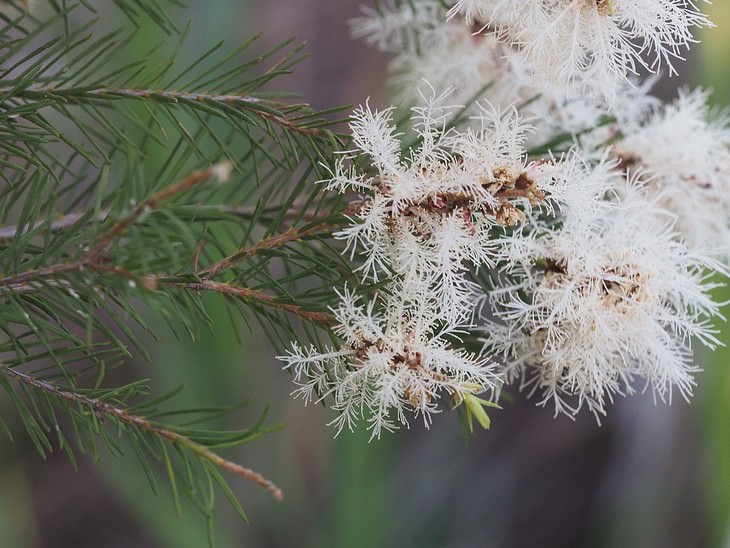
Tea tree oil is an essential oil derived from the leaves of the tea tree plant (Melaleuca alternifolia), which is native to Australia. This oil is sold in a concentrated form and should be used topically diluted within a base oil to treat minor cuts, insect bites, and acne - all warranted and scientifically-backed uses. Tea tree oil is also a common ingredient in acne treatments and cosmetic products.
As mentioned above, the oil has
antibacterial properties, but the antifungal claims (the ability to
treat dandruff and athlete's foot) don't have much scientific evidence
to support them. Avoid using or keep tea tree oil away from kids under
the age of 12 and pets, as it is toxic for them. Don't use tea tree oil
around your mouth or ingest the oil - it is toxic even for adults when
consumed internally.
5) Turmeric
5) Turmeric
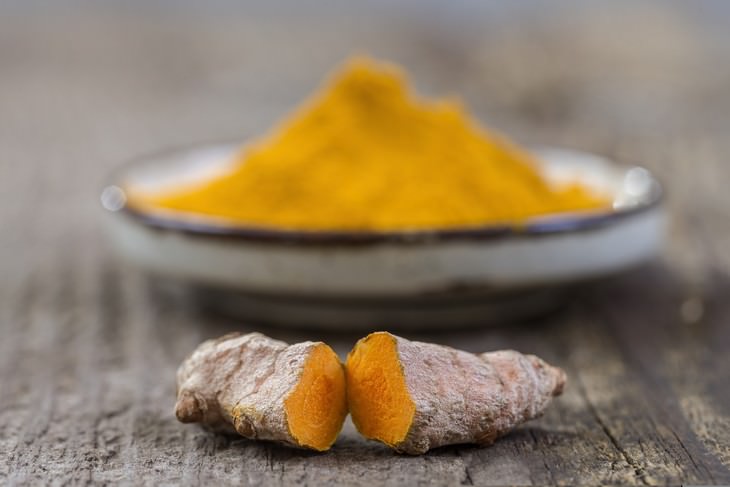
Turmeric, the golden spice we're all probably
familiar with, is renowned for its anti-inflammatory properties.
Turmeric is widely available everywhere these days, and you can buy it
fresh, powdered, or in supplement form. Apart from the anecdotal
evidence and traditional use of the spice in Ayurveda, there are several
scientifically-supported benefits of turmeric:
8) Chili PeppersOsteoarthritis pain reduction is one of the most well-founded benefits of
turmeric, with turmeric supplementation being found to be as effective
as ibuprofen at relieving joint pain.
Depression symptoms are likewise reduced in patients suffering from major depression who are already taking an antidepressant, so turmeric may enhance or supplement the potency of antidepressants.
Antioxidant rich turmeric is recommended as an addition to food capable of fighting free radical damage.
High blood pressure lipid content reduction is also observed, especially in patients with metabolic syndrome.

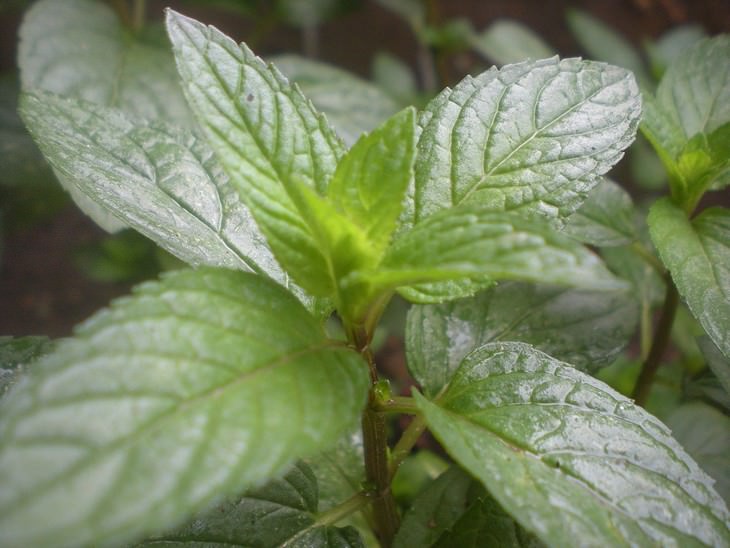
Peppermint is leafy plant from the mint
family, and its leaves have been used as an herbal remedy for millennia.
Dried peppermint leaves were even found in Egyptian pyramids - the
first archeological evidence of the medicinal use of the plant. Today,
we have scientific evidence of peppermint tea being effective at easing
abdominal pain and bloating in patients suffering from chronic digestive
issues, such as irritable bowel syndrome (IBS).
Depression symptoms are likewise reduced in patients suffering from major depression who are already taking an antidepressant, so turmeric may enhance or supplement the potency of antidepressants.
Antioxidant rich turmeric is recommended as an addition to food capable of fighting free radical damage.
High blood pressure lipid content reduction is also observed, especially in patients with metabolic syndrome.
When choosing a turmeric supplement or
powder, be wary of the sourcing of the product. Some suppliers are
known for mixing turmeric with lead to add a vibrant color. Avoid using
the spice without a doctor's permission if you're taking blood-thinning
medications.
6) Lavender
6) Lavender
If you're ever feeling stressed or
restless, and who doesn't, consider making lavender essential oil a
permanent feature in your bathroom cabinet. This concentrated essential
oil derived from aromatic lavender flowers is a beautiful calming agent
that was shown to decrease migraines, lower anxiety levels and prevent
memory loss and concentration issues during stressful periods in life.
The oil is best used as aromatherapy, but
relaxing lavender teas are likewise available in stores. Like tea tree
oil, lavender essential oil should be diluted using a carrier oil and
should not be consumed internally, as allergic reactions and toxicity
are quite common.
7) Peppermint
7) Peppermint
Peppermint is also effective at relieving
indigestion symptoms. Finally, there is also some evidence that applying
peppermint oil on one's temples may reduce tension headaches as well as
1,000 mg of acetaminophen.
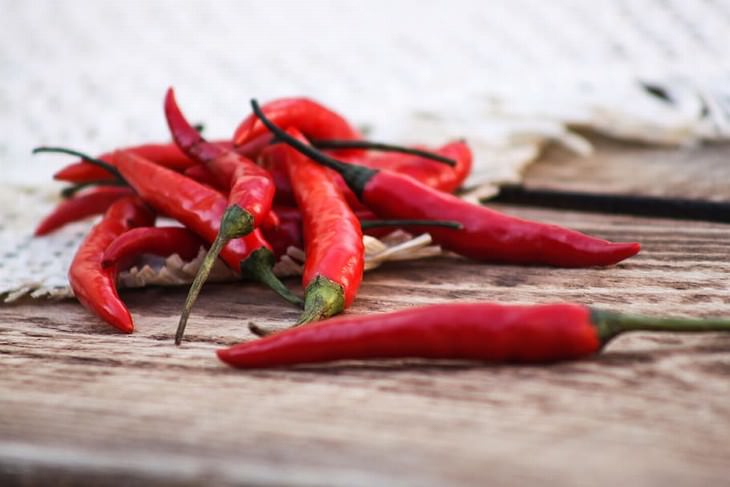
Chili peppers are also some of the most
well-studied plant medicines. These red spicy peppers are native to
Mexico, and they can be used to ease joint and muscle pain, heartburn,
and may even help regulate blood pressure. All of this is thanks to the
active spicy component in chilies - capsaicin, as well as other
antioxidant components.
There are many existing varieties of chili
peppers. Needless to say, chilies are available in many forms, both as
food condiments, powdered spices, fresh, or dried whole. Some topical
pain relieving creams and ointments, too, contain chili peppers.
8) Evening Primrose oil
8) Evening Primrose oil
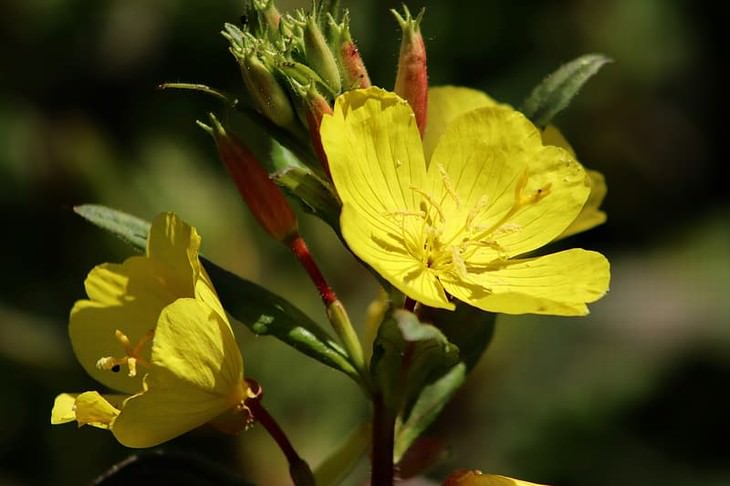
Evening Primrose oil is derived from the vibrant yellow flowers
and other parts of the common evening primrose plant. Evening primrose
has been used by Native Americans and Europeans to treat a variety of
issues for centuries. Today, we know that the oil of the plant is
effective at reducing the symptoms of eczema, dermatitis, PMS,
rheumatoid arthritis pain, and even nerve damage due to diabetes.
Evening primrose oil is available in
supplement form, but before you decide to start taking it, consult with
your doctor. Primrose oil has many interactions with other medications,
such as blood thinners and antipsychotic medications, just to name a
few. It is also not recommended for people suffering from bleeding
disorders and epilepsy, as it can cause seizures, bleeding, and other
complications.
10) Caraway seeds
10) Caraway seeds
You have likely tried caraway seeds in
foods, and they do add a pleasant anise flavor when added to stews,
soups, and even bread. But did you know that these seeds also offer
several health benefits? These seeds are beneficial for digestion, being
capable of relieving cramps, bloating, gas and other digestive
symptoms.
Additional studies also show that these
seeds also offer anti-inflammatory benefits and promote immune health.
Adding caraway seeds into your diet is easy - simply add 1 teaspoon to 1
tablespoon of whole or powdered seeds into foods when you need it, and
you're done. People with gallbladder issues should consult their
physician before consuming caraway seeds.
11) Eucalyptus oil
11) Eucalyptus oil
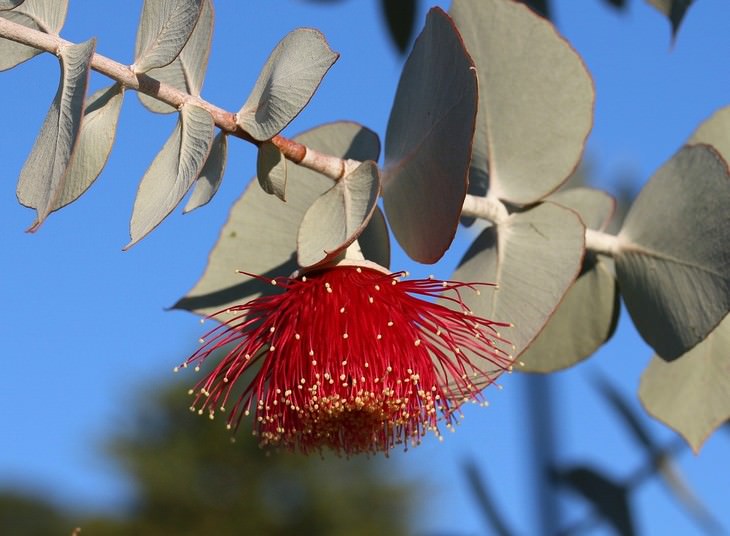
Here is another Australian plant with
remarkable pain relief properties - eucalyptus oil. Apart from the known
effect of clearing the air passageways when your nose is congested,
eucalyptus oil actually also has pain-relieving properties when inhaled.
Do keep in mind, however, that this strong oil isn't suitable for small
children and patients suffering from asthma and other breathing issues.
Also make sure to keep the oil away from pets, as it is toxic when
ingested.
12) Chamomile
12) Chamomile
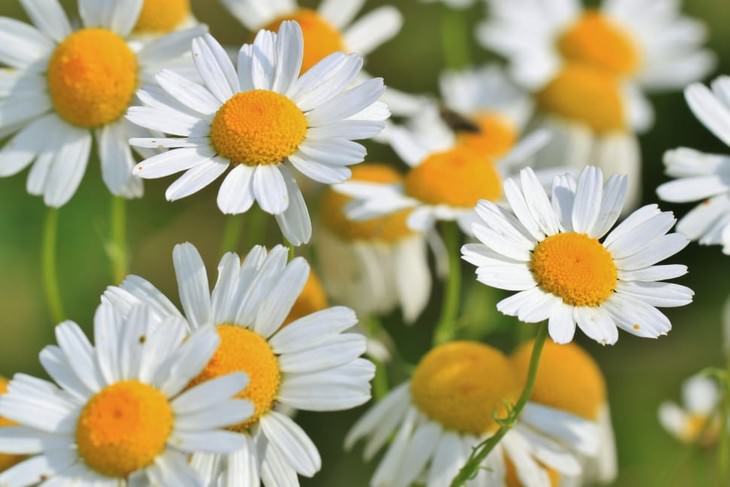
Chamomile isn't just a tea flavor. The flowers of the Roman chamomile plant have been dried and brewed to be used as a calming and antibacterial remedy for centuries. Chamomile is available in a variety of forms, including teas, capsules, and liquids today, and scientific evidence suggests that the herb is capable of reducing anxiety in people suffering from generalized anxiety disorder, so it's similar to lavender in terms of its soothing and calming properties.
13. Shiitake Mushrooms
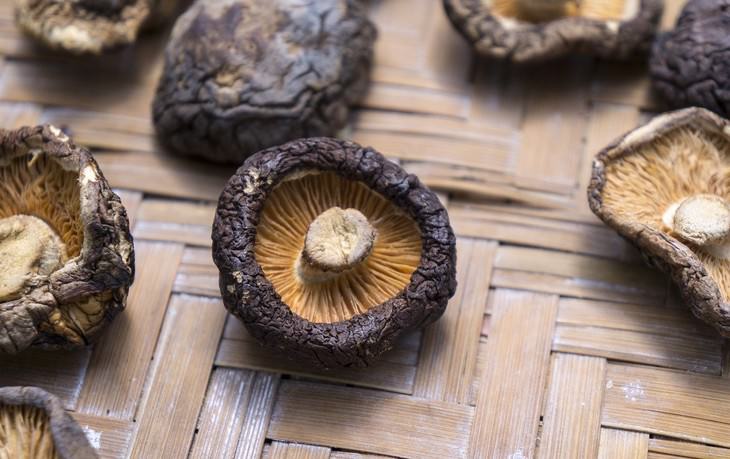
Who doesn't need an immunity and longevity
boost these days? Well, it seems like adding some Japanese shiitake
mushrooms into your soups or other dishes just may help you in that.
These mushrooms are considered medicine in Asian countries where they
originated, and there is some evidence suggesting that these delicious
mushrooms can improve one's immune health after just 4 weeks of daily
consumption.
There's also some additional research
supporting the antioxidant and cancer-prevention effect of shiitake
mushrooms. The recommended daily dose of the mushrooms varies across
studies: 5-10 grams is the average daily intake.
14. Nettles
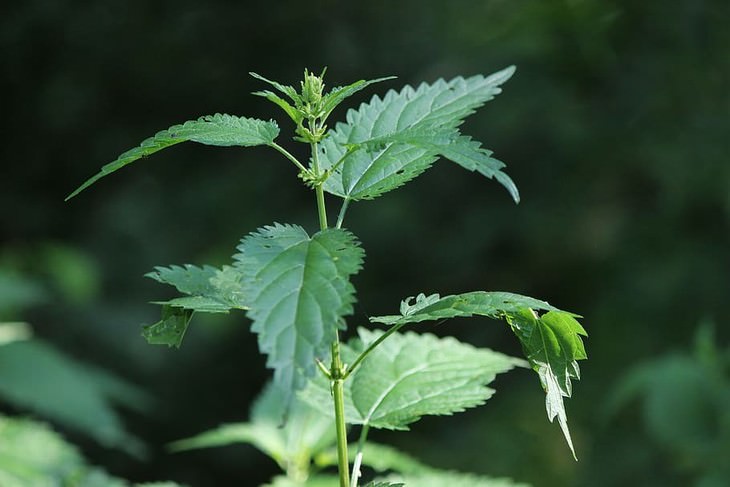
If you only see stinging nettle as a weed
that causes a terrible skin rash, you might change your mind after
reading this. In fact, tea made of stinging nettle is a traditional
remedy for urinary issues, such as kidney stones, an enlarged prostate,
and urinary tract infections, and there is some evidence to support
those claims.
Stinging nettle may also be beneficial at relieving arthritis pain and
inflammation, as suggested by the Arthritis Foundation. Finally, there
is some research suggesting nettle tea is beneficial for lowering blood
sugar, but more evidence is necessary to support that claim.
Note that stinging nettle tea isn't safe for pregnant and breastfeeding
women and has quite a lot of drug interactions, so if you want to start
drinking nettle tea regularly or taking a nettle supplement, talk to
your doctor first.
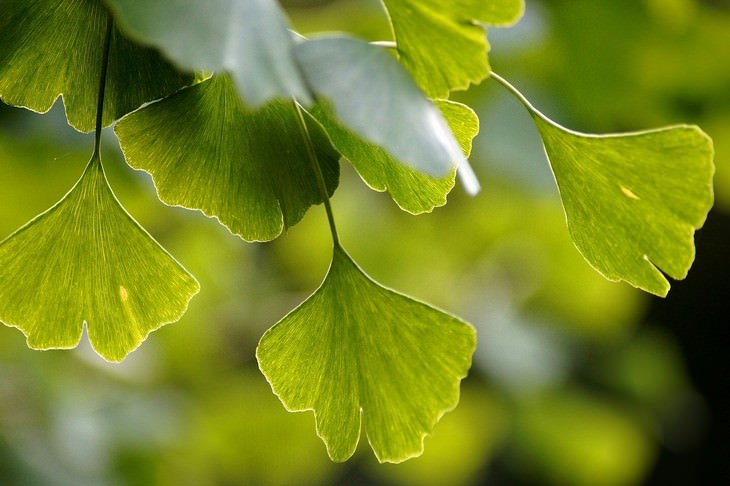
Ginkgo biloba is one of the most ancient
surviving tree species on the planet, with some fossils of the tree
dating back 270 million years. Native to China, the tree is now widely
available as a nutritional supplement that promises to keep your brain
young and help you prevent dementia. But are any of those claims true?
There is some truth to those claims: scientific evidence shows that
ginkgo supplementation can help slow down cognitive decline associated
with dementia and Alzheimer's disease by increasing blood flow and
oxygen supply to the brain. The herb may also be beneficial for memory,
alertness, and may even help with vertigo.
The herbal medicine is made of the leaves of the ginkgo tree, and these
leaves can be either sold dried to prepare tea, or offered in the form
of drops, tablets, or capsules. Keep in mind that ginkgo may have
adverse side effects and unexpected drug interactions, so make sure you
notify your physician before deciding to take this supplement.