Wednesday, October 29, 2025

These 15 Powerful Plant Medicines Are Science Approved

 Medicinal herbs and plants are often associated with alternative medicine, but the reality is that many plant-based products are recognized and used in conventional medicine as well. In fact, many pills we associate with “chemicals”, such as aspirin, for example, are derived from herbs and plants. The 15 medicinal plants listed here all have a whole host of various science-backed health benefits.

It also needs pointing out that, despite popular belief, natural medicines are by no means more gentle than conventional treatments, even if some may be less concentrated. Most of these powerful plants are just as potent and active as conventional medicine, which is why you should always be cautious and consult your doctor when mixing them with any medical treatments.

Another point to consider is the sourcing of plant-based medicines. Unfortunately, most herbal and plant-based medicines are regulated significantly less than conventional medical treatments, which means that it’s safest to opt for brands with a good reputation to avoid contaminated or inadequately-dosed products.
If you’re looking to incorporate herb and plant medicine in your daily regimen, these 15 herbs are an excellent and safe start.

1. Grape seed Extract
 herbal medicines with science backing Grapeseed Oil
 
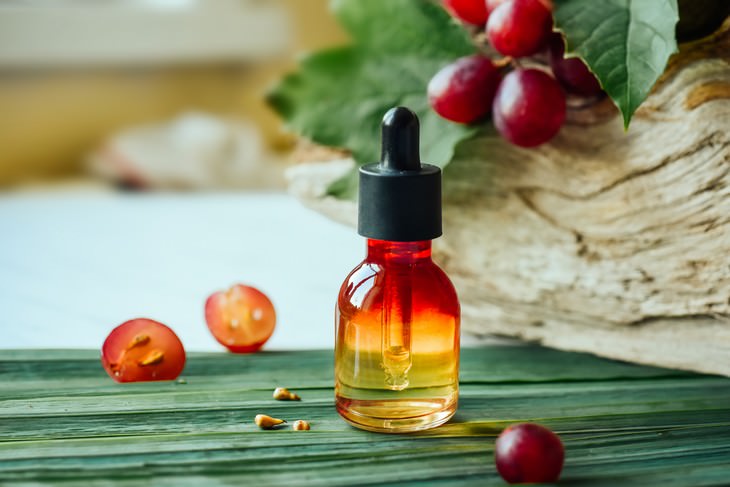
Grape seed extract (GSE) is a supplement based on ground-up grape seeds. It is available in different forms, both as tablets and as a liquid. This extract is known for its outstanding antioxidant activity, which accounts for the beneficial health effects of GSE for several conditions, namely:

Poor blood circulation and swelling of the legs were shown to improve after a few weeks of taking GSE in studies featuring healthy adults and postmenopausal women with an increased risk of blood clotting.

Hypertension and high cholesterol: a review study suggests daily supplementation with GSE can lower both systolic and diastolic blood pressure, especially in those suffering from metabolic syndrome, but also in otherwise healthy adults.

Cancer studies featuring GSE are likewise ever-growing, though most are animal model studies. The extract may prove beneficial at preventing some forms of cancer and enhancing the effectiveness of chemotherapy.

There is no fixed recommended daily dose of GSE, but most studies list a dose between 100-300 milligrams. Patients taking blood thinners should not take grape seed extract without a doctor's supervision.

2. Echinacea
herbal medicines with science backing Echinacea
Echinacea is an herb native to North America, which is highly regarded for its antimicrobial benefits. The herb has been used to fight cold and flu symptoms for centuries, first introduced to European colonizers by Native American communities. Today, the herb is available in the form of supplements, powders, teas, and even juices.

Studies regarding the extent to which echinacea is capable of preventing a cold when taken during cold season or during the early onset of a cold are mixed, with most research suggesting that it can reduce one's likelihood of catching a cold or the flu by 10-58%. The herb can reportedly activate the immune system and may possibly have anti-inflammatory properties as well, hence the improvement in cold and flu symptoms. 

3. Flaxseeds

herbal medicines with science backing flaxseeds

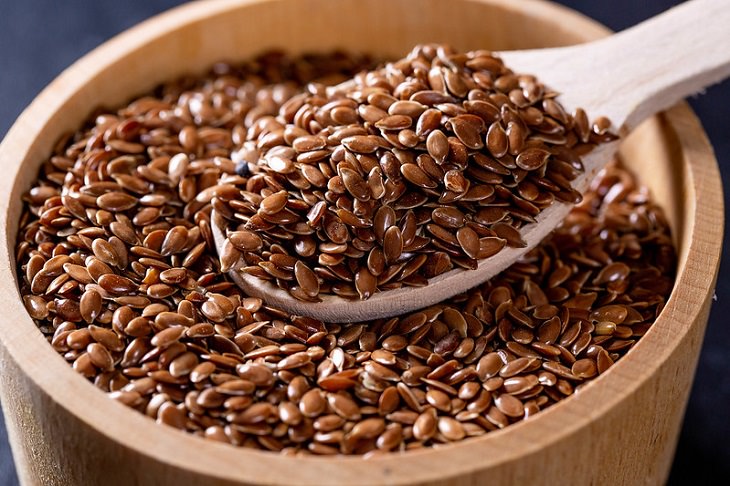
Another ancient remedy that actually has quite a scientific backing are flaxseeds. These small, reddish-brown seeds have been used in food and medicine since 5,000 BC, and they are rich in phytoestrogens, soluble fiber, and omega-3 fatty acids.

The key health benefits include
Weight loss: flaxseeds were shown to promote weight loss and prevent obesity.

Constipation sufferers may benefit from taking flaxseeds to promote bowel movements, likely due to the high fiber count of the seeds.

Hypertension and high cholesterol- studies suggest that including flaxseeds in your diet can reduce blood pressure after 6 months of use and decrease levels of LDL (or "bad") cholesterol by 8-18% in both healthy adults and those suffering from high cholesterol.

Colon cancer prevention may be another beneficial property of flaxseeds, with one animal study showing a marked reduction in tumor growth and recurrence of colon cancer in subjects who took flaxseeds.
Flaxseeds are widely available, and they are sold whole in grocery stores, or in the form of oil or supplements. Be careful with where you purchase the seeds, as raw and unripe flaxseeds are toxic. The best way to include flaxseeds in your diet is by simply sprinkling them on foods, such as salads, oatmeal, pasta, or any other meal.

4) Tea Tree oil 
 
 herbal medicines with science backing tea tree
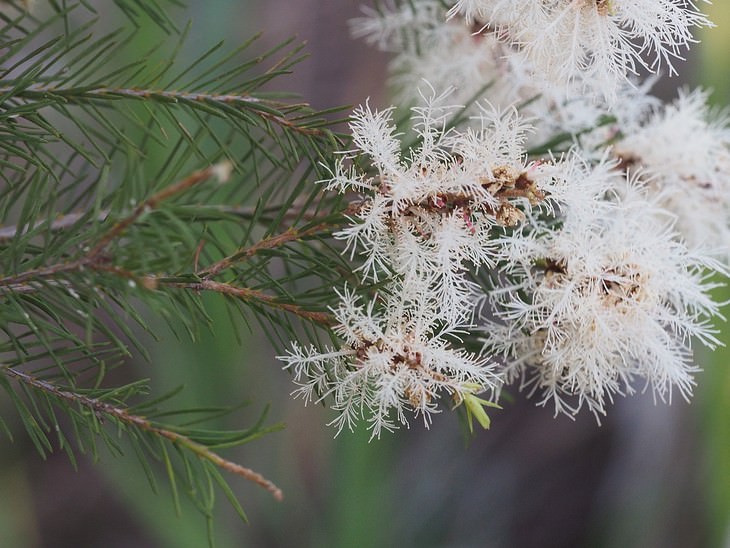
Tea tree oil is an essential oil derived from the leaves of the tea tree plant (Melaleuca alternifolia), which is native to Australia. This oil is sold in a concentrated form and should be used topically diluted within a base oil to treat minor cuts, insect bites, and acne - all warranted and scientifically-backed uses. Tea tree oil is also a common ingredient in acne treatments and cosmetic products.

As mentioned above, the oil has antibacterial properties, but the antifungal claims (the ability to treat dandruff and athlete's foot) don't have much scientific evidence to support them. Avoid using or keep tea tree oil away from kids under the age of 12 and pets, as it is toxic for them. Don't use tea tree oil around your mouth or ingest the oil - it is toxic even for adults when consumed internally.

5) Turmeric
 herbal medicines with science backing turmeric
 
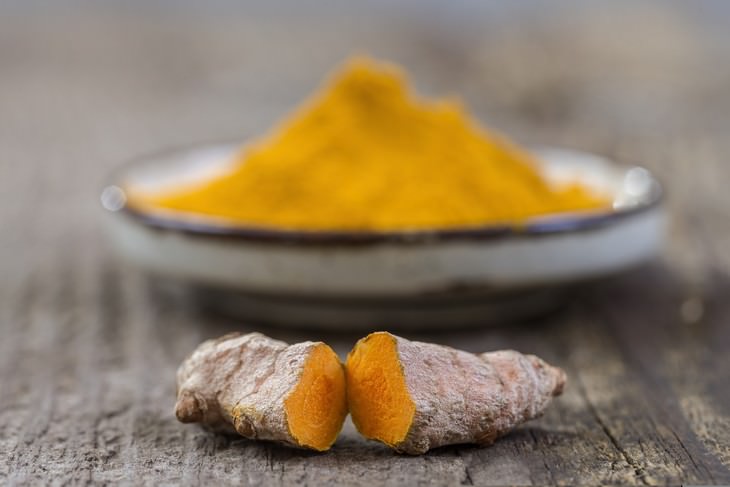
Turmeric, the golden spice we're all probably familiar with, is renowned for its anti-inflammatory properties. Turmeric is widely available everywhere these days, and you can buy it fresh, powdered, or in supplement form. Apart from the anecdotal evidence and traditional use of the spice in Ayurveda, there are several scientifically-supported benefits of turmeric:

Osteoarthritis pain reduction is one of the most well-founded benefits of turmeric, with turmeric supplementation being found to be as effective as ibuprofen at relieving joint pain.

Depression symptoms are likewise reduced in patients suffering from major depression who are already taking an antidepressant, so turmeric may enhance or supplement the potency of antidepressants.

Antioxidant rich turmeric is recommended as an addition to food capable of fighting free radical damage.

High blood pressure lipid content reduction is also observed, especially in patients with metabolic syndrome.

When choosing a turmeric supplement or powder, be wary of the sourcing of the product. Some suppliers are known for mixing turmeric with lead to add a vibrant color. Avoid using the spice without a doctor's permission if you're taking blood-thinning medications.

6) Lavender
herbal medicines with science backing lavender  
If you're ever feeling stressed or restless, and who doesn't, consider making lavender essential oil a permanent feature in your bathroom cabinet. This concentrated essential oil derived from aromatic lavender flowers is a beautiful calming agent that was shown to decrease migraines, lower anxiety levels and prevent memory loss and concentration issues during stressful periods in life.

The oil is best used as aromatherapy, but relaxing lavender teas are likewise available in stores. Like tea tree oil, lavender essential oil should be diluted using a carrier oil and should not be consumed internally, as allergic reactions and toxicity are quite common.

7) Peppermint

herbal medicines with science backing peppermint
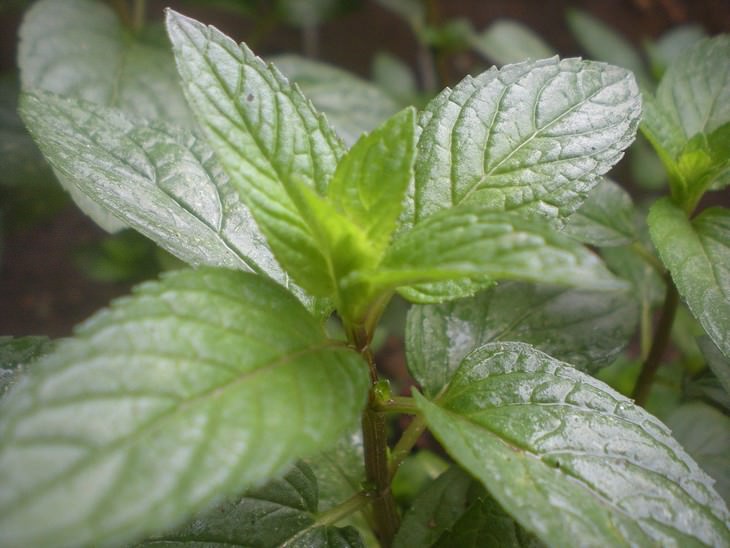
Peppermint is leafy plant from the mint family, and its leaves have been used as an herbal remedy for millennia. Dried peppermint leaves were even found in Egyptian pyramids - the first archeological evidence of the medicinal use of the plant. Today, we have scientific evidence of peppermint tea being effective at easing abdominal pain and bloating in patients suffering from chronic digestive issues, such as irritable bowel syndrome (IBS).

Peppermint is also effective at relieving indigestion symptoms. Finally, there is also some evidence that applying peppermint oil on one's temples may reduce tension headaches as well as 1,000 mg of acetaminophen.

 8) Chili Peppers
 herbal medicines with science backing chili peppers
 
Chili peppers are also some of the most well-studied plant medicines. These red spicy peppers are native to Mexico, and they can be used to ease joint and muscle pain, heartburn, and may even help regulate blood pressure. All of this is thanks to the active spicy component in chilies - capsaicin, as well as other antioxidant components.
There are many existing varieties of chili peppers. Needless to say, chilies are available in many forms, both as food condiments, powdered spices, fresh, or dried whole. Some topical pain relieving creams and ointments, too, contain chili peppers.

8) Evening Primrose oil
 herbal medicines with science backing Evening primrose oil
 
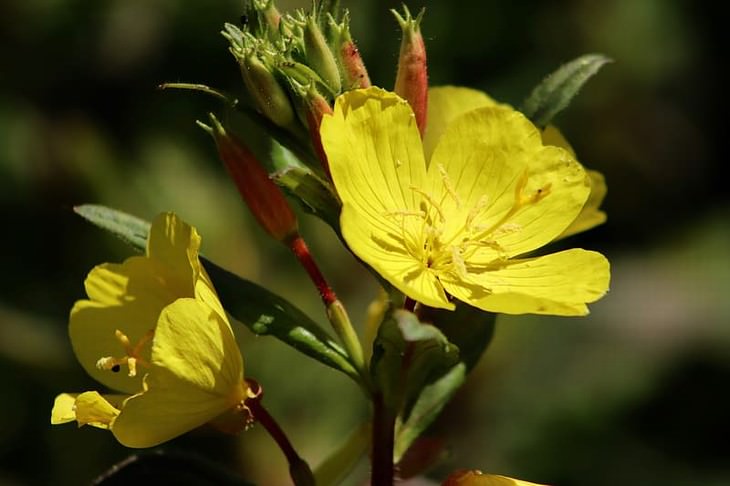
Evening Primrose oil  is derived from the vibrant yellow flowers and other parts of the common evening primrose plant. Evening primrose has been used by Native Americans and Europeans to treat a variety of issues for centuries. Today, we know that the oil of the plant is effective at reducing the symptoms of eczema, dermatitis, PMS, rheumatoid arthritis pain, and even nerve damage due to diabetes.


Evening primrose oil is available in supplement form, but before you decide to start taking it, consult with your doctor. Primrose oil has many interactions with other medications, such as blood thinners and antipsychotic medications, just to name a few. It is also not recommended for people suffering from bleeding disorders and epilepsy, as it can cause seizures, bleeding, and other complications.

10) Caraway seeds
 herbal medicines with science backing Caraway Seeds
 
You have likely tried caraway seeds in foods, and they do add a pleasant anise flavor when added to stews, soups, and even bread. But did you know that these seeds also offer several health benefits? These seeds are beneficial for digestion, being capable of relieving cramps, bloating, gas and other digestive symptoms.

Additional studies also show that these seeds also offer anti-inflammatory benefits and promote immune health. Adding caraway seeds into your diet is easy - simply add 1 teaspoon to 1 tablespoon of whole or powdered seeds into foods when you need it, and you're done. People with gallbladder issues should consult their physician before consuming caraway seeds.

11) Eucalyptus oil
herbal medicines with science backing Eucalyptus
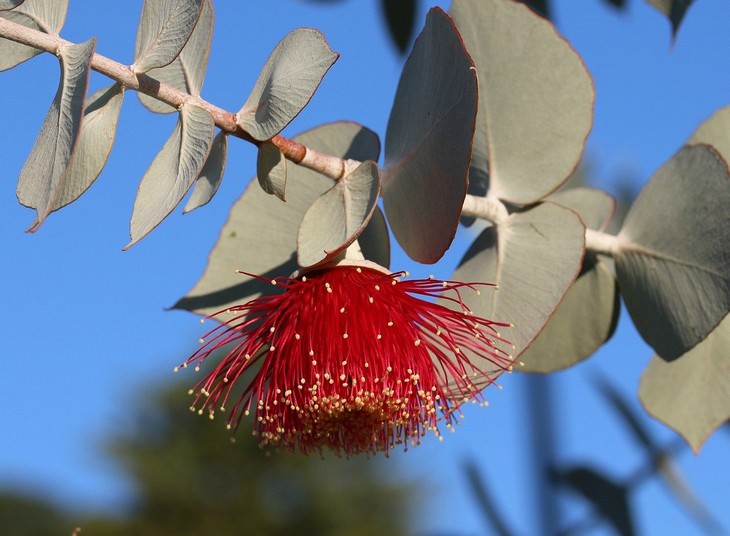
Here is another Australian plant with remarkable pain relief properties - eucalyptus oil. Apart from the known effect of clearing the air passageways when your nose is congested, eucalyptus oil actually also has pain-relieving properties when inhaled. 
 
Do keep in mind, however, that this strong oil isn't suitable for small children and patients suffering from asthma and other breathing issues. Also make sure to keep the oil away from pets, as it is toxic when ingested.

12) Chamomile
 herbal medicines with science backing chamomile
 
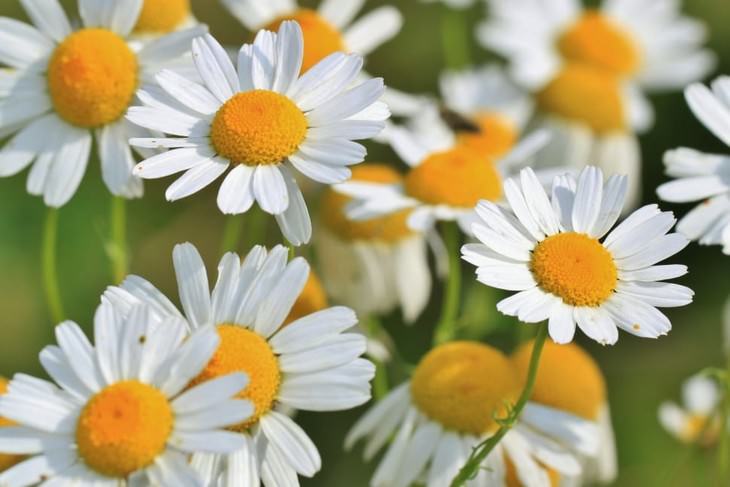
Chamomile isn't just a tea flavor. The flowers of the Roman chamomile plant have been dried and brewed to be used as a calming and antibacterial remedy for centuries. Chamomile is available in a variety of forms, including teas, capsules, and liquids today, and scientific evidence suggests that the herb is capable of reducing anxiety in people suffering from generalized anxiety disorder, so it's similar to lavender in terms of its soothing and calming properties. 
 
13. Shiitake Mushrooms
herbal medicines with science backing shiitake
 
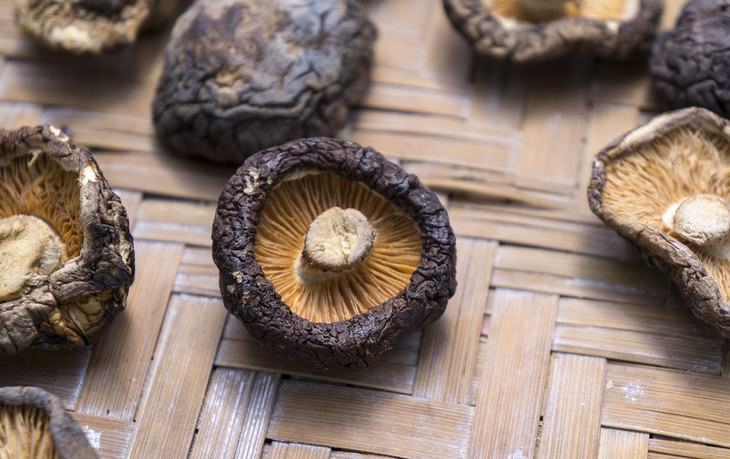
Who doesn't need an immunity and longevity boost these days? Well, it seems like adding some Japanese shiitake mushrooms into your soups or other dishes just may help you in that. These mushrooms are considered medicine in Asian countries where they originated, and there is some evidence suggesting that these delicious mushrooms can improve one's immune health after just 4 weeks of daily consumption.

There's also some additional research supporting the antioxidant and cancer-prevention effect of shiitake mushrooms. The recommended daily dose of the mushrooms varies across studies: 5-10 grams is the average daily intake. 
 
14. Nettles
herbal medicines with science backing nettles
 
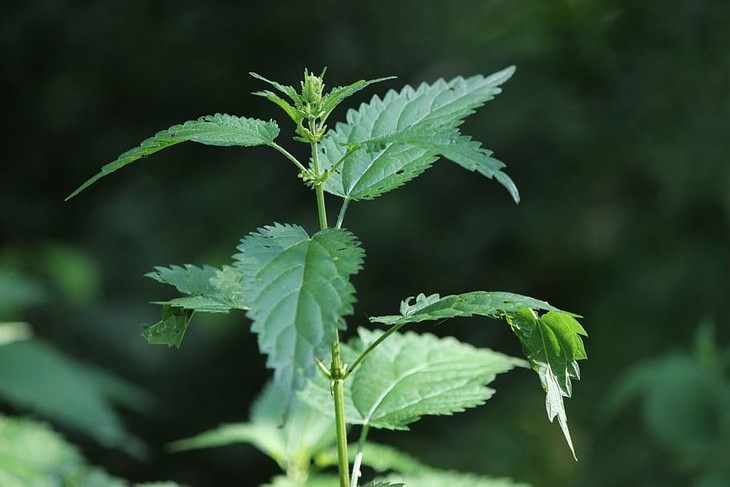
If you only see stinging nettle as a weed that causes a terrible skin rash, you might change your mind after reading this. In fact, tea made of stinging nettle is a traditional remedy for urinary issues, such as kidney stones, an enlarged prostate, and urinary tract infections, and there is some evidence to support those claims. 
 
Stinging nettle may also be beneficial at relieving arthritis pain and inflammation, as suggested by the Arthritis Foundation. Finally, there is some research suggesting nettle tea is beneficial for lowering blood sugar, but more evidence is necessary to support that claim. 
 
Note that stinging nettle tea isn't safe for pregnant and breastfeeding women and has quite a lot of drug interactions, so if you want to start drinking nettle tea regularly or taking a nettle supplement, talk to your doctor first.

15) Ginkgo
 herbal medicines with science backing gingko
 
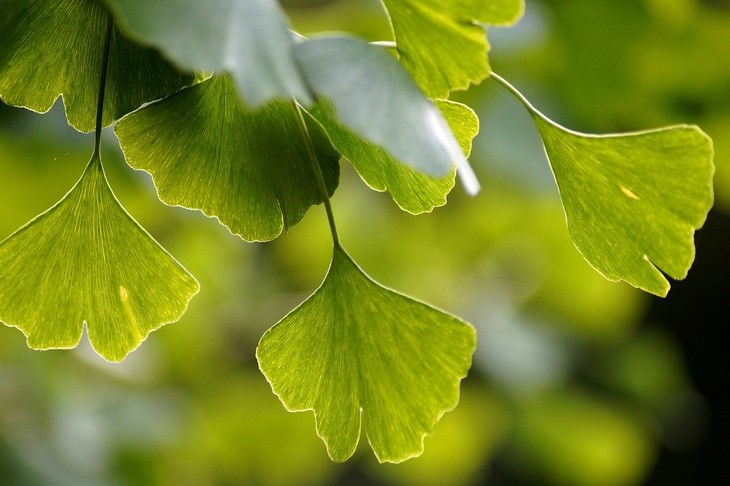
Ginkgo biloba is one of the most ancient surviving tree species on the planet, with some fossils of the tree dating back 270 million years. Native to China, the tree is now widely available as a nutritional supplement that promises to keep your brain young and help you prevent dementia. But are any of those claims true? 
 
There is some truth to those claims: scientific evidence shows that ginkgo supplementation can help slow down cognitive decline associated with dementia and Alzheimer's disease by increasing blood flow and oxygen supply to the brain. The herb may also be beneficial for memory, alertness, and may even help with vertigo. 
 
The herbal medicine is made of the leaves of the ginkgo tree, and these leaves can be either sold dried to prepare tea, or offered in the form of drops, tablets, or capsules. Keep in mind that ginkgo may have adverse side effects and unexpected drug interactions, so make sure you notify your physician before deciding to take this supplement.


This is only for your information, kindly take the advice of your doctor for medicines, exercises and so on.   


Labels: , , , , , , , , , , , , , ,

Monday, December 27, 2021

How To Get Rid Of Eczema: 13 Natural Remedies Backed By Research

Eczema is a chronic inflammatory skin condition that can affect people of all ages, but especially young children and infants. Eczema comes in many forms and most of these forms tend to cause red itchy skin rashes. Persistent flare-ups of eczema can cause the skin to become thickened and scaly, and sometimes blister-like bumps can appear which ooze fluid and become crusty scabs.

Atopic dermatitis is the most common type of eczema and it can affect any area of the body. It is common to have itchy patches of eczema on your handss, feet, upper chest, around the neck and facial area, and even on the scalp. It can be especially sore and irritating when it occurs inside the bend of the elbows and knees as the skin there constantly moves and stretches. Infant eczema can affect the face and scalp.

The itching sensation on the inflamed skin can lead to intense scratching which can damage the skin even more and cause bacterial skin infections.

If you suffer from this uncomfortable skin condition, there are many natural cures to get rid of eczema quicker.

In this article I am going to cover 13 home remedies for eczema backed by research. These home remedies can help you find relief from its symptoms like dry skin, itchiness, and red rashes.

I am also going to look at the reasons why some people experience eczema and what causes the breakout of itchy red rashes. This information can help you to know how to prevent eczema flare-ups and cope with its symptoms. You will also find helpful natural remedies to treat atopic dermatitis.

The Symptoms of Eczema

Itchiness ranging from a mild tickle to a severe and intense itch is a symptom of nearly all types of eczema. In fact, the skin can become itchy before the appearance of any rash. Eczema is also a common reason for itchy bumps on your elbows.

Respected dermatologist Dr. Debra Jaliman says that dry skin is usually associated with eczema. The affected skin often develops a rash and become thickened or scaly. These patches of reddened skin can turn a brownish-gray color and the skin can feel like leather.

The symptoms of eczema can be aggravated if a person scratches the itchy rash because this allows Staphylococcus aureus bacteria to infect broken skin. The end result is that the skin becomes raw, swollen and very sensitive. It may also ooze fluid which can leave the skin with crusty patches when the fluid dries.

Eczema in infants and children

It is very distressing for parents to see their toddlers and infants suffer from eczema. According to the National Eczema Association, around 10% of all infants in the U.S. suffer from some form of infant eczema.

The appearance of infant eczema is different from eczema in older children and adults. Depending on the age of your infant, patches of eczema appear in different places. According to the National Eczema Association, the stages of infant eczema are as follows:

  • Babies under 6 months. Red patches of “weepy” skin around your baby’s face and on the scalp.
  • Babies from 6 to 12 months. Patches of eczema develop around the elbows and knees. If these patches become infected, then “pus bumps” can occur which turn crusty when the pus dries.
  • Toddlers from 2 to 5 years. Your toddler’s eczema thickens and have the appearance of dry, scaly, and inflamed skin. Outbreaks of eczema may be more common around the mouth and eyelids.

Causes of Eczema

According to doctors from the Mayo Clinic, it is not known what exactly causes eczema. Because people with allergies and asthma often have atopic dermatitis, it is thought that atopic dermatitis is connected with an overactive immune system.

Other causes of eczema could be dry skin, a problem with your skin’s barrier protection, or environmental conditions. Eczema often runs in families.

The Best Home Remedies to Get Rid of Eczema

Natural remedies are an excellent way to treat eczema and to prevent itching by keeping your skin moist and moisturized. This type of treatment method for inflamed skin helps to reduce the temptation to scratch the skin and stops the skin from becoming dry and scaly.

Let’s look at some of the best home remedies that are backed by research for treating the symptoms of eczema.

1. Coconut oil for treating eczema

coconut oil for eczemaVirgin coconut oil is a soothing natural home remedy to prevent and treat eczema. Coconut oil provides deep hydration to the skin, protecting it from drying out and becoming scaly. Coconut oil is an effective natural treatment for eczema because it contains antimicrobial, anti- anti-inflamfungal, antibacterial, and anti-inflammatory agents.

Research on the healing properties of coconut oil for eczema shows that its antibacterial activities are effective against Staphylococcus aureus bacteria. In fact, a study published in the journal Dermatitis showed that coconut oil also acts as an emollient to moisturize dry skin and kill off bacteria that cause skin infections. It described coconut oil as “useful in the proactive treatment of atopic dermatitis colonization”.

Coconut oil is also gentle enough to help treat mild to moderate eczema in infants. The International Journal of Dermatology found that virgin coconut oil effectively helps to reduce redness on the inflamed skin of infants, as well as helping to hydrate and soothe dry skin.

Many eczema sufferers claim that organic unrefined virgin coconut oil helps to keep their outbreaks of eczema under control and gives them better results than much more expensive products.

To use coconut oil to repair skin damaged by eczema all you have to do is apply coconut oil directly to the affected area several times a day and before you go to sleep. Apply the coconut oil daily until the reddish itchy patches of skin have gone completely.

Coconut oil is more than just a way to get relief from dry, flaky skin.

2. Apple cider vinegar (ACV)

Raw unprocessed apple cider vinegar can reduce the inflammation and relieve the itching caused by eczema. Apple cider vinegar contains high amounts of acetic acid which can help kill off bacterial skin infections and reduce itchiness.

Skin affected by atopic eczema usually has a higher pH level than healthy skin and this is one reason for the itching and inflammation. The acid content in apple cider vinegar helps to lower the skin’s pH level, thus helping to reduce the urge to scratch itchy red patches of skin.

Clinical research also backs up the effectiveness of the acidic content of apple cider vinegar on damaged, inflamed skin. For example, a review of studies into acetic acid published on Medscape found that it can help to kill off Pseudomonas aeruginosa and Staphylococcus aureus bacteria in wounds.

Other studies into using natural remedies for helping to treat eczema have found that bathing the affected skin in acidic water can help to reduce inflammation caused by atopic dermatitis.6

There are several ways in which you can use ACV to naturally relieve the symptoms of eczema.

Use the apple cider vinegar home remedy for eczema method by mixing equal amounts of raw unprocessed ACV and water. Using a cotton ball or a spray bottle, apply the ACV remedy directly to the area of skin affected by eczema. Repeat the ACV treatment twice a day – once in the morning and once in the night before going to bed to speed up the healing process of itchy, inflamed skin.

If you have sensitive skin, dilute the ACV more. Always remember to moisturize your skin after using the ACV eczema treatment. You can use coconut oil or jojoba oil. Jojoba oil is actually a liquid wax. It penetrates the skin deeply and is incredibly rich and moisturizing.

The second natural treatment for eczema is to add 2 cups of ACV to warm or tepid bath water. Soak in this bath for at least 30 minutes. Repeat this treatment for at least 3 times a week to soothe irritated skin. The acidic content of the ACV will help to relieve itching all over your body.

The third method is to take 1-2 tablespoons of ACV and mix it into a cup of water (you can add honey for a better taste). Drink once or twice every day to help get rid of the signs of eczema and prevent further flare-ups. 

3. Chamomile for eczema

Chamomile contains soothing properties for any type of inflamed skin and is an excellent therapeutic agent for getting rid of eczema faster. Chamomile is an excellent home remedy for eczema because it contains anti-inflammatory and antibacterial compounds to help soothe infected red patches of skin.

Research into the healing effects of chamomile on eczema found that extracts of the flowers can help to reduce skin inflammation. It is interesting to note, that chamomile extracts showed a similar anti-eczema effect as hydrocortisone ointments and other anti-inflammatory pharmaceutical ointments.

There are many ways to use chamomile to soothe all types of eczema (including atopic dermatitis), minor burns and sunburn.

You can simply make a cup of soothing chamomile tea and use the chamomile tea bag to soothe itchy skin. Drinking the refreshing tea will help you to relax and will help take your mind off your skin irritation.

You can make an anti-inflammatory chamomile ointment to soothe the itchy skin and kill off bacterial infections on cracked, dry skin. You should add 2-3 drops of chamomile oil to a tablespoon of virgin coconut oil and gently massage into the scaly, red skin. Apply the natural ointment 2-3 times a day every day to speed up healing and prevent bacterial infection.

Chamomile is a common herb to treat various ailments.

4. Witch Hazel

The main benefit of witch hazel for helping to cure the symptoms of eczema is its astringent and anti-inflammatory properties. This makes witch hazel a helpful home remedy to treat acne, cuts, psoriasis and eczema. Witch hazel is also one of the best natural remedies to get rid of skin rashes.

Witch hazel contains tannins which help to contract skin cells and speed up the healing process. This astringent activity has shown to help alleviate inflammation caused by eczema and prevent skin cell damage. The powerful antioxidant and antibacterial effects of witch hazel will also help avoid damaged skin becoming infected.

Use witch hazel directly on your affected skin to help dry out weeping sores of severe eczema. Soak a cotton ball in witch hazel and gently apply to areas of skin where you have eczema. Repeat as necessary every day to get relief from eczema symptoms.

Witch hazel is also a natural remedy for insect bites, sunburn, puffy eyes and itchy skin.

5. Colloidal oatmeal bath

To help get fast relief from flaky, dry, itchy skin caused by eczema, you can use the healing properties of oatmeal.

Dermatologist, Dr. David Lim recommends using oatmeal for various skin disorders. This is because colloidal oatmeal moisturizes the skin and contains antioxidants which are effective in getting rid of the symptoms of eczema like itchiness, dry skin, and skin inflammation. In fact, oatmeal is so gentle and effective that it can be used on babies and infants with eczema. These facts were confirmed in an extensive report on using oatmeal to treat atopic dermatitis. The report said that colloidal oatmeal improved the symptoms of atopic dermatitis and is well tolerated in babies, children, and adults with eczema.

You can make your own colloidal oatmeal treatment for curing eczema and other itchy skin conditions. To make a soothing oatmeal bath, please do the following:

  • Take 2 cups of ground oatmeal and put them into an old pair of clean pantyhose and tie loosely.
  • Draw a bath with warm water making sure that the oatmeal sock is under the faucet and the water flows through it.
  • Squeeze the sock occasionally to get more of the oat liquid out.
  • Soak in the tub for 15 minutes. During this time dab the oat sock onto patches of skin where you have eczema to soothe the inflammation itching.

Take the oatmeal bath before going to bed at night to help you sleep better because very often the itchiness caused by eczema is worse during the night.

6. Aloe vera

aloe vera for eczema 

Aloe vera is a great home remedy to help relieve the painful symptoms of eczema and repair damaged skin. Aloe vera is well-known for having healing properties that help treat burned and itchy skin. This is because it contains anti-inflammatory properties and vitamins which nourish and protect the skin. The antibacterial activities of aloe vera also help to reduce or completely eliminate bacterial skin infections.

A study published in 2014 found that itchy, inflammat

Eczema is a chronic inflammatory skin condition that can affect people of all ages, but especially young children and infants. Eczema comes in many forms and most of these forms tend to cause red itchy skin rashes. Persistent flare-ups of eczema can cause the skin to become thickened and scaly, and sometimes blister-like bumps can appear which ooze fluid and become crusty scabs.

Atopic dermatitis is the most common type of eczema and it can affect any area of the body. It is common to have itchy patches of eczema on your handss, feet, upper chest, around the neck and facial area, and even on the scalp. It can be especially sore and irritating when it occurs inside the bend of the elbows and knees as the skin there constantly moves and stretches. Infant eczema can affect the face and scalp.

The itching sensation on the inflamed skin can lead to intense scratching which can damage the skin even more and cause bacterial skin infections.

If you suffer from this uncomfortable skin condition, there are many natural cures to get rid of eczema quicker.

In this article I am going to cover 13 home remedies for eczema backed by research. These home remedies can help you find relief from its symptoms like dry skin, itchiness, and red rashes.

I am also going to look at the reasons why some people experience eczema and what causes the breakout of itchy red rashes. This information can help you to know how to prevent eczema flare-ups and cope with its symptoms. You will also find helpful natural remedies to treat atopic dermatitis.

The Symptoms of Eczema

Itchiness ranging from a mild tickle to a severe and intense itch is a symptom of nearly all types of eczema. In fact, the skin can become itchy before the appearance of any rash. Eczema is also a common reason for itchy bumps on your elbows.

Respected dermatologist Dr. Debra Jaliman says that dry skin is usually associated with eczema. The affected skin often develops a rash and become thickened or scaly. These patches of reddened skin can turn a brownish-gray color and the skin can feel like leather.

The symptoms of eczema can be aggravated if a person scratches the itchy rash because this allows Staphylococcus aureus bacteria to infect broken skin. The end result is that the skin becomes raw, swollen and very sensitive. It may also ooze fluid which can leave the skin with crusty patches when the fluid dries.

Eczema in infants and children

It is very distressing for parents to see their toddlers and infants suffer from eczema. According to the National Eczema Association, around 10% of all infants in the U.S. suffer from some form of infant eczema.

The appearance of infant eczema is different from eczema in older children and adults. Depending on the age of your infant, patches of eczema appear in different places. According to the National Eczema Association, the stages of infant eczema are as follows:

  • Babies under 6 months. Red patches of “weepy” skin around your baby’s face and on the scalp.
  • Babies from 6 to 12 months. Patches of eczema develop around the elbows and knees. If these patches become infected, then “pus bumps” can occur which turn crusty when the pus dries.
  • Toddlers from 2 to 5 years. Your toddler’s eczema thickens and have the appearance of dry, scaly, and inflamed skin. Outbreaks of eczema may be more common around the mouth and eyelids.

Causes of Eczema

According to doctors from the Mayo Clinic, it is not known what exactly causes eczema. Because people with allergies and asthma often have atopic dermatitis, it is thought that atopic dermatitis is connected with an overactive immune system.

Other causes of eczema could be dry skin, a problem with your skin’s barrier protection, or environmental conditions. Eczema often runs in families.

The Best Home Remedies to Get Rid of Eczema

Natural remedies are an excellent way to treat eczema and to prevent itching by keeping your skin moist and moisturized. This type of treatment method for inflamed skin helps to reduce the temptation to scratch the skin and stops the skin from becoming dry and scaly.

Let’s look at some of the best home remedies that are backed by research for treating the symptoms of eczema.

1. Coconut oil for treating eczema

coconut oil for eczemaVirgin coconut oil is a soothing natural home remedy to prevent and treat eczema. Coconut oil provides deep hydration to the skin, protecting it from drying out and becoming scaly. Coconut oil is an effective natural treatment for eczema because it contains antimicrobial, anti- anti-inflamfungal, antibacterial, and anti-inflammatory agents.

Research on the healing properties of coconut oil for eczema shows that its antibacterial activities are effective against Staphylococcus aureus bacteria. In fact, a study published in the journal Dermatitis showed that coconut oil also acts as an emollient to moisturize dry skin and kill off bacteria that cause skin infections. It described coconut oil as “useful in the proactive treatment of atopic dermatitis colonization”.

Coconut oil is also gentle enough to help treat mild to moderate eczema in infants. The International Journal of Dermatology found that virgin coconut oil effectively helps to reduce redness on the inflamed skin of infants, as well as helping to hydrate and soothe dry skin.

Many eczema sufferers claim that organic unrefined virgin coconut oil helps to keep their outbreaks of eczema under control and gives them better results than much more expensive products.

To use coconut oil to repair skin damaged by eczema all you have to do is apply coconut oil directly to the affected area several times a day and before you go to sleep. Apply the coconut oil daily until the reddish itchy patches of skin have gone completely.

Coconut oil is more than just a way to get relief from dry, flaky skin.

2. Apple cider vinegar (ACV)

Raw unprocessed apple cider vinegar can reduce the inflammation and relieve the itching caused by eczema. Apple cider vinegar contains high amounts of acetic acid which can help kill off bacterial skin infections and reduce itchiness.

Skin affected by atopic eczema usually has a higher pH level than healthy skin and this is one reason for the itching and inflammation. The acid content in apple cider vinegar helps to lower the skin’s pH level, thus helping to reduce the urge to scratch itchy red patches of skin.

Clinical research also backs up the effectiveness of the acidic content of apple cider vinegar on damaged, inflamed skin. For example, a review of studies into acetic acid published on Medscape found that it can help to kill off Pseudomonas aeruginosa and Staphylococcus aureus bacteria in wounds.

Other studies into using natural remedies for helping to treat eczema have found that bathing the affected skin in acidic water can help to reduce inflammation caused by atopic dermatitis.6

There are several ways in which you can use ACV to naturally relieve the symptoms of eczema.

Use the apple cider vinegar home remedy for eczema method by mixing equal amounts of raw unprocessed ACV and water. Using a cotton ball or a spray bottle, apply the ACV remedy directly to the area of skin affected by eczema. Repeat the ACV treatment twice a day – once in the morning and once in the night before going to bed to speed up the healing process of itchy, inflamed skin.

If you have sensitive skin, dilute the ACV more. Always remember to moisturize your skin after using the ACV eczema treatment. You can use coconut oil or jojoba oil. Jojoba oil is actually a liquid wax. It penetrates the skin deeply and is incredibly rich and moisturizing.

The second natural treatment for eczema is to add 2 cups of ACV to warm or tepid bath water. Soak in this bath for at least 30 minutes. Repeat this treatment for at least 3 times a week to soothe irritated skin. The acidic content of the ACV will help to relieve itching all over your body.

The third method is to take 1-2 tablespoons of ACV and mix it into a cup of water (you can add honey for a better taste). Drink once or twice every day to help get rid of the signs of eczema and prevent further flare-ups. 

3. Chamomile for eczema

Chamomile contains soothing properties for any type of inflamed skin and is an excellent therapeutic agent for getting rid of eczema faster. Chamomile is an excellent home remedy for eczema because it contains anti-inflammatory and antibacterial compounds to help soothe infected red patches of skin.

Research into the healing effects of chamomile on eczema found that extracts of the flowers can help to reduce skin inflammation. It is interesting to note, that chamomile extracts showed a similar anti-eczema effect as hydrocortisone ointments and other anti-inflammatory pharmaceutical ointments.

There are many ways to use chamomile to soothe all types of eczema (including atopic dermatitis), minor burns and sunburn.

You can simply make a cup of soothing chamomile tea and use the chamomile tea bag to soothe itchy skin. Drinking the refreshing tea will help you to relax and will help take your mind off your skin irritation.

You can make an anti-inflammatory chamomile ointment to soothe the itchy skin and kill off bacterial infections on cracked, dry skin. You should add 2-3 drops of chamomile oil to a tablespoon of virgin coconut oil and gently massage into the scaly, red skin. Apply the natural ointment 2-3 times a day every day to speed up healing and prevent bacterial infection.

Chamomile is a common herb to treat various ailments.

4. Witch Hazel

The main benefit of witch hazel for helping to cure the symptoms of eczema is its astringent and anti-inflammatory properties. This makes witch hazel a helpful home remedy to treat acne, cuts, psoriasis and eczema. Witch hazel is also one of the best natural remedies to get rid of skin rashes.

Witch hazel contains tannins which help to contract skin cells and speed up the healing process. This astringent activity has shown to help alleviate inflammation caused by eczema and prevent skin cell damage. The powerful antioxidant and antibacterial effects of witch hazel will also help avoid damaged skin becoming infected.

Use witch hazel directly on your affected skin to help dry out weeping sores of severe eczema. Soak a cotton ball in witch hazel and gently apply to areas of skin where you have eczema. Repeat as necessary every day to get relief from eczema symptoms.

Witch hazel is also a natural remedy for insect bites, sunburn, puffy eyes and itchy skin.

5. Colloidal oatmeal bath

To help get fast relief from flaky, dry, itchy skin caused by eczema, you can use the healing properties of oatmeal.

Dermatologist, Dr. David Lim recommends using oatmeal for various skin disorders. This is because colloidal oatmeal moisturizes the skin and contains antioxidants which are effective in getting rid of the symptoms of eczema like itchiness, dry skin, and skin inflammation. In fact, oatmeal is so gentle and effective that it can be used on babies and infants with eczema. These facts were confirmed in an extensive report on using oatmeal to treat atopic dermatitis. The report said that colloidal oatmeal improved the symptoms of atopic dermatitis and is well tolerated in babies, children, and adults with eczema.

You can make your own colloidal oatmeal treatment for curing eczema and other itchy skin conditions. To make a soothing oatmeal bath, please do the following:

  • Take 2 cups of ground oatmeal and put them into an old pair of clean pantyhose and tie loosely.
  • Draw a bath with warm water making sure that the oatmeal sock is under the faucet and the water flows through it.
  • Squeeze the sock occasionally to get more of the oat liquid out.
  • Soak in the tub for 15 minutes. During this time dab the oat sock onto patches of skin where you have eczema to soothe the inflammation itching.

Take the oatmeal bath before going to bed at night to help you sleep better because very often the itchiness caused by eczema is worse during the night.

6. Aloe vera

aloe vera for eczema 

Aloe vera is a great home remedy to help relieve the painful symptoms of eczema and repair damaged skin. Aloe vera is well-known for having healing properties that help treat burned and itchy skin. This is because it contains anti-inflammatory properties and vitamins which nourish and protect the skin. The antibacterial activities of aloe vera also help to reduce or completely eliminate bacterial skin infections.

A study published in 2014 found that itchy, inflammatory skin conditions are greatly improved when aloe vera is applied directly to the affected area. It reported that the anti-inflammatory effect of aloe vera can help to successfully treat long-term eczema.

An article entitled “Plants Used to Treat Skin Diseases” published in Pharmacognosy Review explained why aloe vera is effective in speeding up the healing process of eczema. It said that aloe vera increases blood circulation to the affected areas and prevents cell death.

To quickly relieve itching and scaly skin caused by eczema and at the same time nourish your damaged skin, apply pure aloe vera gel to the affected area. Gently massage the aloe vera gel 2-3 times a day every day until your itchy eczema rash is cured.

7. Baking soda

Baking soda (sodium bicarbonate) is an easy and cheap atopic dermatitis treatment. Baking soda contains anti-inflammatory properties that can help to relieve skin conditions that are characterized by dry, scaly, itchy patches of skin.

The National Eczema Association recommends taking a baking soda bath as an effective home remedy for treating eczema. This is an excellent way to help reduce the discomfort caused by eczema if you have large patches of eczema all over your body.

Prepare a baking soda bath by adding half a cup of baking soda to a full warm bath. Soak for 20 minutes to relieve the itchy symptoms of eczema. After the bath, don’t forget to apply a mild moisturizer on the affected area.

You can also use baking soda in a paste form if you have small patches of eczema on your hands, arms, face, or behind your elbows or knees. To make natural baking soda remedy for eczema, take one or two tablespoons of baking soda and add enough water to form a thick paste. Apply the remedy to the affected area to relieve itching fast. Leave for few minutes, then rinse off with warm water and apply moisturizer.

8. Licorice cream

Licorice is known to help skin conditions like eczema and psoriasis because of its ability to soothe inflamed skin.

According to information published in The Journal of Dermatological Treatment, lab studies have shown that licorice has anti-inflammatory activity, and researchers have tested it for skin conditions that involve inflammation. The study showed that when licorice gel is applied to the skin, it relieves symptoms of itching, swelling, and redness. A gel with 2% licorice worked better than one with 1%.

Licorice cream can be bought at many online stores.

9. Turmeric for eczema

Turmeric has numerous therapeutic health benefits to relieve many inflammatory conditions, including eczema. The active ingredient of turmeric that has anti-inflammatory properties is curcumin which gives it the bright yellow color and distinct taste.

Many studies have shown that curcumin helps to keep skin healthy and free from itchy red patches. The journal Phytotherapy Research examined many studies into curcumin for skin health and found that it can help to alleviate the symptoms of atopic dermatitis, psoriasis, and acne. It commented that both oral and topical curcumin supplements offer therapeutic benefits for skin health.

There are many ways to incorporate more turmeric into your diet. However, to help treat eczema using curcumin, it is best to regularly take curcumin supplements. Because curcumin is poorly absorbed into the body , look for supplements with piperine included.

10. Evening primrose oil for atopic dermatitis

Evening primrose oil can also be taken as a supplement or applied topically as an effective natural treatment for eczema. Oil extracts from evening primrose contain essential fatty acids that have a beneficial effect on the skin.

The University of Maryland reports that the most scientifically proven medical use for evening primrose oil is to treat the painful symptoms of eczema. A study into the effectiveness of evening primrose oil in reducing scaling and redness found that over 1,000 people found relief from eczema. Evening primrose oil also helped to reduce itching, swelling, and crusting in both adults and children with atopic dermatitis.20

Although some reports say that evening primrose doesn’t help with eczema symptoms, many people have found it to be effective in completely relieving their itchy skin.

You can make a topical application to nourish dry and flaky skin by adding a few drops of chamomile oil to a tablespoon of evening primrose oil. Apply the remedy to the affected area 2-3 times a day to get relief from red, itchy skin caused by eczema.

You may find that taking evening primrose oil as a supplement could help alleviate the irritation caused by eczema.

11. Urea cream

Although urea cream is not entirely natural, it is extremely effective for curing and preventing outbreaks of eczema. It is a very effective method of soothing irritated, itchy skin and it’s very cheap as well. Of course, urea is a natural ingredient, but the cream containing urea contains some other ingredients that are not natural, but since it is so effective in treating eczema I decided to include it in this article.

Urea cream is a very effective way to quickly moisturize dry, cracked and thickened skin. It can also help to get rid of dead skin cells and remove scaly skin.

You can buy urea cream on drugstores or online. For eczema relief, follow the instructions on the urea cream.

Other Ways to Get Rid of Eczema Naturally

Certain supplements have also shown to be effective in treating the symptoms of eczema. Some of these other ways to naturally get rid of eczema may work for you.

12. GLA supplement

GLA supplements have been shown to be very beneficial in treating eczema.

Some studies suggest that eczema may be caused by the lack of an important enzyme that creates omega 6 fatty acid called GLA. Lack of the enzyme means lack of GLA thus resulting in aggravating eczema. This was outlined in a study published in The American Journal of Clinical Nutrition. It found that that modest doses of GLA acid showed improvement in itching as a result of atopic dermatitis.

Therefore the solution might be to take GLA as a supplement. It is recommended to use the GLA supplement for at least 4 weeks. Then symptoms should improve gradually.

13. Probiotics

Our gut needs a proper balance of “good” bacteria for proper digestive system function. If the digestion system doesn’t work properly, our body is more sensitive to allergies and skin irritations.

Studies suggest that taking probiotic supplements can help to prevent eczema in children.

How to Prevent Eczema Flare-ups

Eczema is a chronic skin condition which can only be cured until the next flare-up. Therefore, one of the best ways in managing outbreaks of eczema is to take steps to prevent the frequency of eczema flare-ups.

Dermatologist, Dr. Debra Jaliman recommends a few simple tips which can reduce the frequency of eczema outbreaks on your skin:

  • Moisturize your skin regularly throughout the day to keep a protective barrier on your skin and prevent itchiness.
  • Try to avoid sudden changes in temperature.
  • Stress can trigger an eczema flare-up, so try to find ways to manage stress better.
  • Avoid clothing and other fabrics that can irritate sensitive areas of skin that are prone to eczema flare-ups.
  • Avoid soaps and detergents that strip the skin of its protective oils.

Dr. Jaliman also said that certain foods can trigger an outbreak.

Avoid trigger foods the cause eczema

It’s important to keep a food diary to try to identify any foods that aggravate your eczema symptoms and then eliminate them from your diet. You may also want to try the raw food diet as it was used to successfully got rid of eczema.

According to Dr. Tim Kenny on Patient.info, some of the most common trigger foods that make your eczema worse are cow’s milk, eggs, soy, wheat, peanuts, cheese, fish, chocolate, artificial food colors and tomatoes.

It might seem a long process if you go through every food, but the fact is that most people eat certain foods all the time. Start with those foods that you eat on a regular basis and by a process of elimination, try to find out which food triggers your itchy breakouts.

Eczema vs Psoriasis – What’s the Difference?

Both eczema and psoriasis are chronic skin diseases that are difficult to manage and cause great discomfort.

Both skin conditions show symptoms of itchy patches of dry skin and thickened skin that is inflamed. Both are connected to the immune system and are triggered by similar conditions. But psoriasis doesn’t affect as many people as eczema and it usually starts showing symptoms after the age of 16. The patches of skin are usually much thicker with psoriasis and are covered with silvery scales.

The good news is that there are many natural home remedies to successfully treat psoriasis and eczema. So give them a try and see what works best for you.


ory skin conditions are greatly improved when aloe vera is applied directly to the affected area. It reported that the anti-inflammatory effect of aloe vera can help to successfully treat long-term eczema.

An article entitled “Plants Used to Treat Skin Diseases” published in Pharmacognosy Review explained why aloe vera is effective in speeding up the healing process of eczema. It said that aloe vera increases blood circulation to the affected areas and prevents cell death.

To quickly relieve itching and scaly skin caused by eczema and at the same time nourish your damaged skin, apply pure aloe vera gel to the affected area. Gently massage the aloe vera gel 2-3 times a day every day until your itchy eczema rash is cured.

7. Baking soda

Baking soda (sodium bicarbonate) is an easy and cheap atopic dermatitis treatment. Baking soda contains anti-inflammatory properties that can help to relieve skin conditions that are characterized by dry, scaly, itchy patches of skin.

The National Eczema Association recommends taking a baking soda bath as an effective home remedy for treating eczema. This is an excellent way to help reduce the discomfort caused by eczema if you have large patches of eczema all over your body.

Prepare a baking soda bath by adding half a cup of baking soda to a full warm bath. Soak for 20 minutes to relieve the itchy symptoms of eczema. After the bath, don’t forget to apply a mild moisturizer on the affected area.

You can also use baking soda in a paste form if you have small patches of eczema on your hands, arms, face, or behind your elbows or knees. To make natural baking soda remedy for eczema, take one or two tablespoons of baking soda and add enough water to form a thick paste. Apply the remedy to the affected area to relieve itching fast. Leave for few minutes, then rinse off with warm water and apply moisturizer.

8. Licorice cream

Licorice is known to help skin conditions like eczema and psoriasis because of its ability to soothe inflamed skin.

According to information published in The Journal of Dermatological Treatment, lab studies have shown that licorice has anti-inflammatory activity, and researchers have tested it for skin conditions that involve inflammation. The study showed that when licorice gel is applied to the skin, it relieves symptoms of itching, swelling, and redness. A gel with 2% licorice worked better than one with 1%.

Licorice cream can be bought at many online stores.

9. Turmeric for eczema

Turmeric has numerous therapeutic health benefits to relieve many inflammatory conditions, including eczema. The active ingredient of turmeric that has anti-inflammatory properties is curcumin which gives it the bright yellow color and distinct taste.

Many studies have shown that curcumin helps to keep skin healthy and free from itchy red patches. The journal Phytotherapy Research examined many studies into curcumin for skin health and found that it can help to alleviate the symptoms of atopic dermatitis, psoriasis, and acne. It commented that both oral and topical curcumin supplements offer therapeutic benefits for skin health.

There are many ways to incorporate more turmeric into your diet. However, to help treat eczema using curcumin, it is best to regularly take curcumin supplements. Because curcumin is poorly absorbed into the body , look for supplements with piperine included.

10. Evening primrose oil for atopic dermatitis

Evening primrose oil can also be taken as a supplement or applied topically as an effective natural treatment for eczema. Oil extracts from evening primrose contain essential fatty acids that have a beneficial effect on the skin.

The University of Maryland reports that the most scientifically proven medical use for evening primrose oil is to treat the painful symptoms of eczema. A study into the effectiveness of evening primrose oil in reducing scaling and redness found that over 1,000 people found relief from eczema. Evening primrose oil also helped to reduce itching, swelling, and crusting in both adults and children with atopic dermatitis.20

Although some reports say that evening primrose doesn’t help with eczema symptoms, many people have found it to be effective in completely relieving their itchy skin.

You can make a topical application to nourish dry and flaky skin by adding a few drops of chamomile oil to a tablespoon of evening primrose oil. Apply the remedy to the affected area 2-3 times a day to get relief from red, itchy skin caused by eczema.

You may find that taking evening primrose oil as a supplement could help alleviate the irritation caused by eczema.

11. Urea cream

Although urea cream is not entirely natural, it is extremely effective for curing and preventing outbreaks of eczema. It is a very effective method of soothing irritated, itchy skin and it’s very cheap as well. Of course, urea is a natural ingredient, but the cream containing urea contains some other ingredients that are not natural, but since it is so effective in treating eczema I decided to include it in this article.

Urea cream is a very effective way to quickly moisturize dry, cracked and thickened skin. It can also help to get rid of dead skin cells and remove scaly skin.

You can buy urea cream on drugstores or online. For eczema relief, follow the instructions on the urea cream.

Other Ways to Get Rid of Eczema Naturally

Certain supplements have also shown to be effective in treating the symptoms of eczema. Some of these other ways to naturally get rid of eczema may work for you.

12. GLA supplement

GLA supplements have been shown to be very beneficial in treating eczema.

Some studies suggest that eczema may be caused by the lack of an important enzyme that creates omega 6 fatty acid called GLA. Lack of the enzyme means lack of GLA thus resulting in aggravating eczema. This was outlined in a study published in The American Journal of Clinical Nutrition. It found that that modest doses of GLA acid showed improvement in itching as a result of atopic dermatitis.

Therefore the solution might be to take GLA as a supplement. It is recommended to use the GLA supplement for at least 4 weeks. Then symptoms should improve gradually.

13. Probiotics

Our gut needs a proper balance of “good” bacteria for proper digestive system function. If the digestion system doesn’t work properly, our body is more sensitive to allergies and skin irritations.

Studies suggest that taking probiotic supplements can help to prevent eczema in children.

How to Prevent Eczema Flare-ups

Eczema is a chronic skin condition which can only be cured until the next flare-up. Therefore, one of the best ways in managing outbreaks of eczema is to take steps to prevent the frequency of eczema flare-ups.

Dermatologist, Dr. Debra Jaliman recommends a few simple tips which can reduce the frequency of eczema outbreaks on your skin:

  • Moisturize your skin regularly throughout the day to keep a protective barrier on your skin and prevent itchiness.
  • Try to avoid sudden changes in temperature.
  • Stress can trigger an eczema flare-up, so try to find ways to manage stress better.
  • Avoid clothing and other fabrics that can irritate sensitive areas of skin that are prone to eczema flare-ups.
  • Avoid soaps and detergents that strip the skin of its protective oils.

Dr. Jaliman also said that certain foods can trigger an outbreak.

Avoid trigger foods the cause eczema

It’s important to keep a food diary to try to identify any foods that aggravate your eczema symptoms and then eliminate them from your diet. You may also want to try the raw food diet as it was used to successfully got rid of eczema.

According to Dr. Tim Kenny on Patient.info, some of the most common trigger foods that make your eczema worse are cow’s milk, eggs, soy, wheat, peanuts, cheese, fish, chocolate, artificial food colors and tomatoes.

It might seem a long process if you go through every food, but the fact is that most people eat certain foods all the time. Start with those foods that you eat on a regular basis and by a process of elimination, try to find out which food triggers your itchy breakouts.

Eczema vs Psoriasis – What’s the Difference?

Both eczema and psoriasis are chronic skin diseases that are difficult to manage and cause great discomfort.

Both skin conditions show symptoms of itchy patches of dry skin and thickened skin that is inflamed. Both are connected to the immune system and are triggered by similar conditions. But psoriasis doesn’t affect as many people as eczema and it usually starts showing symptoms after the age of 16. The patches of skin are usually much thicker with psoriasis and are covered with silvery scales.

The good news is that there are many natural home remedies to successfully treat psoriasis and eczema. So give them a try and see what works best for you.

This is only for your information, kindly take the advice of your doctor for medicines, exercises and so on.   

https://gscrochetdesigns.blogspot.com. one can see my crochet creations  
https://gseasyrecipes.blogspot.com. feel free to view for easy, simple and healthy recipes    
https://kneereplacement-stickclub.blogspot.com. for info on knee replacement


Labels: , , , , , , , , , , , , , , ,