Wednesday, August 06, 2025

Suffer From an Edema? These are the Causes and Treatments

It is no secret that lack of exercise and poor nutrition can cause many physical problems and affect people's lifestyle. One such issue is an edema. An edema, which is actually an accumulation of fluids in various tissues in the body, is caused not only from unhealthy lifestyle but also by natural hormonal processes occurring during menopause and during pregnancy, and even when people are confined to their beds for a long time.
 
Although this condition isn’t life-threatening, it can indicate defects in the body such as heart or kidney disease, so it is important not to ignore it. Depending on its cause, an edema can be alleviated by the following 6 simple and effective methods.
1. Excessive consumption of sodium 
 Today's industrial foods are full of salts to emphasize their taste, and since many consume them on a regular basis, they may develop an edema. Also adding salt to various foods made at home or when eating out causes excess fluid to accumulate in the cells that are supposed to dilute the excess sodium, so it is important to moderate salt intake to avoid an edema and other physical problems. Surprisingly, there are special salts that can solve this problem by causing the body to drain excess fluids. Drinking a glass of water with Himalayan or Celtic sea salt dissolved in it will help to relieve the edema easily and efficiently.
2. Vitamin B6 deficiency 
 Edema
 
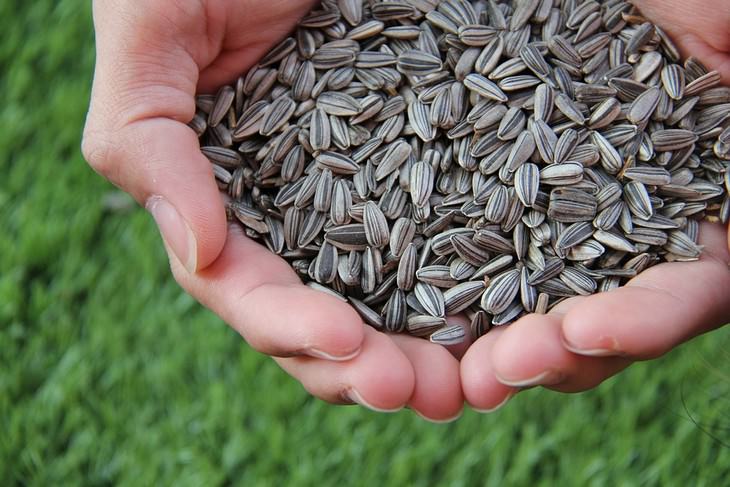
Vitamin B6 is responsible for maintaining fluid balance in the body, and when it is deficient, the body begins to accumulate water and swell as a result. In a study of middle-aged women, researchers found that women with an edema at that age experienced significant relief after consuming vitamin B6. Some foods that are rich in this essential vitamin can improve the condition of the edema such as chicken, tuna, turkey, sunflower seeds, dried fruits, pistachio nuts, unpeeled potatoes, lean beef, and bananas.

3. Lack of potassium 
Potassium is responsible for the proper functioning of the organs, tissues, and cells in the body, as well as for the fluid balance. When you consume too much salt and an insufficient amount of water, it causes potassium depletion from the cells, which results in the accumulation of fluids in the various organs. Apart from this problem, lack of potassium can cause other symptoms such as weight gain and cramps and muscle spasms. It is important not to consume too much salt, and to consume a sufficient amount of potassium, which is found in most fruits, especially in different types of melons. The amount of potassium needed for the body can also be supplemented by eating vegetables containing this essential mineral.


4. Dehydration  
It may seem a little strange that dehydration of fluids leads to their accumulation, but behind this fact is a reasonably logical biological reason; when the body feels that it isn’t getting enough fluids, it does everything in its power to keep whatever fluids it has in it, which causes an edema. The solution, of course, is to drink enough water every day, especially during hot summer days. It is also recommended to reduce the consumption of soft drinks and caffeine, which causes dehydration of the body and thus the storing fluids.

5. Magnesium deficiency 
When an edema is formed, one of the biggest suspects is a deficiency in magnesium which has a hand in almost every process in the body. When this mineral is deficient, the body becomes unbalanced and one of the expressions is excessive storage of fluids. In this case, too, the solution is relatively simple and includes eating magnesium-rich foods, including dark chocolate, dark green vegetables, avocados, nuts, peas, spinach, yogurt and dried fruits. 
 
6. Binge eating of processed foods 
Industrial and processed foods contain large amounts of salts and sugars designed to enrich their taste, but they also cause water retention in the body. Apart from these ingredients, industrial food also contains artificial additives that can damage the kidneys and liver which aren’t able to filter them properly. For these reasons, it is important to avoid excessive consumption of industrial foods and to try to consume the following medicinal herbs, which can be found in health food stores, and act as diuretics that help to drain the body from excess fluids: 
Dandelion 
Horsetail 
Hibiscus 
Nettle 
Fennel 
Parsley

This is only for your information, kindly take the advice of your doctor for medicines, exercises and so on.   


Labels: , , , , , , , , ,

Wednesday, January 02, 2019

Home Remedies for Kidney Stones

Our body contains 60-70% water. Water is important to carry our many processes in our body. Kidneys do the work of flushing out toxins from the body. In tropical countries, where one sweats more, it is very important to stay hydrated, as one loses a lot of water through sweat also.
Drinking plenty of fluids is a vital part of passing kidney stones  and preventing new stones from forming. Not only does the liquid flush out toxins, it helps move stones and grit through your urinary tract.

Although water alone may be enough to do the trick, adding certain ingredients can be beneficial. Be sure to drink one 8-ounce glass of water immediately after drinking any flavored remedy. This can help move the ingredients through your system.

Talk to your doctor before getting started with any of the home remedies listed below. They can assess whether home treatment is right for you or if it could lead to additional complications.
If you’re pregnant or breastfeeding, avoid using any remedies. Your doctor can determine whether a juice may cause side effects for you or your baby.

When passing a stone, upping your water intake can help speed up the process. Strive for 12 glasses of water per day instead of the usual 8.

Once the stone passes, you should continue to drink 8 to 12 glasses of water each day. Dehydration is one of the main risk factors for kidney stones, and the last thing you want is for more to form.
Pay attention to the color of your urine. It should be a very light, pale yellow. Dark yellow urine is a sign of dehydration.

You can add freshly squeezed lemons to your water as often as you like. Lemons contain citrate, which is a chemical that prevents calcium stones from forming. Citrate can also break up small stones, allowing them to pass more easily.

A great deal of lemons would be needed to make a huge effect, but some can help a little.
Lemon juice has numerous other health benefits. For example, it helps inhibit bacteria growth.

Basil contains acetic acid, which helps to break down the kidney stones and reduce pain. It’s also full of nutrients. This remedy has been used traditionally for digestive and inflammatory disorders. There are antioxidants and anti-inflammatory agents in basil juice, and it may be helpful in maintaining kidney health.
Use fresh or dried basil leaves to make a tea and drink several cups per day. You may also juice fresh basil in a juicer or add it to a smoothie.
You shouldn’t use medicinal basil juice for more than six weeks at a time. Extended use may lead to:
  • low blood sugar
  • low blood pressure
  • increased bleeding

Apple cider vinegar contains acetic acid. Acetic acid helps to dissolve kidney stones.
In addition to flushing out the kidneys, apple cider vinegar can help ease pain caused by the stones. There are numerous other health benefits of apple cider vinegar.

To reap these benefits, add 2 tablespoons of apple cider vinegar to 6 to 8 ounces of purified water. Drink this mixture throughout the day.
You shouldn’t consume more than one 8-ounce glass of this mixture per day. You can also use it on salads straight or add it to your favorite salad dressing. If ingested in larger amounts, apple cider vinegar can lead to low levels of potassium and osteoporosis .
People with diabetes should exercise caution when drinking this mixture. Monitor your blood sugar levels carefully throughout the day.
You shouldn’t drink this mixture if you’re taking:
insulin
digoxin ( Digox)
diuretics such as spironolactone ( Aldactone)

Celery juice is thought to clear away toxins that contribute to kidney stone formation and has long been used in traditional medications. It also helps flush out the body so you can pass the stone.
Blend one or more celery stalks with water, and drink the juice throughout the day.
You shouldn’t drink this mixture if you have:
  • any bleeding disorder
  • low blood pressure
  • a scheduled surgery
You also shouldn’t drink this mixture if you’re taking:
  • levothyroxine(Synthroid)
  • lithium (Lithane)
  • medications that increase sun sensitivity, such as isotretinoin (Sotret)
  • sedative medications, such as alprazolam (Xanax)

Pomegranate juice has been used for centuries to improve overall kidney function. It will flush stones and other toxins from your system. It’s packed with antioxidants, which help keep the kidneys healthy and may have a role in preventing kidney stones from developing.
It also lowers your urine’s acidity level. Lower acidity levels reduce your risk for future kidney stones.
There’s no limit to how much pomegranate juice you can drink throughout the day.
You shouldn’t drink pomegranate juice if you’re taking:
  • medications changed by the liver
  • blood pressure medications, such as chlorothiazide (Diuril)
  • rosuvastatin (Crestor)

The broth from cooked kidney beans has been used to improve overall urinary and kidney health. It also helps dissolve and flush out the stones. Simply strain the liquid from cooked beans and drink a few glasses throughout the day.

The following home remedies may contain ingredients that aren’t already in your kitchen. You should be able to buy them from your local health food store or online.

Dandelion root is a kidney tonic that stimulates the production of bile. This is thought to help eliminate waste, increase urine output, and improve digestion. Dandelions have vitamins (A, B, C, D) and minerals such as potassium, iron, and zinc.
You can make fresh dandelion juice or buy it as a tea. If you make it fresh, you may also add orange peel, ginger, and apple to taste. Drink 3 to 4 cups throughout the day.
Some people experience heartburn when they eat dandelion or its parts.
You shouldn’t drink this mixture if you’re taking:
  • blood thinners
  • antacids
  • antibiotics
  • lithium
  • diuretics, such as spironolactone
Talk to your doctor before taking dandelion root extract, as it can interact with many medications.

Wheatgrass is packed with many nutrients and has long been used to enhance health. Wheatgrass increases urine flow to help pass the stones. It also contains vital nutrients that help cleanse the kidneys.
You can drink 2 to 8 ounces of wheatgrass juice per day. To prevent side effects, start with the smallest amount possible and gradually work your way up to 8 ounces.
If fresh wheatgrass juice isn’t available, you can take powdered wheatgrass supplements as directed.
Taking wheatgrass on an empty stomach can reduce your risk for nausea. In some cases, it may cause appetite loss and constipation.

Horsetail has been used to increase urine flow to help to flush out kidney stones and can soothe swelling and inflammation. It also has antibacterial and antioxidant properties that aid in overall urinary health.
However, the Cleveland Clinic warns against its use. You shouldn’t use horsetail for more than six weeks at a time. There are dangers of seizures, decreased levels of B vitamins, and loss of potassium.
You shouldn’t use horsetail if you take lithium, diuretics, or heart medications such as digoxin. Horsetail isn’t recommended for children and pregnant or breastfeeding women. Horsetail contains nicotine and shouldn’t be taken if you are using a nicotine patch or trying to quit smoking.
You also shouldn’t drink horsetail juice if you have:
  • alcohol use disorder
  • diabetes
  • low potassium levels
  • low thiamine levels
11. Banana stem 
It is high in fibre, can be consumed as a vegetable everyday. The best way to get kidney stones out is make juice of banana stem adding water, can be strained, or best drink the whole juice adding some lime juice to it for added benefit. This is what I gave my husband for 8-10 days when he had kidney stones, as when the next scan was done, it showed no more stones !

See your doctor if you’re unable to pass your stone within six weeks or you begin experiencing severe symptoms that include:
  • severe pain
  • blood in urine
  • fever
  • chills
  • nausea
  • vomiting
Your doctor will determine whether you need medication or any other therapy to help you pass the stone.

Although it may be uncomfortable, it’s possible to pass a kidney stone on your own.
You can take over-the-counter pain relievers to lessen any pain you may be experiencing. These includes acetaminophen (Tylenol), ibuprofen (Advil), or naproxen (Aleve).
Be sure to continue treatment until the stone passes, and don’t drink alcohol.
Once you pass a kidney stone, you may want to save it to take to your doctor for testing. To save the stone, you need to strain your urine. Your doctor can determine what kind of stone it is and help develop a targeted prevention plan.
You might add these remedies to your usual regimen and continue use after the stone passes. This may help prevent more stones from forming.

THIS IS ONLY FOR INFORMATION, ALWAYS CONSULT YOU PHYSICIAN BEFORE HAVING ANY PARTICULAR FOOD/ MEDICATION/EXERCISE/OTHER REMEDIES.                                                                                
 PS- THOSE INTERESTED IN RECIPES ARE FREE TO  VIEW MY BLOG-                                                                                           https://gseasyrecipes.blogspot.com/                                                                                                                                                                             FOR INFO ABOUT KNEE REPLACEMENT, YOU CAN VIEW MY BLOG-                                               
     https:// kneereplacement-stickclub.blogspot.com/                                                                                     
  FOR CROCHET DESIGNS                                                                                                                                                                                                              https://gscrochetdesigns.blogspot.com

Labels: , , , , , , , , , , , , , , ,

Saturday, December 22, 2018

Best Herbs for Kidney Cleansing

Kidneys are one of those body parts that most people don’t think about until something goes wrong. Kidneys are actually very important. They remove waste and toxins from the blood.

They clean about 200 quarts a day and remove about 2 quarts that you then pee out. Kidney also help to regulate blood pressure, increase red blood cell productions, and synthesize vitamin D.

Cleansing kidneys is a popular method of keeping kidney healthy. We’ll discuss nine different herbs that are used for kidney cleansing and give you a freebie in the conclusion. Number three is common in flower arrangements.

Who knew it could help with kidney stones. Number five is not only incredibly healthy but is a versatile vegetable in the kitchen.

Chanca Piedra

Chanca Piedra is a South American herb with clinical trials that support the claims. “Stone breaker” is thought to help with kidney stones. Whether it relaxes the urethra, washes out stone fragments, or increases passing of calcium is unknown. However, it does appear to work.
Most people take chanca piedra as a tea. It is thought to be generally safe.

 Goldenrod


Goldenrod is used to tone the urinary tract and detoxify the kidneys. Clinical trials in animals suggest that goldenrod may reduce inflammation and fight infections, and is a diuretic.
The effective plants include Solidago species, not Verbascum densiflorum. If you are allergic to ragweed, chrysanthemums, marigolds and others, you should avoid taking goldenrod.
Goldenrod is often taken as a tea or tincture.

Hydrangea Root

Hydrangea root is a solvent and may smooth the ragged edges of kidney stones and also helps the body use calcium properly. There are ongoing trials on the efficacy of hydrangea root and autoimmune diseases, diabetes, and arthritis. Hydrangea root is commonly available as tinctures or dried roots in capsules.
It is thought to be safe to take for a few days, but not long term. The dosage should be less than 2 grams at a time.
 Horsetail
Horsetail is a diuretic and antioxidant. Horsetail is known to reduce edema, reduce bladder and kidney stones, help with incontinence and cure UTIs. It may be helpful to support the kidneys. It is generally taken as a tea or capsule.
Horsetail contains a chemical called thiaminase that breaks down the vitamin thiamine. Extended use may lead to thiamine deficiency. Make sure that the horsetail comes from Equisetum arvense, Equisetum hyemale, or Equisetum telmateia. Equisetum palustre is known to be toxic to cattle.

Celery Root

Celery seeds and celery root (celeriac) are diuretics. Diuretics may help flush out kidney and celery root is considered stimulating for the kidneys because it contains potassium and sodium.
Celery root is edible and incredibly nutritious or take as an extract or capsule. It also useful in reducing stiff joints, fights colon cancer, and balances blood levels in anemic people. It also helps with digestion and regular bowel movements.
If you are allergic to celery, don’t use celery root or seeds.
 

Gravel Root

Gravel root or Joe Pye weed is also known a kidney root because of its long association with kidney health. Gravel root contains euparin. This solvent has potent activity against harmful organisms and may protect against kidney infections. It is also used for UTIs, gout and kidney stones.
However, it contains hepatotoxic pyrrolizidine alkaloids which may cause liver damage, cancer and birth defects. If you use gravel root, look for “hepatotoxic PA-free” on the label. Otherwise it is considered unsafe.

Uva-Ursi

Uva-ursi or bearberry is an astringent that soothes and tones the urinary tracts and has evidence for cleansing the kidneys. It has been used as a folk cure for infections. A clinical trial in the UK shows that ibuprofen and uva-ursi have alleviated mild, uncomplicated UTIs without use of antibiotics.
Uva-ursi is generally taken as a tea or capsule. Uva-ursi is not safe in large doses or long-term.

Marshmallow Root

Marshmallow root is used as a flavoring and may calm urinary tract tissues. It is a gentle diuretic and known to soothe mucus membranes. Marshmallow root appears to have many health benefits and is common in herbal remedies. It also has antibacterial properties and fights inflammation.
If using as a kidney cleanser, a tea is probably the most effective form. Marshmallow root is considered likely safe.

Dandelion Root

Dandelions are nutritious and have some great health benefits. Dandelion root is a diuretic and the entire plant is filled with anti-oxidants that prevent cell damage. As a side benefit, it fights inflammation and helps control blood sugar levels, blood pressure, and reduces cholesterol.
Take as a tea, capsule, or tincture. Dandelion root is considered safe as a food and possibly safe in medicinal amounts. If you are allergic to dandelions, ragweed, daisies, chrysanthemums, and marigolds don’t use this kidney cleanser.

Here is the freebie herb. Parsley is not just for garnish. Chew it to freshen the breath and eat it as a diuretic. It is incredibly high in vitamin K. Don’t at parsley when taking blood thinners because of the vitamin K content.

Take these herbs in moderation as some are possibly unsafe in large doses. Some of these, like dandelion, grow in your garden and can be made into a tasty salad as well as a healthy tea. Just don’t spray with pesticides and herbicides first!

The final tip is to drink lots of water while taking any of these herbs so that your kidneys have lots of water to work with.

THIS IS ONLY FOR INFORMATION, ALWAYS CONSULT YOU PHYSICIAN BEFORE HAVING ANY PARTICULAR FOOD/ MEDICATION/EXERCISE/OTHER REMEDIES.                                                                                
 PS- THOSE INTERESTED IN RECIPES ARE FREE TO  VIEW MY BLOG-                                                                                           https://gseasyrecipes.blogspot.com/                                                                                                                                                                             FOR INFO ABOUT KNEE REPLACEMENT, YOU CAN VIEW MY BLOG-                                               
     https:// kneereplacement-stickclub.blogspot.com/                                                                                     
  FOR CROCHET DESIGNS                                                                                                                                                                                                                                 https://gscrochetdesigns.blogspot.com


Labels: , , , , , , , , , , , , , , , , ,