Friday, February 26, 2016

5 Things You Should Never Microwave

THIS IS ONLY FOR INFORMATION, ALWAYS CONSULT YOUR PHYSICIAN BEFORE HAVING ANY PARTICULAR FOOD/ MEDICATION/EXERCISE/OTHER REMEDIES.


FOR INFO ABOUT KNEE REPLACEMENT, YOU CAN VIEW MY BLOG
HTTP://KNEE REPLACEMENT-STICK CLUB.BLOGSPOT.COM/

FOR CROCHET DESIGNS- http://My Crochet Creations.blogspot.com/


The microwave is a very common, and often used, kitchen appliance. It's a great tool for heating up last night's dinner or a quick "2 minute meal". However, the microwave ovens we know today, the same that cook the food we eat, are descended from the radar boxes of the Second World War.
Invented by Percy L. Spencer, who was a radar technician during the war, microwave ovens use electromagnetic energy that is very similar to radio waves. Due to this heating method, microwaves emit non-ionizing radiation, which studies show can affect our blood and heart. The effects of this radiation can lead to certain types of intestinal and stomach cancers.
That being said, there is no need to fear. Microwaves today go through many extensive tests and safety procedures to make sure they are safe to use. But while we are safe standing next to them, what happens to the food we heat inside of them? Here are 5 things you should never put in the microwave as it will damage the food, and perhaps also the people who'll eat it.
Breast Milk

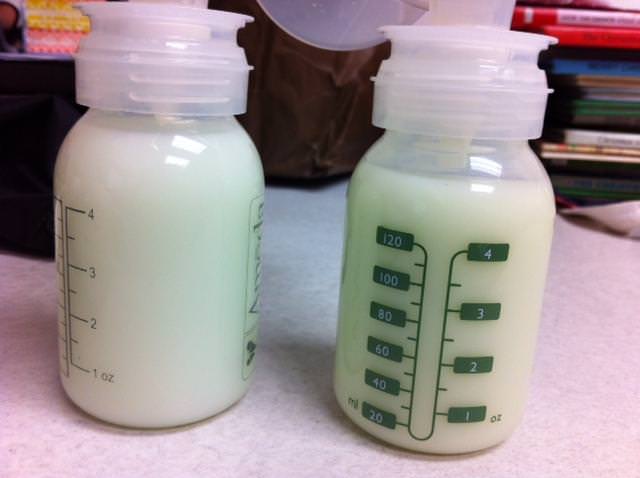
Breast milk is essential in providing a newborn with powerful bacteria-fighting and nutritious materials. Heating breast milk in the microwave, on either high or low temperatures, has been found to destroy those beneficial substances, and worse. In the same tests, conducted by the "Journal of Pediatrics", it was found that the heated milk also has greater E-coli growth, a harmful bacteria for humans and babies in particular.

Broccoli

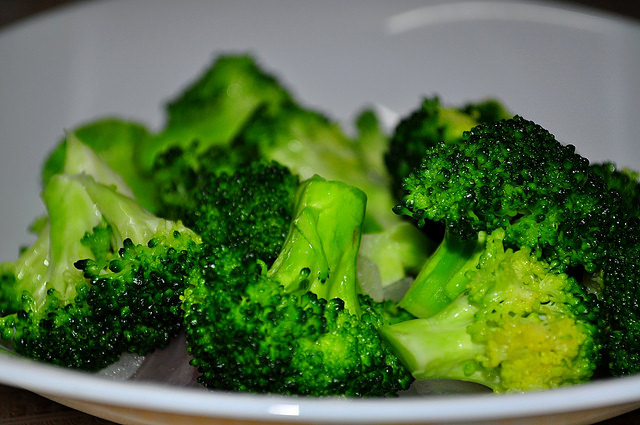
Considered a very healthy vegetable, broccoli has been found to lose up to 97% of its beneficial antioxidants during microwave cooking. While it's true that all forms of cooking destroy some nutrients in the food we eat, this is truly an extreme example.
 
Defrosted Meat

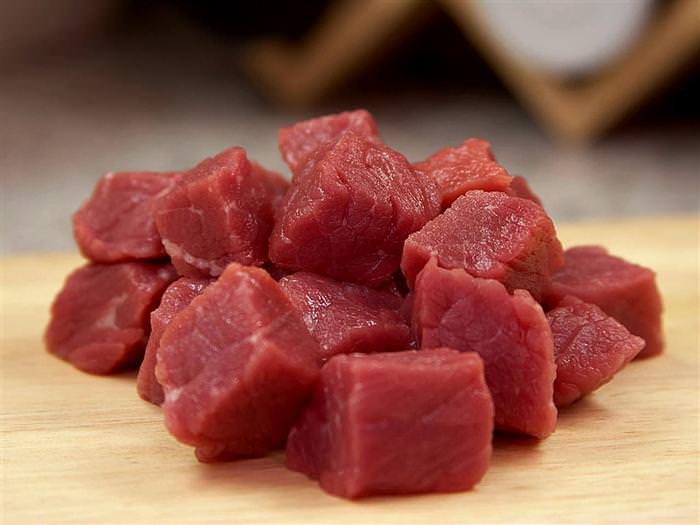
Researchers found that meat cooked for over 6 minutes in a microwave loses half of its vitamin B-12 content. Another big danger is that parts of the meat that have been defrosted, but are still in the microwave as it works, are bacteria heaven. Since defrosting meat can take quite a long time there is a very real danger of either overcooked meat, or under-cooked meat full of bacteria. You are much better off defrosting meat in the fridge overnight and cooking it in some other way.
 
Frozen Fruit

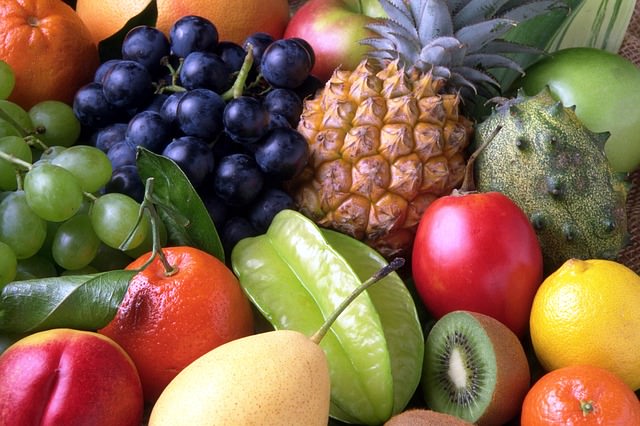
While buying frozen foods and fruits is not a bad idea, defrosting those frozen fruits in the microwave is a very bad one. Studies from the late 70′s showed that defrosting frozen fruit in a microwave, is converting beneficial glucoside and galactaside (types of sugar) in the fruit to carcinogenic substances. On a simpler note, microwaved fruits tend to shrink, wrinkle and lose their delicious texture. Frozen fruit are instead best thawed in the fridge or simply at room temperature.
 
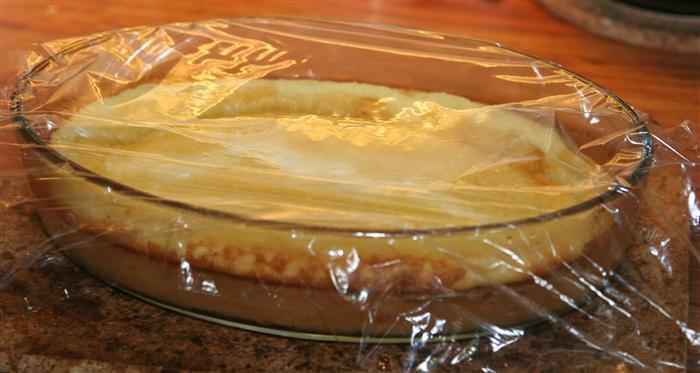
Plastic wrap or plastic containers

Heating food in plastic containers or covered by plastic wrap can release many harmful toxins and chemicals directly into your food. The dangers include toluene, a substance (a little like paint thinner) that inhaling may potentially cause severe neurological harm, benzene, which increases the risk of cancer, and several other chemicals. While many containers today are "microwave safe", it's still a good idea to avoid using them.

Labels: , , , , , , , , , , , , , ,

Friday, June 05, 2015

Coriander vs. food poisoning

Coriander is one of the oldest spices in the world, and a traditional Egyptian medicine for stomach problems. Now, a study published in the farming and food chemistry journal shows that the seeds of the coriander hasten the healing process after suffering from inflammation of the bowels and other stomach problems.
 
Coriander kills the bacteria responsible for stomach pain, including E-Coli and Salmonellae, by creating holes in the outer shell. So next time you have a really upset stomach, mix one spoon of coriander powder in hot water and soak for 5 minutes. Drink 3 glasses of this a day until you feel better.
 
 THIS IS ONLY FOR INFORMATION, ALWAYS CONSULT YOU PHYSICIAN BEFORE HAVING ANY PARTICULAR FOOD/ MEDICATION/EXERCISE/OTHER REMEDIES.


PS- THOSE INTERESTED IN RECIPES ARE FREE TO VIEW MY BLOG-
HTTP:GSEASYRECIPES.BLOGSPOT.COM


FOR INFO ABOUT KNEE REPLACEMENT, YOU CAN VIEW MY BLOG-
HTTP://KNEE REPLACEMENT-STICK CLUB.BLOGSPOT.COM/

FOR CROCHET DESIGNS

Labels: , , , , , ,

Wednesday, April 29, 2015

Gastric Obstruction – Causes, Symptoms & Treatments

Your bowels are tasked with removing waste and toxins from our body, as well as absorbing salts, liquids, nutrients, indigestible vitamins. They do it to extract all possible nutrients that weren’t digested in the stomach and maintain the balance of electrolytes in our system.
When your bowels are not functioning well, they collect the waste and toxins they’re supposed to get rid of, resulting in various diseases and health issues. If left undiagnosed and untreated, obstructed bowels lead to kidney and liver-related health problems. In this article, you’ll learn all you need to know about bowel obstruction, symptoms that should serve as warning signals, and the natural home remedies needed to fix and prevent it.

What causes gastric obstructions?
The reasons for obstructed bowels are plentiful, such as hernias, cysts, tumors, etc. Another reason is overeating foods that are harmful to our bodies, such as food rich in preservatives and other chemicals. These chemicals lead to a buildup of mucus in the guts, which releases toxins that can damage the body. Another cause is a buildup of fecal matter or foreign bodies in the lower intestine.
Bezoars can also cause gastric obstructions. Bezoars are a fibrous lump that forms in the stomach, and the most common type is formed of undigested pieces of food. They are mainly composed out of plant cellulose, most common in unripe fruit and persimmons.
Men are in a higher risk group for contracting phytobezoars in their stomachs, with symptoms that include upper gastric pains, feeling full soon after beginning to eat, nausea, vomiting, lack of appetite and loss of weight. Symptoms only appear in 10-25% of the cases, making phytobezoars hard to diagnose, and can lead to gastric obstructions.
What happens when your gastrointestinal system is obstructed?
When the small intestine is blocked, it will begin contracting in order to move its content beyond the obstruction, which can lead to frequent diarrhea. In later stages, it will become less effective, causing a buildup of water and electrolytes that can lead to dehydration.
The obstruction will also create pressure on the intestinal walls, and if left untreated – will only get worse. This can lead to venous drainage obstruction, a rising of the diaphragm, and a suppression of the lungs’ function. The obstruction itself will aid in the bacterial buildup, in particular, E-Coli, Klebsiella, and Enterococcus Faecalis. The bacteria colonies will grow very quickly, increasing the chances of gangrene and intestinal punctures.
Patients lose their ability to pass feces and gasses along the intestine, causing swelling and increasing stomach pains. The large intestine will expand due to the buildup of bacterium, liquids, feces and gasses.

Which symptoms can indicate an obstruction?
Symptoms can be evidence of obstruction caused be stomach cramping or phytobezoars. Once you notice these symptoms, it is recommended that you pay a visit to your family doctor, to evaluate the nature of the obstruction. Not all symptoms may appear, but they will appear in these general groups:
  • Constipation, diarrhea, flatulence, lethargy and swelling.
  • Headaches, memory loss, blurred vision.
  • Burning sensation in the upper digestive system.
  • Weight gain, lack of energy and indigestion.
  • Ulcers in the stomach and Duodenum, ulcerative colitis and stomach inflammation.
  • Urinary tract infections and inflammation of the kidneys.
  • Constant colds, allergies, joint pains and chronic diseases.
Treatments:
The most basic treatment is hooking the patient up to an IV, which can only be performed by a doctor. In some cases, the obstructions can be relieved by using a nasogastric tube, and in severe cases, an operation will be required. An enema may help in some cases, but if performed incorrectly – can lead to internal bleeding.
The simplest, natural treatment for intestinal obstruction is eating 1-3 tablespoons of flax seeds, combined with 100-15ml of Kefir (a type of fermented milk drink) for three days. Flax seeds help the body dispose of fecal matter, mucus and parasites. Additionally, flax seeds can help prevent several forms of cancer, heart diseases, diabetes, and even help lower cholesterol levels. Kefir contains many probiotic bacteria, enzymes, vitamin B12 and proteins, all of which are good for your body. Kefir also helps in restoring the gastric biome and is lactose-free.
To clear your intestines from obstructions, add kefir and flax seeds to your breakfast in this manner:
  • 1st week: 100ml of kefir and one tablespoon of flax seeds
  • 2nd week: 100ml of kefir and two tablespoons of flax seeds
  • 3rd week: 150ml of kefir and three tablespoons of flax seeds
Additionally, drink at least two liters of water every day.

Prevention:
The best way to unblock a phytobezoar obstruction is by eating food that is high in protein and low in fiber. Once the blockage is gone, follow these dietary tips to heal and prevent reoccurrences.
  • Beverages: It is advised that you keep your body well hydrated. Drink fruit-shakes, water, and sports drinks that are rich in electrolytes. Avoid high-fat dairy.
  • Dairy: Stick to low-fat or fat-free products.
  • Grains and bread: Fiber from whole grain tends to slow down the digestive process. Focus on plain white bread, pasta, and regular grain.
  • Fruits and vegetables: Boiled or canned fruits and vegetables are the way to go. Avoid eating the skin. Watermelon, melons, and bananas can be consumed fresh. Avoid high-fiber fruits and vegetables.
  • Meat and meat substitutes: Protein is essential to the healing process. Stick to skinless chicken or turkey meat. Other kinds of lean meat, such as fish, eggs and tofu are also good.
  • Other: Avoid fried foods and use as little butter as possible. Boiled or steamed foods are the most recommended. Minimize the use of seasoning and fatty sauces and dressings.
  •  
  •  THIS IS ONLY FOR INFORMATION, ALWAYS CONSULT YOU PHYSICIAN BEFORE HAVING ANY PARTICULAR FOOD/ MEDICATION/EXERCISE/OTHER REMEDIE


    PS- THOSE INTERESTED IN RECIPES ARE FREE TO VIEW MY BLOG-
    HTTP:GSEASYRECIPES.BLOGSPOT.COM


    FOR INFO ABOUT KNEE REPLACEMENT, YOU CAN VIEW MY BLOG-
    HTTP://KNEE REPLACEMENT-STICK CLUB.BLOGSPOT.COM/

    FOR CROCHET DESIGNS


    HTTP://MY CROCHET CREATIONS.BLOGSPOT.COM

Labels: , , , , , , , , , , , , , , ,

Sunday, November 09, 2014

5 Thing You Should Never Microwave

The microwave is a very common, and often used, kitchen appliance. It's a great tool for heating up last night's dinner or a quick "2 minutes meal". However, the microwave ovens we know today, the same that cook the food we eat, are descended from the radar boxes of the Second World War.
Invented by Percy L. Spencer, who was a radar technician during the war, microwave ovens use electromagnetic energy that is very similar to radio waves. Due to this heating method, microwaves emit non-ionizing radiation, which studies show can affect our blood and heart. The effects of this radiation can lead to certain types of intestinal and stomach cancers.
That being said, there is no need to fear. Microwaves today go through many extensive testing and safety procedures to make sure they are safe to use. But while we are safe standing next to them, what happens to the food we heat inside of them?Here are 5 things you should never put in the microwave as it will damage the food, and maybe also the people who'll eat it.
Breast Milk

Microwave food
Breast milk is essential in providing a newborn with powerful bacteria-fighting and nutritious materials. Heating breast milk in the microwave, on either high or low temperatures, has been found to destroy those beneficial substances, and worse. In the same tests, made by The "Journal of Pediatrics", it was found that the heated milk also has greater E-coli growth, a harmful bacteria for humans and babies in particular.
Broccoli
Microwave food
Considered a very healthy vegetable, broccoli has been found to lose up to 97% of its beneficial antioxidants during microwave cooking. While it's true that all form of cooking destroys some nutrients in the food we eat, this is truly an extreme example.
Defrosted Meat
Microwave food
Researchers found that meat cooked for over 6 minutes in a microwave loses half of its vitamin B-12 content. Another big danger is that parts of the meat that have been defrosted, but are still in the microwave as it works, are a bacteria heaven. Since defrosting meat can take quite a long time there is a very real danger of either overcooked meat, or under-cooked meat full of bacteria. You are much better off defrosting meat in the fridge overnight and cooking it in some other way.
Frozen Fruit
Microwave food
While buying frozen foods and fruits is not a bad idea, defrosting those frozen fruits in the microwave is a very bad one. Studies from the late 70′s showed that defrosting frozen fruit in a microwave, is converting beneficial glucoside and galactaside (types of sugar) in the fruit to carcinogenic substances. On a simpler note, microwaved fruits tend to shrink, wrinkle and lose their delicious texture. Frozen fruit are instead best thawed in the fridge or simply at room temperature.
Plastic wrap or plastic containers
Microwave food
Heating food in plastic containers or covered by plastic wrap can release many harmful toxins and chemicals directly into your food. The dangers include Touene, a sustenance that inhaling it has potential to cause severe neurological harm. Benzene, which increases the risk of cancer and many many more chemicals. While many containers today are "microwave safe", it's still a good idea to avoid using them.

 THIS IS ONLY FOR INFORMATION, ALWAYS CONSULT YOU PHYSICIAN BEFORE HAVING ANY PARTICULAR FOOD/ MEDICATION/EXERCISE/OTHER REMEDIES.


PS- THOSE INTERESTED IN RECIPES ARE FREE TO VIEW MY BLOG-
HTTP:GSEASYRECIPES.BLOGSPOT.COM/
 
FOR INFO ABOUT KNEE REPLACEMENT, YOU CAN VIEW MY BLOG-
HTTP://KNEE REPLACEMENT-STICK CLUB.BLOGSPOT.COM/

FOR CROCHET DESIGNS


HTTP://MY CROCHET CREATIONS.BLOGSPOT.COM

Labels: , , , , , , , , ,

Thursday, June 20, 2013

Silver can kill bacteria

Silver can kill bacteria selectively and bacteria are unable to develop resistance against it. Despite its long medical history, scientists have just started to understand the metal's modus operandi.


The use of silver in medicine is as old as western medicine itself. Hippocrates is known to have used it to treat ulcers and wounds, the Romans almost certainly knew of its healing properties, its use continued through the middle ages and up to the present day. In the antibiotic age, interest in silver may have waned a little. But with urgent need to fight antibiotic-resistant bacteria, there is resurgence in its uses.
The reason is that silver can kill bacteria selectively and, more importantly, bacteria are unable to develop resistance against it. Despite silver’s long medical history, we do not know how it operates.
A paper published this week  sheds some light on silver’s success against bacteria. The most important find is that silver – unlike most antibiotics – works in more than one way. This is perhaps why bacteria are not able to build resistance to silver.
Here is silver’s multi-pronged approach: first, silver sticks very strongly to sulfur, found in parts of proteins. These sulfur groups normally bond to each other in proteins, holding them together and keeping the protein folded up in its correct shape. But if silver interacts with sulphur then the protein cannot fold correctly, and thus it cannot do its job. Next, silver interferes with how bacteria use iron. Iron is often held in the places it is needed by binding to sulphur. And since silver also interacts with sulphur it stops the iron from doing so. Finally, silver causes bacteria to produce extremely toxic substances called reactive oxygen species. These go on to cause damage inside the cell, harming the DNA, proteins and even the membranes that surround cells.
The net result of this silver onslaught is bacteria with severely damaged defences. Most importantly the membranes and walls that surround it are leakier after the silver treatment. Once weakened, they are much more susceptible to conventional antibiotics.
A researcher showed that with added silver, less antibiotic drug is needed to kill the bugs. A great result in itself, but it gets better. Silver also reverses antibiotic resistance of E. Coli bacteria making them, once more, susceptible to tetracycline.
These experiments not only worked in a Petri dish. When silver was added to standard antibiotics such as gentamicin and vancomycin, he could treat E. Coli infections in the bladder and abdomens of mice. Normally these drugs have little effect on E. coli infections because they are designed to attack a completely separate class of bacteria.
Bacteria are broadly classified into two groups called Gram-negative and Gram-positive. Gram-negatives have an extra cell membrane that protects the bacteria; this means that it is much more difficult for some antibiotics, such as gentamicin and vancomycin, to penetrate the cell. It seems that silver negates this advantage and allows even weaker drugs to do their jobs.
Finally, he showed that the mice themselves remain unharmed by silver. If he is able to repeat this work in humans, then he may actually have a “silver bullet” for antibiotic resistance.


ps- this is only for information, always consult you physician before having any particular food/ medication/exercise/other remedies.


ps- those interested in recipes are free to view my blog-

http://gseasyrecipes.blogspot.com/


for info about knee replacement, you can view my blog-


http://Knee replacement-stick club.blogspot.com/


for crochet designs


http://My Crochet Creations.blogspot.com/


I've not given details about designs, but those interested are free to mail me for the same.


Labels: , , , , , , , , ,