Friday, September 13, 2024

Available Only Few Months Each Year, This Fruit is the 'Powerhouse of Nutrients' for Eye and Bone Health

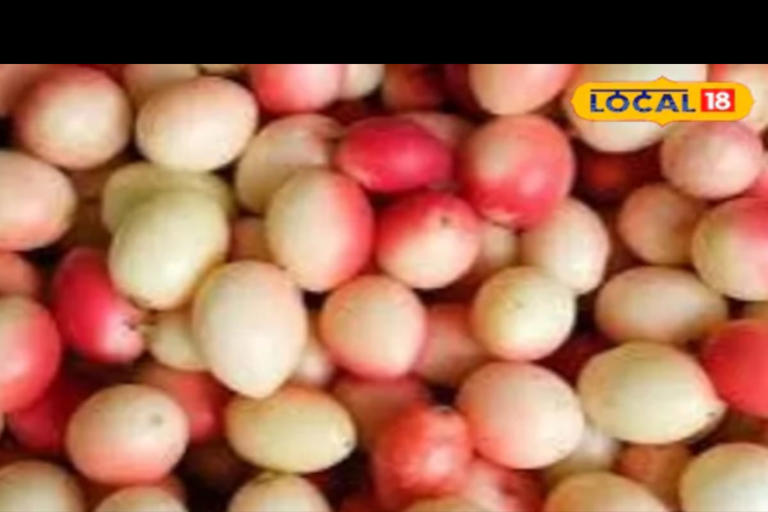
 Karonda’s tangy flavour makes it ideal for use pickles and chutneys. (News18 Hindi)  

Karonda fruit, scientifically known as Carissa carandas, is a cherished summer produce in India. Renowned for its tangy flavour and vibrant red and white varieties, this fruit is often enjoyed in pickles and chutneys.

Beyond its deliciously sour-sweet taste, Karonda is also known as a nutrient powerhouse, brimming with essential vitamins and minerals. Rich in iron, calcium, potassium, and zinc, Karonda supports overall health and well-being, making it a valuable addition to the diet during its seasonal availability.

According to Dr. Gulzari Lal Sahu, Karonda should be consumed for its exceptional nutritional and medicinal properties. “Karonda’s root, leaves, and fruit itself are valuable for addressing various health issues. The fruit contains Vitamin A, Vitamin B, Vitamin C, calcium, phosphorus, and iron. These nutrients enhance eye health and strengthen bones,” he said.

“Karonda helps boost immunity and prevent infections, contributing to overall body health. The fruit is available only for a few months each year, making its seasonal availability a valuable chance for those looking to benefit from its health properties,” added Dr Sahu.


This is only for your information, kindly take the advice of your doctor for medicines, exercises and so on.   

https://gscrochetdesigns.blogspot.com. one can see my crochet creations  
https://gseasyrecipes.blogspot.com. feel free to view for easy, simple and healthy recipes    
https://kneereplacement-stickclub.blogspot.com. for info on knee replacement
https://cancersupportindia.blogspot.com  for infor on cancer and health related topics
https://GSiyers home remedies.blogspot.com   is the latest addition to my blogs. I'm going to add posts there, do give me your valuable feed back on my blogs. Thanks a lot, take care, be healthy and be happy.

Labels: , , , , , , , , ,

Wednesday, May 29, 2019

Cranberries may help combat superbugs

Cranberry extracts can make disease-causing bacteria more sensitive to lower doses of antibiotics that may help counter the global threat of superbugs, according to a study.

The spread of antibiotic resistance worldwide is undermining decades of progress in fighting bacterial infections.


Due to the overuse of antibiotics in medicine and agriculture, we're on the cusp of returning to a pre-antibiotic era in which minor infections can once again become deadly.


Countering the fall in antibiotic efficacy by improving the effectiveness of currently available antibiotics is a crucial goal, according to researchers.


Cranberries are highly sought after for their tangy taste and the antioxidants they contain.


The study provides evidence that they could also help in the fight against bacteria.


When treated with molecules derived from cranberries, pathogenic bacteria becomes more sensitive to lower doses of antibiotics and prevent resistance to the antibiotics.


Given the popular belief that drinking cranberry juice is helpful against urinary tract infections, the researchers sought to find out more about the berry's molecular properties by treating various bacteria with a cranberry extract.


The bacteria selected for the study were those responsible for UTI, pneumonia and gastroenteritis ( Proteus mirabilis, Pseudomonas aeruginosa and Escherichia coli).


Normally when we treat bacteria with an antibiotic in the lab, the bacteria eventually acquire resistance over time, said the lead author.


But, when we simultaneously treated the bacteria with an antibiotic and the cranberry extract, no resistance developed. We were very surprised by this, and we see it as an important opportunity, said the author.


Analyses showed that the cranberry extract increases bacterial sensitivity to antibiotics by acting in 2 ways.


First, it makes the bacterial cell wall more permeable to the antibiotic and 2nd, it interferes with the mechanism used by the bacteria to pump out the antibiotic.


Consequently, the antibiotic penetrates more easily, and the bacteria have a harder time getting rid of it, which explains why the drug is effective at lower doses.


The activity is generated by molecules called proanthocyanidins. There are several different kinds of proanthocyanidins, and they may work together to deliver this outcome. We'll need to do more research to determine which ones are most active in synergy with the antibiotic, said a Prof.


After confirming the activity of the cranberry molecules on bacterial culture, the researchers tested to determine whether the pattern persisted in a preliminary animal model-infected insects.


Since the synergistic effect of the extract and the antibiotic was also observed in the insects, further experiments will be conducted to clearly identify the active molecules.


If the results are confirmed in animals, certain classes of antibiotics to high levels of resistance could be made useful again by using cranberry extract to boost their potential.


THIS IS ONLY FOR INFORMATION, ALWAYS CONSULT YOU PHYSICIAN BEFORE HAVING ANY PARTICULAR FOOD/ MEDICATION/EXERCISE/OTHER REMEDIES.                                    PS- THOSE INTERESTED IN RECIPES ARE FREE TO  VIEW MY BLOG-                                                                                           https://gseasyrecipes.blogspot.com/    
                                                                                                                                                     FOR INFO ABOUT KNEE REPLACEMENT, YOU CAN VIEW MY BLOG-                                                  https:// kneereplacement-stickclub.blogspot.com/  

                            FOR CROCHET DESIGNS                                                                                                                                                                                                  https://gscrochetdesigns.blogspot.com

Cranberry extracts can make disease-causing bacteria more sensitive to lower doses of antibiotics that may help counter the global threat of superbugs, according to a study.

Read more at: https://www.deccanherald.com/science-and-environment/cranberries-may-help-combat-superbugs-study-736869.html

Labels: , , , , , , ,

Wednesday, January 02, 2019

15 Rare Indian Fruits That Will Amaze You With Their Uniqueness

If you take a stroll through a supermarket’s perishable produce aisle, you might be forgiven for thinking that you have an impressive variety of fruit at your fingertips. In reality, however, these fruits are only some a small sample of the wide variety of delicious and exotic fruits that exist out there.

Did you know that India holds the distinction of being the world’s second largest producer of fruits?

With a climate that ranges from Himalayan to tropical, India has much to offer in terms of fruit diversity. While major fruits like mango, banana and citrus varieties are grown in abundance in many parts of the country, there are several unique and increasingly rare minor fruits that are collected from the wild and eaten mostly by the locals. It is only during the searing summers and cold winters of the subcontinent that some of these fruits appear on the rickety carts of street hawkers in Indian towns.
A reminder of changing seasons and childhood summers, here are 15 little known fruits from India that can open up an entirely new world to you. So go on, take a look, and be sure to comment below with your experiences, favorite fruits, and any others that we’ve missed!

1.  Jungli Jalebi/Kodukkapuli (Camachile)

kamunsil
The spiralling green-pink pods of jungli jalebi (or kodukkapuli) contain about 6-10 shining black seeds enveloped in a thick sweet edible pulp. While the pulp can be eaten raw or made into a drink similar to lemonade, the tangy seeds are used in curries. It is due to the fruit’s resemblance to the Indian sweet jalebi that the plant has been given the name jungli jalebi.
Grown in:  Tamil Nadu, Kerala, Maharashtra, Karnataka, Andhra Pradesh and West Bengal

2. Carambola (Star Fruit)

averrhoa_carambola_ripe_fruits_at_ciat_1
Carambola is a fruit with a waxy skin and a green to golden yellow color. The ripe fruit has a distinctly yellow colour, with slightly brown ribs, and it makes a great preserve or pickle. Unripe ones are lime green, taste sour and are best eaten when sliced and sprinkled with a mixture of salt and chili powder. Grown in the months of September-October and January-February, India is one of the largest producers of this fruit.
Grown in: Throughout India (especially in South India)

3. Buddha’s Hand (Fingered Citron)

2623563431_5d731cd9cc_b
A stunning fruit, Buddha’s hand looks like a lumpy lemon with elongated, yellow tentacles (that resemble gnarled human fingers) protruding from the base; hence, its name—Buddha’s hand. Buddha’s hand has a mild yet zesty flavour and is wonderfully aromatic—it is known to fill rooms with its fresh floral perfume. Believed to have originated in the lower Himalayas, botanists are unsure if it’s native to the region in India or China – some scholars believe that India’s migrating Buddhist monks carried the fruit with them to China in 400 AD.
Grown in: Northeastern India

4. Langsah/Lotka (Langsat)

duku-langsat
A small, translucent, orb-shaped fruit, langsah is most often found in South India.  They can be quite sour when unripe, but are perfectly sweet when ripe with a taste similar to a bittersweet grapefruit. Even though this fruit’s demand skyrockets when it is in season, its cultivation does not extend beyond a handful of regions in the south.
Grown in: Throughout eastern and southern India (especially in the Nilgiri hills)

5. Mangustaan (Mangosteen)

22689998_ml
A fragrant tropical fruit about the size of a small orange, mangustaan’s leathery purple-maroon shell surrounds a moist, snow-white and sweet fleshy interior. Though it is the national fruit of Thailand, it is believed that the trees of this fruit used to flourish in southern India throughout the 18th century.  Mellow and earthy, mangustaan is similar to mango in taste and is completely ripe only when its woody, leathery purple rind yields to the touch.
Grown in: The Nilgiri hills, the southern districts of Tirunelvely and Kanyakumari in Tamil Nadu, and Kerala.

6. Japani Phal (Persimmon)

6305672984_548090699e_z
A temperate fruit, Japani phal is the local Himachal name of the exotic, deep orange-red-coloured and luscious persimmon. Strikingly similar in appearance to a tomato, a completely ripe japani phal is soft, sweet and tasty. The fruit, which is a native of China, spread to Korea and Japan and was initially introduced in India by European settlers in the early 20th century.
Grown in: Himachal Pradesh, Jammu and Kashmir, Uttarakhand and Nilgiri Hills

7. Ambarella (Indian Hog Plum)

ambarella2
Also called wild mango, a ripe ambarella has the puckering acidity of an unripe mango and the gentle sweetness of pineapple. Ambarellas can be enjoyed in every imaginable form: as a juice, as a pickle, as flavouring in fruity cocktails, and as simple slices, sprinkled with salt and red chilli powder.
Grown in: Tamil Nadu, Kerala, Karnataka, Maharashtra, and Goa

8. Bael (Wood Apple)

woodapple
An extremely versatile fruit, bael can be eaten fresh or dried or even made into a drink. As the name suggests, this fruit has a woody exterior that you need to break open with a knife or pestle. Inside, you will find a sticky pulp, with a taste that ranges from very tart when raw to sweet-and-sour when fully ripe. Commonly eaten with a little jaggery to temper the acidity, the fruit is also used to make jam, chutney or sherbet.
Grown in: Maharashtra, Andhra Pradesh, Tamil Nadu, Kerala, Karnataka, Madhya Pradesh and the western Himalayas.

9. Chalta (Elephant Apple)

2009_0802tenga0004
One of the favorite fruits of wild elephants, chalta thrives in the wet soil and humid atmosphere of swamps and semi-tropical forests. The knobby grapefruit-sized fruits are yellow-green, and ripen to get a leathery brown covering. Mildly sweet and acidic in taste, most locals value elephant apples not for their jelly-like pulp, but rather, their crunchy outer petals. Unripe fruits are often pickled or used for chutney. Since they are a major source of food for elephants, monkeys and deer, it is prohibited to collect them from the core areas of the forest.
Grown in: Assam, Kolkata, Bihar, Odisha and the sub-Himalayan tract from Kumaon to Garhwal.

10. Chakotra/Batabi Lebu (Pomelo)

maxresdefault
An unusual member of the citrus family, chakotras or pomelos have the taste of a slightly sour grapefruit without the bitterness and acidity, coupled with gorgeous floral overtones. Pomelos came to India from Balavia in Indonesia, which is the reason for their other local name, Batabi-Lebu. The fruit even features in cultural celebrations – in the Garo Hills of Meghalaya, locals perform a “pomelo dance”, which entails spinning a cord-tied pomelo around the waist.
Grown in: Northeast India, West Bengal and some areas of Karnataka and Kerala

11. Karonda (Carandas Cherry)

bengal-curran-2
A nutrition rich wild berry, karondas are pink coloured fruits with tiny seeds at its core. The flesh of the raw fruit is firm with a tart flavour that tastes delicious when eaten with a sprinkling of rock salt. Becoming tender, luscious and purple tinted as they ripen, karondas a good substitute in recipes that call for cranberries. A great source of natural pectin, these berries are also commonly used in jams and sweet pickles.
Grown in: The Siwalik Hills of Bihar and West Bengal, the Western Ghats and the Nilgiri Hills

12. Bilimbi (Tree Sorrel)

averrhoa-bilimbi-800x535-1
A relative of the star fruit, bilimbis are bright green and firm when raw and becomes yellowish, glossy and tender as they ripen. The Indian variety of bilimbis have tart, tangy, acidic, and sharp notes that pack quite a punch. Many bilimbi lovers make a lemonade-type drink to capitalize on these refreshing attributes. To reduce its acidity, the fruit is often pricked first and soaked in salt water for a short period, before being used in chutneys, pickles and jams.
Grown in: Kerala, Maharashtra, Karnataka, Tamil Nadu, and Goa.

13. Targola/Taal (Ice Apple or Sugar Palm fruit)

Floyd Cardoz India, Floyd Cardoz Goa, Chef Floyd Cardoz, Jacqueline Raposo, Bombay Duck, Jowar, Tadgola, Ice Apples
A type of palm fruit that grows in clusters, targola or taal has a stiff brown exterior and a jelly-like interior. On cutting open, each fruit has jelly-like segmented seeds with a soft off-white skin that darkens to a light brown when exposed to air. Removing the thin skin can be tiresome, but the effort is well worth it. A cooling treat in the hot summer season, biting into a targola releases the refreshing sweet juice that resides in the center of each segment. The fruit is also used to make toddy, a local alcoholic beverage.
Grown in:  Tamil Nadu, Andhra Pradesh, Maharashtra, Goa, and Kerala.

14. Phalsa (Indian Sherbet Berries)

grewia-asiatica-phalsa-fruit-plant-56d175a7a1fc8_l
A tiny dark purple fruit that beautifully balances sweet and sour flavours, phalsa will remind you of blueberries. Extremely rich in calcium, iron, magnesium, potassium, phosphorus and vitamin C, phalsa is a super fruit with an effective cooling effect that is perfect for summers. It is mostly eaten ripe and fresh, with a sprinkling of salt and black pepper. However a syrup or a squash of the fruit is also prepared, so that one can enjoy this healthy fruits’ benefits for a longer time.
Grown in: Throughout India

15. Khirni/Rayan (Mimusops)

khirni-fruits
Golden yellow berries with a melting fruity sweetness, khirni or rayan is a member of the Sapotaceae family found across the tropics (that also includes sapota or chikoo). Available only for a very short period in May, just when the summer season begins, khirni is often sold alongside the more popular purple-hued jamun, the reason why many people assume it has a similar astringency. It does, but the puckering sourness disappears when you let it ripen almost to the point when rot sets in.
Grown in: Central India and the Deccan Peninsula

THIS IS ONLY FOR INFORMATION, ALWAYS CONSULT YOU PHYSICIAN BEFORE HAVING ANY PARTICULAR FOOD/ MEDICATION/EXERCISE/OTHER REMEDIES.                                                                                
 PS- THOSE INTERESTED IN RECIPES ARE FREE TO  VIEW MY BLOG-                                                                                           https://gseasyrecipes.blogspot.com/                                                                                                                                                                             FOR INFO ABOUT KNEE REPLACEMENT, YOU CAN VIEW MY BLOG-                                               
     https:// kneereplacement-stickclub.blogspot.com/                                                                                     
  FOR CROCHET DESIGNS                                                                                                                                                                                                              https://gscrochetdesigns.blogspot.com


Labels: , , , , , , , , , , , , , ,

Wednesday, July 20, 2016

Cranberry beneficial for cardiovascular system, immune function


Cranberry could protect the gut microbiota -- a complex community of microorganisms that live in the digestive tracts of humans and other animals -- and provide antioxidant and anti-inflammatory functions that benefit the cardiovascular system, metabolism and immune function, revealed a new study.

Not just promoting urinary tract health, but the researchers found that cranberry juice, dried cranberries and various cranberry extracts possess whole body health benefits. 

"It has been established that cranberries rank high among the berry fruits that are rich in health-promoting polyphenols (antioxidant)," said Jeffrey Blumberg, researcher at the University in Boston, in the study published in the journal Advances in Nutrition.

The research has revealed that cranberry bioactives show promise in helping to strengthen the gut defence system and protect against infection.

The effect of cranberry products on cardiovascular health and glucose management was also explained in the study and established promising links between cranberry products and blood pressure, blood flow and blood lipids.

Potential benefit for glucose management with low-calorie cranberry juice and unsweetened dried cranberries for people living with type 2 diabetes was also stated in the study.

Benefits for heart health and diabetes management have been attributed to the antioxidant and anti-inflammatory effects of the polyphenols in cranberries, revealed the research.

"The bioactives in cranberry juice, dried cranberries and a variety of other cranberry sources have been shown to promote an array of beneficial health effects," added Blumberg.

 this is only for your information, kindly take the advice of your doctor for medicines, exercises and so on.
https://gscrochetdesigns.blogspot.com. one can see my crochet creations
https://gseasyrecipes.blogspot.com. feel free to view for easy, simple and healthy recipes

https://kneereplacement-stickclub.blogspot.com. for info on knee replacement

Labels: , , , , , , , , , ,

Monday, June 27, 2016

Health Benefits of Cranberries

1) Prevents Urinary Tract Infections - Did you know that a simple glass of cranberry juice can prevent urinary tract infections from occurring? The Proanthocyanidins found inside the cranberry juice stops bacteria from attaching to cells of the bladder walls. Cranberry juice also helps flush toxins out of the body through urination. The bacteria never gets a chance to multiply on the bladder walls due to the high acidity levels of the juice. Make sure you buy the unsweetened brands at your local supermarket. 

2) Boosts The Immune System - The powerful antioxidants and phytochemicals found within the berries protect cells from free radicals, and help strengthen your immune system. Cranberry juice also increases HDL (good cholesterol) in the body, while reducing the LDL (bad cholesterol). 

3) Fights Cancer - The proanthocyanidin found in cranberries helps stop cancer cells from spreading throughout the body. Cranberry juice contains phenols, flavonoids, and anthocyanins, which are used to combat micro tumors that can invade blood cells, The anti-carcinogenic properties of the juice also help to prevent against breast cancer. 


4) Improves Cardiovascular Health - A cup of cranberry juice can limit the chances of cardiovascular disease developing. The supercharged antioxidants also prevent against atherosclerosis, which is the hardening of the arteries due to the accumulation of fatty plaques and cholesterol. The flavonoids found in cranberry juice help promote healthy blood flow throughout the body. 

5) Contains Anti-Tumor Properties - Polyphenolic compounds in cranberries have been found to contain anti-tumor properties. The salicylic acid of the dark red juice, reduces swelling and blood clots, which can eventually form into tumors. The strong polyphenol properties encourage T-cell production along the intestine and reproductive tracts.

6) Helps Reduce Inflammation - Cranberry juice is loaded with many anti-inflammatory properties, including vitamin C, which helps limit inflammation and thrombosis. These anti-inflammatory properties ensure that viruses never stick around your blood cells for long. 

7) Prevents Tooth Decay - Brushing and flossing are two vital components for preventing tooth decay, but a few cranberries can also benefit your teeth. Cranberries inhibit the growth of harmful bacteria, which causes plaque formation and leads to cavities. Cranberries can even freshen your breath! Avoid the sugary brands, and go for the organic variety instead. 

8) Soothes Heartburn and Peptic Ulcers - The acidity of cranberry juice can help kill the helicobacter pylori bacteria that causes peptic ulcers and heartburn problems. People suffering from gastric disorders have turned to cranberry juice as a soothing relief for treating acid reflux issues.

9) Fights Off Yeast Infection - Yeast infections occur when there is an overgrowth of a type of yeast called Candida in the human body. The infections are common among pregnant women, or people suffering from diabetes. Cranberry juice kills the bacteria that plagues the urinary tract, and flushes out the yeast.  
10) Helps You Lose Weight - Start your morning off with a delicious glass of natural cranberry juice. Cranberry juice plays a significant role in promoting good cholesterol levels in the body. Cranberries are full of essential nutrients and vitamins, both critical factors in maintaining a healthy diet. The high acidity prevents those annoying hunger pangs as well. 

11) Prevents Kidney Stones from Forming - Cranberry juice reduces the amount of magnesium, citrate, oxalate and calcium found in urine. The polyphenolic properties help fight off kidney infections, urinary tract infections, and prevent bacteria from attaching to the membranes of the kidneys. Consult with your physician beforehand if you suffer from any renal diseases.  

​12) A Natural Acne Treatment - Cranberry juice contains an acne-fighting compound called resveratrol, and antiseptic properties that help ensure nice clean skin. As an added bonus, you can even make a mask out of cranberry juice, and here's how to do it: Directions:
  • Mix a little cranberry juice with orange peel powder, and a teaspoon of honey. 
  • Mix well until a paste develops.
  • Apply the cranberry juice mask all over your face, and allow it to sit for 20 minutes before washing it off.
13) Prevents Scurvy - Sailors used to carry cranberries aboard their vessels to prevent scurvy at sea. Vitamin C deficiency is the leading cause of scurvy, but you won't have to worry about that problem with cranberries. The tiny red berries are extremely high in vitamin C, which is used to produce collagen to ensure healthy regulation of tissues in your immune system. 

14) Fights Common Infections - Are you suffering from a terrible cold? A glass of nature's wonder berries can help with that! Cranberry juice helps soothe a sore throat and combats infections. Cranberry juice inhibits the bacterial structures of the Haemophilus influenza, which causes painful ear and respiratory infections in children as well.
15) Softens Up the Skin - Cranberry juice helps promote healthy collagen production thanks to the high levels of vitamin C. Collagen joins together with keratin to strengthen the skin. The function of collagen is to help blood vessels beneath the skin carry oxygen. In turn, the collagen then softens up the skin, giving it that bright radiant glow, and a youthful appearance. 
16) Promotes Healthy Hair Growth - Vitamins A and C help promote the growth of strong healthy hair. The essential nutrients found in vitamin C help repair damaged hair follicles. Just make sure you rinse thoroughly after. 
17) Contains Anti-Aging Properties - Cranberry juice can help slow down the aging process by destroying free radicals. Free radicals are responsible for causing the formation of wrinkles on the skin. The super powerful antioxidants found in cranberry juice promote healthy skin cells, and get rid of any unwanted blemishes and redness.  

18) Can Be Used as a Natural Skin Toner - Cranberries are very acidic, so they are a useful treatment for oily skin. The cranberry juice mask mentioned earlier can help give your skin a lighter tone if used on a regular basis. It's important to use natural cranberry juice when preparing the mask.

19) Prevents Psoriasis and Alopecia - Nutritional deficiencies can lead to such scalp diseases as hair loss or psoriasis. The vitamin C found in the cranberry juice, is used to treat a variety of hair disorders, including alopecia or male pattern baldness. A cup of cranberry juice may be poured over the scalp to prevent dandruff and psoriasis from occurring.

this is only for your information, kindly take the advice of your doctor for medicines, exercises and so on.

https://gscrochetdesigns.blogspot.com. one can see my crochet creations

https://gseasyrecipes.blogspot.com. feel free to view for easy, simple and healthy recipes

https://kneereplacement-stickclub.blogspot.com. for info on knee replacement

Labels: , , , , , , , , , , ,

Thursday, April 07, 2016

20 Amazing Health Facts About Cranberries

THIS IS ONLY FOR INFORMATION, ALWAYS CONSULT YOUR PHYSICIAN BEFORE HAVING ANY PARTICULAR FOOD/ MEDICATION/EXERCISE/OTHER REMEDIES.


FOR INFO ABOUT KNEE REPLACEMENT, YOU CAN VIEW MY BLOG
HTTP://KNEE REPLACEMENT-STICK CLUB.BLOGSPOT.COM/

FOR CROCHET DESIGNS- http://My Crochet Creations.blogspot.com/


Cranberries are highly acidic, and contain powerful antioxidant properties that are known to fight off infections, diseases, and even help prevent cancer. It's no wonder the magical little berries have been dubbed as super fruits! 
Cranberries can be prepared in a wide variety of ways. They can be spread as a tasty jam, eaten in candied form, processed into juice. You can grab a handful of dried cranberries for the perfect snack on the go. They can be added to breakfast cereals, yogurts, trail mixes, and can even give a vegetable salad a zesty, flavorful taste. 

1) Prevents Urinary Tract Infections - Did you know that a simple glass of cranberry juice can prevent urinary tract infections from occurring? The Proanthocyanidins found inside the cranberry juice stops bacteria from attaching to cells of the bladder walls. Cranberry juice also helps flush toxins out of the body through urination. The bacteria never gets a chance to multiply on the bladder walls due to the high acidity levels of the juice. Make sure you buy the unsweetened brands at your local supermarket. 

2) Boosts The Immune System - The powerful antioxidants and phytochemicals found within the berries protect cells from free radicals, and help strengthen your immune system. Cranberry juice also increases HDL (good cholesterol) in the body, while reducing the LDL (bad cholesterol). 

3) Fights Cancer - The proanthocyanidin found in cranberries helps stop cancer cells from spreading throughout the body. Cranberry juice contains phenols, flavonoids, and anthocyanins, which are used to combat micro tumors that can invade blood cells, The anti-carcinogenic properties of the juice also help to prevent against breast cancer. 
 
 
4) Improves Cardiovascular Health - A cup of cranberry juice can limit the chances of cardiovascular disease developing. The supercharged antioxidants also prevent against atherosclerosis, which is the hardening of the arteries due to the accumulation of fatty plaques and cholesterol. The flavonoids found in cranberry juice help promote healthy blood flow throughout the body. 
  
5) Contains Anti-Tumor Properties - Polyphenolic compounds in cranberries have been found to contain anti-tumor properties. The salicylic acid of the dark red juice, reduces swelling and blood clots, which can eventually form into tumors. The strong polyphenol properties encourage T-cell production along the intestine and reproductive tracts.
 
6) Helps Reduce Inflammation - Cranberry juice is loaded with many anti-inflammatory properties, including vitamin C, which help limit inflammation and thrombosis. These anti-inflammatory properties ensure that viruses never stick around your blood cells for long. 
 
 
7) Prevents Tooth Decay - Brushing and flossing are two vital components for preventing tooth decay, but a few cranberries can also benefit your teeth. Cranberries inhibit the growth of harmful bacteria, which causes plaque formation and leads to cavities. Cranberries can even freshen your breath! Avoid the sugary brands, and go for the organic variety instead. 

8) Soothes Heartburn and Peptic Ulcers - The acidity of cranberry juice can help kill the helicobacter pylori bacteria that causes peptic ulcers and heartburn problems. People suffering from gastric disorders have turned to cranberry juice as a soothing relief for treating acid reflux issues. 
  
9) Fights Off Yeast Infection - Yeast infections occur when there is an overgrowth of a type of yeast called Candida in the human body. The infections are common among pregnant women, or people suffering from diabetes. Cranberry juice kills the bacteria that plagues the urinary tract, and flushes out the yeast.  
 
 
10) Helps You Lose Weight - Start your morning off with a delicious glass of natural cranberry juice. Cranberry juice plays a significant role in promoting good cholesterol levels in the body. Cranberries are full of essential nutrients and vitamins, both critical factors in maintaining a healthy diet. The high acidity prevents those annoying hunger pangs as well. 

11) Prevents Kidney Stones from Forming - Cranberry juice reduces the amount of magnesium, citrate, oxalate and calcium found in urine. The polyphenolic properties help fight off kidney infections, urinary tract infections, and prevent bacteria from attaching to the membranes of the kidneys. Consult with your physician beforehand if you suffer from any renal diseases. 

12) Fights Common Infections - Are you suffering from a terrible cold? A glass of nature's wonder berries can help with that! Cranberry juice helps sooth a sore throat and combats infections. Cranberry juice inhibits the bacterial structures of the Haemophilus influenza, which causes painful ear and respiratory infections in children as well. 
 
13) Prevents Scurvy - Sailors used to carry cranberries aboard their vessels to prevent scurvy at sea. Vitamin C deficiency is the leading cause of scurvy, but you won't have to worry about that problem with cranberries. The tiny red berries are extremely high in vitamin C, which is used to produce collagen to ensure healthy regulation of tissues in your immune system. 

14) A Natural Acne Treatment - Cranberry juice contains an acne-fighting compound called resveratrol, and antiseptic properties that help ensure nice clean skin. As an added bonus, you can even make a mask out of cranberry juice, and here's how to do it:
 
Directions:
  • Mix a little cranberry juice with orange peel powder, and a teaspoon of honey. 
  • Mix well until a paste develops.
  • Apply the cranberry juice mask all over your face, and allow it to sit for 20 minutes before washing it off. 
 
 
15) Softens Up the Skin - Cranberry juice helps promote healthy collagen production thanks to the high levels of vitamin C. Collagen joins together with keratin to strengthen the skin. The function of collegen is to help blood vessels beneath the skin carry oxygen. In turn, the collegen then softens up the skin, giving it that bright radiant glow, and a youthful appearance. 

16) Promotes Healthy Hair Growth - Vitamins A and C help promote the growth of strong healthy hair. The essential nutrients found in vitamin C help repair damaged hair follicles. Just make sure you rinse thoroughly after. 

17) Contains Anti-Aging Properties - Cranberry juice can help slow down the aging process by destroying free radicals. Free radicals are responsible for causing the formation of wrinkles on the skin. The super powerful antioxidants found in cranberry juice promote healthy skin cells, and get rid of any unwanted blemishes and redness.  
 
18) Can Be Used as a Natural Skin Toner - Cranberries are very acidic, so they are a useful treatment for oily skin. The cranberry juice mask mentioned earlier can help give your skin a lighter tone if used on a regular basis. It's important to use natural cranberry juice when preparing the mask. 

19) Prevents Psoriasis and Alopecia - Nutritional deficiencies can lead to such scalp diseases as hair loss or psoriasis. The vitamin C found in the cranberry juice, is used to treat a variety of hair disorders, including alopecia or male pattern baldness. A cup of cranberry juice may be poured over the scalp to prevent dandruff and psoriasis from occurring. 

20) A Natural Hair Color - A natural cranberry tonic can be made to highlight your hair. Actress Nicole Kidman says that she keeps her thick red hair radiant by pouring a cup of cranberry juice over her head after shampooing. The directions for the natural hair color are as follows:

Directions:
  • Mix a cup of natural cranberry juice with 1/4 cup of water.
  • Use the cranberry shampoo after washing your hair.
  • Let the cranberry shampoo sit between 30 minutes to an hour, depending on the type of hair you have. 30 minutes for lighter strawberry hair and up to an hour for darker colors.  
  • Rinse your hair out thoroughly.
 

Labels: , , , , , , , , , , , , , , ,