These Winter Fruits Are Loaded With Heath Benefits
Winter is the season to indulge in comfort
foods. It’s the season for hot chocolate, warm soups, and chili with
beans. Winter is also a great time to enjoy seasonal vegetables such as
carrots, beets, cabbage, Brussels sprouts, spinach, parsnips, and kale.
Curiously, though, when winter hits, we
rarely turn to fruits. It is summer that is associated with fresh
fruits, after all. When you look closely, however, you'll realize that
winter offers a tremendous variety of fruits. Additionally, you may only
find these winter fruits in your grocery store for a few months of the
year.
Winter fruit availability varies by area and is influenced by local
temperature, as well as farming practices like greenhouse and hoop house
utilization. In colder climates, these techniques aid crop growth.
Bananas, coconuts, and avocados are just a few year-round crops that may
be grown in tropical areas near the equator. The variety of fruits
available in North America is somewhat more constrained at the height of
winter. Nevertheless, there are still a number of worthwhile
alternatives available.
Why should we eat fruits in winter?
When it comes to staying healthy in winter, fruits are immensely
helpful. Including fruits in your diet helps support your immune system,
increases your fiber intake, and packs your body with disease-fighting
antioxidants.
Keeping your immunity strong is essential to fighting the bitterly cold
winter months. Health experts say that vitamin C is the most effective
nutrient for fighting colds and illnesses and citrus fruits are replete
with it. Fortunately, winter is the prime time for citrus fruits in
North America, according to the U.S. Department of Agriculture (USDA)
Vitamin C supports the body's production of white blood cells that fight
external invaders like viruses and bacteria, Harvard Health Publishing
notes. Vitamin C may not prevent you from getting a cold, but it can
definitely reduce the length and severity of your illness.
While vitamin C-rich citrus fruits are a winter must-try, they're not
the only nutritious fruits available during the season. In a previous
article, we discussed some superfoods you should eat in the winter
season, which included fruits like oranges and pomegranates. Here are a
few more.
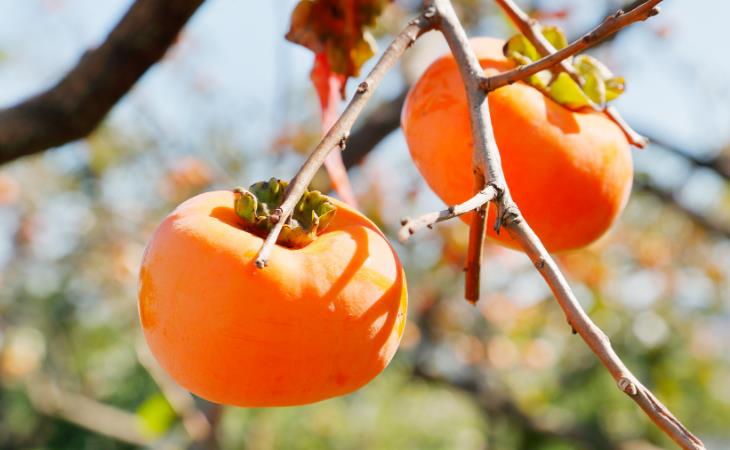
Native to China, persimmons are now grown
in several places throughout the world. California, for example, has a
small harvest of these delicious fruits each winter. You’ll also find
them in the "exotic fruit" section of the supermarket everywhere else in
the United States during the winter months.
Persimmon is a rich source of vitamin A, with 138 micrograms (mcg) in
one fruit. Research suggests that vitamin A can improve immune function
and aid in defending the body against infectious infections, among other
things.
Eating a single persimmon fruit will take care of 18% of your daily
value of vitamin C, making it a worthy addition to the healthy winter
fruits list.
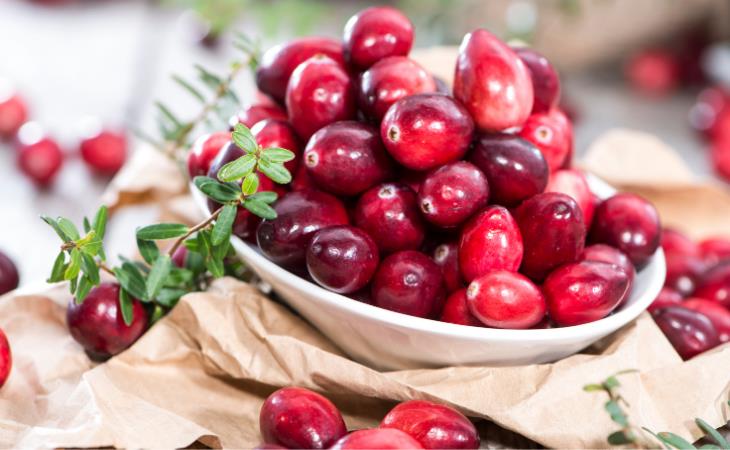
Apart from being a holiday dinner staple,
cranberries are a holiday dinner staple. These antioxidant- and
nutrient-rich red winter berries are also beneficial for preventing
urinary tract infections (UTIs) and certain cancers. Research has shown
that cranberries can help lower the risk of developing coronary artery
disease and reduce cholesterol levels as well. Additionally, they’re a
good source of vitamin C, with 14 mg in 1 cup of whole, raw cranberries.
Sprinkle some in your morning salad to start your day on a healthy
note.
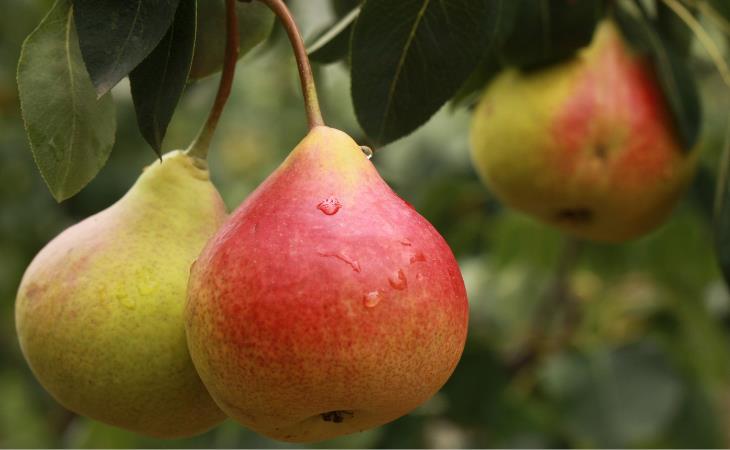
Many types of common pears are available
year-round in supermarkets. However, late fall and winter pears are so
much sweeter and mellower. They’re also super healthy, with one medium
pear packing 5.5 g of fiber. Having fiber in your diet fuels the growth
of healthy bacteria in your gut, making this nutrient crucial for the
health of your immune system. Additionally, fiber contributes to a
feeling of fullness after a meal, which prevents overeating. The
2020–2025 Dietary Guidelines for Americans recommend 14 g of fiber for
every 1,000 calories eaten.
Here's another reason to eat more pears during winter: studies have
shown that fibrous foods, such as pears, can help sustain a healthy
weight.
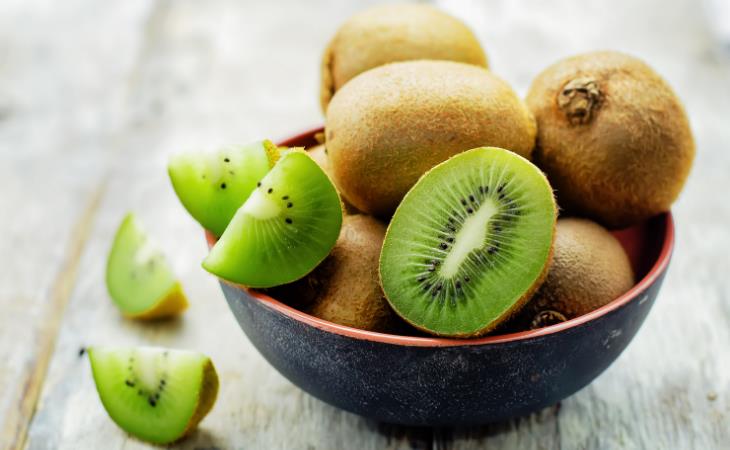
The delicious, tangy, green kiwi, which
originated in China and is now grown in tropical regions throughout the
world, is also loaded with a surprising amount of vitamin C. One kiwi
fruit contains 56 mg of vitamin C, and a cup of sliced, green kiwis
gives you 167 mg of vitamin C. Not many know that kiwis contain almost
three times the amount of vitamin C found in oranges and strawberries.
Plus, it provides a healthy amount of vitamin K in addition to potassium
and vitamin E.
Kiwis are available in abundance during the winter season. Consume them
daily to boost your vitamin C intake and strengthen your immunity. Did
we mention that you should eat the brown and fuzzy skin of a kiwi too?
Research indicates that eating the skin of a kiwi can increase its fiber
content by 50% and raise its vitamin E concentration by 34%!
5. Grapefruits
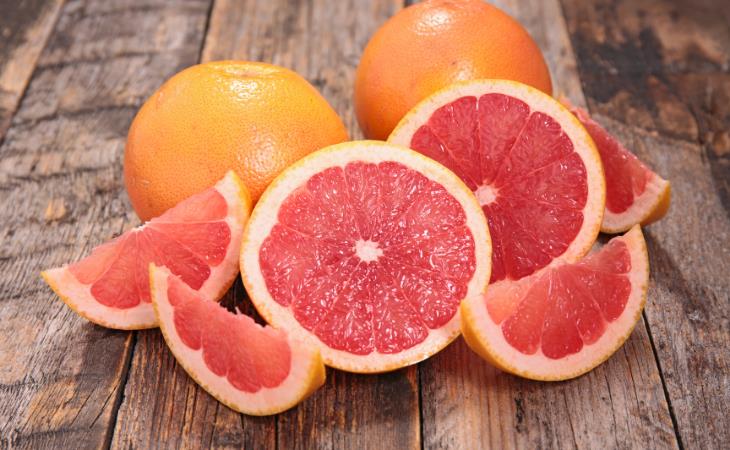
Grapefruit, like other citrus fruits, is
normally available all year, although its peak season is from late fall
to early spring. This sweet, tangy, juicy fruit is grown in the U.S.
primarily in California, Texas, Florida, and Arizona. Grapefruit is
another terrific source of vitamin C, with one medium-sized fruit
containing 98% of your daily value for vitamin C as well as 79% of your
daily value for vitamin A. It also contains lycopene, which has
antioxidant properties and may play a role in reducing the risk of
certain types of cancer, most notably prostate cancer, research
suggests.
6. Winter Melons
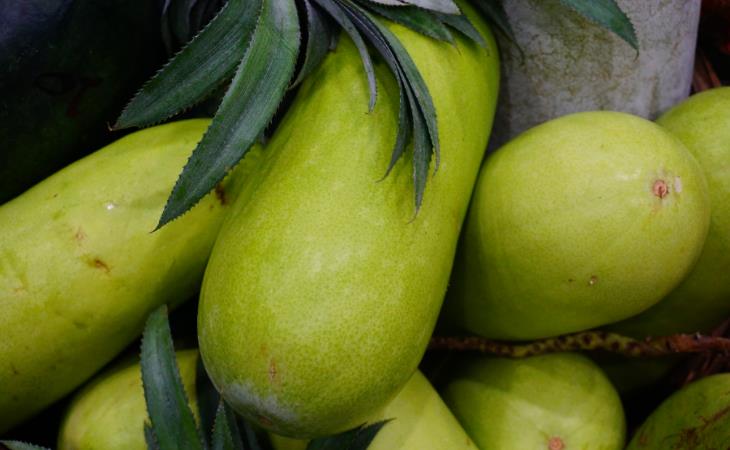
Winter melon, or ash gourd, is a
mild-tasting oblong fruit that's native to South and Southeast Asia but
is also available in the USA. A 100-g portion of raw ash winter melon
offers 14% of your daily value for vitamin C along with 3 g of fiber.
Winter melon is also rich in flavonoids and carotenes, two antioxidants
that may help protect your body from cell damage and conditions such as
type 2 diabetes and heart disease.
7. Kumquats
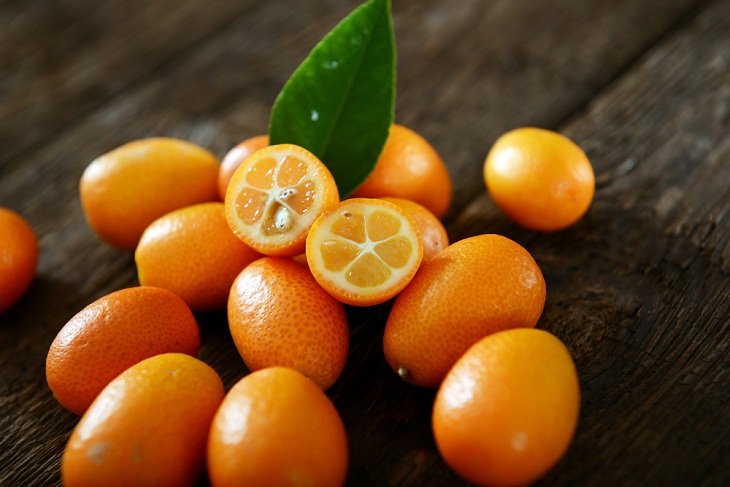
Kumquats, which resemble tiny, oblong
oranges, are tangy citrus fruits with a sweet-tart flavor. Native to
Asia, these delightful small fruits were eventually cultivated in North
America and are most widely grown in Florida, Louisiana, Alabama, and
California.
Sometimes called “Winter Citrus,” this fruit is chock-full of vitamin C
and dietary fiber. A 100-g serving of kumquats contains 73% of your
Recommended Dietary Intake of vitamin C and 6.5 g of fiber. Kumquats are
also cholesterol-free and low in fat and sodium. Additionally, this
winter citrus fruit is high in water, making it a weight-loss-friendly
food.
During the winter months, kumquats are among the most affordable, fresh, and readily available fruits. Head over to your nearest grocery store and try them today!