Boost Your Health With These 7 Seasonal Superfruits
We're now at that time of year when our
options for local, seasonal fruits seems to be apples or...apples.
Growers of citrus fruit haven't really got a tasty crop yet, and the
vast majority of what's in your local grocery store has been shipped in
from a different continent, and lacks taste, quality, and nutrition.
However, if you take a visit to specialist grocery stores, you can find
some unique and nutritious fruits that are available at this time of
year. Certain kinds of citrus and tropical fruits, which are grown
somewhat locally have more antioxidants than any other fruit, so you can
keep yourself healthy without having to rely on fruit flown in from a
different hemisphere. Below, you can find, 7 such superfruits!
1. Kumquats
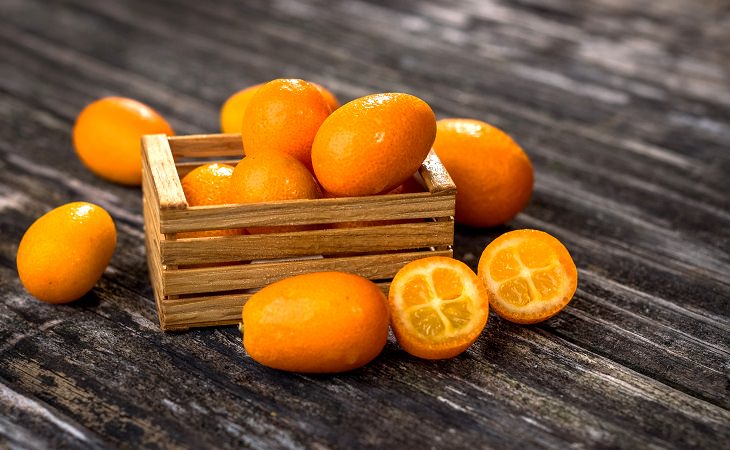
This little olive-sized citrus fruit is
full of disease-fighting antioxidants, which are contained in their
sweet and edible skin. A serving of five kumquats contains a fifth of
your daily fiber, along with a very healthy and generous dose of
vitamins A and C, and potassium. Most of America's domestic kumquats are
grown in Florida and California, with the most commonly grown variety
being the Nagami - which peaks between November and March.
These fruits have lots of uses: slice a few up and add them to a salad,
or use them in recipes instead of orange zest, or mix dried kumquats
with red onion, cilantro and lime to make a great salsa.
When buying kumquats at a store, look for the ones that are firm and
bright orange in color, and store them at room temperature for 2 to 3
days, or in the refrigerator for up to 2 weeks.
2. Carambolas (Star Fruit) 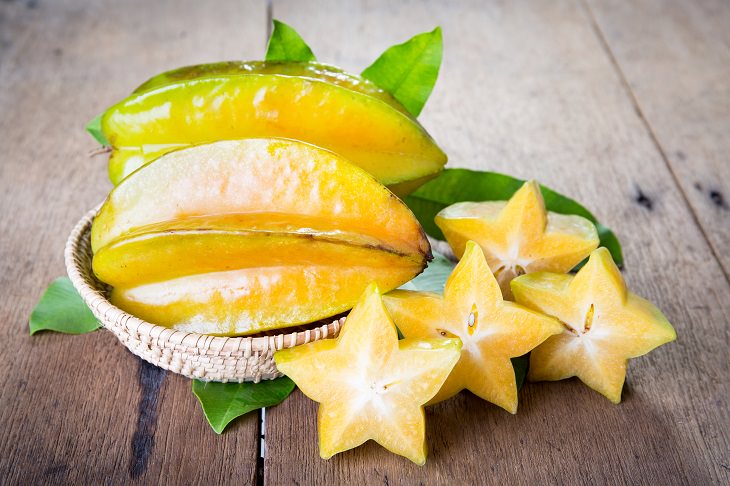
These exotic fruits are high in vitamin C
and potassium. Furthermore, they have an abundance of
inflammation-lowering polyphenols, which makes them great for your
heart. Most of the star fruit that you can find in stores across America
come from Florida or Hawaii.
The taste of this fruit has been described as somewhere between that of
citrus, apple, and pear. You can eat this tasty fruit as it is, or you
can add some to a fruit salad.
When buying this fruit, look for firm, shiny, and evenly colored yellow
fruit. Remember to handle the fruit with care as it's easily bruised.
Let the fruit ripen at room temperature for a few days until they start
to go brown on the edges and develop a fruity aroma (this is when they
are at their sweetest), then refrigerate them for up to a week.
3. Quinces
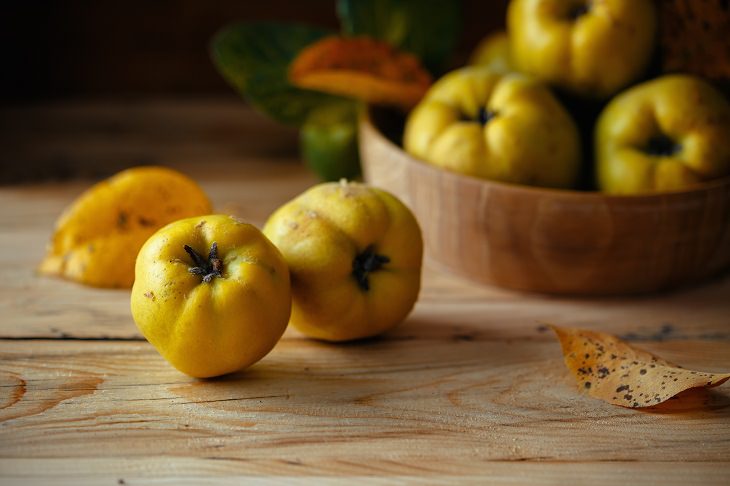
They may look like apples or pears, but
quinces are a lot healthier. High in vitamin C, quinces also have an
abundance of antiviral phenolic compounds that have been found to help
keep the flu at bay. The quince season lasts from around September to
December. You can find them at Latino, Asian, and Middle-Eastern
markets, specialty grocers and farmers' markets.
This fruit tastes better when cooked, so make sure to add them to a
savory stew or to use them in desserts instead of apples and pears.
4. Rambutans
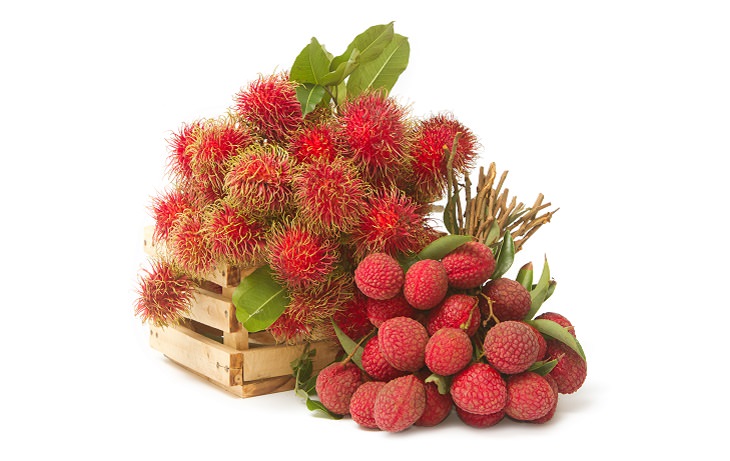
The rambutan, also known as hairy lychee or
hula berry, is a great tropical treat when summer's lychees are out of
season; their season is from September to March. Rambutans have a
seriously high level of the antioxidants anthocyanins and flavanoids,
both of which can help reduce the risk of cardiovascular problems and
chronic diseases.
This fruit can usually be found in Asian and other specialty markets.
This fruit is fragile and lasts for only a day or two at room
temperature. If you're not going to be eating them straight away, place
in a perforated bag and refrigerate.
To eat this fruit, peel the skin off and pop into your mouth, or add
them to a fruit platter.
5. Longans
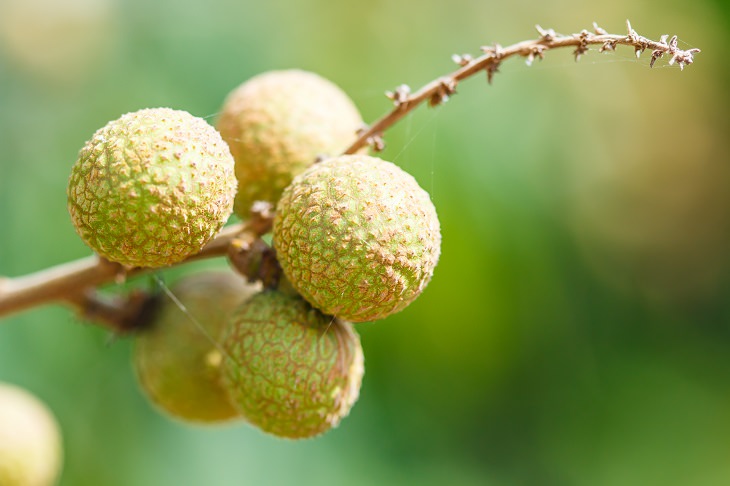
Longans are native to China, but are grown
in Hawaii and across the Caribbean. It's a good idea to stock up on this
fruit at this time of year as they have been known to settle upset
stomachs and reduce fevers. They are also full of disease-fighting
antioxidants.
You can find Hawaiian grown longans in Asian markets all year round. To
store, place them in a perforated plastic bag and refrigerate for a week
or two. To eat, simply peel, de-seed and pop in your mouth, or add to
fruit salads and desserts.
6. Persimmons
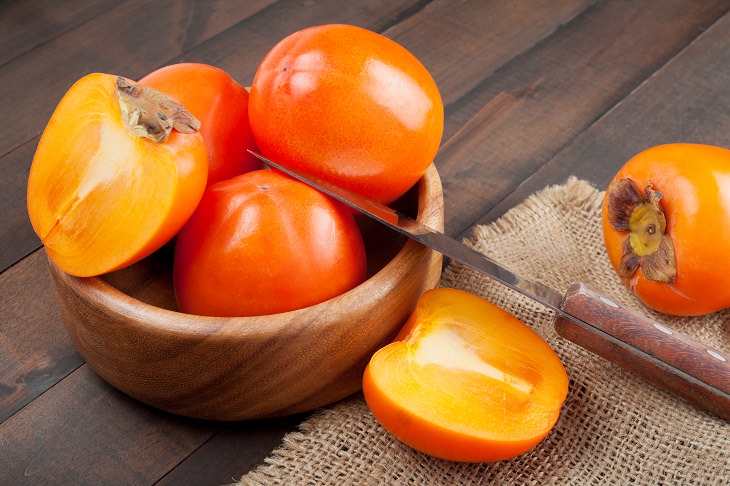
This fruit is better for your heart than an
apple, as it contains much higher concentrations of the dietary fiber,
minerals, and phenolic compounds that help prevent atherosclerosis, a
leading cause of heart disease, heart attacks, and strokes. An added
bonus is that the antioxidants present in this fruit can help control
diabetes and the cell damage it causes.
You can use the pulp or the whole fruit in puddings, pureed in ice
creams, or added to cakes and breads. They can also be used in savory
dishes, such as salsas, stir-fries, and salads.
7. Asian Pears
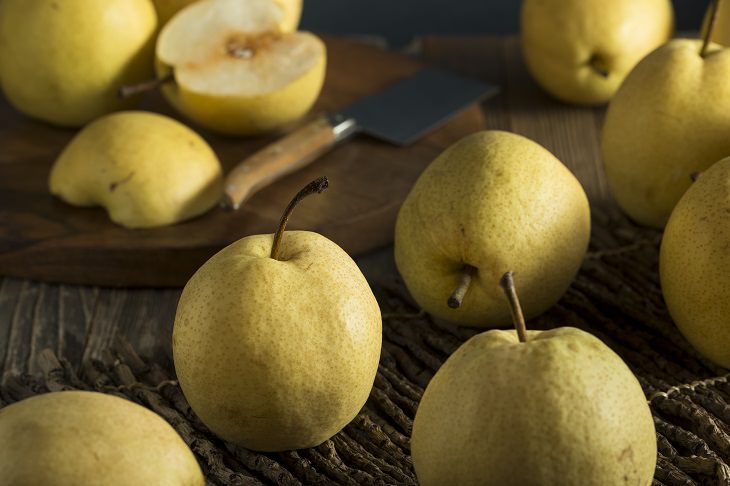
This fruit is perfect for cold storage and
they are easy to find in farmers' markets and grocery stores at this
time of year. Asian pears have more fiber than other types of pears, so
eating one daily is great for your heart and helps keep diabetes at bay.
This fruit can be kept for a week at room temperature or 3 months in the
fridge. Due to their sweet flavor and crunchy texture, Asian pears are a
great addition to salads and slaws. Furthermore, they work well in
place of apples in many different recipes.