Tuesday, June 01, 2021

These Creepy Diseases from History Are Still Around Today

Measles, scurvy, typhoid fever, the plague - we think of these diseases as a thing of the past. We don’t hear about them in the news and don’t know many people suffering from these ailments, so we assume that they’re no longer a threat. And while it’s true that none of these diseases are causing worldwide pandemics like they frequently did in the past, it doesn’t mean that they’re completely gone from the face of the earth.

In fact, all four of the diseases we mentioned at the beginning are making many people miserable or worse to this day. And they’re not the only ones on that list either - we discuss 7 such creepy ancient diseases below. 
 
1. Measles

Ancient Ailments Measles

Measles is a highly contagious infection caused by the Measles morbillivirus. It manifests itself through a sore throat, cough, fever, red eyes, and a tell-tale rash that covers the entire body. But before these first symptoms appear, the person is already contagious for 4 days and could be unknowingly infecting people. This explains why so many recent outbreaks have occurred in close-knit communities, mostly in areas where the MMR vaccination that stops the virus is unavailable or vaccinations are declined. 
 
In recent years, measles has reemerged in many countries, including those where it was believed to be eliminated like the USA and certain European countries. The biggest measles outbreak since 1992 occurred in the US in 2019, with 1249 measles cases reported, 89% of which have occurred in unvaccinated individuals. 
 
Unfortunately, measles isn’t the harmless flu-like condition many people believe it to be; studies point out that it is a leading cause of mortality in children below the age of 5. Survivors of measles, especially children, may deal with complications like deafness, vision loss, and brain damage. 
 
2. Mumps
Mumps is another one of those highly transmissible diseases that’s actually still quite common both in the US and abroad. Even though vaccinations and quarantine regulations usually help limit outbreaks of mumps, there are still thousands of cases reported in the USA every year. 
 
The majority of these outbreaks occur at schools, colleges, and military posts, or any other place where a large population works and lives together. Community-related and workplace-related outbreaks are also occasionally recorded. 
 
Like measles, mumps is contagious for days and sometimes weeks before symptoms occur. The condition starts with flu-like symptoms. Over the next two days, there's swelling in one or both of the salivary glands, which restricts movement of the neck and makes swallowing painful. Most people recover from mumps, but complications are common and sometimes severe. These include hearing loss, meningitis, encephalitis, miscarriage, and severe testicular pain that could result in testicular atrophy.

3. Plague
What previous generations all defined as the plague is in reality three different types of the same disease caused by the Yersinia pestis bacterium. They are the bubonic, septicemic, and pneumonic plagues. The infamous Black Death that claimed the lives of 200 million people in 14th-century Europe and North Africa was caused by the bubonic plague, the least deadly of the three. 
 
If left untreated, 30-60% of bubonic plague patients die, but the mortality rates of both the septicemic and the pneumonic plague varieties are almost total and sometimes occur on the same day a person is presented with symptoms. Despite all the medical efforts to eradicate these deadly and terrifying illnesses, small outbreaks of the plague are recorded worldwide every year. 
 
In recent years, most plague cases occurred in the Democratic Republic of Congo and Madagascar. But according to the CDC, 1-17 people are diagnosed with bubonic or septicemic plague in the United States annually. The disease is spread through flea bites, infected rodents, or contact with dead animals. 
 
Patients first develop a fever, malaise, and painful and swollen lymph nodes. Urgent antibiotic treatment is essential in any suspected cases, but if caught too late, nothing can be done to stop this deadly illness.

4. Scurvy
Ancient Ailments Scurvy
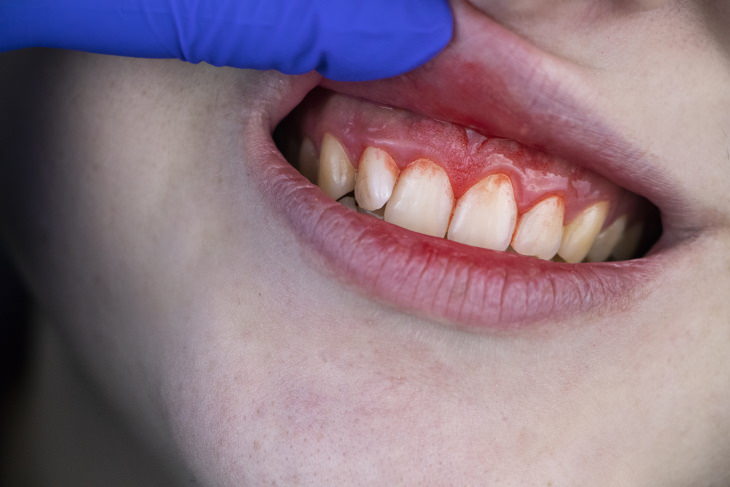
Scurvy is known as the disease plaguing (pardon the pun) sailors too long at sea. However, even we land people can easily develop it today. The condition manifests itself through bruising and bleeding around the hair follicles on the body, bleeding and swollen gums, tooth loss, and impaired wound healing. These symptoms can develop just after a few months of a vitamin C deficient diet. 
 
If you eat plenty of fruit and vegetables, you’re very unlikely to develop a vitamin C deficiency. But access to fresh produce is not a given, even in developed countries like the UK and the US. In fact, as many as 17% of the low-income population in the US suffer from scurvy according to a 2009 report by the CDC. A vitamin C supplement can fix the symptoms of scurvy very fast, but unfortunately, the condition is often misdiagnosed, as even many doctors believe it to be rarer than it really is. 
 
This disease was known to haunt sailors because it is hard to keep produce on a ship for months, and there's usually a shortage of these types of foods on long trips.

5. Typhoid
You may be familiar with typhoid fever as the disease that terrorized America in the 19th and 20th centuries. The story of Typhoid Mary, an asymptomatic cook who unknowingly spread the disease to 50 people in New York City, became infamous, but we often dismiss this cautionary tale as outdated. Meanwhile, typhoid fever continues to be a major health concern in many regions of the world. 
 
But what is typhoid fever? To put it simply, it is a bacterial infection caused by Salmonella typhi. Ingesting food and water contaminated by the bacterium develop high fever and diarrhea that evolve into delirium and death, if left untreated. Antibiotics are effective at eliminating the bacterium, and hygienic practices and water clarification help prevent the spread of the disease. 
 
But with the rising problems of access to clean water in many areas of the world and antibiotic resistance make it a bigger threat than you’d think. In fact, almost 6,000 cases of typhoid fever are recorded every year in the US. 75% of American typhoid patients got the vaccine overseas. So, if you’re planning on traveling abroad to a high-risk area, a typhoid vaccination is highly recommended.

6. Leprosy
What do you know about leprosy? Most people are vaguely familiar with the practice of isolating those afflicted by leprosy on islands or other remote areas. And make no mistake, leprosy colonies are not only a Medieval practice. The infamous Kalaupapa leprosy colony in Hawaii is home to a group of people who were exiled there in the 1960s even today. As for the disease itself, it’s also alive and kicking, despite global attempts at eradicating the disease. 
 
In the US, 100-200 new cases of leprosy are diagnosed every year and thousands of people suffering from the disease live in the US. But you wouldn’t know that because it was renamed as Hansen’s disease due to the negative social connotation. 
 
Leprosy is a mycobacterial infection caused by M. leprae and M. lepromatosis that damages the nervous system, the skin, the respiratory system. It often attacks the eyes and the nose, and it can be badly disfiguring. Untreated, Hansen’s disease results in irreversible nerve damage, limb paralysis, and blindness. Luckily, the ailment responds well to treatment and renders those affected by it not contagious. Helpful fact: you could get leprosy from armadillos, which carry the disease.
 
7. Syphilis
Ancient Ailments Syphilis
Some of the most famous historical figures had this disease: Henry VIII, Oscar Wilde, Vincent van Gogh, Christopher Columbus, Abraham Lincoln, and Leo Tolstoy are just a few names on that list. Even though antibiotic treatment dramatically reduced its spread all around the world, the creepy STD is actually on the rise. 
 
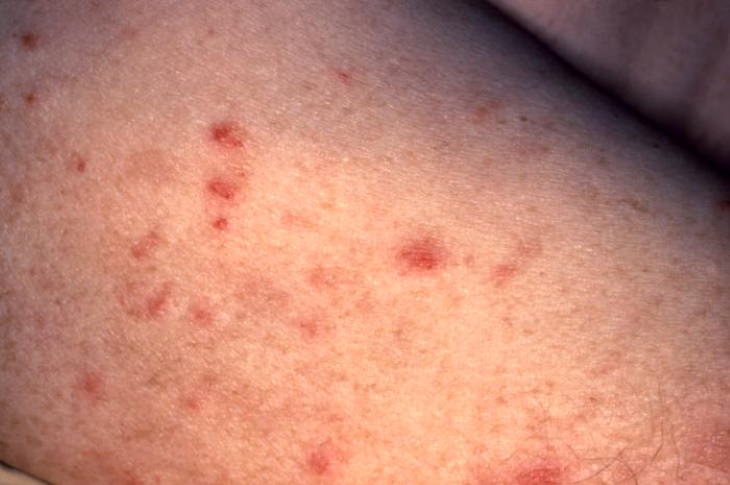
Data from the World Health Organization suggests that 6.3 million new cases of syphilis are recorded annually. The symptoms of this infection caused by the Treponema pallidum bacterium vary from person to person, which makes it difficult to diagnose. In some people, symptoms only appear 90 days after exposure and could be hardly noticeable: a painless rash in the mouth or the nether regions, fever, and fatigue. T
 
These symptoms can worsen fast and result in paralysis and organ damage. Alternatively, they stay dormant for decades, but in that time, the person will be able to transmit the disease to others. Early diagnosis, treatment, and STD awareness are the best methods of fighting this disease.

This is only for your information, kindly take the advice of your doctor for medicines, exercises and so on.   

https://gscrochetdesigns.blogspot.com. one can see my crochet creations  
https://gseasyrecipes.blogspot.com. feel free to view for easy, simple and healthy recipes    
https://kneereplacement-stickclub.blogspot.com. for info on knee replacement


Labels: , , , , , , , ,

Tuesday, December 29, 2020

The Health Benefits of Guavas

Most people think that only those fruits , nuts which are expensive have more nutrition ! Sadly not so. This humble fruit is supposed to be more nutritious than an apple too at less than half its price !

Guavas are found in the tropics, and invoke images of vacations, summer parties and island life, but this tasty fruit is more than a celebratory food. Guavas are bursting with healthy vitamins and minerals and can be used to treat many serious ailments. You can recognize guavas by their yellow, green or maroon skins and creamy white or pink pulp.
health benefits, guavas
1. Weight loss and gain  
Guava is a winning fruit for its many great benefits. If you’re trying to lose weight, guavas are not a fruit you need to give up. In fact, this snack-sized fruit can satisfy your appetite while adding few calories, low amounts of carbohydrates and no cholesterol to your diet. Also, compared to other fruit, it adds a low dose of sugar. 
 
Guavas also offer a great source of vitamins, proteins, roughage, fibers and minerals. For lean people trying to gain weight, this fruit is also beneficial as it promotes the healthy absorption of nutrients and its substantial nutrients regulate one’s metabolism. 
 
2. Blood pressure and Diabetes  
Guavas are hypoglycemic and rich in fiber, which help reduce blood pressure. Dietary fibers maintain the blood’s fluidity and prevent it from thickening, which can worsen blood pressure. Foods lacking in fiber (for example refined flour) increase blood pressure because they convert to sugar more quickly. Guavas can help fight or even prevent diabetes. The fiber regulates the sugar being absorbed by the body and the risk of high spikes and drops in the body’s insulin and glucose levels is reduced.

3. Diarrhea, dysentery, and gastroenteritis  
The abundant astringent (substances that contract body tissue) makeup of raw guava and guava leaves helps loosen the bowels and reduce the symptoms of diarrhea and gastroenteritis. Being highly alkaline, the guavas act as a disinfectant, removing excess mucus from the intestines and inhibiting microbial growth. For these reasons, guavas can also be used to treat dysentery. The guavas’ plentiful supply of vitamin C, carotenoids and potassium can also boost your digestive system.

4. Thyroid health  
A good substance for regulating the thyroid’s metabolism is copper, which guavas have plenty of. The thyroid glands regulate important hormones and organ system functions, which helps maintain a healthy balance in your body. 
health benefits, guavas
5. Healthy brains  
Also present in guavas are high amounts of vitamins B3 and B6. These both have benefits for the health of your brain. B3, which is also called niacin, is known to help increase blood flow and stimulate cognitive function, while B6 helps preserve normal nerve function.
 
6. Scurvy 
Guava is your best source for vitamin C. In fact, it has four times the amount of vitamin C found in oranges, which are regarded as the go-to food for this vitamin. The concentration of vitamin C can prevent scurvy, a disease caused by a deficiency of this vitamin. 
 
7. Constipation 
The seeds of guavas, either ingested whole or chewed, are excellent laxatives. In addition to the fruits' substantial amount of dietary fiber, guavas are advantageous for treating constipation. These two sources cleanse your intestines and excretory system and help your body retain water, helping you achieve healthy bowel movements. Frequently snacking on guavas, then, can be beneficial for proper digestion. 
 
8. Colds and coughs 
Drinking the juice of guavas and fresh guava fruit helps in fighting colds and coughs. The astringent quality can lessen mucus, disinfect the respiratory tract, throat, and lungs and reduce microbial activity. The substantial amounts of iron and vitamin C in guavas also help treat viral infections. It’s advised to avoid eating overly ripe guavas when you have a cold or cough, as they can actually aggravate them.
health benefits, guavas
9. Eyesight  
The considerable quantities of vitamin A in guavas are extremely beneficial for the health of your vision. This helps slow down macular degeneration, the growth of cataracts, and can even improve one’s eyesight deterioration once it has begun.

10. Cancer prevention  
Guava is also valuable in your diet as a preventative measure against cancerous growths and metastasis. The high levels of an antioxidant called lycopene has been shown to reduce the risk of prostate cancer and inhibit the growth of breast cancer cells. Guava leaf oil is another anti-proliferative extract from the guava plant that has proven effective in reducing cancer growth. 
 
11. Skincare 
Guavas are also fantastic at improving skin texture and keeping your skin looking fresh. Guavas are full of astringents, particularly in fresh fruit and the leaves of the plant. If you rinse your skin with a guava decoction, the fruit can tone and tighten areas of loose skin. 
 
Eating the fruit also provides a rich source of vitamins A, B, C, as well as potassium, which are excellent antioxidants and detoxifiers. They can keep your skin glowing, prevent premature aging and wrinkles, and can speed up the healing process of wounds.

This is only for your information, kindly take the advice of your doctor for medicines, exercises and so on.     

https://gscrochetdesigns.blogspot.com. one can see my crochet creations  
https://gseasyrecipes.blogspot.com. feel free to view for easy, simple and healthy recipes    
https://kneereplacement-stickclub.blogspot.com. for info on knee replacement


Labels: , , , , , , , , , , , , , , , , , ,

Monday, January 06, 2020

How to Use a Potato to Heal Your Entire Body (Including Detox, Fever, and Infection

Potatoes have gotten a lot of flak in recent years due to their carbohydrate-rich nature. Proponents of low-carbohydrate diets shun potatoes as awful and unhealthy. However, potatoes—particularly raw potatoes or the juice of a raw potato—have a never-ending list of health benefits.


In this article I am going to cover the health benefits of raw potatoes and various remedies using potatoes. In the second part of the article, I’ll explain how to detox with potato on feet, how to use potato as a remedy for fever and how to use it to draw out infection and sickness.

Potatoes – Health Benefits

There are many different types of potatoes that come in all shapes and sizes. Potatoes are packed with nutrients such as potassium,  thiamin and niacin as well as vitamin C, making them an ideal part of a healthy diet. They can also be used to treat various ailments, either taken internally or as a topical treatment.
To get a serving of potato juice—either to use in smoothies as a nutrient-rich accompanist to other fruits and veggies, or for use as a topical medicine—simply cube up two medium potatoes, then run them through your juicer. This should yield a half-cup of potato juice. You can leave the skin on but make sure to scrub it thoroughly.
You may wish to mix the potato juice with other fruit and vegetable juices or smoothies, as the taste of potato juice alone is mild and not so palatable.

Nutrients In Potato Juice

Potassium – A 1/2-cup of potato juice provides almost 27% of the daily recommended dietary intake of potassium for all adults. Read more about the importance of potassium in my article about potassium deficiency---- causes, symptoms and what to do.
Vitamin C – A 1/2-cup of potato juice provides more than 50% of the dietary reference intake of vitamin C for adults.
Thiamine (vitamin B1) – A 1/2-cup of potato juice provides 20% of the recommended dietary allowance for adult men, and almost 22% for adult women.
Niacin (vitamin B3) – A 1/2-cup of potato juice provides almost 20% of the recommended dietary allowance for adult men and 22.5% for adult women.

Home Remedies Using Raw Potato

The list of remedies using raw potatoes or their juice is virtually infinite. Although some of these remedies are simply folk remedies passed down through the generations, others have been studied empirically and are backed by hard science. Here are a few great potato remedies you may wish to try.

Digestive health and stomach problems

Potatoes have been used for centuries by people with digestive issues ranging from heartburn to indigestion. A 2006 study found that two-thirds of patients with digestive upset reported their problems abating when they used potato juice to treat them.

According to the study from 2013, potato juice has also been used to relieve gastritis (inflammation of the stomach), stomach ulcers and helps cleanse the intestines and reduce the amount of acid in the gastrointestinal system.

Stomach (peptic) ulcers

Another folk remedy with roots in real science is use of potato juice for stomach ulcer treatment and prevention.
A team of scientists from the University of Manchester, led by professor Ian Roberts, found that potatoes could prevent and even cure stomach ulcers because of a never-before-known molecule in the juice of the potato that fends off the bacteria that pave the way for stomach ulcers.

Cancer-killing properties

Although potatoes may not be the answer to curing all cancer types, one 2013 study published by researchers from China’s Northeast Agricultural University found that a substance in potato juice called patatin was able to halt the proliferation of cancer cells in mice with melanoma cancer.

Lipid panel improvement and antioxidant qualities

If you had bad cholesterol and high triglyceride levels, potato juice may be the answer to getting your lipid panel numbers where they need to be.
This may be in part due to the antioxidant qualities that potatoes possess. A 2012 study performed by Polish researchers from the Poznan University of Life Sciences found that potatoes are high in antioxidative activity—and that this quality increases when potatoes are processed via juicing.

Arthritis

According to the  Studies from 2013, one to two teaspoons of potato juice taken before each meal can help to improve arthritis symptoms.
Alternately, you can boil clean potato peelings in a pot of water for three to five minutes, then strain and cool. You can drink one cup of this up to four times per day to relieve arthritis pain and inflammation.

Scurvy

Scurvy is a disease caused by a deficiency of vitamin C, whose symptoms are swollen, bleeding gums and problems with wound healing. Due to the high levels of vitamin C, potato juice can be beneficial for fending off scurvy when taken regularly.

Skin care

Potatoes are a wonderful natural cleanser, especially for facial skin. Grate a raw potato and rub it over the skin, then rinse. The nutrients in the potato can absorb into the skin to nourish and moisturize your face, leaving you glowing and healthy.
Some people say that potato juice can be used on your face to whiten the skin and remove dark spots and hyperpigmentation. But I was unable to find any research to support it.
Here’s how to use a potato to whiten your skin and remove dark spots:
  1. Grate a small potato, put it in a cheesecloth and squeeze out the juice.
  2. Using a cotton ball, apply the potato juice on the skin areas where you have hyperpigmentation or dark spots.
  3. Use once a day before going to bed to a get a more even skin tone.

Burns, sores, cuts, cracks

To treat minor skin injuries, grate a small amount of potato and mix with honey or olive oil. Apply this mixture to the affected area and fix in place with a bandage for about two hours.
To treat a sunburn, slice a potato thinly and place them on the burned area for a few minutes to moisturize skin and relieve pain.

Headaches

To treat a headache with potato, slice the tuber thinly and place the slices on the forehead.
To treat chronic headaches, take one-quarter cup of hot potato juice before each meal, no more than three times per day.

Awaken tired eyes

You can perk up sleepy eyes by placing a slice of potato over each eyelid and leaving them on for just a few minutes.

Improving liver function

To improve the function of your liver, try a potato skin tea. Just boil the peelings from one large potato in one cup of water for five minutes. Strain and drink once cooled. Drink this daily to keep your liver and gallbladder at top performance.

Relief from swelling and itching

Potato slices can be applied to swollen, tender skin to reduce swelling and can also relieve itching associated with insect bites or dermatitis. Place a slice on the affected area and leave it in place until it warms to body temperature, and replace as needed.

Detox with Potatoes on Feet

Your skin is sometimes called the third kidney because if its role in body detox. I’ve already mentioned that you can draw out toxins through your skin by taking detox baths or you can even detox your armpits.

There are many books and websites that claim that you can detox your entire body through your feet. While there is no scientific evidence to support it, a lot of people say that they use foot detox pads.
Instead of buying foot detox pads, why not use a potato on your feet as a simple way to detox your body.
Here’s how to use the potato foot detox:
  1. Put two thin slices of raw potato in a pair of tight fitting socks and place the potato slices under your feet.
  2. Leave for a few hours to draw out toxins from your body.

Potato Slices in Socks as a Remedy for Fever

I’ve recently learned about a folk remedy for fever using potatoes. If you suffer from fever, all you need to do is put a slice of chilled raw potato at the bottom of your feet. Put it in your sock and leave for a 2-3 hours to break the fever.
While there is no scientific evidence to support it, a lot of people claim that it helps to reduce fever.

Do Potatoes on Feet Pull Out Sickness?

There is an anecdotal evidence that potatoes can pull out sickness but I couldn’t find scientific evidence to support it. The idea of putting potatoes in your socks for sickness could be attributed to foot reflexology which can be traced back to ancient Egyptian and Chinese civilizations.

According to reflexology, each area in your foot corresponds to an area in your body. Reflexology uses massage therapy techniques to stimulate nerves, mostly in the palm of your hand and bottom of your foot. Each of these nerves branches off to different organs and glands in your body. I have already mentioned that potatoes have a wide range of health benefits and nutrients. So possibly, according to reflexology, when placed under your feet, these nutrients spread thorough your body to kill bacteria and viruses.

Feel free to leave a comment if you use potatoes on feet for sickness as this will allow me to share the information with other readers.

Do Potatoes Draw Out Infection?

A lot of people use a potato poultice to draw Infection from wounds, boils, or skin abscesses. Depending on the infection, it may help to draw out the pus within 1-3 days. According to the Journal of Medicinal Plants Studies, potatoes have been used for healing burns, skin cracks, sores, and other types of skin infections. Raw potatoes are also used to relieve swelling and itching caused by insect bites.

Here is how to make a raw potato poultice to treat infection and relieve inflammation:
  1. Grate or scrape the raw potato (peel and pulp). Remember to thoroughly wash the potato skin first.
  2. Put the grated potato in a gauze.
  3. Place the gauze and grated potato over the infected skin area and cover with a cloth bandage to hold into place.
  4. Leave the potato poultice on the inflamed skin area for 1-2 hours each session to help pull out the infection. Rinse the affected area in a salt water wash after each application.
  5. Use for 24 hours to reduce inflammation and heal the infection.
Please see your doctor if the infection gets worse or doesn’t improve. Also be aware of other signs that your infection gets worse. You shouldn’t use the potato poultice on an open wound.

Is a Sweet Potato a True Potato?

Sweet potatoes are a completely different type of vegetable from potatoes.
Traditional types of potatoes  like the ones used to make fries, potato mash, and roast potatoes are from the nightshade family  Solanaceae. However,  sweet potatoes aren’t actually potatoes because they are from the morning glory plant family.
Sometimes, potatoes are called ‘white potatoes’ or ‘Irish potatoes’ to distinguish them from sweet potatoes.

Potatoes – A few precautions

Potatoes can heal, but there is such a thing as too much of a good thing in this case—avoid ingesting too much of potato juice per day, as higher dosages may be toxic. It is recommended not to drink more than half a cup of potato juice daily.
Also, potatoes with a greenish color under the skin should be avoided, as these contain higher levels of a chemical called solanine, which can interfere with nerve activity and cause severe nausea, diarrhea and cramping.

this is only for your information, kindly take the advice of your doctor for medicines, exercises and so on.     
https://gscrochetdesigns.blogspot.com. one can see my crochet creations  
https://gseasyrecipes.blogspot.com. feel free to view for easy, simple and healthy recipes    
https://kneereplacement-stickclub.blogspot.com. for info on knee replacement
 

Labels: , , , , , , , , , , , , ,