Tuesday, June 01, 2021

These Creepy Diseases from History Are Still Around Today

Measles, scurvy, typhoid fever, the plague - we think of these diseases as a thing of the past. We don’t hear about them in the news and don’t know many people suffering from these ailments, so we assume that they’re no longer a threat. And while it’s true that none of these diseases are causing worldwide pandemics like they frequently did in the past, it doesn’t mean that they’re completely gone from the face of the earth.

In fact, all four of the diseases we mentioned at the beginning are making many people miserable or worse to this day. And they’re not the only ones on that list either - we discuss 7 such creepy ancient diseases below. 
 
1. Measles
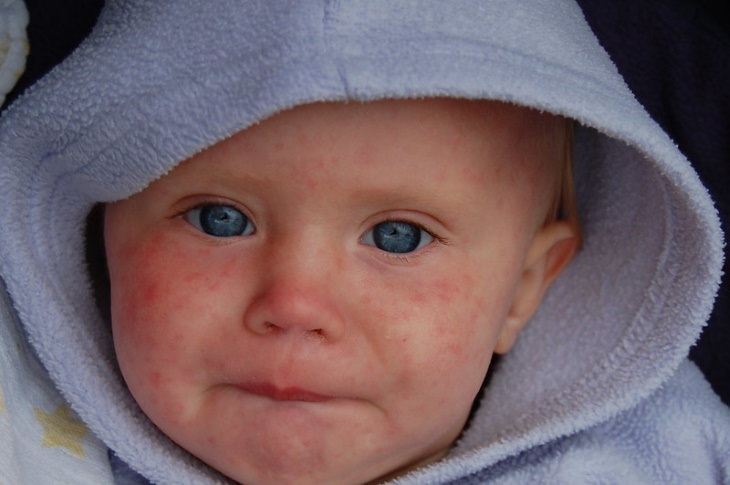
Ancient Ailments Measles

Measles is a highly contagious infection caused by the Measles morbillivirus. It manifests itself through a sore throat, cough, fever, red eyes, and a tell-tale rash that covers the entire body. But before these first symptoms appear, the person is already contagious for 4 days and could be unknowingly infecting people. This explains why so many recent outbreaks have occurred in close-knit communities, mostly in areas where the MMR vaccination that stops the virus is unavailable or vaccinations are declined. 
 
In recent years, measles has reemerged in many countries, including those where it was believed to be eliminated like the USA and certain European countries. The biggest measles outbreak since 1992 occurred in the US in 2019, with 1249 measles cases reported, 89% of which have occurred in unvaccinated individuals. 
 
Unfortunately, measles isn’t the harmless flu-like condition many people believe it to be; studies point out that it is a leading cause of mortality in children below the age of 5. Survivors of measles, especially children, may deal with complications like deafness, vision loss, and brain damage. 
 
2. Mumps
Mumps is another one of those highly transmissible diseases that’s actually still quite common both in the US and abroad. Even though vaccinations and quarantine regulations usually help limit outbreaks of mumps, there are still thousands of cases reported in the USA every year. 
 
The majority of these outbreaks occur at schools, colleges, and military posts, or any other place where a large population works and lives together. Community-related and workplace-related outbreaks are also occasionally recorded. 
 
Like measles, mumps is contagious for days and sometimes weeks before symptoms occur. The condition starts with flu-like symptoms. Over the next two days, there's swelling in one or both of the salivary glands, which restricts movement of the neck and makes swallowing painful. Most people recover from mumps, but complications are common and sometimes severe. These include hearing loss, meningitis, encephalitis, miscarriage, and severe testicular pain that could result in testicular atrophy.

3. Plague
What previous generations all defined as the plague is in reality three different types of the same disease caused by the Yersinia pestis bacterium. They are the bubonic, septicemic, and pneumonic plagues. The infamous Black Death that claimed the lives of 200 million people in 14th-century Europe and North Africa was caused by the bubonic plague, the least deadly of the three. 
 
If left untreated, 30-60% of bubonic plague patients die, but the mortality rates of both the septicemic and the pneumonic plague varieties are almost total and sometimes occur on the same day a person is presented with symptoms. Despite all the medical efforts to eradicate these deadly and terrifying illnesses, small outbreaks of the plague are recorded worldwide every year. 
 
In recent years, most plague cases occurred in the Democratic Republic of Congo and Madagascar. But according to the CDC, 1-17 people are diagnosed with bubonic or septicemic plague in the United States annually. The disease is spread through flea bites, infected rodents, or contact with dead animals. 
 
Patients first develop a fever, malaise, and painful and swollen lymph nodes. Urgent antibiotic treatment is essential in any suspected cases, but if caught too late, nothing can be done to stop this deadly illness.

4. Scurvy
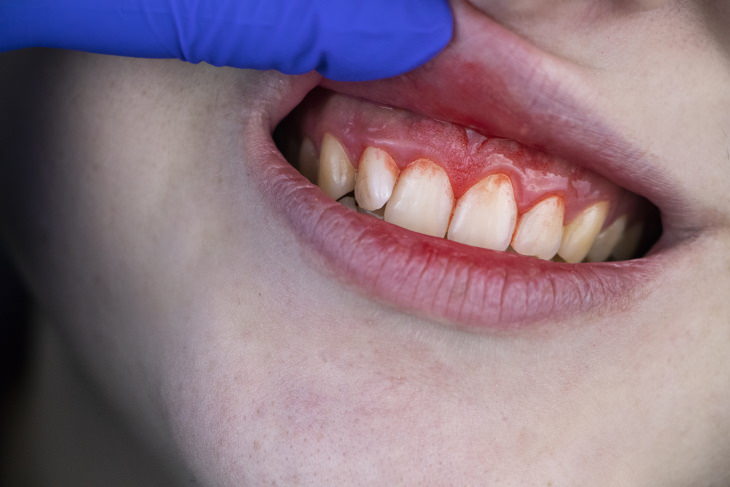
Ancient Ailments Scurvy
Scurvy is known as the disease plaguing (pardon the pun) sailors too long at sea. However, even we land people can easily develop it today. The condition manifests itself through bruising and bleeding around the hair follicles on the body, bleeding and swollen gums, tooth loss, and impaired wound healing. These symptoms can develop just after a few months of a vitamin C deficient diet. 
 
If you eat plenty of fruit and vegetables, you’re very unlikely to develop a vitamin C deficiency. But access to fresh produce is not a given, even in developed countries like the UK and the US. In fact, as many as 17% of the low-income population in the US suffer from scurvy according to a 2009 report by the CDC. A vitamin C supplement can fix the symptoms of scurvy very fast, but unfortunately, the condition is often misdiagnosed, as even many doctors believe it to be rarer than it really is. 
 
This disease was known to haunt sailors because it is hard to keep produce on a ship for months, and there's usually a shortage of these types of foods on long trips.

5. Typhoid
You may be familiar with typhoid fever as the disease that terrorized America in the 19th and 20th centuries. The story of Typhoid Mary, an asymptomatic cook who unknowingly spread the disease to 50 people in New York City, became infamous, but we often dismiss this cautionary tale as outdated. Meanwhile, typhoid fever continues to be a major health concern in many regions of the world. 
 
But what is typhoid fever? To put it simply, it is a bacterial infection caused by Salmonella typhi. Ingesting food and water contaminated by the bacterium develop high fever and diarrhea that evolve into delirium and death, if left untreated. Antibiotics are effective at eliminating the bacterium, and hygienic practices and water clarification help prevent the spread of the disease. 
 
But with the rising problems of access to clean water in many areas of the world and antibiotic resistance make it a bigger threat than you’d think. In fact, almost 6,000 cases of typhoid fever are recorded every year in the US. 75% of American typhoid patients got the vaccine overseas. So, if you’re planning on traveling abroad to a high-risk area, a typhoid vaccination is highly recommended.

6. Leprosy
What do you know about leprosy? Most people are vaguely familiar with the practice of isolating those afflicted by leprosy on islands or other remote areas. And make no mistake, leprosy colonies are not only a Medieval practice. The infamous Kalaupapa leprosy colony in Hawaii is home to a group of people who were exiled there in the 1960s even today. As for the disease itself, it’s also alive and kicking, despite global attempts at eradicating the disease. 
 
In the US, 100-200 new cases of leprosy are diagnosed every year and thousands of people suffering from the disease live in the US. But you wouldn’t know that because it was renamed as Hansen’s disease due to the negative social connotation. 
 
Leprosy is a mycobacterial infection caused by M. leprae and M. lepromatosis that damages the nervous system, the skin, the respiratory system. It often attacks the eyes and the nose, and it can be badly disfiguring. Untreated, Hansen’s disease results in irreversible nerve damage, limb paralysis, and blindness. Luckily, the ailment responds well to treatment and renders those affected by it not contagious. Helpful fact: you could get leprosy from armadillos, which carry the disease.
 
7. Syphilis
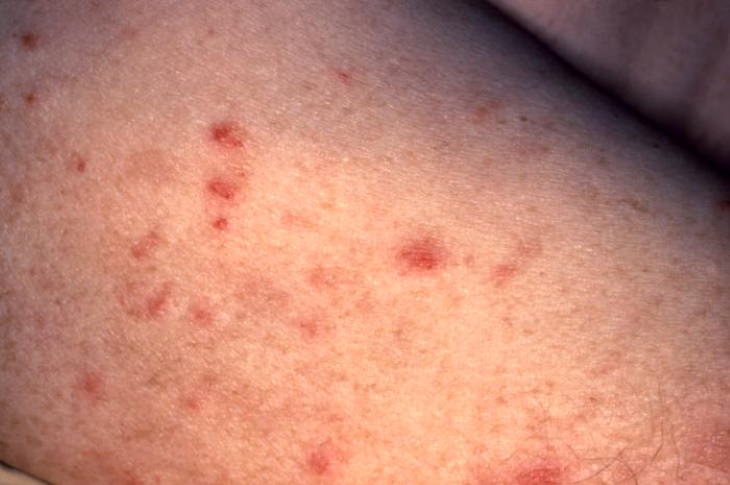
Ancient Ailments Syphilis
Some of the most famous historical figures had this disease: Henry VIII, Oscar Wilde, Vincent van Gogh, Christopher Columbus, Abraham Lincoln, and Leo Tolstoy are just a few names on that list. Even though antibiotic treatment dramatically reduced its spread all around the world, the creepy STD is actually on the rise. 
 
Data from the World Health Organization suggests that 6.3 million new cases of syphilis are recorded annually. The symptoms of this infection caused by the Treponema pallidum bacterium vary from person to person, which makes it difficult to diagnose. In some people, symptoms only appear 90 days after exposure and could be hardly noticeable: a painless rash in the mouth or the nether regions, fever, and fatigue. T
 
These symptoms can worsen fast and result in paralysis and organ damage. Alternatively, they stay dormant for decades, but in that time, the person will be able to transmit the disease to others. Early diagnosis, treatment, and STD awareness are the best methods of fighting this disease.

This is only for your information, kindly take the advice of your doctor for medicines, exercises and so on.   

https://gscrochetdesigns.blogspot.com. one can see my crochet creations  
https://gseasyrecipes.blogspot.com. feel free to view for easy, simple and healthy recipes    
https://kneereplacement-stickclub.blogspot.com. for info on knee replacement


Labels: , , , , , , , ,

Friday, April 17, 2020

Does Coronavirus Cause a Rash? What You Need to Know

With our incessant coronavirus-induced hand washing, it’s normal to get a mild rash on your hands. Rashes that come and suddenly disappear? Not so normal.

Randy Jacobs, MD, a California-based dermatologist, observed cases of a mystery rash in three of his patients diagnosed with COVID-19. What’s so unique about this rash is that it appears to come and go, unlike other rashes typically associated with a viral infection like chickenpox, measles, or even dengue fever. 


“What we’re seeing is transient livedo reticularis, a dermatological diagnosis that’s usually autoimmune related, and it looks exactly like what this photo shows,” says Dr. Jacobs, whose article on the findings is slated to be published in the Journal of the American Academy of Dermatology. “Normal livedo reticularis usually lasts a long time, sometimes it's even permanent. It's not something that comes and goes.”

Lara Devgan, MD, a New York-based board-certified plastic surgeon, shared photos of Jacobs’ findings on her Instagram profile after seeing the images circulate in a private doctors’ Facebook group, garnering over 100 comments from concerned doctors and patients. “One thing that has been very remarkable, especially in private physician social media groups and Listservs, is that there's a vast amount of information being shared very rapidly, and really helping to improve our algorithm in treating and managing coronavirus,” Dr. Devgan tells Health. “Coronavirus is a disease entity where our knowledge is rapidly evolving and we're building the ship as we sail it.”

The rash presents itself as tiny purple, red, or brown spots that one may mistake for bruising under the skin.

In Italy, where the coronavirus death toll is second only to the US, a small observational study of 88 patients shows that 20.4% of them developed some form of skin condition speculated to be related to COVID-19. “There is a possibility that a COVID-19 patient might initially present with a skin rash that can be misdiagnosed as another common disease,” reports Beuy Joob, PhD, of the Sanitation1 Medical Academic Center in Bangkok, who is co-author of another study investigating a COVID-19-related rash.

“It's not unique that a virus would give you a skin rash,” Mona Gohara, MD, a Connecticut-based dermatologist tells Health. “[Dr. Jacobs] may have identified a unique pattern that could be associated with COVID-19.”

So what causes a rash? Usually some skin irritation or exposure to an allergen can result in a skin rash that itches like eczema, which will be pretty common if you’re frequently washing your hands.

In this unique case, this itch-free rash could be caused by your immune system’s response to the virus. “If [the rash] is transient (coming and going), what we suspect is that a bunch of viral particles are being released into the bloodstream at that particular moment,” Dr. Jacobs tells Health. “The rash itself is caused by a blockage of blood called vaso occlusion. When you block the blood, you don't get oxygen.”

Rachel Nazarian, MD, a New York-based dermatologist and fellow of the American Academy of Dermatology, attributes these rash patterns to poor circulation in relation to COVID-19, given that many patients are dealing with heart issues associated with the disease. “What we’re finding could essentially be little baby strokes due to decreased blood circulation, related to COVID-19’s ability to possibly increase the blood to clot.” Dr. Nazarian has also noticed these patterns in three of her patients, all who were considered relatively young healthy.

So what should you do if you encounter this specific rash? With any kind of chronic rash, always talk to your dermatologist to determine a potential course of treatment, one that may lead to COVID-19 testing. “There are doctors looking into how common this rash is,” says Dr. Jacobs. “Because a lot of people might not even notice it, especially if you’re wearing pants all day.”

The information in this story is accurate as of press time. However, as the situation surrounding COVID-19 continues to evolve, it's possible that some data have changed since publication. While Health is trying to keep our stories as up-to-date as possible, we also encourage readers to stay informed on news and recommendations for their own communities by using the CDC, WHO, and their local public health department as resources.


This is only for your information, kindly take the advice of your doctor for medicines, exercises and so on.     

https://gscrochetdesigns.blogspot.com. one can see my crochet creations  
https://gseasyrecipes.blogspot.com. feel free to view for easy, simple and healthy recipes    
https://kneereplacement-stickclub.blogspot.com. for info on knee replacement

Labels: , , , , , , , , , ,

Friday, November 01, 2019

Getting measles 'resets' the body's immune system

Measles, the contagious childhood disease that is once more on the rise globally, is more harmful than previously thought.

A new analysis of 77 un-vaccinated children from the Netherlands carried out by an international team of researchers led by scientists at Harvard has found that the virus erases the body's memory of previous pathogens effectively wiping its immunity memory.


The virus eliminated between 11 and 73 percent of the children's protective antibodies, blood proteins responsible for "remembering" previous encounters with disease, the team wrote in the journal Science on Thursday.

This left some of the children with immunity close to that of a newborn baby.

"It sort of resets your immune system back to sort of a more naive state," the epidemiologist and coauthor told.

In order to rebuild their defenses, they will need to be exposed to numerous pathogens as they were in their infancy, he added.

To validate their result, the team then carried out experiments on macaque monkeys, with the animals losing 40-60 percent of their protective antibodies.

"The virus is much more deleterious than we realized, which means the vaccine is that much more valuable," said study coauthor.


this is only for your information, kindly take the advice of your doctor for medicines, exercises and so on.     
https://gscrochetdesigns.blogspot.com. one can see my crochet creations  
https://gseasyrecipes.blogspot.com. feel free to view for easy, simple and healthy recipes    
https://kneereplacement-stickclub.blogspot.com. for info on knee replacement


Labels: , , , , , , , , , , , , , , , ,

Sunday, May 05, 2019

Refusal to vaccine: refusal to a healthy life

It is perhaps one of the biggest ironies of our times that despite being a leading producer and exporter of vaccines, India has one-third of the unimmunized children around the world. It is a quite startling fact that not even half of Indian children go through the complete immunization cycle. 1 The poor response to vaccines is an outcome of a population that is largely uneducated or poorly educated as well as the influence of anti-vaccine propaganda machinery. The truth that most people do not realise about vaccines is that failing to get immunized on time can make you more susceptible to any illness.
The Journal  published a study underscoring this fact. The researchers gathered data about measles and pertussis outbreaks in recent times. It was discovered that unvaccinated people formed the majority of measles and pertussis cases 2 (pertussis reduces immunity, thus, in the absence of a pertussis vaccine, various disease outbreaks occur).

Despite the presence of ample evidence supporting the invaluable contribution made by vaccines towards global well-being, there are several myths and misconceptions around the subject. Some of the most prevalent ones include the following.

Diseases were already on the wane when vaccines came into the picture thanks to better hygiene and sanitation.
This is one of the commonest anti-vaccine theories that one comes across, and the idea here is to establish the futility of vaccines. While it is beyond doubt that better socioeconomic conditions impact disease outbreaks, it is not the game-changer. Better nutrition, antibiotics and treatment procedures have reduced mortality rates among the sick, and there have been lesser instances of disease transmission. However, when we objectively assess the disease outbreaks over the years, we can clearly see the direct and huge impact of vaccines, even in the 21 st century.

To quote an example, there has been an actual and permanent reduction in measles outbreak since the approval and wide-spread usage of measles vaccine started in 1963. 

Even the sanitary conditions today are not any better than they were in 1990, so to attribute the success of disease control to anything other than vaccination would be incorrect.

Majority of people who get the disease have been vaccinated
This is another of the popular anti-vaccine arguments, and it implies that they are harmful. However, this is a twisted way of representing the facts to support a hypothetical situation. It is true that in case of a disease outbreak, patients who had been previously vaccinated are usually more in number compared to those who were not vaccinated. However, to understand the real reasoning, we need to look at an example.

Let’s say, in a batch of 100 people, 90 were vaccinated and the remaining 10 were not. When the disease spread, 15 out of the 90 vaccinated people were affected and 10 out of those 10 who were not immunized fell ill. If we look at raw numbers, we might say 15 vaccinated people fell ill compared to only 10 non-vaccinated people. However, the reality is that only one-sixth of the vaccinated people were affected while 100% of the non- vaccinated people were affected. Hence, it stands proven that vaccines are very potent protection against diseases.

Presence of ‘hot lots’ of faulty vaccines that should be avoided
This again is a misconception or wrong interpretation of an occurrence that is used to add credibility to a baseless theory. Most of the times, reports about specific vaccine lots highlight temporary side-effects or previously ‘deemed safe’ side effects such as soreness, temporary pains or fever. They don’t necessarily have to be ‘potentially fatal’ or unforeseen side-effects. Also, at times, deaths caused by non-related reasons are also attributed to a recently administered vaccine especially among the infants who are anyway at high risk to a large number of factors other than faulty vaccines. Even the vaccine lots vary in size depending upon the communities or geographies they are being used in. There might be lots comprising less than a thousand vaccines or those comprising millions of vaccines that would be administered over a much longer period of time, thus, resulting in more instances of side-effects and to weigh both on the same criteria happens to be another negative tactic used by anti-vaccine propaganda.

Vaccines have fatal or long-term side effects which are kept hidden from us
Vaccines are extremely safe despite the negative notion about them. The occurrence of a vaccine-induced fatality is very rare, in fact, so negligible at times then it can’t even be quantified statistically. Even in the rarest of circumstances where deaths occur after administration of a vaccine, the investigation usually reveals the actual cause to be human error or miscalculation and not a faulty vaccine.

No disease hence no need for vaccines
This is a classic and most absurd argument. It is a fact that vaccines have helped us win the battle against a number of preventable diseases. In many countries, some of these preventable diseases are no longer observed or are extremely rare and isolated occurrences. In such cases, it is stated that there is no need to administer vaccines against non-existent diseases. There are faults with such an argument at two major levels. In this global age, people travel constantly. Even if there are no preventable diseases in one country, it doesn’t rule out the possibility of getting affected by the disease in another country. There are also chances of someone from another country landing with a preventable and communicable disease that would then cause an outbreak among an unprotected population.

In conclusion
It is important for the healthcare workers administering vaccines to pay attention to and show empathy towards a patient’s concerns, fears and apprehensions regarding vaccination or at least to take them into consideration before they are administered. There is no doubt that vaccines are lifesavers, but it is imperative to cultivate a stronger feeling of trust between the healthcare workers and the patients. Such trust-building interactions will also help in identifying the arguments which yield positive results and convince those who are apprehensive to accept immunization!

THIS IS ONLY FOR INFORMATION, ALWAYS CONSULT YOU PHYSICIAN BEFORE HAVING ANY PARTICULAR FOOD/ MEDICATION/EXERCISE/OTHER REMEDIES.                                    PS- THOSE INTERESTED IN RECIPES ARE FREE TO  VIEW MY BLOG-                                                                                           https://gseasyrecipes.blogspot.com/    
                                                                                                                                                     FOR INFO ABOUT KNEE REPLACEMENT, YOU CAN VIEW MY BLOG-                                                  https:// kneereplacement-stickclub.blogspot.com/  
         
                   FOR CROCHET DESIGNS                                                                                                                                                                                                  https://gscrochetdesigns.blogspot.com  

Labels: , , , , , ,