Thursday, September 08, 2022

New Hope Against Antibiotic-Resistant Bacteria

A new synthetic molecule could be the torch that shines a new light of hope in humanity’s battle against drug-resistant bacteria. The CDC estimates that at least 30% of antibiotic prescriptions are unnecessary. This misuse of antibiotics has caused a surge of antibiotic-resistant bacteria. Essentially these are the same bacteria we’ve known all our lives, but they’ve developed and mutated to become immune to classic antibiotics. Some of them are even resistant to penicillin.  
 
How bacteria become resistant
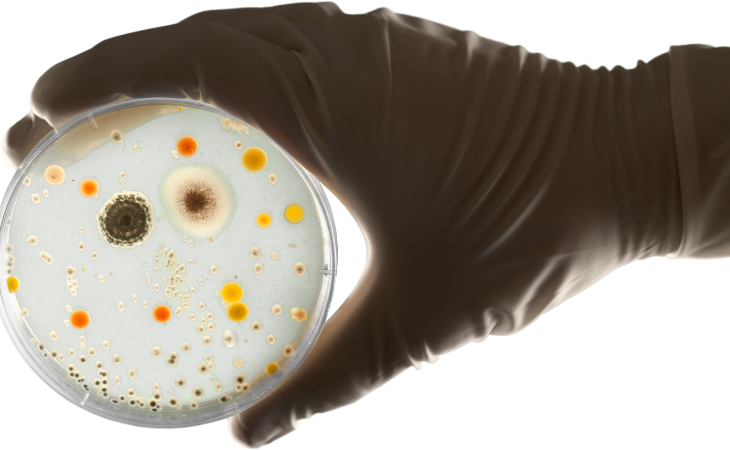
bacteria growing in petri dish
Taking an antibiotic when you don’t really have an infection may cause more harm than good. Antibiotics have a negative effect on the abilities of white blood cells and gut bacteria responsible for healthy digestion and inhibiting the growth of bad bacteria in the body.

Most antibiotic-resistant bacteria can be classified as gram-negative bacteria. It is a class of bacteria that have thicker cell walls and a built-in mechanism called an efflux pump that gives them the ability to export toxins out of the cells. The harder, thicker cell walls make these bacteria more resistant and challenging to penetrate, while the efflux pump makes them exceptionally challenging to tackle, as they become more toxic under attack. This pump may prevent antibiotics from getting inside the cell. 
 
Some varieties of gram-negative bacteria you may know are cholera, E. coli, and Salmonella typhi, which causes typhoid fever. Today these are treated with antibiotics, sometimes more than one. Older antibiotics may be more effective at times. 
 
Fabimycin - a new hope
A new player just hit the field. It is a molecule called fabimycin. This molecule inhibits the bacterial enzyme called FabI, which is vital for the bacteria‘s fatty acid biosynthesis. In other words, this new molecule has the potential to starve drug-resistant bacteria. Trials showed that, in addition to that, fabimycin is also relatively harmless to some types of healthy bacteria found in the gut. 
 
Fabimycin was developed in a lab. The synthetic drug was created by altering and improving existing antibiotics effective against less aggressive infections. Then, they started testing it on drug-resistant bacteria. 
 
The researchers found fabimycin to be effective on more than 300 types of drug-resistant bacteria. It cured mice with pneumonia and urinary tract infections. The medication is yet to undergo human testing and looks promising.


This is only for your information, kindly take the advice of your doctor for medicines, exercises and so on.   

https://gscrochetdesigns.blogspot.com. one can see my crochet creations  
https://gseasyrecipes.blogspot.com. feel free to view for easy, simple and healthy recipes    
https://kneereplacement-stickclub.blogspot.com. for info on knee replacement


Labels: , , , , , , , , , , ,

Tuesday, June 01, 2021

These Creepy Diseases from History Are Still Around Today

Measles, scurvy, typhoid fever, the plague - we think of these diseases as a thing of the past. We don’t hear about them in the news and don’t know many people suffering from these ailments, so we assume that they’re no longer a threat. And while it’s true that none of these diseases are causing worldwide pandemics like they frequently did in the past, it doesn’t mean that they’re completely gone from the face of the earth.

In fact, all four of the diseases we mentioned at the beginning are making many people miserable or worse to this day. And they’re not the only ones on that list either - we discuss 7 such creepy ancient diseases below. 
 
1. Measles
Ancient Ailments Measles

Measles is a highly contagious infection caused by the Measles morbillivirus. It manifests itself through a sore throat, cough, fever, red eyes, and a tell-tale rash that covers the entire body. But before these first symptoms appear, the person is already contagious for 4 days and could be unknowingly infecting people. This explains why so many recent outbreaks have occurred in close-knit communities, mostly in areas where the MMR vaccination that stops the virus is unavailable or vaccinations are declined. 
 
In recent years, measles has reemerged in many countries, including those where it was believed to be eliminated like the USA and certain European countries. The biggest measles outbreak since 1992 occurred in the US in 2019, with 1249 measles cases reported, 89% of which have occurred in unvaccinated individuals. 
 
Unfortunately, measles isn’t the harmless flu-like condition many people believe it to be; studies point out that it is a leading cause of mortality in children below the age of 5. Survivors of measles, especially children, may deal with complications like deafness, vision loss, and brain damage. 
 
2. Mumps
Mumps is another one of those highly transmissible diseases that’s actually still quite common both in the US and abroad. Even though vaccinations and quarantine regulations usually help limit outbreaks of mumps, there are still thousands of cases reported in the USA every year. 
 
The majority of these outbreaks occur at schools, colleges, and military posts, or any other place where a large population works and lives together. Community-related and workplace-related outbreaks are also occasionally recorded. 
 
Like measles, mumps is contagious for days and sometimes weeks before symptoms occur. The condition starts with flu-like symptoms. Over the next two days, there's swelling in one or both of the salivary glands, which restricts movement of the neck and makes swallowing painful. Most people recover from mumps, but complications are common and sometimes severe. These include hearing loss, meningitis, encephalitis, miscarriage, and severe testicular pain that could result in testicular atrophy.

3. Plague
What previous generations all defined as the plague is in reality three different types of the same disease caused by the Yersinia pestis bacterium. They are the bubonic, septicemic, and pneumonic plagues. The infamous Black Death that claimed the lives of 200 million people in 14th-century Europe and North Africa was caused by the bubonic plague, the least deadly of the three. 
 
If left untreated, 30-60% of bubonic plague patients die, but the mortality rates of both the septicemic and the pneumonic plague varieties are almost total and sometimes occur on the same day a person is presented with symptoms. Despite all the medical efforts to eradicate these deadly and terrifying illnesses, small outbreaks of the plague are recorded worldwide every year. 
 
In recent years, most plague cases occurred in the Democratic Republic of Congo and Madagascar. But according to the CDC, 1-17 people are diagnosed with bubonic or septicemic plague in the United States annually. The disease is spread through flea bites, infected rodents, or contact with dead animals. 
 
Patients first develop a fever, malaise, and painful and swollen lymph nodes. Urgent antibiotic treatment is essential in any suspected cases, but if caught too late, nothing can be done to stop this deadly illness.

4. Scurvy
Ancient Ailments Scurvy
Scurvy is known as the disease plaguing (pardon the pun) sailors too long at sea. However, even we land people can easily develop it today. The condition manifests itself through bruising and bleeding around the hair follicles on the body, bleeding and swollen gums, tooth loss, and impaired wound healing. These symptoms can develop just after a few months of a vitamin C deficient diet. 
 
If you eat plenty of fruit and vegetables, you’re very unlikely to develop a vitamin C deficiency. But access to fresh produce is not a given, even in developed countries like the UK and the US. In fact, as many as 17% of the low-income population in the US suffer from scurvy according to a 2009 report by the CDC. A vitamin C supplement can fix the symptoms of scurvy very fast, but unfortunately, the condition is often misdiagnosed, as even many doctors believe it to be rarer than it really is. 
 
This disease was known to haunt sailors because it is hard to keep produce on a ship for months, and there's usually a shortage of these types of foods on long trips.

5. Typhoid
You may be familiar with typhoid fever as the disease that terrorized America in the 19th and 20th centuries. The story of Typhoid Mary, an asymptomatic cook who unknowingly spread the disease to 50 people in New York City, became infamous, but we often dismiss this cautionary tale as outdated. Meanwhile, typhoid fever continues to be a major health concern in many regions of the world. 
 
But what is typhoid fever? To put it simply, it is a bacterial infection caused by Salmonella typhi. Ingesting food and water contaminated by the bacterium develop high fever and diarrhea that evolve into delirium and death, if left untreated. Antibiotics are effective at eliminating the bacterium, and hygienic practices and water clarification help prevent the spread of the disease. 
 
But with the rising problems of access to clean water in many areas of the world and antibiotic resistance make it a bigger threat than you’d think. In fact, almost 6,000 cases of typhoid fever are recorded every year in the US. 75% of American typhoid patients got the vaccine overseas. So, if you’re planning on traveling abroad to a high-risk area, a typhoid vaccination is highly recommended.

6. Leprosy
What do you know about leprosy? Most people are vaguely familiar with the practice of isolating those afflicted by leprosy on islands or other remote areas. And make no mistake, leprosy colonies are not only a Medieval practice. The infamous Kalaupapa leprosy colony in Hawaii is home to a group of people who were exiled there in the 1960s even today. As for the disease itself, it’s also alive and kicking, despite global attempts at eradicating the disease. 
 
In the US, 100-200 new cases of leprosy are diagnosed every year and thousands of people suffering from the disease live in the US. But you wouldn’t know that because it was renamed as Hansen’s disease due to the negative social connotation. 
 
Leprosy is a mycobacterial infection caused by M. leprae and M. lepromatosis that damages the nervous system, the skin, the respiratory system. It often attacks the eyes and the nose, and it can be badly disfiguring. Untreated, Hansen’s disease results in irreversible nerve damage, limb paralysis, and blindness. Luckily, the ailment responds well to treatment and renders those affected by it not contagious. Helpful fact: you could get leprosy from armadillos, which carry the disease.
 
7. Syphilis
Ancient Ailments Syphilis
Some of the most famous historical figures had this disease: Henry VIII, Oscar Wilde, Vincent van Gogh, Christopher Columbus, Abraham Lincoln, and Leo Tolstoy are just a few names on that list. Even though antibiotic treatment dramatically reduced its spread all around the world, the creepy STD is actually on the rise. 
 
Data from the World Health Organization suggests that 6.3 million new cases of syphilis are recorded annually. The symptoms of this infection caused by the Treponema pallidum bacterium vary from person to person, which makes it difficult to diagnose. In some people, symptoms only appear 90 days after exposure and could be hardly noticeable: a painless rash in the mouth or the nether regions, fever, and fatigue. T
 
These symptoms can worsen fast and result in paralysis and organ damage. Alternatively, they stay dormant for decades, but in that time, the person will be able to transmit the disease to others. Early diagnosis, treatment, and STD awareness are the best methods of fighting this disease.

This is only for your information, kindly take the advice of your doctor for medicines, exercises and so on.   

https://gscrochetdesigns.blogspot.com. one can see my crochet creations  
https://gseasyrecipes.blogspot.com. feel free to view for easy, simple and healthy recipes    
https://kneereplacement-stickclub.blogspot.com. for info on knee replacement


Labels: , , , , , , , ,