Thursday, September 08, 2022

New Hope Against Antibiotic-Resistant Bacteria

A new synthetic molecule could be the torch that shines a new light of hope in humanity’s battle against drug-resistant bacteria. The CDC estimates that at least 30% of antibiotic prescriptions are unnecessary. This misuse of antibiotics has caused a surge of antibiotic-resistant bacteria. Essentially these are the same bacteria we’ve known all our lives, but they’ve developed and mutated to become immune to classic antibiotics. Some of them are even resistant to penicillin.  
 
How bacteria become resistant
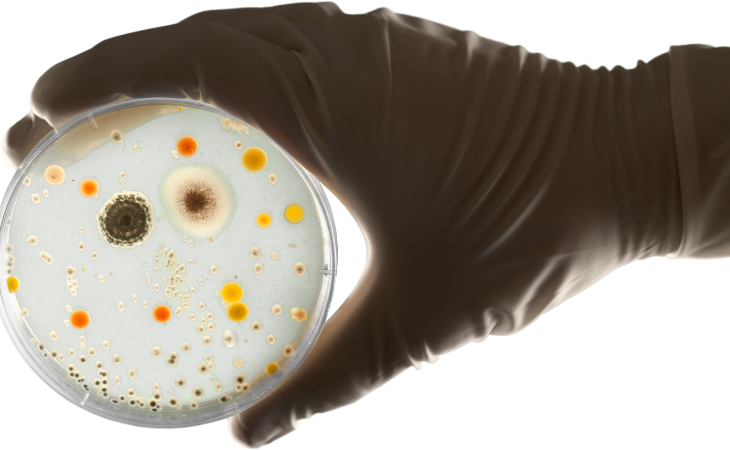
bacteria growing in petri dish
Taking an antibiotic when you don’t really have an infection may cause more harm than good. Antibiotics have a negative effect on the abilities of white blood cells and gut bacteria responsible for healthy digestion and inhibiting the growth of bad bacteria in the body.

Most antibiotic-resistant bacteria can be classified as gram-negative bacteria. It is a class of bacteria that have thicker cell walls and a built-in mechanism called an efflux pump that gives them the ability to export toxins out of the cells. The harder, thicker cell walls make these bacteria more resistant and challenging to penetrate, while the efflux pump makes them exceptionally challenging to tackle, as they become more toxic under attack. This pump may prevent antibiotics from getting inside the cell. 
 
Some varieties of gram-negative bacteria you may know are cholera, E. coli, and Salmonella typhi, which causes typhoid fever. Today these are treated with antibiotics, sometimes more than one. Older antibiotics may be more effective at times. 
 
Fabimycin - a new hope
A new player just hit the field. It is a molecule called fabimycin. This molecule inhibits the bacterial enzyme called FabI, which is vital for the bacteria‘s fatty acid biosynthesis. In other words, this new molecule has the potential to starve drug-resistant bacteria. Trials showed that, in addition to that, fabimycin is also relatively harmless to some types of healthy bacteria found in the gut. 
 
Fabimycin was developed in a lab. The synthetic drug was created by altering and improving existing antibiotics effective against less aggressive infections. Then, they started testing it on drug-resistant bacteria. 
 
The researchers found fabimycin to be effective on more than 300 types of drug-resistant bacteria. It cured mice with pneumonia and urinary tract infections. The medication is yet to undergo human testing and looks promising.


This is only for your information, kindly take the advice of your doctor for medicines, exercises and so on.   

https://gscrochetdesigns.blogspot.com. one can see my crochet creations  
https://gseasyrecipes.blogspot.com. feel free to view for easy, simple and healthy recipes    
https://kneereplacement-stickclub.blogspot.com. for info on knee replacement


Labels: , , , , , , , , , , ,

Tuesday, August 30, 2016

Know why cholera is more deadly for people with type O blood

Researchers have found that cholera toxin activates a key molecule more strongly in people with the O blood type, putting them at increased risk of getting more severely ill from the disease than people of other blood types.

Cholera toxin hyper activates a key signaling molecule in intestinal cells of people with the most common blood type and high levels of that signaling molecule lead to excretion of electrolytes and water — in other words, diarrhea, the researchers found.

Cholera is marked by severe diarrhea that can lead to dehydration, shock and even death.

“We have shown that blood type influences how strongly cholera toxin activates intestinal cells, leading to diarrhea,” said the study’s senior author James Fleckenstein, Associate Professor at Washington University School of Medicine in St Louis.

Cholera sickens three million to five million people around the world every year, leading to 100,000 to 120,000 deaths, many of them in the Indian subcontinent, where cholera has been endemic for centuries.

The disease is caused by Vibrio cholerae, a bacterium that infects cells of the small intestine.

Epidemiologists first noticed four decades ago that people with blood type O were more likely to be hospitalised for cholera than people of other blood types, but the reasons for the difference had never been determined. 

Although the blood group antigens – A, B, AB and O – are best known for their presence on red blood cells, they also are found on the surface of many other cell types, including the cells that line the intestine.

To find out what effect cholera toxin had on intestinal cells carrying different blood group antigens, the researchers used clusters of intestinal epithelial stem cells, called enteroids, that can be grown in the lab and differentiated into mature intestinal cells.

As part of the study, the researchers treated four groups of enteroids with cholera toxin — two derived from people with blood type A and two from people with blood type O — and measured the amount of a key signaling molecule inside the cells.

The researchers found that levels of the signalling molecule were roughly twice as high in the cells with the type O antigen than in the cells with type A antigen, suggesting that people with type O antigen who were exposed to cholera toxin would suffer more severe diarrohea.

The findings appeared online in The American Journal of Tropical Medicine and Hygiene.


this is only for your information, kindly take the advice of your doctor for medicines, exercises and so on.
https://gscrochetdesigns.blogspot.com. one can see my crochet creations
https://gseasyrecipes.blogspot.com. feel free to view for easy, simple and healthy recipes

https://kneereplacement-stickclub.blogspot.com. for info on knee replacement

Labels: , , , , , , , , , , , ,