Thursday, September 08, 2022

New Hope Against Antibiotic-Resistant Bacteria

A new synthetic molecule could be the torch that shines a new light of hope in humanity’s battle against drug-resistant bacteria. The CDC estimates that at least 30% of antibiotic prescriptions are unnecessary. This misuse of antibiotics has caused a surge of antibiotic-resistant bacteria. Essentially these are the same bacteria we’ve known all our lives, but they’ve developed and mutated to become immune to classic antibiotics. Some of them are even resistant to penicillin.  
 
How bacteria become resistant
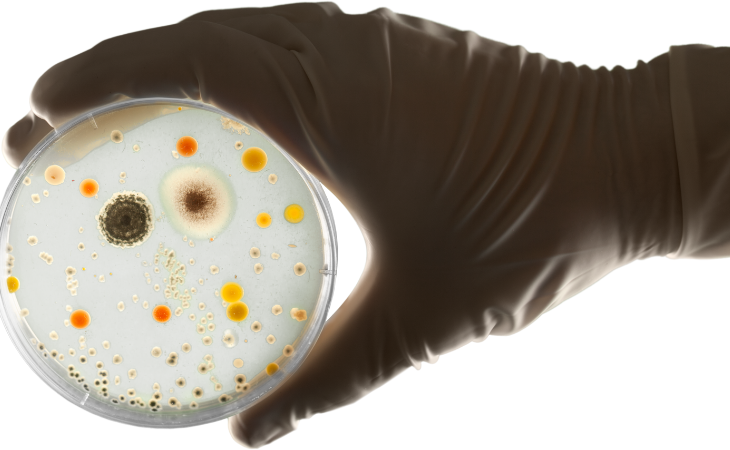
bacteria growing in petri dish
Taking an antibiotic when you don’t really have an infection may cause more harm than good. Antibiotics have a negative effect on the abilities of white blood cells and gut bacteria responsible for healthy digestion and inhibiting the growth of bad bacteria in the body.

Most antibiotic-resistant bacteria can be classified as gram-negative bacteria. It is a class of bacteria that have thicker cell walls and a built-in mechanism called an efflux pump that gives them the ability to export toxins out of the cells. The harder, thicker cell walls make these bacteria more resistant and challenging to penetrate, while the efflux pump makes them exceptionally challenging to tackle, as they become more toxic under attack. This pump may prevent antibiotics from getting inside the cell. 
 
Some varieties of gram-negative bacteria you may know are cholera, E. coli, and Salmonella typhi, which causes typhoid fever. Today these are treated with antibiotics, sometimes more than one. Older antibiotics may be more effective at times. 
 
Fabimycin - a new hope
A new player just hit the field. It is a molecule called fabimycin. This molecule inhibits the bacterial enzyme called FabI, which is vital for the bacteria‘s fatty acid biosynthesis. In other words, this new molecule has the potential to starve drug-resistant bacteria. Trials showed that, in addition to that, fabimycin is also relatively harmless to some types of healthy bacteria found in the gut. 
 
Fabimycin was developed in a lab. The synthetic drug was created by altering and improving existing antibiotics effective against less aggressive infections. Then, they started testing it on drug-resistant bacteria. 
 
The researchers found fabimycin to be effective on more than 300 types of drug-resistant bacteria. It cured mice with pneumonia and urinary tract infections. The medication is yet to undergo human testing and looks promising.


This is only for your information, kindly take the advice of your doctor for medicines, exercises and so on.   

https://gscrochetdesigns.blogspot.com. one can see my crochet creations  
https://gseasyrecipes.blogspot.com. feel free to view for easy, simple and healthy recipes    
https://kneereplacement-stickclub.blogspot.com. for info on knee replacement


Labels: , , , , , , , , , , ,

Wednesday, June 19, 2019

Cause of fatal disease that turns babies' lips, skin blue identified


Scientists using gen-editing tool. CRISPR/ Cas9 have identified the cause -- and a potential treatment -- of a fatal respiratory disorder newborn infants that turns their lips and skin blue.

The team used CRISPR/Cas9 to generate mice that mimic the mostly untreatable disorder called Alveolar Capillary Dysplasia with Misalignment of Pulmonary Veins (ACDMPV). 

The model allowed researchers in the US to pinpoint the ailment's cause and develop a potential and desperately needed nano-particle-based treatment.

ACDMPV usually strikes infants within a month of birth. The disease starves the pulmonary system of oxygen after the lung's blood vessels do not form properly during organ development.

The lack of tiny blood vessels called alveolar capillaries causes hypoxia, inflammation and death, researchers said.

"There are no effective treatments other than a lung transplant, so the need for new therapeutics is urgent," said a Dr.

"We identified a nano-particle therapeutic strategy to increase the number of alveolar capillaries and help preserve respiratory function for at least a subset of the babies with this congenital lung disease," said the lead researcherin the study.

The disease has long been linked to mutations in the FOXF1 gene, an important regulator of embryonic lung development.

The remaining mystery until this study is precise microbiological processes that fuel ACDMPV, researchers said.

Researchers analysed genetic information from human ACDMPV cases to generate the first clinically relevant animal model of ACDMPV. They used CRISPR/ Cas9 to recreate human FOXF1 mutations in the mouse.

CRISPR-Cas9 allows precise gene editing by using an enzyme to cut out specific sections of a DNA sequence and reattaching the loose ends at a desired point to change a cell's genetic makeup.

Having clinically accurate mouse models of disease ACDMPV allowed the scientists to overcome a longtime hurdle to understanding how the disease develops, researchers said.

By studying protein-DNA interactions linked to the FOXF1 gene in pulmonary cells, researchers found a specific point mutation, which blocked molecular signalling to multiple downstream target genes involved in formation of pulmonary blood vessels.

The researchers theorised that treating newborn mice with a protein called STAT3 would stimulate blood vessel development in the lungs.

Researchers turned to nano-particle technology to deliver a STAT3 mini-gene to lungs of newborn mice. They created a novel formulation for what are known as polyethylenimine (PEI) nanoparticles.

The gelatin-like PEI nanoparticles can carry therapeutic genetic material to different parts of the body by administering them to patients intravenously.

Different formulations of PEI nanoparticles are currently being tested in clinical trials for adult cancer at other institutions, researchers said.

THIS IS ONLY FOR INFORMATION, ALWAYS CONSULT YOU PHYSICIAN BEFORE HAVING ANY PARTICULAR FOOD/ MEDICATION/EXERCISE/OTHER REMEDIES.                                    PS- THOSE INTERESTED IN RECIPES ARE FREE TO  VIEW MY BLOG-                                                                                           https://gseasyrecipes.blogspot.com/                                                                                                                                                FOR INFO ABOUT KNEE REPLACEMENT, YOU CAN VIEW MY BLOG-                                                  https:// kneereplacement-stickclub.blogspot.com/                                                                      FOR CROCHET DESIGNS                                                                                                                                                                                     https://gscrochetdesigns.blogspot.com


Labels: , , , , , , , ,

Thursday, May 04, 2017

Never starve yourself as it's primarily responsible for typical cell death

Are you one of those who starve yourselves for losing weight? You might want to think that again as a new study say that starvation is the main cause of typical cell death.

According to a new study, researchers have characterized the cell death process due to starvation, in which the endoplasmic reticulum plays a leading role.

.The study got published in journal Molecular and Cellular Biology."Usually, programmed cell death -- also called apoptosis -- follows a biochemical pathway related to the permeabilization of mitochondria; However, we observed that in cases of cell death due to lack of glucose, cells die in an unexpected way, following a process similar to what we would expect from an immune response," stated Dr. Cristina Muñoz-Pinedo, study`s lead author.


The study finds that in cell-death-related treatments such as chemotherapy, the mitochondrial pathway is activated.

Instead, when starved, cells activate the so-called "death receptors" on their membrane, which are normally used by the lymphocytes of the immune system to attack and destroy infected cells.

The researchers have been able to relate the activation of these membrane receptors to the endoplasmic reticulum, a cellular organelle involved in protein synthesis and lipid metabolism, as well as intracellular transport.

"Feeling the stress produced by the lack of nutrients, the reticulum send an alarm signal that triggers the appearance of death receptors in the membrane", said Dr. Muñoz-Pinedo.

"According to our in vitro results, we assume that this is how the tumor cells located in the center of a tumor -- the so-called necrotic core -- die, because there are never enough nutrients in those areas.

On the other hand, in ischemia, besides the lack of oxygen there is also cell death due to lack of glucose, so this process could also be related to the activity of the endoplasmic reticulum at a biochemical level," added the IDIBELL researcher.


this is only for your information, kindly take the advice of your doctor for medicines, exercises and so on.   
https://gscrochetdesigns.blogspot.com. one can see my crochet creations 
https://gseasyrecipes.blogspot.com. feel free to view for easy, simple and healthy recipes    
https://kneereplacement-stickclub.blogspot.com. for info on knee replacement   


Labels: , , , , ,

Saturday, December 24, 2016

Ancient herbal Chinese medicine can help fight TB

Researchers have found that centuries-old herbal medicine, discovered by Chinese scientists to treat malaria, can aid in tuberculosis (TB) treatment and even slow drug resistance.

One-third of the world's population is infected with TB, which killed 1.8 million people in 2015, according to the Centers for Disease Control and Prevention.

Mycobacterium tuberculosis (Mtb) -- the TB-causing bacteria -- needs oxygen to thrive in the body and the immune system starves this bacterium of oxygen to control the infection.

The study found that artemisinin -- the ancient remedy -- stopped the ability Mtb to become dormant -- a stage of the disease that often makes the use of antibiotics ineffective.

"When TB bacteria are dormant, they become highly tolerant to antibiotics. Blocking dormancy makes the TB bacteria more sensitive to these drugs and could shorten treatment times," said Robert Abramovitch, Assistant Professor at Michigan State University in the US.

Artemisinin attacks a molecule called heme, which is found in the Mtb oxygen sensor.

By disrupting this sensor and essentially turning it off, the medicine stopped the disease's ability to sense how much oxygen it was getting, the researchers said.

"When the Mtb is starved of oxygen, it goes into a dormant state, which protects it from the stress of low-oxygen environments. If Mtb can't sense low oxygen, then it can't become dormant and will die," Abramovitch said

TB takes up to six months to treat and is one of the main reasons the disease is so difficult to control, the researchers said.

They also said that the finding could be key to shortening the course of therapy because it can clear out the dormant, hard-to-kill bacteria.

The paper was published in the journal Nature Chemical Biology.


this is only for your information, kindly take the advice of your doctor for medicines, exercises and so on.
https://gscrochetdesigns.blogspot.com. one can see my crochet creations
https://gseasyrecipes.blogspot.com. feel free to view for easy, simple and healthy recipes 
https://kneereplacement-stickclub.blogspot.com. for info on knee replacement
Researchers have found that centuries-old herbal medicine, discovered by Chinese scientists to treat malaria, can aid in tuberculosis (TB) treatment and even slow drug resistance.

One-third of the world's population is infected with TB, which killed 1.8 million people in 2015, according to the Centers for Disease Control and Prevention.

Mycobacterium tuberculosis (Mtb) -- the TB-causing bacteria -- needs oxygen to thrive in the body and the immune system starves this ba ..

Labels: , , , , , , , , , , , , , ,