Sunday, February 21, 2021

5 Tips to Keep Your Toothbrush Truly Clean

Disinfecting and maintaining cleanliness are some of the most talked-about topics these days, in light of the Covid-19 pandemic. One of the items that should always be kept in pristine condition, no matter what time of the year it is, is the toothbrush. Appropriate cleaning, storage, and replacement of toothbrushes are extremely important to prevent the spread of diseases and maintain oral hygiene. The following tips detail the best ways to do so.

How Toothbrushes Get Contaminated
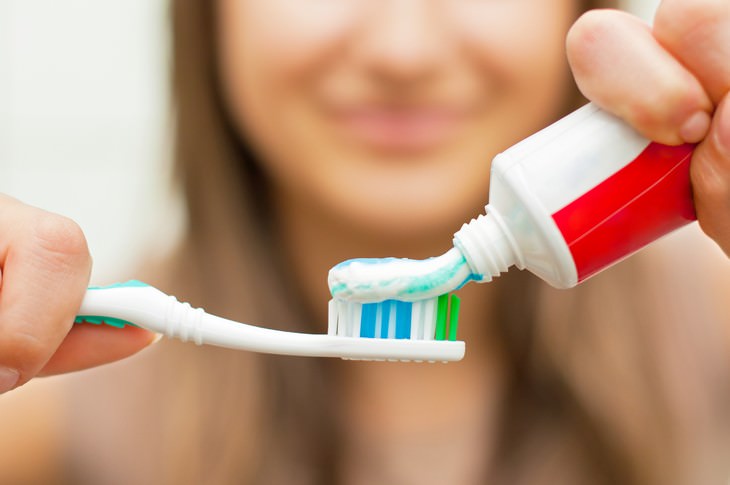
5 Tips to Keep Your Toothbrush Truly Clean toothpaste
Mouth - Out mouths are home to millions of germs, including those that live in the plaque or on our teeth, such as those responsible for the development of dental caries (cavities) called M. Sutans. Moreover, they come in contact with saliva, blood, oral debris, and toothpaste. It’s no surprise that some of these germs can collect on your toothbrush and be transferred or re-introduced into your mouth during brushing. Even visibly clean toothbrushes can retain some leftover potentially harmful germs. 
 
Environment - Many people keep their toothbrush in the same space the toilet is found. When the toilet is flushed, the swirling water that removes waste from the bowl may mix up with small particles of the waste, containing bacteria called fecal coliform. According to studies, this bacteria can spread as far as 1.5 feet, and it’s perfectly possible for it to travel to your toothbrush. The same is true about the sink - bacteria and viruses could potentially be spread while you're washing your hands or other items in the sink. 
 
Below we list several toothbrush storage and cleaning tips that can help you prevent the spread of germs.

1. Wash Your Hands Before and After Use  5 Tips to Keep Your Toothbrush Truly Clean washing hands
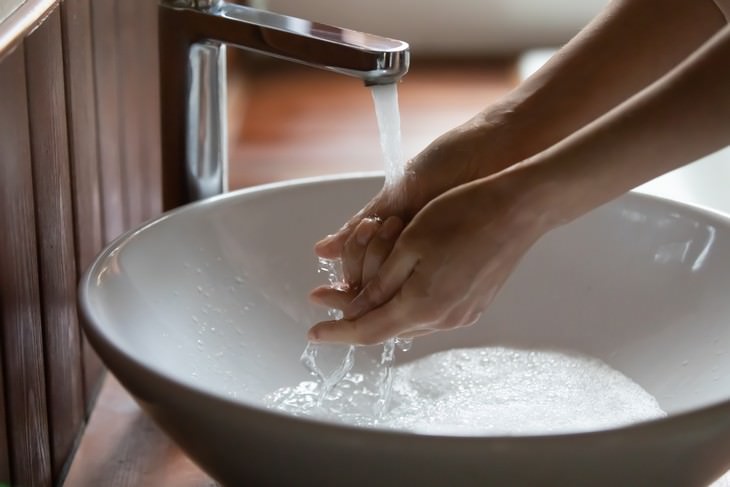
Wash Your Hands is probably something you've heard quite a lot recently. And it isn’t just a piece of empty advice, the fight against coronavirus has really put an emphasis on how effectively a simple hand wash annihilates bacteria. Your hands are the main source of transmission of germs, bacteria, and viruses because they come in contact with the biggest variety of surfaces and objects. 
 
Washing your hands thoroughly for 20 seconds at least, before and after brushing your teeth is the simplest way to prevent unwanted microorganisms from ending up on your toothbrush. “People are vulnerable to the germs that end up on their hands and under their fingernail beds.” William Martin, President of the Maryland State Dental Association told Insider. 
 
2. Use Warm Water For Rinsing
Don’t underestimate the importance of rinsing your toothbrush well after use to remove any remaining food particles, toothpaste, and plaque debris. Warm water will loosen up the bristles and remove debris more effectively. Additionally, wipe down the handle. because bacteria can build up there as saliva and water run down the brush.

3. Proper Storage is Essential
Correct storage is key when it comes to toothbrush hygiene. Always opt for air drying it after rinsing, as the bacteria that live on toothbrushes are anaerobic, which means they die in the presence of oxygen. It may seem like a good idea to use a cover for the bristles, to prevent contact with contaminated air particles but that is wrong! 
 
Exposure to oxygen will kill most of the germs, while closed containers will make them flourish. Instead of covering the toothbrush, keep it as far away from the toilet as possible, and close the toilet lid before and after flushing. Another common mistake is to keep all of the household members’ toothbrushes in the same holder. This is a popular habit, but it is actually recommended to keep them separate and at a distance from each other, as germs also spread from brush to brush.


4. Disinfection 5 Tips to Keep Your Toothbrush Truly Clean mouthwash
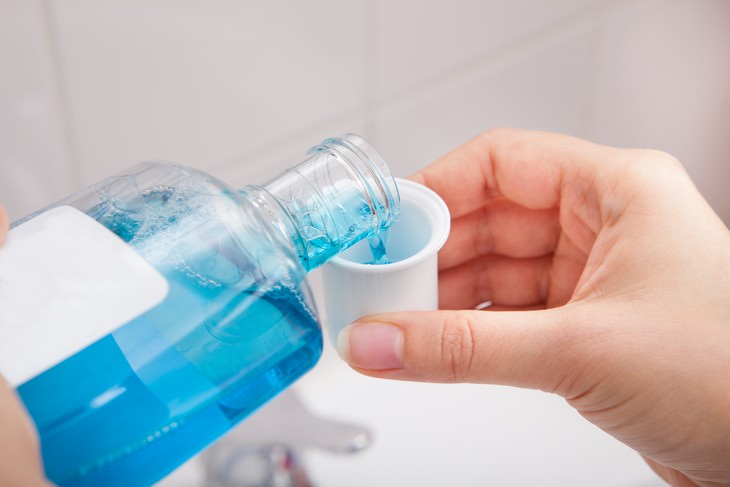
If you want to take extra precautions, or you happened to drop your toothbrush on the floor, there is a simple way to kill the germs by disinfecting it with hydrogen peroxide or antiseptic mouthwash. Hydrogen peroxide can destroy essential components of germs and deactivate a wide range of microorganisms, while Antiseptic mouthwash contains various active ingredients, such as alcohol, menthol, and eucalyptol, which make it extremely effective at killing bacteria. 
 
Here is how to disinfect your toothbrush with Hydrogen peroxide solution or mouthwash: 
 
1. Rinse the bristles thoroughly in water after brushing. 
 
2. Place some antiseptic mouthwash or 3% hydrogen peroxide into a small cup, enough to cover the toothbrush. 
 
3. Soak for about 15 minutes — any longer risks damaging the bristles. 
 
4. Rinse thoroughly with water before using the toothbrush again. 
 
If you want to use a more natural substance, white vinegar or baking soda solution were found to be effective disinfectants, but they will not get rid of all the germs, particularly viruses. For the latter, just mix two teaspoons of baking soda with one cup of water and follow the steps listed above.

5. Replacement 
According to the American Dental Association (ADA) toothbrushes should be replaced every three months, or when the bristles become bent or frayed. When that happens the bush becomes significantly less effective at removing plaque. 
 
You may need to stray from that timeline if someone in your household gets sick. As mentioned earlier, the ill-causing bacteria can potentially spread to nearby bushes. Naturally, it is best to replace it after you overcome illness as well, to protect your family, significant other, or housemates.

This is only for your information, kindly take the advice of your doctor for medicines, exercises and so on.     

https://gscrochetdesigns.blogspot.com. one can see my crochet creations  
https://gseasyrecipes.blogspot.com. feel free to view for easy, simple and healthy recipes    
https://kneereplacement-stickclub.blogspot.com. for info on knee replacement


Labels: , , , , , , , , ,

Sunday, July 19, 2020

10 Personal Care Items that Need to Be Replaced Regularly

Many household items, such as pillows, chopping boards and others, must be replaced from time to time, but in this article, we’d like to bring your attention to personal care items, as our bodies come in close contact with these things on a daily basis, and if these harbor bacteria or toxic substances, our body will regret it immediately. The following 10 personal hygiene products all expire sooner than you’d think and you must replace them regularly:
 

1. Sunscreen

Replace every 3 years maximum.
If you store your sunscreens properly, a bottle should last you about 2-3 years since you bought it. After that, the sunscreen loses its potency and can no longer protect you from the sun as it used to. Make sure you store your sunscreens in a dry place out of direct sunlight and rapid temperature changes. Heat, and not only sunlight, can affect the potency of the sun cream, so don't store it in your car or a part of your home that isn't air-conditioned.

2. Bath Sponges

Replace every month.
Bath sponges are constantly in a humid and hot environment, the perfect breeding ground for fungi and bacteria, so it's a must to replace them every month. If you notice that your sponge has changed color or smells differently, toss it immediately, even if you've had it for less than a month.

3. Toothbrush

Replace every 3-4 months.
You probably know this one, but it doesn't hurt to repeat it: toothbrushes must be replaced every 3-4 months. Like sponges, they can harbor harmful microorganisms, but they also lose their firmness and shape and become less effective at cleaning your teeth with time.

4. Shaving Razor

Replace every 5-7 shaves.
These guidelines pertain to every type of disposable shaving razor. These have to be replaced after 5-7 uses because they become dull and can cause cuts over time. Also, we recommend you don't store your shaving razor in the shower, as the humidity may cause the metal to rust.

5. Hairbrush

Replace every 6 months to a year.
Replacing hairbrushes regularly is very important both for your scalp's health and a good hairdo. Styling products, dust, and your skin tend to accumulate on the brush and mix into a waxy substance that can make your hair look oily and flat over time. Apart from that, an old, dirty brush can scratch and irritate your scalp, causing redness and a dry, flaky scalp. Needless to say, you should clean your brush regularly in addition to replacing it from time to time.
This is only for your information, kindly take the advice of your doctor for medicines, exercises and so on.     

https://gscrochetdesigns.blogspot.com. one can see my crochet creations  
https://gseasyrecipes.blogspot.com. feel free to view for easy, simple and healthy recipes    
https://kneereplacement-stickclub.blogspot.com. for info on knee replacement

Labels: , , , , , , , , , , , , ,

Monday, June 01, 2020

5 Tips to Keep Your Toothbrush Truly Clean

Disinfecting and maintaining cleanliness are some of the most talked-about topics these days, in light of the Covid-19 pandemic. One of the items that should always be kept in pristine condition, no matter what time of the year it is, is the toothbrush. Appropriate cleaning, storage, and replacement of toothbrushes are extremely important to prevent the spread of diseases and maintain oral hygiene. The following tips detail the best ways to do so. 
 

How Toothbrushes Get Contaminated

  • Mouth - Out mouths are home to millions of germs, including those that live in the plaque or on our teeth, such as those responsible for the development of dental caries (cavities) called M. Sutans. Moreover, they come in contact with saliva, blood, oral debris, and toothpaste. It’s no surprise that some of these germs can collect on your toothbrush and be transferred or re-introduced into your mouth during brushing. Even visibly clean toothbrushes can retain some leftover potentially harmful germs.
     
  • Environment - Many people keep their toothbrush in the same space the toilet is found. When the toilet is flushed, the swirling water that removes waste from the bowl may mix up with small particles of the waste, containing bacteria called fecal coliform. According to studies, this bacteria can spread as far as 1.5 feet, and it’s perfectly possible for it to travel to your toothbrush. The same is true about the sink - bacteria and viruses could potentially be spread while you're washing your hands or other items in the sink.
Below we list several toothbrush storage and cleaning tips that can help you prevent the spread of germs.

1. Wash Your Hands Before and After Use

Wash Your Hands is probably something you've heard quite a lot recently. And it isn’t just a piece of empty advice, the fight against coronavirus has really put an emphasis on how effectively a simple hand wash annihilates bacteria. Your hands are the main source of transmission of germs, bacteria, and viruses because they come in contact with the biggest variety of surfaces and objects.
Washing your hands thoroughly for 20 seconds at least, before and after brushing your teeth is the simplest way to prevent unwanted microorganisms from ending up on your toothbrush. “People are vulnerable to the germs that end up on their hands and under their fingernail beds.”

2. Use Warm Water For Rinsing

Don’t underestimate the importance of rinsing your toothbrush well after use to remove any remaining food particles, toothpaste, and plaque debris. Warm water will loosen up the bristles and remove debris more effectively. Additionally, wipe down the handle. because bacteria can build up there as saliva and water run down the brush.
 3. Proper Storage is Essential
5 Tips to Keep Your Toothbrush Truly Clean storage
Correct storage is key when it comes to toothbrush hygiene. Always opt for air drying it after rinsing, as the bacteria that live on toothbrushes are anaerobic, which means they die in the presence of oxygen. It may seem like a good idea to use a cover for the bristles, to prevent contact with contaminated air particles but that is wrong!
Exposure to oxygen will kill most of the germs, while closed containers will make them flourish. Instead of covering the toothbrush, keep it as far away from the toilet as possible, and close the toilet lid before and after flushing. Another common mistake is to keep all of the household members’ toothbrushes in the same holder. This is a popular habit, but it is actually recommended to keep them separate and at a distance from each other, as germs also spread from brush to brush. 

Labels: , , , , , , , ,

Sunday, May 04, 2014

The Truth About Hand Washing and Bacteria

Are you a person that takes care to properly wash your hands? Well, if you answered yes then you are one of a worldwide minority of people who wash their hands. 

Surveys conducted in the United States suggest that while 2/3 of people do wash their hands, 95 percent of them are washing them wrong. In Britain, one experiment found that while 99 percent of the people tested admitted to washing their hands after using the facilities, a camera revealed that only 32% of the men and 64% of the women actually washed their hands with soap and water. 
 
You may be asking 'why did the test subjects lie?' Well the only viable answer to that question is that they sincerely believed that their hands weren't dirty enough to spread disease or infect. But after viewing these unexpected places that are dirtier than your toilet, we promise you will never not wash your hands (or lie about it) again!

washing hands
Keyboards: Your computer keyboard, yes the one you are typing on right now, can have up to 200 times more bacteria than a toilet seat. During a test of the equipment in a busy London office, microbiologists found a few keyboards that were so dirty that they were classified as 150 times the acceptable limit for bacteria. 
The most common bacteria found on the keyboards was Staphylococcus, which lives in our noses, throats, hair and skin. This is the bacteria that spreads when we touch our faces or sneeze into our hands, and fail to wash them after. Many of the items on this list are here because they are heavily ridden with staph. 
washing hands
Restaurant menus: Of course, with everyone touching, sneezing or coughing on the menu in front of them, it's no wonder that they usually carry 100 time more bacteria than a restaurant toilet seat. In fact, a large percentage of food-borne diseases like E. coli spread in restaurants when someone has contaminated hands. 
washing hands
Door knobs: It's not secret that hands are one of the dirtiest parts of the body, so when we touch a door knob, we are spreading all of our germs and then some onto the handle for the next unsuspecting person to pick up. 
washing hands
Your Pillow: Believe it or not, but your pillow is dirtier than a toilet seat! Dead skin cells, dust mites, spores, and other body secretions remain on the pillow you rest your head on every night. Therefore, it is important to change pillow cases once a week to ensure optimal hygiene. 
washing hands
Money: In a recent study in the United Kingdom, it was found that 26 percent of hands have fecal matter on them, as well as 14 percent of banknotes and 10 percent of credit cards. That means any of the money you handle could infect you with the common cold, the flu or even stomach poisoning. 
washing hands
Kitchen sponges: Everything that you make or do in the kitchen involves some form of bacteria. Yet what is meant to be a cleaning vehicle may actually be the dirtiest thing in your house! It has 10 million bacteria per square inch, making a quarter of million times dirtier than your toilet seat. 
washing hands
Cellphones: Your cellphone is packed with bacteria from your hands, face and everything in between. Cellphones are about 10 times dirtier than a toilet seat because we are touching them and spitting into them all day long.
ice
Ice: A recent study of fast food restaurants in the United States found that 70 percent of the ice served has more bacteria than the water in the toilet bowl. We'll take our soda lukewarm!
toothbrush
Toothbrush: Although it may only enter your mouth, your toothbrush is ridden with bacteria. Research has found that one tooth brush can harbor more than 100 million bacteria, including dangerous E. coli bacteria, which can cause diarrhea, and staph. Make sure you change your brush on a regular basis!
light switch
Light switch: The light switch can have up to 217 bacteria per square inch, which means that every time you turn the light on and off, you could be exposed to dangerous bacteria that has accumulated there over time. Make sure that you clean the light switches regularly at your home and office with bleach!

Remember, you should wash your hands thoroughly with antibacterial soap for a total of around 40 seconds to a minute. Make sure the soap reaches a rich lathery consistency before washing it off. If everyone washes their hands the way they should, it is predicted that over a million deaths from disease a year could be prevented. So for your good and the good of all, wash your hands responsibly!


PS- THIS IS ONLY FOR INFORMATION, ALWAYS CONSULT YOU PHYSICIAN BEFORE HAVING ANY PARTICULAR FOOD/ MEDICATION/EXERCISE/OTHER REMEDIES.
PS- THOSE INTERESTED IN RECIPES ARE FREE TO VIEW MY BLOG-
HTTP:GSEASYRECIPES.BLOGSPOT.COM/
FOR INFO ABOUT KNEE REPLACEMENT, YOU CAN VIEW MY BLOG-
HTTP://KNEE REPLACEMENT-STICK CLUB.BLOGSPOT.COM/

FOR CROCHET DESIGNS


HTTP://MY CROCHET CREATIONS.BLOGSPOT.COM

Labels: , , , , , , , , , , , ,