Monday, June 24, 2019

Viruses in kitchen sponges may help fight antibiotic resistance


Researchers have discovered viruses that infect bacteria living in the kitchen sponges which may prove useful in fighting 'superbugs' that cannot be killed by antibiotics alone.

A kitchen  sponge is exposed to all kinds of different microbes, which form a vast microbiome of bacteria, said researchers.

Bacteriophages are the most abundant biological particles on the planet and are typically found wherever bacteria reside. With this understanding, kitchen sponges seemed a likely place to find them.

The researchers isolated bacteria from their own used kitchen sponges and then used the bacteria as bait to find the phages that could attack it.

Two student researchers successfully discovered phages that infect bacteria living in their kitchen sponges.

"Our study illustrates the value in searching any microbial environment that could harbour potentially useful phages," said a student researcher.

The researchers decided to "swap" these two phages and see if they could cross-infect the other person's isolated bacteria. Consequently, the phages did kill the other's bacteria.

"This led us to wonder if the bacteria strains were coincidentally the same, even though they came from two different sponges," said Weiss.

The researchers compared the DNA of both isolated strains of bacteria and discovered that they were both members of the Enterobacteriaceae family.

These bacteria belong to a rod-shaped group of microbes commonly found in faeces, where some cause infections in hospital settings.

Although the strains are closely related, when performing biochemical testing they found chemical variations between them.

"These differences are important in understanding the range of bacteria that a phage can infect, which is also key to determining its ability to treat specific antibiotic-resistant infections," he said.

"Continuing our work, we hope to isolate and characterise more phages that can infect bacteria from a variety of microbial ecosystems, where some of these phages might be used to treat antibiotic-resistant bacterial infections," he said.

THIS IS ONLY FOR INFORMATION, ALWAYS CONSULT YOU PHYSICIAN BEFORE HAVING ANY PARTICULAR FOOD/ MEDICATION/EXERCISE/OTHER REMEDIES.                                    PS- THOSE INTERESTED IN RECIPES ARE FREE TO  VIEW MY BLOG-                                                                                           https://gseasyrecipes.blogspot.com/                                                                                                                                                FOR INFO ABOUT KNEE REPLACEMENT, YOU CAN VIEW MY BLOG-                                                  https:// kneereplacement-stickclub.blogspot.com/                                                                      FOR CROCHET DESIGNS                                                                                                                                                                                     https://gscrochetdesigns.blogspot.com


Labels: , , , ,

Sunday, August 05, 2018

Healthy Habits Which Take Less Than A Minute Each Day !

Good health is something we all desire and do our best to protect, but with busy lives where time is often at a premium, it can be difficult to devote a huge amount of attention to looking after your well being. However, there are some quick and easy ways you can look after different elements of your health. All these habits and tricks take less than a minute to perform, yet can safeguard your health in significant ways. Try to ensure some or all of them are part of your daily routine.
1. Brush Your Tongue in Addition to Your Teeth
We all learn the benefits of brushing our teeth every day to help prevent tooth decay and gum disease, but we may overlook brushing our tongues. The back of your tongue is a breeding ground for germs, and taking just a minute to give it a gentle once-over with your toothbrush after you've cleaned your teeth could help remove all sorts of plaque-causing nasty and lingering food particles. It will also leave you with much fresher breath.
2. Stretch When You Get Out of Bed
For many of us, stretching is a natural, involuntary reaction on some mornings, but it should be something you add to your daily routine regardless. After hours lying still, your muscles need to start pumping again. It takes no more than 20 seconds to have a good stretch - extend your arms above your head, raise on to your toes and keep your body as straight as you can. You should feel the benefits pretty much straight away.
3. Use an SPF Moisturizer or Apply Sunscreen Every Day
When it's hot and the sun is beating down, we become immediately conscious of the need to protect our skin from the harmful rays and often reach for the sunscreen. However, just because it's cloudy does not mean that the sun isn't having an effect on your skin. Studies have shown that people who use SPF 15 sunscreen or a similar strength moisturizer maintain healthier, younger looking skin than those that don't.
4. Leave Your Shoes At the Door
Many people consider it polite to remove their shoes and leave them in the hallway when they enter a home, but there are plenty of us who traipse around our own house with them on before taking them off later. Try to get into the habit of leaving your shoes by the door. It's a logical tip - your shoes carry bacteria (hence the odor), dirt, lawn chemicals and allergens that you don't want to be spreading around the house.
5. Take a Break From Your Screen
Nothing puts more strain on your vision than staring at a computer screen for much of the day. If you are on your computer for a good number of hours over the course of a day, give your eyes a break by following the '20-20-20' rule. For every 20 minutes you are staring at the screen, turn your head and stare at something 20 feet (6 meters) away for 20 seconds. Your vision is too important to be messed with - protect your eyes and this technique will help you maintain your concentration levels for longer too.
6. Microwave Your Kitchen Sponge
If you were asked to name the place in your house that's most likely to be full of germs, you are likely to point to your toilet seat or front door mat. However, research has shown that the kitchen sponge is often the most bacteria-ridden item in your home. It's likely to be used on all sorts of grime and spills, and the chances are that it will also come into contact with raw meat at some point too. You should change the sponge regularly, but in the meantime, zap your sponge in the microwave for 30 seconds every day to kill unwanted germs.
7. Liven Up Your Water
Many people don't drink the recommended daily amount of water every day because they find a glass of plain old H2O a little boring. It takes less than a minute to grab a piece of fruit or a vegetable and chop off a slice to liven it up. Infuse your water with whatever you like - orange, lemon, cucumber, kiwi, strawberries, and peach are all good options and will also help quash your cravings for sugary, fruit drinks. Try to get into the habit of preparing and drinking a glass of infused water every two hours and keep yourself hydrated, while also benefiting from some of the goodness the infusions offer.
8. Manage Your Sneezes
When you have a cold, chances are that you will carry tissues around with you and sneeze into them. However, the reality is that we all sneeze pretty much every day, regardless of whether we are sick or not. Protect both your own health and the well being of others by sneezing into the bend of your elbow if you don't have a tissue on hand. Importantly, this ensures that you don't use your hands, which are likely to be unclean and spread germs. Even better, carry a small bottle of hand sanitizer in your bag or pocket at all times and use it after sneezing.
9. Focus on Your Breathing
Anxiety not only causes great distress at the time, but it also has a negative effect on your overall health. However, focusing on your breathing is a quick and easy way you can alleviate stress and ease your mind. Next time you are feeling anxious, take a minute to breathe slowly and deeply to help dispel the negative emotions, refresh your mind and lower your blood pressure.
10. Drink Your Milk
If you eat healthy cereals, then you need to be aware that up to 40% of the nutrients contained within them dissolve when you add milk. This means that you have to drink the leftover milk in order to benefit from the complete nutritional boost that the likes of Muesli and grain-based cereals provide.
11. Recite the Alphabet as You Wash Your Hands
This may sound like common sense, but although one of the earliest lessons we were taught in childhood is to 'always wash your hands', it's easy to slip out of the habit.  Most of us will give them a quick blast under the tap after we use the toilet or handle food, but we should also wash them when we return from any public place or outdoors - especially during flu season when germs are lurking on door handles and surfaces. You also need to wash them properly - scrubbing them for at least 20 seconds in soap. Reciting the alphabet as you wash them is one way you can make sure you do a sufficient job.
12. Hug a Friend or Family Member
Hugs are not just ways of showing affection or greeting a loved one, they are also healthy for you. There have been a number of studies that have proven the health benefits of regularly cuddling, and they have been found to be an effective stress reliever and a way to lower blood pressure. It only takes a few seconds, and you will be sharing the health benefits with the other person too (although in most situations, it's probably best not to hug complete strangers)!

THIS IS ONLY FOR INFORMATION, ALWAYS CONSULT YOU PHYSICIAN BEFORE HAVING ANY PARTICULAR FOOD/ MEDICATION/EXERCISE/OTHER REMEDIES.                                                                                                                                                                                                        PS- THOSE INTERESTED IN RECIPES ARE FREE TO  VIEW MY BLOG-                                                                                           https://gseasyrecipes.blogspot.com/  

FOR INFO ABOUT KNEE REPLACEMENT, YOU CAN VIEW MY BLOG-                                                                                        https:// kneereplacement-stickclub.blogspot.com/                              
FOR CROCHET DESIGNS                                                                                                                                                                                                                                 https://gscrochetdesigns.blogspot.com

Labels: , , , , , , , , , , , ,

Saturday, October 17, 2015

Simple 1 minute Health Tips

THIS IS ONLY FOR INFORMATION, ALWAYS CONSULT YOU PHYSICIAN BEFORE HAVING ANY PARTICULAR FOOD/ MEDICATION/EXERCISE/OTHER REMEDIES.


PS- THOSE INTERESTED IN RECIPES ARE FREE TO VIEW MY BLOG-
HTTP:GSEASYRECIPES.BLOGSPOT.COM


FOR INFO ABOUT KNEE REPLACEMENT, YOU CAN VIEW MY BLOG
HTTP://KNEE REPLACEMENT-STICK CLUB.BLOGSPOT.COM/

FOR CROCHET DESIGNS- http://My Crochet Creations.blogspot.com/
 
 Brush Your Tongue in Addition to Your Teeth We all learn the benefits of brushing our teeth every day to help prevent tooth decay and gum disease, but you may overlook brushing your tongue. The back of your tongue is a breeding ground for germs, and taking just a minute to give it a gentle once over with your toothbrush after you've cleaned your teeth could help remove all sorts of plaque causing nasty and lingering food particles. It will also leave you with much fresher breath.
 Stretch When You Get Out of Bed
For many of us, stretching is a natural, involuntary reaction on some mornings, but it should be something you add to your daily routine regardless. After hours lying still, you muscles need to start pumping again. It takes no more than 20 seconds to have a good stretch - extend your arms above your head, raise on to your toes and keep your body as straight as you can. You should feel the benefits pretty much straight away.
 Leave Your Shoes At the Door
Many people consider it polite to remove your shoes and leave them in the hallway when you enter a home, but there are plenty of us who traipse around our own house with them on before taking them off later.  Try to get into the habit of leaving your shoes by the door. It's a logical tip - your shoes carry bacteria (hence the odor), dirt, lawn chemicals and allergens that you don't want to be spreading around the house.
 Take a Break From Your Screen
Nothing puts more strain on your vision than staring at a computer screen for much of the day. If you are on your computer for a good number of hours over the course of a day, give your eyes a break by following the '20-20-20' rule. For every 20 minutes you are staring at the screen, turn your head and stare at something 20 feet (6 meters) away for 20 seconds. Your vision is too important to be be messed with - protect your eyes and the technique will help you maintain your concentration levels for longer too.
 Microwave Your Kitchen Sponge
If you were asked to name the place in your house that's most likely to be full of germs, you are likely to point to your toilet seat or front door mat. However, research has shown that the kitchen sponge is often the most bacteria-ridden item in your home. It is likely to be used on all sorts of grime and spills, and the chances are that it will also come into contact with raw meat at some point too. You should change the sponge regularly, but in the mean time, zap your sponge in the microwave for 30 seconds every day to kill unwanted germs.
Healthy drink not just plain Water
Many people don't drink the recommended daily amount of water every day because they find a glass of plain old H2O a little boring. It takes less than a minute to grab a piece of fruit or a vegetable and chop off a slice to liven it up. Infuse your water with whatever you like - orange, lemon, cucumber, kiwi, strawberries and peach are all good options and will also help quash your cravings for sugary, fruit drinks. Try to get into the habit of preparing and drinking a glass of infused water every two hours and keep yourself hydrated, while also benefiting from some of the goodness the infusions offer.
 Manage Your Sneezes

When you have a cold, chances are that you will carry tissues around with you and sneeze into them. However, the reality is that we all sneeze pretty much every day, regardless of whether we are sick or not. Protect both your own health and the well being of others by sneezing into the bend of your elbow if you don't have a tissue on hand. Importantly, this ensures that you don't use your hands, which are likely to be unclean and spread germs. Even better, carry a small bottle of hand sanitizer in your bag or pocket at all times and use it after sneezing.
 Focus on Your Breathing
Anxiety not only causes great distress at the time, but it also has a negative effect on your overall health. However, focusing on your breathing is a quick and easy way you can alleviate stress and ease your mind. Next time you are feeling anxious, take a minute to breathe slowly and deeply to help dispel the negative emotions, refresh your mind and lower your blood pressure.
 Drink Your Milk
If you eat healthy cereals, then you need to be aware that up to 40% of the nutrients contained with in them dissolve when you add milk. This means that you have to drink the leftover milk in order to benefit from the complete nutritional boost that the likes of Muesli and grain-based cereals provide.
 Recite the Alphabet as You Wash Your Hands
This may sound like common sense, but although one of the earliest lessons we we are taught in childhood is to 'always wash your hands', it's easy to slip out of the habit.  Most of us will give them a quick blast under the tap after we use the toilet or handle food, but we should also wash them when we return from any public place or the outdoors - especially during flu season, when germs are lurking on door handles and surfaces. You also need to wash them properly - scrubbing them for at least 20 seconds in soap. Reciting the alphabet as you wash them is one way you can make sure you do a sufficient job.
 Hug a Friend or Family Member
Hugs are not just ways of showing affection or greeting a loved one, they are also healthy for you. There have been a number of studies that have proven the health benefits of regularly cuddling, and they have been found to be an effective stress reliever and a way to lower blood pressure. It only takes a few seconds, and you will be sharing the health benefits with the other person too (although in most situations, it's probably best not to hug complete strangers!)

Labels: , , , , , , , , , , , , , ,

Sunday, May 04, 2014

The Truth About Hand Washing and Bacteria

Are you a person that takes care to properly wash your hands? Well, if you answered yes then you are one of a worldwide minority of people who wash their hands. 

Surveys conducted in the United States suggest that while 2/3 of people do wash their hands, 95 percent of them are washing them wrong. In Britain, one experiment found that while 99 percent of the people tested admitted to washing their hands after using the facilities, a camera revealed that only 32% of the men and 64% of the women actually washed their hands with soap and water. 
 
You may be asking 'why did the test subjects lie?' Well the only viable answer to that question is that they sincerely believed that their hands weren't dirty enough to spread disease or infect. But after viewing these unexpected places that are dirtier than your toilet, we promise you will never not wash your hands (or lie about it) again!

washing hands
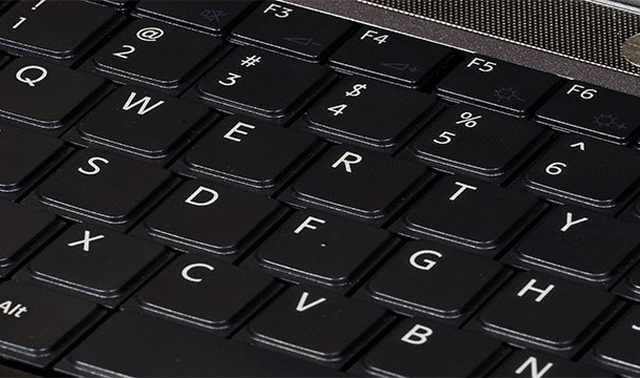
Keyboards: Your computer keyboard, yes the one you are typing on right now, can have up to 200 times more bacteria than a toilet seat. During a test of the equipment in a busy London office, microbiologists found a few keyboards that were so dirty that they were classified as 150 times the acceptable limit for bacteria. 
The most common bacteria found on the keyboards was Staphylococcus, which lives in our noses, throats, hair and skin. This is the bacteria that spreads when we touch our faces or sneeze into our hands, and fail to wash them after. Many of the items on this list are here because they are heavily ridden with staph. 
washing hands
Restaurant menus: Of course, with everyone touching, sneezing or coughing on the menu in front of them, it's no wonder that they usually carry 100 time more bacteria than a restaurant toilet seat. In fact, a large percentage of food-borne diseases like E. coli spread in restaurants when someone has contaminated hands. 
washing hands
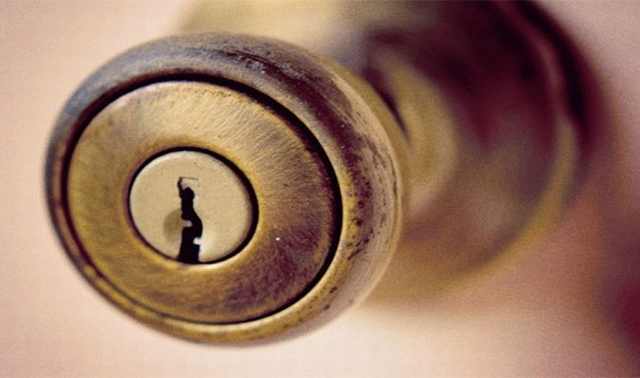
Door knobs: It's not secret that hands are one of the dirtiest parts of the body, so when we touch a door knob, we are spreading all of our germs and then some onto the handle for the next unsuspecting person to pick up. 
washing hands
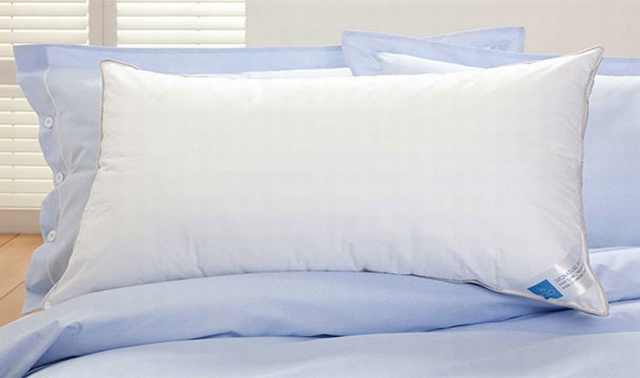
Your Pillow: Believe it or not, but your pillow is dirtier than a toilet seat! Dead skin cells, dust mites, spores, and other body secretions remain on the pillow you rest your head on every night. Therefore, it is important to change pillow cases once a week to ensure optimal hygiene. 
washing hands
Money: In a recent study in the United Kingdom, it was found that 26 percent of hands have fecal matter on them, as well as 14 percent of banknotes and 10 percent of credit cards. That means any of the money you handle could infect you with the common cold, the flu or even stomach poisoning. 
washing hands
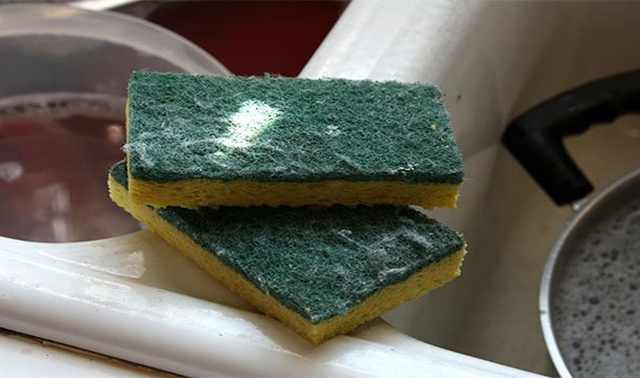
Kitchen sponges: Everything that you make or do in the kitchen involves some form of bacteria. Yet what is meant to be a cleaning vehicle may actually be the dirtiest thing in your house! It has 10 million bacteria per square inch, making a quarter of million times dirtier than your toilet seat. 
washing hands
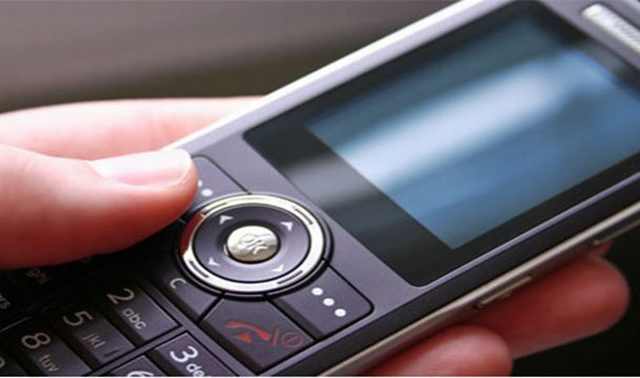
Cellphones: Your cellphone is packed with bacteria from your hands, face and everything in between. Cellphones are about 10 times dirtier than a toilet seat because we are touching them and spitting into them all day long.
ice
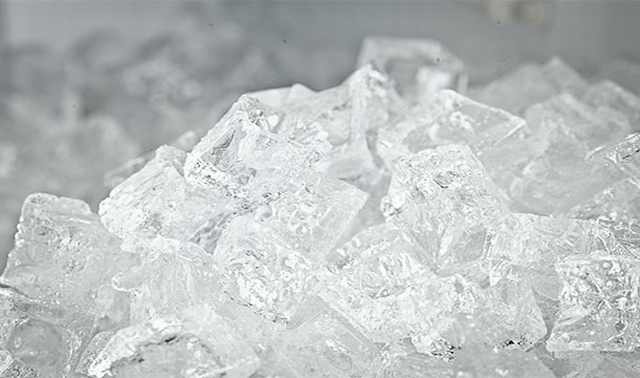
Ice: A recent study of fast food restaurants in the United States found that 70 percent of the ice served has more bacteria than the water in the toilet bowl. We'll take our soda lukewarm!
toothbrush
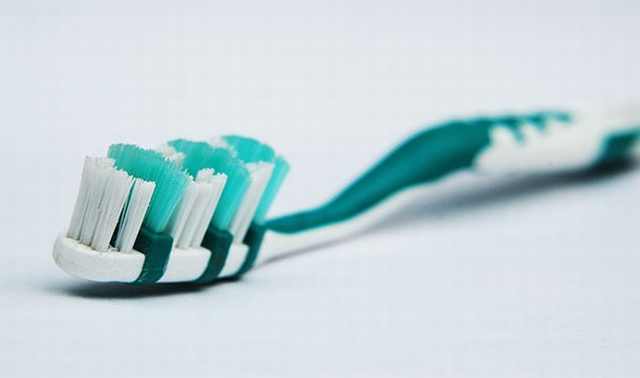
Toothbrush: Although it may only enter your mouth, your toothbrush is ridden with bacteria. Research has found that one tooth brush can harbor more than 100 million bacteria, including dangerous E. coli bacteria, which can cause diarrhea, and staph. Make sure you change your brush on a regular basis!
light switch
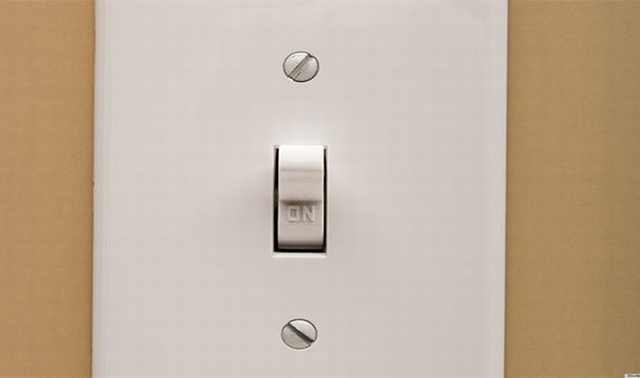
Light switch: The light switch can have up to 217 bacteria per square inch, which means that every time you turn the light on and off, you could be exposed to dangerous bacteria that has accumulated there over time. Make sure that you clean the light switches regularly at your home and office with bleach!

Remember, you should wash your hands thoroughly with antibacterial soap for a total of around 40 seconds to a minute. Make sure the soap reaches a rich lathery consistency before washing it off. If everyone washes their hands the way they should, it is predicted that over a million deaths from disease a year could be prevented. So for your good and the good of all, wash your hands responsibly!


PS- THIS IS ONLY FOR INFORMATION, ALWAYS CONSULT YOU PHYSICIAN BEFORE HAVING ANY PARTICULAR FOOD/ MEDICATION/EXERCISE/OTHER REMEDIES.
PS- THOSE INTERESTED IN RECIPES ARE FREE TO VIEW MY BLOG-
HTTP:GSEASYRECIPES.BLOGSPOT.COM/
FOR INFO ABOUT KNEE REPLACEMENT, YOU CAN VIEW MY BLOG-
HTTP://KNEE REPLACEMENT-STICK CLUB.BLOGSPOT.COM/

FOR CROCHET DESIGNS


HTTP://MY CROCHET CREATIONS.BLOGSPOT.COM

Labels: , , , , , , , , , , , ,