Friday, June 13, 2025

Are You Experiencing Pain? Get More Sleep!

The correlation between sleep deprivation and a heightened sensitivity to pain is not an apparent one, but it may exist. In a 2018 paper, researchers at the University of California, Berkeley established that our brains may turn off their “pain-protection” gear on days we don’t sleep enough. 
 
Now let’s delve a little deeper into the findings of this paper and try to understand what makes us so irritable and grumpy when we sleep too little. 
 
The Experiment 
To examine the connection between pain and no sleep, the researchers conducted an experiment using functional magnetic-resonance imaging (FMRI), during which a number of participants’ brain activity was recorded as they were exposed to a growing heat on one of their legs. 
 
Once the patient noted the heat becoming unbearable this point was established as the pain threshold and the experimenters stopped recording brain activity.
Findings 
 
1. How Did Participants React to Pain? 
The findings surprised even the researchers themselves. Despite the small sample size (25 participants), the experimenters managed to establish that the threshold for thermal pain among the well-rested individuals was 111°F (44°C), whereas the sleep-deprived group could handle 4 degrees less.
 
2. What Brain Regions Could Account for 
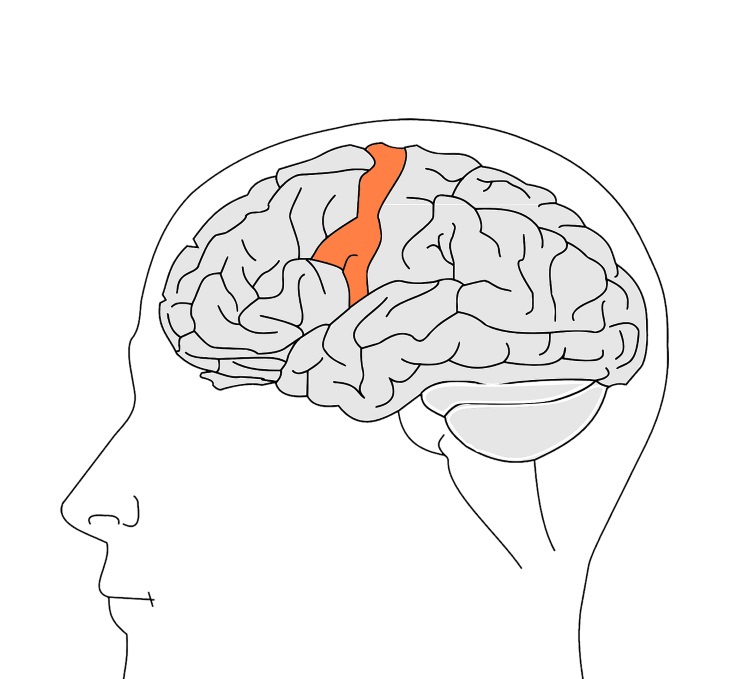
 pain and sleep primary somatosensory cortex
The Different Pain Sensitivity? The region of the brain responsible for the perception of pain, the primary somatosensory cortex (highlighted in orange in the picture), was significantly more responsive in the sleep-deprived individuals.

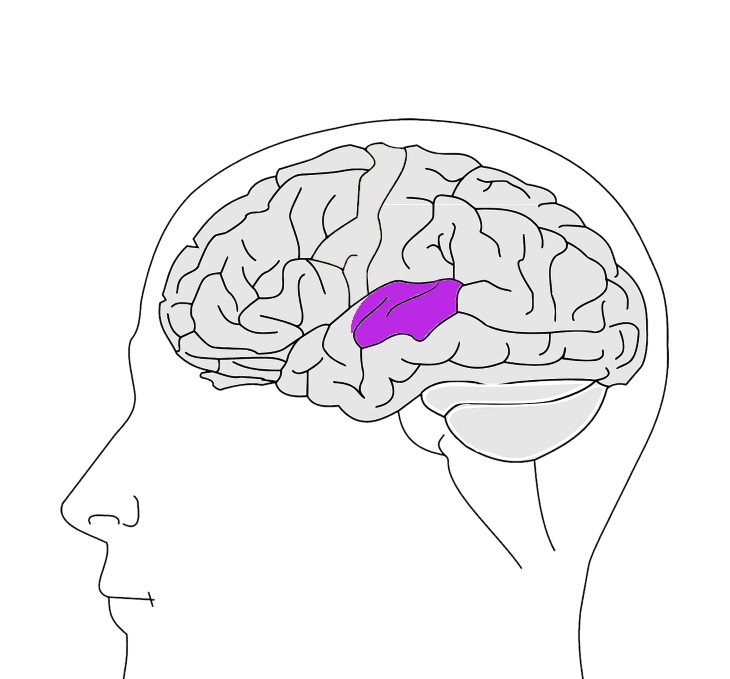
The most interesting and surprising finding, however, was related to other parts of the brain, the striatum and the insula (schematically highlighted below in purple). 
 striatum and insula
These regions are responsible for producing a hormone linked to pain tolerance, among other things, dopamine. The brains of the people who didn’t get enough sleep produced significantly less dopamine, which made them worse at tolerating painful stimuli than the control group.
 
Finally, the researchers conclude that the effect of sleep deprivation can last for several days, with the individuals who got less sleep continuing to be more sensitive to pain days after getting little sleep.


3. What Conclusions Can We Make From This Study? 
These findings opened our eyes to the problem of sleep deprivation-induced pain sensitivity. This is particularly important hospital patients, who can be experiencing more pain because of the noisy hospital rooms in which they have to stay. 
 
The data can also be relevant to people suffering from painful chronic conditions, as a quality sleep could decrease their pain sensitivity. 
 
Finally, it is yet to be discovered if the same pain and no sleep link can be extended to the psychological experiences we have when we don’t get enough sleep: irritability and nervousness. 
 
What remains really clear, however, is that scientists found yet another reason for us to get a good night’s sleep every night. 
 

This is only for your information, kindly take the advice of your doctor for medicines, exercises and so on.   


Labels: , ,

Monday, April 07, 2025

14 Great Ways That You Can Manage Stress and Anxiety

Stress and anxiety are prevalent in today's age, but the overwhelming feelings created, need not dominate and wreak havoc on your life. Overcoming stress is more straightforward than you think. The Anxiety and Depression Association of America (ADAA) have come up with a list of successful coping mechanisms for making depression, stress, and anxiety mere inconveniences. Try a combination of the following strategies. 
 
1. Time Out
14 Great Ways That You Can Manage Stress and Anxiety
When you’re experiencing stress or anxiety, sometimes you need to take a step back. You can try doing yoga, listening to music or getting a massage. Meditating and relaxation techniques can also help ease your mind. When you step away from the problem, it's easier to clear your head.

2. Avoid Alcohol and Caffeine 
While they may seem like an easy, instant fix, they can actually aggravate your anxiety or stress levels, and possibly trigger panic attacks. This does not mean that you need to cut the two out altogether. Rather, limit your daily intake to reduce unwanted stress and aggravation.

3. Get More Sleep  
A lack of sleep will have a negative affect even when you are in the best of health, but it is even worse when you're stressed and anxious. In fact, you need more rest and sleep when you’re stressed so make sure not to cut back on shuteye. 
 
4. Deep Breaths  
Avoid panicking by focusing on your breath. Inhale and exhale slowly. This is an instant relief to an overwhelming feeling. 
 
5. Eat Well-Balanced Meals  
When you’re stressed and anxious you might want to turn to processed snack foods for an instant boost. Alternatively, you may be too anxious to eat and might opt to skip meals. But, for health reasons, it’s important not to do this. Eat whole meals with healthy balanced food choices and keep energy-boosting healthy snacks at hand too. 
 
6. Dedicate Time to Exercise 
 14 Great Ways That You Can Manage Stress and Anxiety
 
Keeping your body active makes you feel good and helps maintain your overall health, which, in turn, can help you fight stress. Fitting exercise into your daily life does not have to take up large chunks of your time. You can break it down into 3 to 5 sessions of 30 minutes per week. You can try things like walking, dancing, biking or even jogging. 
 
7. Do Your Best 
A lot of the time we’re too focused on perfect goals that are hard to achieve, increasing our stress levels. Instead, reset the goal posts, try your best, and be proud of your redefined success. 
 
8. Count to 10  
Breathing deeply, counting to 10, or even 20 can be an instant relief. It sounds childish but counting forces you to focus on your breath, and the numbers can briefly distract your rushed or anxious mind. 
 
9. Perspective  
Accept that you are not God and cannot control everything. It’s important to put your stress into perspective. Consider some other times where you felt stressed and weigh up how relative it is. Have you or others you know had it worse before? 
 
10. Positive Attitude Required  
When facing adversity, stress, or anxiety it’s vital to maintain a positive attitude. Not everyone is a natural optimist, but choosing to focus on the positives can help drive away, or at least replace, negative thoughts, enabling you to get on with the task at hand. 
 
11. Talk it Out
14 Great Ways That You Can Manage Stress and Anxiety
It’s hard to bear stress alone. Talking to somebody, will help offload the stressful emotions. Friends and family can often give you perspective. Seek support on online forums or join a stress support group. For some, seeking a professional who is trained to properly listen is a better option. 
 
12. Get Involved 
Getting actively involved with your community allows you to have a break from everyday stress and lend your skills to a worthy cause. It can also help you create a support network of friends. 
 
 
13. Pinpoint Triggers 
Becoming aware of anxiety triggers can really help you figure out the best way to cope and decide if it can be avoided. It might be work, family, a place or person. Write down the times you feel stressed and see if you can identify a pattern. 
 
14. Laughter is the Best Medicine 
Another way to keep your anxiety at bay is with a healthy dose of laughter. Welcome humor into your life in whichever way you can.


This is only for your information, kindly take the advice of your doctor for medicines, exercises and so on.   


Labels: , , , , , , , , , , ,

Saturday, February 24, 2024

7 Ways to Lower Your Blood Pressure Without Medication

If you’re one of the many people struggling to keep the beast of high blood pressure on a leash, let us make one thing crystal clear: Significantly lowering blood pressure is tough—and often requires taking medication (in many cases, more than one) and making some pretty serious changes to your lifestyle. It’s complicated stuff, and can take some trial and error.

Finding the right balance of medications and switching up your behaviors around food, exercise, and other key parts of the way you live your life can feel challenging for even those who can afford any prescriptions they need, shop at the health food store, and try out the latest fitness studio in town. And yet, many of the people with the greatest risk of high BP and its downstream effects live with limited access to heart-healthy food or medication that’s within their budgets, Estelle Darlyse Jean, MD, a board-certified non-invasive cardiologist with MedStar Heart & Vascular Institute, tells SELF.

One method is through the power of your lifestyle, which, yes, is really freakin’ powerful—even if you’re not taking blood pressure meds, you can often make a big dent in your numbers (and if you are, you can use these tactics to support the meds as they do their thing). Tweaks to your habits can lower blood pressure by at least as much as a single medication, says Dr. Jean. Regardless of your medication situation, moving towards a more blood-pressure-friendly daily routine makes a big impact—and you don’t have to overhaul your entire life to see encouraging results at your next check-up. Here’s where to start.

1. Move your body however you can, as much as you can.

Dr. Jean and Dr. Harris both say that exercise is one of the biggest needle-movers for your blood pressure out there. Moving your body can potentially knock your numbers down by about five mmHg. Your goal: 30-plus minutes of moderate-intensity movement like power walking at least three days a week.

If that feels like a lot, don’t panic; research shows that as little as 30 to 60 minutes of exercise per week has a notable impact on blood pressure. Start where you are and increase as you’re able. You don’t have to log 30 straight minutes of movement at a time either. Little exercise “snacks” add up, so try out tactics like dance parties while making dinner, taking the dog for a spin around the block in the morning, or even pacing around the room while you’re on the phone, per suggestions from Colorado State University.

You can also practice a wall sit while catching up on your favorite show; a recent study found that, while pretty much all forms of movement do good by your BP, isometric exercise (in which you build strength by holding a position, not moving—think planks and chair poses), takes the cake.

2. Reduce your sodium intake.

Sodium is a notorious foe for anyone trying to get their blood pressure down, so minding the salt in your diet is a must-do. Though most Americans consume upwards of 3,400 milligrams of sodium per day (mostly from packaged and restaurant foods), the AHA recommends sticking below 2,300 milligrams—and ideally below 1,500 mg if you have high blood pressure. Research suggests this change alone can pull your BP reading down by up to eight mmHg.

Since packaged and restaurant foods are the primary drivers of high sodium intake, cutting back on those things and cooking more at home go a long way in getting towards that 1,500-milligrams-per-day zone, says Dr. Harris. When you do go for premade foods, make it a habit to read labels and opt for lower-sodium versions of things you eat often, like soups, tomato sauces, canned goods, and condiments, per the AHA.

Be patient here. Your taste buds might miss salt at first, but most people who cut down adjust in time, the AHA says. You can take this opportunity to work in more fresh herbs and spices, plus flavors like lemon juice, so that you’re expanding the flavors of what you eat, not just reducing it.

3. Fill your plate with your favorite fruits and vegetables.

You’ve likely heard of the DASH (Dietary Approaches to Stop Hypertension) diet before—and there’s a reason this fruit- and vegetable-forward eating approach is the going recommendation for all people with high blood pressure! It works, says Harris. “The results are impressive—and comparable to using medication,” she notes.

This meal plan is focused on plant-based foods. It recommends four to five servings each of fruits and vegetables, six servings of whole grains, and two or three servings of low-fat dairy per day, while minimizing added sugar and sodium.

Of course, DASH success is dependent on factors like access to healthy food and the understanding and support of friends and family—and research shows that non-white Americans living in low-income communities are less likely to stick with DASH because of these barriers. But whatever DASH-minded adjustments are possible can help, wherever you’re able to make them in ways that work for you: Thankfully, even small changes make a difference here, says Harris. Do your best to add an extra vegetable or fruit to what you eat every day, and build from there.

When people stick to DASH as much as is realistic, they can reap the benefits to the tune of 4-mmHg improvements in systolic BP and 2-mmHg improvements in diastolic BP.

4. Find new mocktail recipes to try.

If you haven’t hopped on the zero-proof beverage bandwagon yet, your invitation has arrived. Not only does drinking more alcohol than the standard rec of one drink per day for women and two for men raise blood pressure, but it can also make BP medications less effective, according to Dr. Jean. In fact, research shows that alcohol has a “direct and linear” relationship with systolic blood pressure (the first number in your BP reading), meaning that the more you drink, the higher that number creeps.

Though any cuts you make to your alcohol consumption move the needle for heart health, Dr. Jean recommends doing your best to stick to that general recommendation of a drink per day for women and two for men. (“One drink” equals five ounces of wine, 12 ounces of beer, or 1.5 ounces of liquor.) The good news is that mocktails are huge right now, and there are many delicious ways to enjoy an adult beverage without consequences for your heart.

5. Make whatever tweaks you can to get more sleep.

When surviving modern life requires juggling work, family, health, and a million other things with circus-level skill, it’s understandable that getting to bed early or sleeping until the sun rises can feel like a pipe dream. But if the only thing standing between you and slumber is your Netflix queue, you won’t regret prioritizing extra time between the sheets.

“Getting a quality night’s sleep—which means seven-plus hours—cannot be overlooked” in terms of blood pressure management, says Dr. Jean. “Insufficient sleep can lead to hypertension, as well as other heart health risks.” It’s true: Research shows that poor sleep patterns (which include not sleeping for long enough, sleep disorders, and general “trouble sleeping”) all up your risk of high blood pressure.

Do your best to stick to a regular sleep schedule (even on weekends!), give yourself some quiet time before getting into bed (read: no screens), and create a relaxing sleep routine that helps you cut down on stress and actually doze off, Dr. Jean suggests.

And, when in doubt…take a nap. That’s right, research suggests that snagging extra sleep during the day can be as helpful as other lifestyle changes for getting a handle on high BP. So if the opportunity for a midday crash presents itself, take it.

6. Get some good bacteria in the mix.

Probiotics have been buzzy for some time now—and touted to ease digestion and support immune health. Well, consider them a friend to your blood pressure, too. Scientists believe that imbalances in the complex ecosystem that is the billions of microbes inhabiting our digestive tract contribute to hypertension—and ongoing research (which includes clinical trials!) suggests that probiotics can help restore balance.

One recent meta-analysis published in Hypertension found that taking a multi-strain probiotic (that contains more than 10 billion CFUs, or colony-forming units) for at least eight weeks has a positive impact on blood pressure. We have more to learn here, but talk to your doctor about whether increasing probiotic-rich foods is a worthy addition to your beating-high-BP plan.

7. Take good care of your precious brain.

Stress can wreak havoc on pretty much every aspect of our health, so it’s no shock that it leaves its mark on our blood pressure. A growing body of scientific evidence identifies that social stressors, work stress, as well as low socioeconomic status and discrimination, all increase the risk of hypertension.

While no mere mortal can bubblewrap themself tightly enough to avoid all stress, you can get serious about reducing the impact of those inevitable stressors. Dr. Jean’s go-tos for feeling less on edge are yoga, meditation, breathing exercises, and mindfulness practices. One study on people with high blood pressure also found that participating in a mindfulness-based program that emphasized skills such as meditation, yoga, emotional regulation, and self-awareness contributed to a 5.9-mmHg drop in systolic blood pressure. (If meditation feels intimidating, here’s how to get started.)

Think of all of these ideas as tools in your toolbox for keeping your blood flowing in the way it should be—whether or not you’re taking medication, they can seriously help your heart out. Of course, whatever your situation, talk to a cardiologist about what’s best for you: While all of these tweaks to your routine are proven to have positive effects, you might need a little more support in the form of hypertension meds—and if that’s a part of your toolbox too? That’s one more thing setting you in the right direction here.


This is only for your information, kindly take the advice of your doctor for medicines, exercises and so on.   

https://gscrochetdesigns.blogspot.com. one can see my crochet creations  
https://gseasyrecipes.blogspot.com. feel free to view for easy, simple and healthy recipes    
https://kneereplacement-stickclub.blogspot.com. for info on knee replacement
https://cancersupportindia.blogspot.com  for infor on cancer and health related topics
https://GSiyers home remedies.blogspot.com   is the latest addition to my blogs. I'm going to add posts there, do give me your valuable feed back on my blogs. Thanks a lot, take care, be healthy and be happy.


Labels: , , , , , , , , ,

Wednesday, December 11, 2019

Feeling Stressed or Anxious? Here's How You Can Beat It!

Stress and anxiety are prevalent in today's age, but the overwhelming feelings created, need not dominate and wreak havoc on your life. Overcoming stress is more straightforward than you think. The Anxiety and Depression Association of America (ADAA) have come up with a list of successful coping mechanisms for making depression, stress, and anxiety mere inconveniences. Try a combination of the following strategies. 

1. Time out
When you’re experiencing stress or anxiety, sometimes you need to take a step back. You can try doing yoga, listening to music or getting a massage. Meditating and relaxation techniques can also help ease your mind. When you step away from the problem, it's easier to clear your head.
2. Avoid Alcohol and Caffeine 
While they may seem like an easy, instant fix, they can actually aggravate your anxiety or stress levels, and possibly trigger panic attacks. This does not mean that you need to cut the two out altogether. Rather, limit your daily intake to reduce unwanted stress and aggravation.
3. Get More Sleep  A lack of sleep will have a negative affect even when you are in the best of health, but it is even worse when you're stressed and anxious. In fact, you need more rest and sleep when you’re stressed so make sure not to cut back on shuteye.
4. Deep Breaths  Avoid panicking by focusing on your breath. Inhale and exhale slowly. This is an instant relief to an overwhelming feeling.
5. Eat Well-Balanced Meals  When you’re stressed and anxious you might want to turn to processed snack foods for an instant boost. Alternatively, you may be too anxious to eat and might opt to skip meals. But, for health reasons, it’s important not to do this. Eat whole meals with healthy balanced food choices and keep energy-boosting healthy snacks at hand too.  
6. Dedicate Time to Exercise 
Keeping your body active makes you feel good and helps maintain your overall health, which, in turn, can help you fight stress. Fitting exercise into your daily life does not have to take up large chunks of your time. You can break it down into 3 to 5 sessions of 30 minutes per week. You can try things like walking, dancing, biking or even jogging.
7. Do Your Best A lot of the time we’re too focused on perfect goals that are hard to achieve, increasing our stress levels. Instead, reset the goal posts, try your best, and be proud of your redefined success.  

8. Count to 10 Breathing deeply, counting to 10, or even 20 can be an instant relief. It sounds childish but counting forces you to focus on your breath, and the numbers can briefly distract your rushed or anxious mind.

9. Perspective Accept that you are not God and cannot control everything. It’s important to put your stress into perspective. Consider some other times where you felt stressed and weigh up how relative it is. Have you or others you know had it worse before?

10. Positive Attitude Required  When facing adversity, stress, or anxiety it’s vital to maintain a positive attitude. Not everyone is a natural optimist, but choosing to focus on the positives can help drive away, or at least replace, negative thoughts, enabling you to get on with the task at hand.

11. Talk it Out
It’s hard to bear stress alone. Talking to somebody, will help offload the stressful emotions. Friends and family can often give you perspective. Seek support on online forums or join a stress support group. For some, seeking a professional who is trained to properly listen is a better option.
12. Get Involved  Getting actively involved with your community allows you to have a break from everyday stress and lend your skills to a worthy cause. It can also help you create a support network of friends.

13. Pinpoint Triggers  Becoming aware of anxiety triggers can really help you figure out the best way to cope and decide if it can be avoided. It might be work, family, a place or person. Write down the times you feel stressed and see if you can identify a pattern.

14. Laughter is the Best Medicine  Another way to keep your anxiety at bay is with a healthy dose of laughter. Welcome humor into your life in whichever way you can.

this is only for your information, kindly take the advice of your doctor for medicines, exercises and so on.     
https://gscrochetdesigns.blogspot.com. one can see my crochet creations  
https://gseasyrecipes.blogspot.com. feel free to view for easy, simple and healthy recipes    
https://kneereplacement-stickclub.blogspot.com. for info on knee replacement


Labels: , , , , , , , , , , , , , , , , , ,

Saturday, December 08, 2018

Sleeping too much is bad for you

Turns out, sleeping more than six to eight hours a night is associated with an  increased risk of death and cardiovascular diseases.

According to a recent study, people sleeping more than the recommended upper limit of eight hours increased their risk of major cardiovascular events, like stroke or heart failure, as well as death by up to 41 per cent.

But a possible reason for this could be that people have underlying conditions causing them to sleep longer, which in turn could raise the risk of cardiovascular disease or death, explained the authors of the study.

The team also identified a rising risk among daytime nappers.
“Daytime napping was associated with increased risks of major cardiovascular events and deaths in those with [more than] six hours of nighttime sleep but not in those sleeping [less than] 6 hours a night,” said a researcher.

People who under sleep a daytime nap compensate for the lack of sleep at night and mitigate the risks.

The researchers also reported that having less sleep, under six hours, can increase the risks by nine per cent, compared to people who slept for the recommended six to eight hours.

THIS IS ONLY FOR INFORMATION, ALWAYS CONSULT YOU PHYSICIAN BEFORE HAVING ANY PARTICULAR FOOD/ MEDICATION/EXERCISE/OTHER REMEDIES.                                                                                                                                                                                                                                                                                        PS- THOSE INTERESTED IN RECIPES ARE FREE TO  VIEW MY BLOG-                                                                                           https://gseasyrecipes.blogspot.com/                                                                                                                                                                             FOR INFO ABOUT KNEE REPLACEMENT, YOU CAN VIEW MY BLOG-                                                                                                                             https:// kneereplacement-stickclub.blogspot.com/                                                                                       FOR CROCHET DESIGNS                                                                                                                                                                                                                                 https://gscrochetdesigns.blogspot.com

Labels: , , , , , ,