Are You Experiencing Pain? Get More Sleep!
The correlation between sleep deprivation
and a heightened sensitivity to pain is not an apparent one, but it may
exist. In a 2018 paper, researchers at the University of California,
Berkeley established that our brains may turn off their
“pain-protection” gear on days we don’t sleep enough.
Now let’s delve a little deeper into the findings of this paper and try
to understand what makes us so irritable and grumpy when we sleep too
little.
The Experiment
To examine the connection between pain and no sleep, the researchers
conducted an experiment using functional magnetic-resonance imaging
(FMRI), during which a number of participants’ brain activity was
recorded as they were exposed to a growing heat on one of their legs.
Once the patient noted the heat becoming unbearable this point was
established as the pain threshold and the experimenters stopped
recording brain activity.
Findings
1. How Did Participants React to Pain?
The findings surprised even the researchers themselves. Despite the
small sample size (25 participants), the experimenters managed to
establish that the threshold for thermal pain among the well-rested
individuals was 111°F (44°C), whereas the sleep-deprived group could
handle 4 degrees less.
2. What Brain Regions Could Account for
The Different Pain Sensitivity?
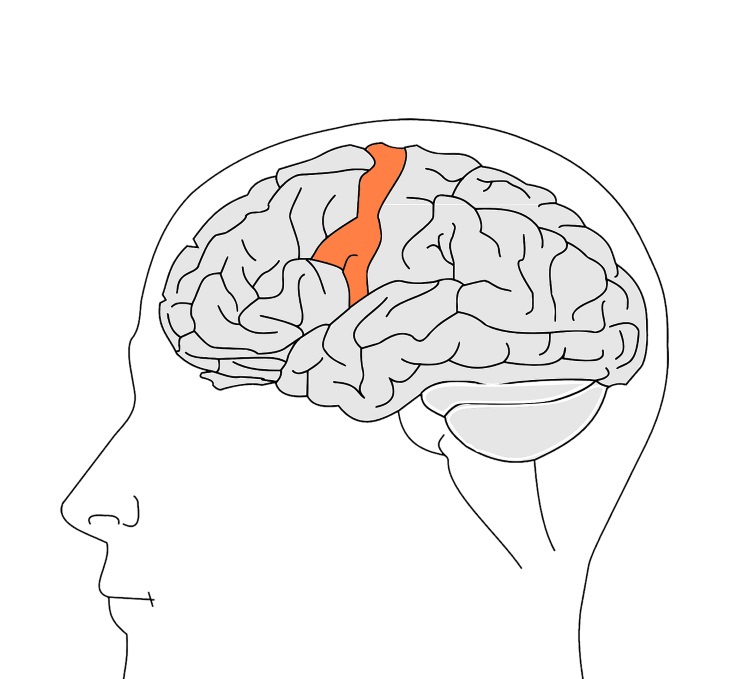
The region of the brain responsible for the perception of pain, the
primary somatosensory cortex (highlighted in orange in the picture), was significantly more responsive in the sleep-deprived
individuals.
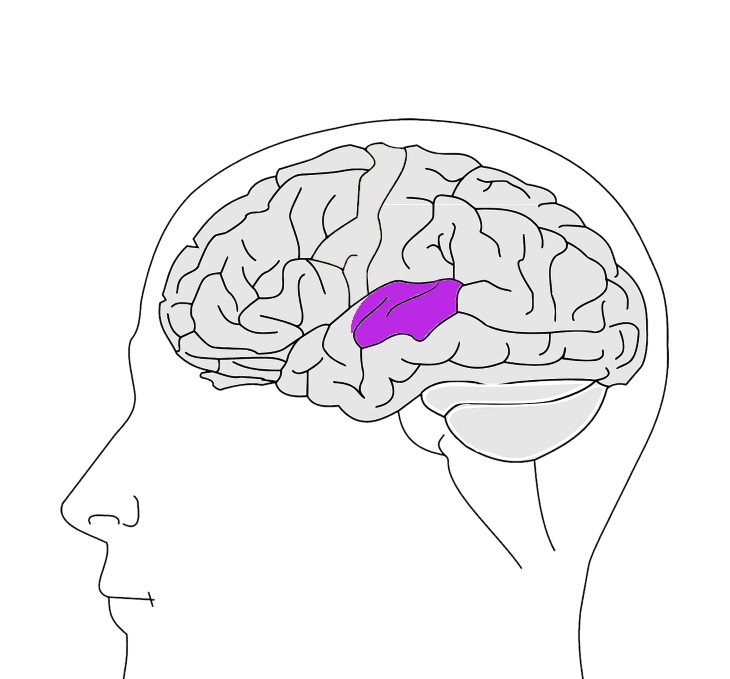
The most interesting and surprising
finding, however, was related to other parts of the brain, the striatum
and the insula (schematically highlighted below in purple).
These regions are responsible for producing a hormone linked to pain
tolerance, among other things, dopamine. The brains of the people who
didn’t get enough sleep produced significantly less dopamine, which made
them worse at tolerating painful stimuli than the control group.
Finally, the researchers conclude that the effect of sleep deprivation
can last for several days, with the individuals who got less sleep
continuing to be more sensitive to pain days after getting little sleep.
3. What Conclusions Can We Make From This
Study?
These findings opened our eyes to the problem of sleep
deprivation-induced pain sensitivity. This is particularly important
hospital patients, who can be experiencing more pain because of the
noisy hospital rooms in which they have to stay.
The data can also be relevant to people suffering from painful
chronic conditions, as a quality sleep could decrease their pain
sensitivity.
Finally, it is yet to be discovered if the same pain and no sleep
link can be extended to the psychological experiences we have when we
don’t get enough sleep: irritability and nervousness.
What remains really clear, however, is that scientists found yet another
reason for us to get a good night’s sleep every night.