6 best foods that are known to instantly reduce blood sugar and minimise the risk of diabetes
How to reduce blood sugar levels just by food
Blood
sugar levels go unnoticed, until they don’t. When they rise beyond
normal, it can lead to fatigue, brain fog, and even long-term issues
like diabetes. The fascinating part is that certain foods, if chosen
wisely, can help bring blood sugar back to balance quite quickly and
also create a long-term buffer against type 2 diabetes. While there's no
magic ingredient, a few foods have gained strong credibility. This
isn't just about what’s trending, this is about what truly works.
Fenugreek seeds
Fenugreek seeds reduce blood sugar spikes post meals. This one holds strong ground. Fenugreek contains soluble fiber which slows down the digestion and absorption of carbohydrates. That means sugars don't rush into the bloodstream suddenly.
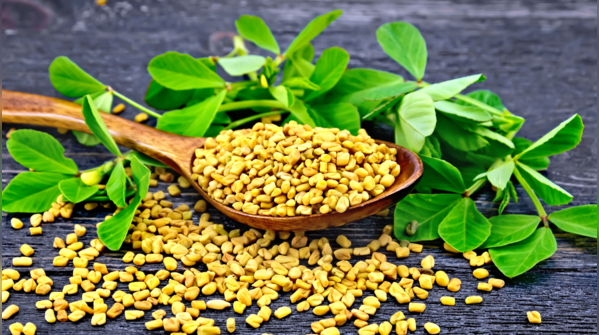
In fact, studies have shown that regular intake of fenugreek seeds can improve insulin
sensitivity and lower fasting blood glucose. It’s best soaked overnight
and consumed in the morning on an empty stomach—something Ayurveda has
quietly endorsed for centuries.
Jamun
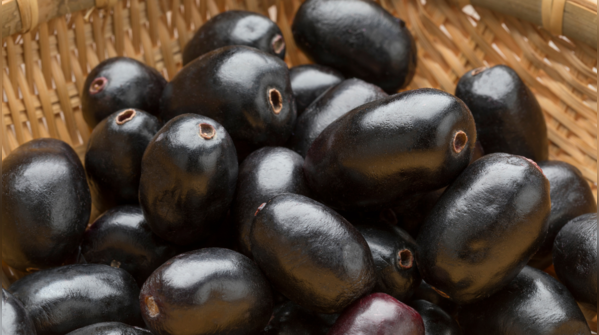
Not
entirely instant, but very effective. Jamun seeds contain jamboline and
jambosine, compounds known to slow down the conversion of starch into
sugar.
A study confirmed that both the pulp and seed powder of Jamun help in improving
glucose tolerance. Especially during the fruit's season, having a
handful daily can support blood sugar management naturally. The effect
is gentle, not drastic, but very real when consumed regularly.
Cinnamon
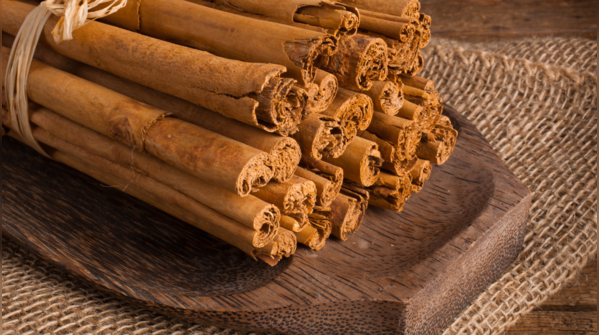
Ceylon
cinnamon, not the common Cassia variety, is the one backed by research.
This aromatic spice mimics insulin and increases glucose transport into
cells.
A study reported that as little as 1g of cinnamon daily significantly reduced
blood sugar levels in people with type 2 diabetes. But the key is
consistency and the right variety. It’s not an instant dropper, but a
smart daily ally in sugar control.
Green ladyfinger (Okra)
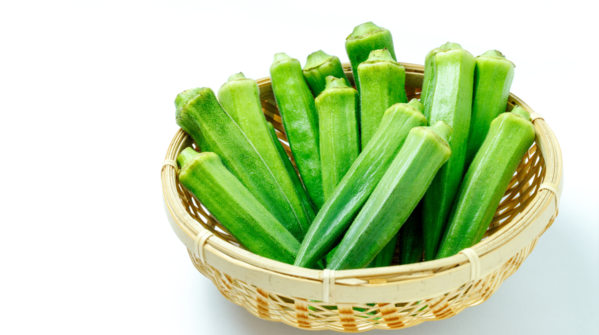
It sounds like a folk tale, but it isn’t without merit. Okra is rich in
mucilage, a gel-like substance that slows down sugar absorption in the
intestines.
okra can reduce postprandial (after meal) blood
glucose levels. Drinking water infused with slit okra pods overnight may
help—not drastically, but enough to stabilise sugar swings over time.
Bael leaves
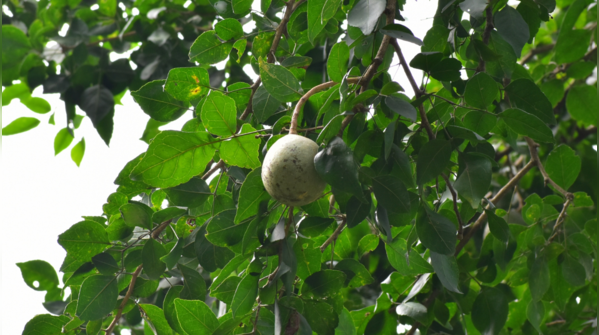
This
one isn’t as popular globally but is deeply rooted in Indian herbal
wisdom. Bael leaves have compounds like aegeline and marmelosin, which
are believed to help the pancreas release more insulin.
Though
not widely commercialised, consuming fresh bael leaf juice in moderation
has been part of traditional diabetes care in many rural households.
Chia seeds
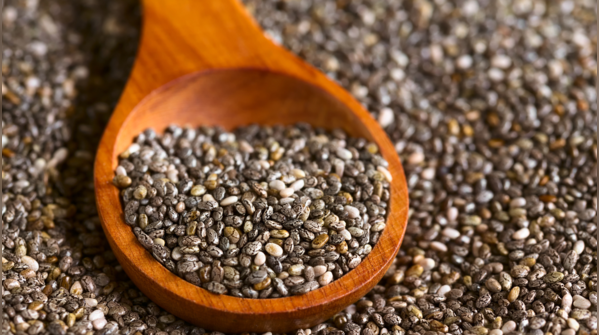
Absolutely true. With their high soluble fiber and omega-3 content,
chia seeds form a gel when soaked. This gel slows down the digestion of
food and the release of glucose into the bloodstream.
Adding soaked chia to a morning smoothie or a bowl of curd can quietly guard against sugar surges.
Why is it important to control blood sugar?
Controlling blood sugar is paramount for preventing a cascade of serious health complications that can arise from consistently high glucose levels. When blood sugar remains elevated over time, it damages blood vessels and nerves throughout the body, leading to issues like heart disease, stroke, kidney failure, blindness, and nerve damage (neuropathy) in the extremities, which can result in foot ulcers and even amputations. Furthermore, poor blood sugar control weakens the immune system, making individuals more susceptible to infections and slower wound healing
What are the damages caused by high blood pressure in our body?
High blood pressure, or hypertension, silently damages the body over time by forcing blood against artery walls with excessive force. This constant pressure can lead to the hardening and narrowing of arteries (atherosclerosis), reducing blood flow to vital organs. Consequences include increased risk of heart attack, stroke, heart failure (as the heart works harder and can become enlarged and weakened), kidney disease or failure due to damage to kidney blood vessels, vision loss from impaired blood flow to the eyes, and even vascular dementia or cognitive impairment as brain blood vessels are affected.
Exercise and move more
Lifestyle changes such as diet and exercise too can help.
Diet

Also ensure to eat a nutritious and well-balanced diet.
Move more
Movement can help to manage diabetes.
Don't overdo
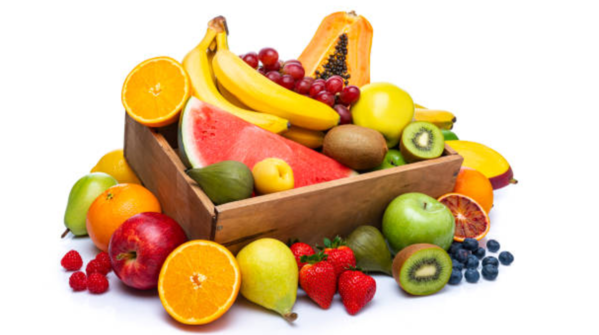
Consume in moderation.
Eat healthy
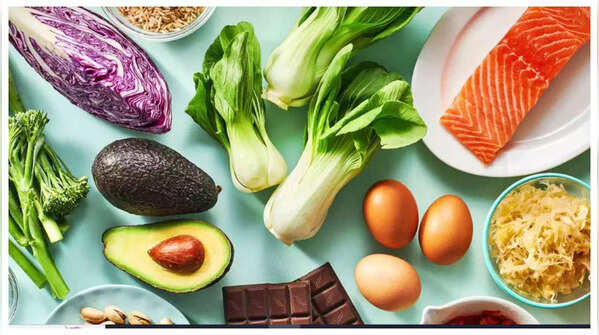
Eat healthy and keep yourself happy.
Get some exercise
Exercise keeps you fit and healthy.