Saturday, February 24, 2018

Weight loss linked to healthy eating not genetics

The amount and quality of food and not a persons genetics will lead to weight loss, a study has found.

It has been suggested that variations in genetic makeup make it easier for some people to lose weight than others on certain diets.

To test this theory researchers at Stanford University conducted a randomised control trial involving 609 overweight adults, who all underwent genetic and insulin testing before being randomly assigned to either a low-fat or low-carb diet for 12 months.

Gene analyses identified variations linked with how the body processes fats or carbohydrates. But weight loss averaged around 5kg to 6kg at follow-up regardless of genes, insulin levels or diet type.

What seemed to make a difference was healthy eating, researchers said.

Participants who ate the most vegetables and consumed the fewest processed foods, sugary drinks and unhealthy fats lost the most weight.

Participants had 22 health education classes during the study and were encouraged to be physically active but the focus was on what they ate. 

They were advised to choose high-quality foods but were not given suggested calorie limits nor were they provided with specific foods. Results are based on what they reported eating.

Fat intake in the low-fat group averaged 57 grams during the study versus 87 grams beforehand, while carb intake in the low-carb group averaged 132 grams versus 247 grams previously. 

Both groups reduced their daily calorie intake by an average of about 500 calories.

THIS IS ONLY FOR INFORMATION, ALWAYS CONSULT YOU PHYSICIAN BEFORE HAVING ANY PARTICULAR FOOD/ MEDICATION/EXERCISE/OTHER REMEDIES.    
PS- THOSE INTERESTED IN RECIPES ARE FREE TO VIEW MY BLOG-                      
HTTP:GSEASYRECIPES.BLOGSPOT.COM/
FOR INFO ABOUT KNEE REPLACEMENT, YOU CAN VIEW MY BLOG-                                                     
HTTP://KNEE REPLACEMENT-STICK CLUB.BLOGSPOT.COM/
FOR CROCHET DESIGNS

HTTP://MY CROCHET CREATIONS.BLOGSPOT.COM

Labels: , , , , , , , ,

Tuesday, April 01, 2014

Want to lose weight? Eat breakfast at 7.11 am and dinner at 6:14 pm

A new survey claims that one of the ways to lose weight, is to eat breakfast at 7.11 am.
The survey, conducted by Forza Supplements, reached upon this conclusion after studying the response of around 1,000 participants. During the survey, the researchers had asked dieters to recommend the perfect time to eat. 
Lee Smith, managing director of the firm, said that the most important factor for most of the dieters is not the amount of food they consume but when they eat.
Smith continued that the after survey it was found that best times were 7.11 am for breakfast, 12.38 pm for lunch and 6.14 pm for dinner. 
Most dieters recommended that low-fat snacks should be used as supplements if someone feels hungry in later morning or mid-afternoon. Breakfast considered by nutritionists as the most important meal of the day and diet experts suggest that one should take healthy breakfast. Skipping breakfast on a regular basis can cause several health problems.
The results showed that a convincing 84% of dieters believed that sticking to specific meal times was crucial for slimming down.
The slimmers also agreed with the idea that eating dinner early can help with weight loss, as 67% recommended eating before 7 pm.
More than half of the dieters find that the hours between 6 pm and 10 pm is when they give in to their cravings, with 62% admitting that snacking past 8pm in front of the television was the real killer.
Smith said, "The results show that breakfast really is the most important meal of the day for successful dieters."

ps- this is only for information, always consult you physician before having any particular food/ medication/exercise/other remedies.
ps- those interested in recipes are free to view my blog-
http://gseasyrecipes.blogspot.com/
for info about knee replacement, you can view my blog-
http://Knee replacement-stick club.blogspot.com/

for crochet designs


http://My Crochet Creations.blogspot.com

Labels: , , , , ,

Tuesday, September 17, 2013

7 Foods That Can Lower Blood Pressure

Oranges
Oranges are bursting with vitamin C, and some studies suggest that people who get lots of vitamin C in their diet may reduce their risk of developing high blood pressure.
Best bet: eat the whole fruit for some extra fiber along with the vitamin C.
Other sources of vitamin C: Guava, grapefruit, broccoli, tomatoes, strawberries, bell peppers, kiwi
Try this: Toss together a fresh citrus salad of peeled sliced oranges, shaved fennel, thinly sliced onion, olives and a drizzle of extra virgin olive oil.

Low-fat or skim Milk
Getting enough of the white stuff isn’t just good for your bones. Milk and other dairy products contain a trio of nutrients that may push down your blood pressure: calcium, potassium and magnesium. These nutrients are so important that the DASH diet (short for Dietary Approaches to Stop Hypertension) includes two to three daily servings of nonfat or low-fat dairy products.
Best bet: Stay away from artery-clogging saturated fats by choosing nonfat dairy products.
Other sources of calcium, potassium and magnesium: Hazelnuts, wheat bran, calcium-fortified orange juice
Try this: Whip up a healthy version of an old-fashioned milkshake by blending skim milk, frozen strawberries and nonfat vanilla frozen yogurt.

Bananas
If your blood pressure has been inching up lately, make bananas your go-to fruit—they’re rich in potassium and fiber. A diet with plentiful potassium-rich foods has been shown to help lower blood pressure.
Best bet: Bananas taste sweetest when their skins are slightly speckled with brown but they’re still firm.
Other good sources of potassium: Potatoes, tomato paste, apricots, lentils
Try this: For a guilt-free dessert or breakfast, top banana slices with plain low-fat yogurt and a sprinkle of cinnamon.

Sweet Potatoes
This super-sweet Thanksgiving staple packs a powerful potassium punch, which is why it deserves a spot at the dinner table year round. Potassium causes the kidneys to excrete excess sodium from the body, and keeping sodium levels low can help drive down blood pressure.
Best bet: Eat them with the skin for a tasty fiber boost.
Other sources of potassium: Beet greens, white beans, plain nonfat yogurt
Try this: Bump up the potassium content of potato salad. Boil sweet potatoes, then combine them with chopped apple, diced celery and sliced scallions. Toss with a dressing of olive oil, cider vinegar and honey.

Herbs and spices
Salt may be off-limits when you’re trying to lower your blood pressure, but you can spice up your dishes with fresh herbs. It’s stocked with wonderful dried herbs and spices that are naturally sodium free.
Other sources for flavour: Onions, garlic, balsamic vinegar, lemon juice
Try this: Make an exotic spice mix by combining Aleppo or Maras pepper with ground cumin, lemon zest, Greek oregano and chopped cilantro.

Salmon
Few foods have more heart-healthy benefits than this nutritional superstar. Salmon is rich in omega-3 fatty acids, which studies suggest not only lower blood pressure, but may also boost good cholesterol, cut triglycerides and slow the growth of arterial plaque.
Best bet: Turn it into a supper staple. Salmon and other omega-3-rich fish are so good for your heart that the American Heart Association recommends eating two 3.5-ounce servings per week. Canned or pouched salmon is just as good: Instead of tuna, mix it with nonfat yogurt and diced celery to make a tasty sandwich spread, or toss it with greens and other veggies for a main-dish salad. It’s available with or without bones and skin.
Other sources of omega-3 fatty acids: Herring, mackerel, sardines, anchovies
Try this: Give grilled or broiled salmon steaks or filets a tropical flair with a fresh and spicy salsa. Combine diced papaya, mango, pineapple, red bell pepper and red onion with chopped cilantro, olive oil and lime juice.

Dark Chocolate
The next time you crave chocolate, give in. Besides their mood-boosting effects, the flavonols in dark chocolate may protect against high blood pressure and stroke, in part by improving the elasticity of blood vessels.
Best bet: When choosing chocolate, go as dark as your taste buds can stand. Check labels for the percentage of cacao, which is the source of all that antioxidant goodness. Dark chocolate typically ranges from 45 percent to 80 percent cacao. And eat a square, not the whole bar.
Another healthy chocolate treat: Sugar-free hot cocoa—in one study it lowered blood pressure, but the sugared kind did not.
Try this: “Toast slices of chewy whole-wheat bread, then brush them with fruity extra virgin olive oil while they’re still warm. Sprinkle the slices with Aleppo or Maras pepper to taste, and top with shavings of good quality dark chocolate.

ps- this is only for information, always consult you physician before having any particular food/ medication/exercise/other remedies.

ps- those interested in recipes are free to view my blog-

http://gseasyrecipes.blogspot.com/


for info about knee replacement, you can view my blog-


http://Knee replacement-stick club.blogspot.com/


for crochet designs


http://My Crochet Creations.blogspot.com

Labels: , , , , , , , , , , , , , , , ,

Sunday, August 25, 2013

OVARIAN CANCER GUIDE

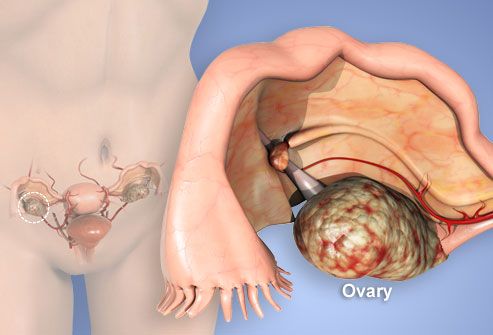
Illustration Of Ovarian Cancer

What Is Ovarian Cancer?
This cancer begins in the ovaries, the twin organs that produce a woman's eggs and the main source of  the female hormones estrogen and progesterone. Treatments for ovarian cancer have become more effective in recent years, with the best results seen when the disease is found early.
Ovarian Cancer Symptoms
Symptoms include:
Bloating or pressure in the belly
Pain in the abdomen or pelvis
Feeling full too quickly during meals
Urinating more frequently
These symptoms can be caused by many conditions that are not cancer. If they occur daily for more than a few weeks, report them to your health care professional.

Risk Factor: 1)Family History
A woman's odds of developing ovarian cancer are higher if a close relative has had cancer of the ovaries, breast, or colon. Researchers believe that inherited genetic changes account for 10% of ovarian cancers. This includes the BRCA1 and BRCA2 gene mutations, which are linked to breast cancer.  Women with a strong family history should talk with a doctor to see whether closer medical follow-up could be helpful.

Risk Factor: 2) Age
The  strongest risk factor for ovarian cancer is age. It's most likely to develop after a woman goes through menopause. Using postmenopausal hormone therapy may increase the risk. The link seems strongest in women who take estrogen without progesterone for at least 5 to 10 years. Doctors are not certain whether taking a combination of estrogen and progesterone boosts the risk as well.

Risk Factor: 3) Obesity
Obese women have a higher risk of getting ovarian cancer than other women. And the death rates for ovarian cancer are higher for obese women too, compared with non-obese women. The heaviest women appear to have the greatest risk.

Ovarian Cancer Screening Tests
There are two ways to screen for ovarian cancer before it causes symptoms or shows up during a routine gynaecological exam. One is a blood test for elevated levels of a protein called CA-125. The other is an ultrasound of the ovaries. Unfortunately, neither technique has been shown to save lives when used in women of average risk. For this reason, screening is only recommended for women with strong risk factors.

Diagnosing Ovarian Cancer
Imaging tests, such as ultrasound or CT scans , can help reveal an ovarian mass. But these scans can't determine whether the abnormality is cancer. If cancer is suspected, the next step is usually surgery to remove suspicious tissues. A sample is then sent to the lab for further examination. This is called a biopsy. Sometimes a sample taken with a needle can also be used for diagnosis.

Stages of Ovarian Cancer
The initial surgery for ovarian cancer also helps determine how far the cancer has spread, described by the following stages:
Stage I: Confined to one or both ovaries
Stage II: Spread to the uterus or other nearby organs
Stage III: Spread to the lymph nodes or abdominal lining
Stage IV: Spread to distant organs, such as the lungs or liver

Types of Ovarian Cancer
The vast majority of ovarian cancers are epithelial ovarian carcinomas. These are malignant tumors that form from cells on the surface of the ovary. Some epithelial tumors are not clearly cancerous. These are known as tumors of low malignant potential (LMP). LMP tumors grow more slowly and are less dangerous than other forms of ovarian cancer.

Ovarian Cancer Survival Rates
Ovarian cancer can be a frightening diagnosis, with five-year relative survival rates that range from 89% to 18% for epithelial ovarian cancer, depending on the stage when the cancer was found. But keep in mind that these odds are based on women diagnosed from 1988 to 2001. The treatments and outlook may be better for people diagnosed today. For LMP tumors, the five-year relative survival rates range from 99% to 77%.

Ovarian Cancer Surgery
Surgery is used to diagnose ovarian cancer and determine its stage, but it is also the first phase of treatment. The goal is to remove as much of the cancer as possible. This may include a single ovary and nearby tissue in stage I. In more advanced stages, it may be necessary to remove both ovaries, along with the uterus and surrounding tissues.

Chemotherapy
In all stages of ovarian cancer, chemotherapy is usually given after surgery. This phase of treatment uses drugs to target and kill any remaining cancer in the body. The drugs may be given by mouth, through an IV, or directly into the belly (intraperitoneal chemotherapy.) Women with LMP tumors usually don't need chemo unless the tumors grow back after surgery.

Other Therapies
Researchers are working on therapies that target the way ovarian cancer grows. A process called angiogenesis involves the formation of new blood vessels to feed tumors. A drug called Avastin blocks this process, causing tumors to shrink or stop growing . Avastin is approved for other cancers, but ovarian cancer researchers are still testing this therapy, which can have serious side effects.

After Treatment: Early Menopause
When women have both ovaries removed, they can no longer produce their own estrogen. This triggers menopause, no matter how young the patient. The drop in hormone levels can also raise the risk for certain medical conditions, including osteoporosis. It's vital that women have regular follow-up care after being treated for ovarian cancer.

 Moving On With Life
Women may find that it takes a long time for their energy to return after treatments end. Fatigue is a very common problem after treatment for cancer. Beginning a gentle exercise program is one of the most effective ways to restore energy and improve emotional well-being. Check with your healthcare team to determine which activities are right for you.

Risk Reducer:1) Pregnancy
Women who have biological children are less likely to get ovarian cancer than women who have never given birth. The risk appears to decrease with every pregnancy, and breastfeeding may offer added protection.

Risk Reducer: 2)  'The Pill'
Ovarian cancer is also less common in women who have taken birth control pills. Women who have used the pill for at least five years have about half the risk of women who never took the pill. Like pregnancy, birth control pills prevent ovulation. Some researchers think ovulating less often may protect against ovarian cancer.

Risk Reducer: 3) Tubal Ligation
Getting your tubes tied, formally known as tubal ligation, may offer some protection against ovarian cancer. The same goes for having a hysterectomy -- removing the uterus while leaving the ovaries intact.
Illustration Of Tubal Litigation


Risk Reducer:4) Removing the Ovaries
For women with genetic mutations that put them at high risk for ovarian cancer, removing the ovaries is an option. This can also be considered in women over 40 getting a hysterectomy.

Risk Reducer: 5) Low-Fat Diet
While there is no definitive diet to prevent ovarian cancer, there is evidence that what you eat can make a difference. In one recent study, women who stuck to a low-fat diet for at least four years were less likely to develop ovarian cancer. Some researchers report the cancer is also less common in women who eat a lot of vegetables, but more studies are needed.


ps- this is only for information, always consult you physician before having any particular food/ medication/exercise/other remedies.

ps- those interested in recipes are free to view my blog-

http://gseasyrecipes.blogspot.com/

for info about knee replacement, you can view my blog-

http://Knee replacement-stick club.blogspot.com/

for crochet designs

http://My Crochet Creations.blogspot.com/

Labels: , , , , , , , , , , , , , , ,

Saturday, August 10, 2013

Foods That Can Save Your Heart

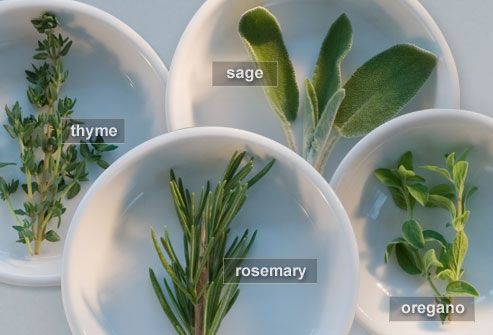
Thyme, Sage, Rosemary and Oregano
Fresh Herbs
Fresh herbs make many other foods heart-healthy when they replace salt, sugar, and trans fats. These flavor powerhouses, along with nuts, berries -- even coffee -- form a global approach to heart-wise eating. Read on for more delicious ways to fight heart disease, stroke, high blood pressure, high cholesterol, and diabetes.
Fact: Rosemary, sage, oregano, and thyme contain antioxidants.
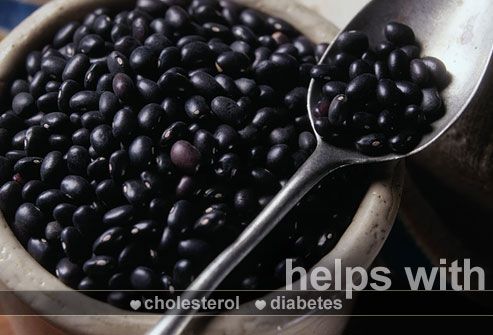
Bowl of Black Beans

 Black Beans
Mild, tender black beans are packed with heart-healthy nutrients including folate, antioxidants, magnesium, and fiber -- which helps control both cholesterol and blood sugar levels.
Tip: Canned black beans are quick additions to soups and salads. Rinse to remove extra sodium.

Red Wine and Resveratrol
If you drink alcohol, a little red wine may be a heart-healthy choice. Resveratrol and catechins, two antioxidants in red wine, may protect artery walls. Alcohol can also boost HDL, the good cholesterol.

Tip: Don't exceed one drink a day for women; one to two drinks for men -- and talk to your doctor first. Alcohol may cause problems for people taking aspirin and other medications. Too much alcohol actually hurts the heart.


Salmon: Super Food
A top food for heart health, it's rich in the omega-3s EPA and DHA. Omega-3s may lower risk of rhythm disorders and reduce blood pressure. Salmon also lowers blood triglycerides and reduces inflammation. The American Heart Association recommends two servings of salmon or other oily fish a week.

Tip: Bake in foil with herbs and veggies. Toss extra cooked salmon in fish tacos and salads.

Tuna for Omega-3s
Tuna is a good source of heart-healthy omega-3s; it generally costs less than salmon. Albacore (white tuna) contains more omega-3s than other tuna varieties. Reel in these other sources of omega-3s, too: mackerel, herring, lake trout, sardines, and anchovies.

Tip: Grill tuna steak with dill and lemon; choose tuna packed in water, not oil.

Extra Virgin Olive Oil
This oil, made from the first press of olives, is especially rich in heart-healthy antioxidants called polyphenols, as well as healthy monounsaturated fats. When olive oil replaces saturated fat (like butter), it can help lower cholesterol levels. Polyphenols may protect blood vessels.

Tip: Use for salads, on cooked veggies, with bread. Look for cold-pressed and use within six months.

Walnuts
A small handful of walnuts (1.5 ounces) a day may lower your cholesterol and reduce inflammation in the arteries of the heart. Walnuts are packed with omega-3s, monounsaturated fats, and fiber. The benefits especially come when walnuts replace bad fats, like those in chips and cookies -- and you don't increase your calorie count.

Tip: A handful has nearly 300 calories. Walnut oil has omega–3s,  use in salad dressings.

Almonds
Slivered almonds go well with vegetables, fish, chicken, even desserts, and just a handful adds a good measure of heart health to your meals. They're chock full of plant sterols, fiber, and heart-healthy fats. Almonds may help lower LDL cholesterol and reduce the risk of diabetes.

Tip: Toast to enhance almonds' creamy, mild flavour.

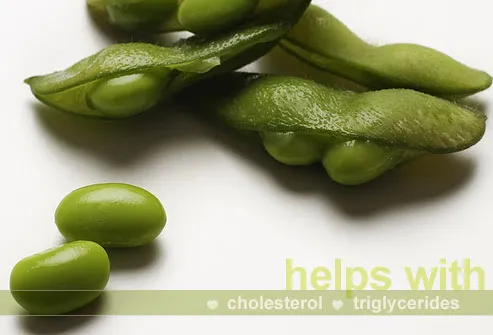
Green Edamame Beans
Edamame
These green soybeans are moving beyond Japanese restaurants, where they're a tasty appetizer. They're packed with soy protein, which can lower blood triglyceride levels. A half cup of edamame also has 9 grams of cholesterol-lowering fiber -- equal to four slices of whole-wheat bread.
Tip: Try frozen edamame, boil, and serve warm in the pod.


Tofu
Make soy protein the main attraction more often at dinnertime by cooking with tofu instead of red meat. You gain all the heart-healthy minerals, fiber, and polyunsaturated fats of soy -- and you avoid a load of artery-clogging saturated fat.
Tip: Chop firm tofu, marinate, then grill or stir-fry, going easy on the oil. Add tofu to soups for protein with no added fat.

Sweet Potatoes
Sweet potatoes are a hearty, healthy substitute for white potatoes for people concerned about diabetes. With a low glycemic index, these spuds won't cause a quick spike in blood sugar. Ample fiber, vitamin A, and lycopene add to their heart-healthy profile.
Tip: Enhance their natural sweetness with cinnamon and lime juice, instead of sugary toppings.

Oranges
This sweet, juicy fruit contains the cholesterol-fighting fiber pectin -- as well as potassium, which helps control blood pressure. A small study shows that OJ may improve blood vessel function and modestly lower blood pressure through the antioxidant hesperidin.
Tip: A medium orange averages 62 calories, with 3 grams of fiber.
Leaf of Red Chard
Swiss Chard
The dark green, leafy vegetable is rich in potassium and magnesium, minerals that help control blood pressure. Fiber, vitamin A, and the antioxidants, lutein and zeaxanthin, add to the heart-healthy profile.
Tip: Serve with grilled meats or as a bed for fish. Saute with olive oil and garlic until wilted, season with herbs and pepper.

Carrots
The latest research on carrots shows these sweet, crunchy veggies may help control blood sugar levels and reduce the risk of developing diabetes. They're also a top cholesterol-fighting food, thanks to ample amounts of soluble fiber -- the kind found in oats.
Tip: Sneak shredded carrots into spaghetti sauce and muffin batter.


Uncooked Barley

Barley
Try this nutty, whole grain in place of rice with dinner or simmer barley into soups and stews. The fiber in barley can help lower cholesterol levels and may lower blood glucose levels, too.
Tip: Hulled or "whole grain" barley is the most nutritious. Barley grits are toasted and ground; nice for cereal or as a side dish. Pearl barley is quick, but much of the heart-healthy fiber has been removed.

Oatmeal
Oats in all forms can help your heart by lowering LDL, the bad cholesterol. A warm bowl of oatmeal fills you up for hours, fights snack attacks, and helps keep blood sugar levels stable over time -- making it useful for people with diabetes, too.
Tip: Swap oats for one-third of the flour in pancakes, muffins, and baked goods. Use oats instead of bread crumbs in cooking.
Flaxseed Assortment
Flaxseed
This shiny, honey-colored seed has three elements that are good for your heart: fiber, phytochemicals called lignans, and ALA, an omega-3 fatty acid found in plants. The body converts ALA to the more powerful omega-3s, EPA and DHA.
Tip: Grind flaxseed for the best nutrition. Add it to cereal, baked goods, yogurt, even mustard on a sandwich.

Low-Fat Yogurt
While low-fat dairy is most often touted for bone health, these foods can help control high blood pressure, too. Milk is high in calcium and potassium and yogurt has twice as much of these important minerals. To really boost the calcium and minimize the fat, choose low-fat or non-fat varieties.
Tip: Use milk instead of water in instant oatmeal, hot chocolate, and dried soups.

Foods Fortified With Sterols
Want the heart-healthy power of vegetables in your milk or on toast? Margarine, soy milk, or orange juice can deliver -- when they're fortified with cholesterol-fighting sterols and stanols. These plant extracts block cholesterol absorption in the gut and can lower LDL levels by 10% without affecting good cholesterol.
Tip: Consume at least 2 grams of sterols a day.

Coffee
Coffee and tea may help protect your heart by warding off type 2 diabetes. Studies show that people who drink 3-4 cups a day may cut their risk by 25% -- and even decaffeinated coffee works. Caution is due, however, for those who already have diabetes or hypertension; caffeine can complicate these conditions.
Tip: Choose black coffee or a non-fat latte to limit fat and calories.

Cayenne Chili Pepper
Shaking hot chili powder on food may help prevent a spike in insulin levels after meals. A small study in Australia showed that simply adding chili to a hamburger meal produced lower insulin levels in overweight volunteers.
Tip: Chili powder is a blend of five spices, while dried chili pepper comes from a single hot pepper. Both are good substitutes for salt in recipes.
Salt in Measuring Spoon
Kosher Salt
This may be worth a try for people with high blood pressure. Kosher salt may give you more salty flavor with less actual salt -- and less sodium -- than if you sprinkled table salt on your food. The larger crystals impart more flavor than finely ground salt. You’ll still need to measure carefully; a teaspoon of Kosher salt has 1,120-2,000 mg of sodium, while the daily limit for most people is 1,500 mg. And in cooking, the taste advantage is lost.
Tip: Mix with your favorite herbs for a homemade, lower-sodium spice blend.

Fresh Cherries

Cherries
Cherries are packed with anthocyanins, an antioxidant believed to help protect blood vessels. Cherries in any form provide these heart-healthy nutrients: the larger heart-shaped sweet cherries, the sour cherries used for baking, as well as dried cherries and cherry juice.
Tip: Sprinkle dried cherries into cereal, muffin batter, green salads and wild rice. 
Spoonful of Blueberries


Blueberries
The list of healthy nutrients in blueberries is extensive: anthocyanins give them their deep blue color and support heart health. Blueberries also contain ellagic acid, beta-carotene, lutein, vitamin C, folate, magnesium, potassium, and fiber.
Tip: Add fresh or dried blueberries to cereal, pancakes, or yogurt. Puree a batch for a dessert sauce.

ps- this is only for information, but always consult you physician before having any particular food/ medication.
ps- those interested in recipes are free to view my blog-

http://gseasyrecipes.blogspot.com/

for info about knee replacement, you can view my blog-

http://Knee replacement-stick club.blogspot.com/

for crochet designs

http://My Crochet Creations.blogspot.com/

I've not given details about designs, but those interested are free to mail me for the same.

Labels: , , , , , , , , , , , , , , , , , , ,

Wednesday, July 24, 2013

Aldosterone

The Clues 
Aldosterone regulates your body's sodium-to-water ratio. But a condition called renal artery stenosis--a narrowing of the blood vessels that supply the kidneys--can trigger the release of the hormone, causing a surge in blood pressure. 

What you can do 
A heart-friendly lifestyle that keeps your blood vessels healthy can also be a kidney-friendly lifestyle. Minimize salt intake, follow a low-fat diet, get some exercise, and don't smoke. 


ps- this is only for information, always consult you physician before having any particular food/ medication/exercise/other remedies.


ps- those interested in recipes are free to view my blog-

http://gseasyrecipes.blogspot.com/

for info about knee replacement, you can view my blog-

http://Knee replacement-stick club.blogspot.com/

for crochet designs

http://My Crochet Creations.blogspot.com/

I've not given details about designs, but those interested are free to mail me for the same.

Labels: , , , , , , , , , , , , , , , , ,