Friday, April 19, 2019

Home Remedies for Varicose Veins

It’s estimated that varicose veins will affect 20 percent of all adults at some point in their lives. The twisted, enlarged veins can frequently cause pain, itching, and discomfort. Medical procedures are now available to treat varicose veins, but if you want to avoid costly procedures, these home remedies might help.

Physical activity is a great first step in home treatment for varicose veins. The more you move, the better your blood circulates. The idea is to help the blood that gathers in the damaged veins move back to the heart. 

Low-impact exercise that improves blood flow can help reverse the unhealthy qualities of varicose veins. Swimming, walking, cycling, yoga, and stretching are all beneficial as they circulate the blood and exercise the calf muscles without the danger of physical injury. Moderate exercise can also help with high blood pressure, one of the risk factors for varicose vein formation.

Some foods can help improve vein health. These include:

Foods with fiber

Dietary fiber helps with healthy bowel function. It’s especially important to eat fiber if you tend to have constipation. The physical effort used to pass stool can create a strong internal abdominal pressure, which can aggravate the damaged vein valves.
Foods high in dietary fiber that you can add to your diet include:
  • whole-grain foods
  • wheat
  • oats
  • nuts
  • flax seed
  • peas
  • beans
  • figs
  • plums
  • avocados
  • tomatoes
  • broccoli
  • carrots
  • artichokes
  • cauliflower
  • onions
  • sweet potatoes

Foods with potassium

Potassium deficiency can cause water retention. This increases the volume of blood in your body and creates extra pressure on the vein valves.
Foods high in potassium to add to your diet include:
  • yogurt
  • almonds
  • pistachios
  • salmon
  • tuna
  • chicken
  • white beans
  • lentils
  • dates
  • oranges
  • winter squash
  • potatoes
  • leafy vegetables
  • beet greens

Foods with flavonoids

Flavonoids may help treat cardiovascular problems. They can help improve blood circulation, reduce arterial blood pressure, and relax blood vessels.
Foods high in bioflavonoids include:
  • onions
  • garlic
  • bell peppers
  • spinach
  • broccoli
  • cocoa
  • grapes
  • citrus fruits
  • blueberries
  • strawberries
  • cherries
  • apples

Some herbal medicines can help ease the symptoms of vein conditions. These herbal remedies come as oral dietary supplements or topical phlebotonics. One study found that rutosides, Centella asiatica, and grape seed extract may have beneficial effects on chronic venous insufficiency symptoms such as swelling, cramping, or restless legs.

Rutosides

Also known as rutin, this bioflavonoid can be found in a variety of plants, such as:
  • citrus fruits
  • buckwheat
  • apples
  • St. John’s wort
  • Gingko biloba
Rutin is considered an antioxidant, anti-inflammatory, and antidiabetic supplement. It also has vascular benefits. It can strengthen weak blood vessels and capillaries that are often a precursor to varicose veins. Rutin has been used as a treatment for spider veins and varicose veins, as well as for swelling in the calves and ankles. As a dietary supplement, rutin typically comes in tablets or capsules.

Centella asiatica

Also called Gotu kola, this perennial plant is native to Asia. Pre-clinical research shows that Centella asiatica is effective at strengthening weakened veins. This helps treat venous insufficiency. The herb is usually taken in the form of tablets, capsules, and liquid extracts. It can also be applied topically as ointment or cream. This herb may interact with medications or other herbs. More studies are needed on its safety.

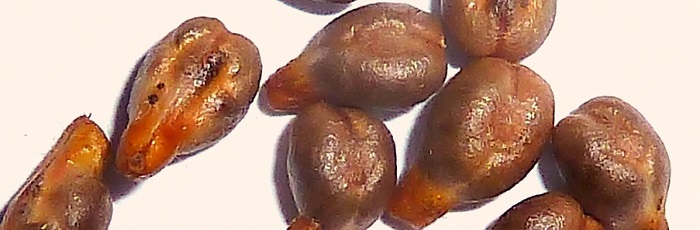
Grape seed extract

Grapes, grape leaves, and grape sap have been used in alternative medicine for centuries. Research suggests that grape seed extract can help treat the symptoms of chronic venous insufficiency. It can also reduce swelling. The studies are not conclusive and more research is necessary.
Grape seed contains vitamin E, flavonoids, and other compounds. As a dietary supplement, it is available in tablets, capsules, and liquid extracts. Grape seed extract can interact with blood thinners and increase the risk of bleeding. Do not take it if you are on these medications.

Home remedies and a healthy lifestyle can help relieve the symptoms of varicose veins and chronic venous insufficiency. However, the research on most alternative treatments and herbal remedies is still ongoing. Official sources to back the efficiency of these treatments are scarce. 

If you really dislike the appearance of varicose veins, medical treatments can reduce their appearance. If your varicose veins are no longer just a cosmetic issue and have become a health concern, talk to your doctor.

THIS IS ONLY FOR INFORMATION, ALWAYS CONSULT YOU PHYSICIAN BEFORE HAVING ANY PARTICULAR FOOD/ MEDICATION/EXERCISE/OTHER REMEDIES.                                    PS- THOSE INTERESTED IN RECIPES ARE FREE TO  VIEW MY BLOG-                                                                                           https://gseasyrecipes.blogspot.com/    
                                                                                                                                                     FOR INFO ABOUT KNEE REPLACEMENT, YOU CAN VIEW MY BLOG-                                                  https:// kneereplacement-stickclub.blogspot.com/  
         
                   FOR CROCHET DESIGNS                                                                                                                                                                                                  https://gscrochetdesigns.blogspot.com 

Labels: , , , , , , , , ,

Monday, February 11, 2019

22 home remedies can help get relief from knee pain

Knee pain has become common over the years, may be, due to more number of people who are obese, as the knees bear the brunt of our weight. Another reason could be, that we're leading a more sedentary life style, also many of our habits have changed due to technology impact.
While there are many reasons of what causes it, the results are almost always there same – difficulty walking or bending your knee ,if not constant sharp pain.

There are many home remedies and we are going to talk about some of them today. If you experience too much pain doing any physical activity that involves your knees, the first thing you should do is to pay your doctor a visit. But, if you think that there is nothing that wrong with your knee you can try one or a few of these 22 home remedies that will ease your pain.

1 Coconut oil
It takes care of inflammation if you have any and helps sooth knee pain.

2 Cayenne pepper and olive oil
Cayenne pepper is great for pain and swelling. Just mix it with olive oil and apply to the affected area at least twice a day.

3 Cayenne pepper with apple cider vinegar
Just add these two to your bath and enjoy the relief.

4 Lemon
Lemon juice is great for pain caused by arthritis.

5 Apple cider vinegar and water
Dissolve two teaspoons of ACV into a cup of water and drink it. ACV has a powerful ability to lubricate your joints, thus it will ease your knee pain.

6 Apple cider vinegar and olive oil
This mixture is also pretty effective for knee pain. But you have to make sure that you rinse it off after it has been on for 30 minutes.

7 ACV and hot water
Just add it to your bath and let it take away your pain.

8 Mustard oil
Heat up some mustard oil and mix it with diced garlic, then place the mixture on the affected area.

9 Olive oil
It is highly effective for both pain and swelling.

10 Turmeric
Since turmeric is very helpful for all possible kinds of pain it is nice to add to a ginger and honey tea and drink it while it is still hot.

11 Turmeric and milk
This mixture will take away your inner knee pain in a blink of an eye.

12 Juniper berry tea
In case of arthritis there is no better remedy.

13 Epsom salt
Adding Epsom salt to your bath is never a bad idea, especially if your knees hurt. Since it takes away all the unnecessary fluid It soothes the pain and the swelling.

14 Ginger tea
Drinking ginger tea will help greatly for swelling.

15 Ginger oil
Applying ginger oil over affected areas is also very effective to combat knee pain.

16 Eucalyptus oil
If you mix it with peppermint and olive oil you will triple the effect.

17 White willow tea
The power of this tea against knee pain is great.

18 Fenugreek seeds
Make sure that the seeds are roasted, since you are going to need to powder them. After that you should mix them with water and turn into a pain-relieving paste.

19 Fenugreek seeds soaked
Eating fenugreek seeds soaked in water is also very helpful.

20 Grape juice
Another effective and tasty remedy.

21 Cold compress
It is great for the reducing of swelling.

22 Dandelion leaves tea
Since dandelion leaves are rich in vitamins A and C it is nice to make tea out of them and drink daily to reduce your knee pain.

The BetterMe Team wants you and those close to you to live a healthy, happy life! Your health is a valuable thing; look after your body and your mind so that you can live your life to the fullest – Remember you only get one!
Please share this with your friends and family and let us know what you think in the comments below.

Hubby and self have 1/2 tsp each of turmeric, fenugreek and dry ginger powders, mixed with little water, on empty stomach every morning. All the 3 powders have anti-inflammatory properties. 

Another important thing which will help knee pain is to reduce weight, if you're obese, as then less stress on knee joints.

THIS IS ONLY FOR INFORMATION, ALWAYS CONSULT YOU PHYSICIAN BEFORE HAVING ANY PARTICULAR FOOD/ MEDICATION/EXERCISE/OTHER REMEDIES.                                    PS- THOSE INTERESTED IN RECIPES ARE FREE TO  VIEW MY BLOG-                                                                                           https://gseasyrecipes.blogspot.com/       

                                                                                                                                                                 FOR INFO ABOUT KNEE REPLACEMENT, YOU CAN VIEW MY BLOG-                                                  https:// kneereplacement-stickclub.blogspot.com/           
                                                                           FOR CROCHET DESIGNS                                                                                                                                                                                                  https://gscrochetdesigns.blogspot.com


Labels: , , , , , , , , , , , , , , ,

Friday, November 30, 2018

How To Treat Joint Pain Naturally

Man takes things for granted, including his body parts, that all are fine, till he gets a problem. Till then, he doesn't care for his health, eats wrong types of foods, too much stress, no or very little exercise. Most of us don't pay much attention to our joints. But the complex machinery of our body depends on these tiny cogs to move, bend, and turn. We wouldn’t be able to do the million things needed to get through each day without healthy joints. Joint pain is a common enough problem but it can turn simple everyday tasks into a challenge and even disrupt your normal life. Your knees, which are your largest joint and take the weight of your entire body, are especially vulnerable.Joint pain can be a result of infections – bone or joint; overexertion strain, or injuries; and, often, arthritis – be it osteoarthritis, rheumatoid arthritis, or gout. It’s important to investigate and address the underlying cause of your pain. While this may mean seeing a doctor, there are many natural solutions you can try instead of medication to manage the pain. Do keep in mind, though, that you should seek medical help if your pain is severe, lasts for more than 3 days, or is accompanied by other symptoms, weight loss, or fever. 

1. Dab On Some Ginger, Chamomile, Or Clove Essential Oil

Many essential oils like birch, ginger, chamomile, cloves, and nutmeg are great at relieving pain. Dilute a couple of drops in a carrier oil like grape-seed or almond oil and apply to the affected joint. You can also use a combination of these oils for pain relief. Don’t apply essential oils on broken skin, though. And remember, some essential oils like clove oil are extremely potent and can irritate your skin, so follow instructions given on the package on how they are to be used.

2. Exercise To Banish Joint Pain
While you do need to rest an inflamed or painful joint, don’t take it too far. Lack of sufficient exercise can also lead to pain and stiffness in the joints. By exercising your joints, you can help nourish joints, make your muscles stronger, and improve flexibility, balance, and circulation.
Some kinds of exercise are especially beneficial if your pain is triggered by arthritis. Swimming, walking, low impact aerobics, strength training, tai chi, yoga, or even dancing can all help with mobility, strength, and cardiovascular fitness. Warm water exercises (hydrotherapy) are especially useful as the water supports your body and provides resistance that builds endurance and muscle strength. A hydrotherapist or physiotherapist can help you develop a suitable exercise routine.Do remember to check in with your doctor before starting any new exercise program. 

3. Try Acupuncture

Acupuncture can make a useful addition to regular medical care for people with osteoarthritis. Acupuncture is based on the traditional Chinese theory that a life force (Qi) flows through our body along pathways known as meridians and that blockages in the flow of this energy cause disease. Stimulating specific points (acupuncture points) on the body by inserting fine needles is thought to remove these blockages. Research has found that acupuncture (for 5 acupuncture points) over the course of 26 weeks improved function and brought pain relief for those with osteoarthritis of the knee.

4. Give Herbal Remedies Like Devi’s Claw And Willow Bark A Shot

Nature has a treasure trove of remedies that can ease joint pain.
  • Devil’s Claw, a tuber vegetable native to Africa, can be used to treat arthritis and the resulting joint pain. It contains the iridoid glycoside harpagoside which can help improve stiffness, pain, and physical function. A study found that over the course of 4 months, it was at least as effective as diacerhein, a drug that is used for osteoarthritis.
  • Seed Oils of evening primrose, borage seed, and black currant seed can help reduce pain. These contain gamma linolenic acid (GLA), an unsaturated fatty acid which has been found effective in decreasing joint inflammation in patients with rheumatoid arthritis. Studies show that taking GLA supplements for 6 months reduces the number of swollen joints, the duration of morning stiffness, and pain.
  • Cat’s Claw has been traditionally used for treating chronic inflammation. It has antioxidant properties and inhibits a protein associated with inflammation. A study found that patients with osteoarthritis of the knee who took a capsule containing cat’s claw extracts daily experienced a reduction in pain within a week.
  • Willow Bark has pain relieving properties which were known even to the ancient Greeks, Egyptians, and Indians. A study that looked at its effect on people with osteoarthritis found that pain reduced by 14% after 2 weeks of treatment with willow bark extracts, while it increased by 2% for people given a placebo.1
  • Stinging Nettles have been used to reduce pain from rheumatism traditionally in Europe, with people stinging themselves (the nettles cause mild irritation or pain) with them around affected joints. It is thought to work because of the serotonin and histamine in the nettles, neurotransmitters involved in the sensation of pain. A study found that patients with osteoarthritic pain at the base of the thumb or index finger experienced relief from pain and disability after a week’s treatment with nettle sting.

5. Turn To Natural Remedies And Routines

The ancient medical system of Ayurveda also offers remedies that can be helpful to those with joint pain.
  • The juice of guduchi (an ounce twice daily) with 10 gm of dry ginger powder is considered beneficial.
  • Guggulu, a gum resin from the Cumifora mukul tree which has anti-inflammatory and anti-arthritic properties, is used in medicinal formulations like Yogaraja to treat joint pain.
  •  According to Ayurveda, when food is not properly digested it becomes a toxic substance known as ama which can cause pain and swelling in the joints. Diet, therefore, plays an important part in the treatment of joint pain. Ayurveda recommends a diet of light gruel or fasting while you are suffering from joint pain. Pulses (with the exception of green gram) and sour things like curd should be avoided, and so should cold or fried things. Do take care to consult with a nutritionist before restricting a large number of foods or whole food groups from your diet for long periods.
  • For arthritis-related pain, applying a cold pack for a minute, preceded and followed by a warm water soak for three minutes, is said to give relief. Massaging the affected part with medicated oils like sahacharadi or mahanarayana taila is also beneficial.

THIS IS ONLY FOR INFORMATION, ALWAYS CONSULT YOU PHYSICIAN BEFORE HAVING ANY PARTICULAR FOOD/ MEDICATION/EXERCISE/OTHER REMEDIES.                                                                                                                                                                                                                                                                                        PS- THOSE INTERESTED IN RECIPES ARE FREE TO  VIEW MY BLOG-                                                                                           https://gseasyrecipes.blogspot.com/                                                                                                                                                                             FOR INFO ABOUT KNEE REPLACEMENT, YOU CAN VIEW MY BLOG-                                                                                                                             https:// kneereplacement-stickclub.blogspot.com/                                                                                       FOR CROCHET DESIGNS                                                                                                                                                                                                                                 https://gscrochetdesigns.blogspot.com


Labels: , , , , , , , , , , , , , , , , , ,

Wednesday, November 14, 2018

9 Best Seeds for Your Health

We all try to stay healthy and eat the freshest fruit and vegetables, but sometimes we forget where these nutritious natural treats come from – seeds. Many edible seeds are packed full of nutrients, so if you care about good nutrition, you should certainly be aware of how seeds can benefit your health.
seeds, health
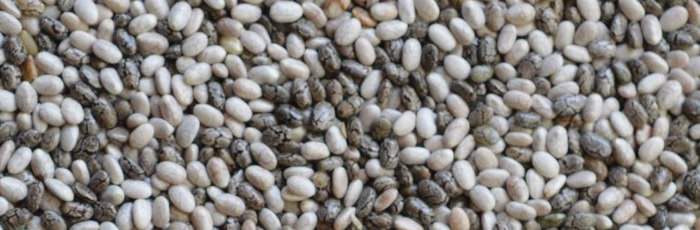
1. Chia Seeds
seeds, healthy
Chia seeds have been getting a lot of good attention in recent years, which makes sense seeing as they're considered one of the healthiest superfoods out there.

What’s in them?
Chia seeds are loaded with vitamins and minerals, contain ten times more nutritional fibers than rice, eight times more Omega-3 fatty acids than salmon, six times more calcium than milk and three times more iron than spinach. On top of that, they contain an inordinate amount of antioxidants that fight cell damage.

Why you should eat them
Eating chia seeds can help you lose weight, relieve joint pains, and protect the body from heart disease and diabetes. The seeds also help keep your liver in good shape, and since they contain no gluten, they're perfect for people with celiac disease.

What can you do with them?
These seeds go well with a number of dishes, thanks to their ability to take on the food’s flavors. Here are some recommendations:
•    Cooked, as a side dish
•    Added protein for salads
•    A crispy coating for chicken or fish
•    Added to fruit shakes
•    Added while baking bread
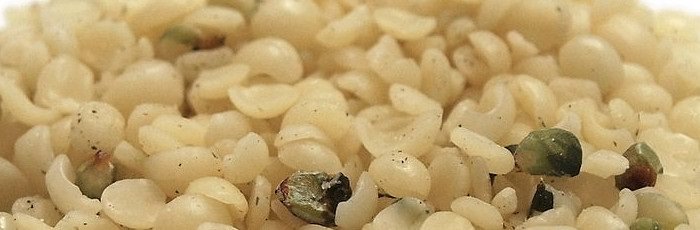
2. Hemp Seeds
seeds, healthy
These are the seeds of the cannabis plant. Hemp may have great industrial benefits, but its seeds have even greater health benefits.

What’s in them?
Hemp seeds are the perfect source for all 20 amino acids, including the nine essential acids our bodies cannot produce on their own. They’re rich in protein and are a great source of phytochemicals - chemical compounds that occur naturally in plants and are beneficial to our health.

Why you should eat them
If you care about your health, you should be eating hemp seeds. They’ll boost your immune system, bolster your cardiovascular system, and help with cell regeneration. The seeds do not contain THC (the active substance in marijuana), and are perfectly safe and legal to consume.

What can you do with them?
The seed’s nutty flavor makes them great as an addition to a variety of foods:
•    Grind into hemp flour to bake with
•    Prepare hemp milk
•    Add to various pastries
•    Raw – as snacks
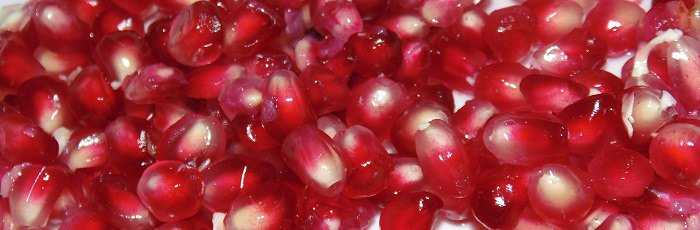
3. Pomegranate Seeds
seeds, healthy
This biblical fruit is also an abundant source of health benefits.

What’s in them?
Rich in antioxidants, pomegranate seeds help fight off the effects of free radicals, promoting the integrity and health of your cells. Among those antioxidants, you can find polyphenols, which help prevent cancer and heart disease. Like most other red fruits, pomegranates are rich in vitamin C, which is a natural booster for the immune system.

Why you should eat them
The antioxidants keep our body’s building blocks in good shape, as well as prevent blood clots from forming. Another benefit is maintaining the elasticity of our blood vessels, which helps blood flow. Finally, pomegranates also help maintain the integrity of the cartilage in our joints, preventing the onset of arthritis.

What can you do with them?
These delicious seeds have so much potential:
•    Added to green salad
•    Pomegranate chicken
•    As a delicious juice
•    As a topping for a cheesecake               
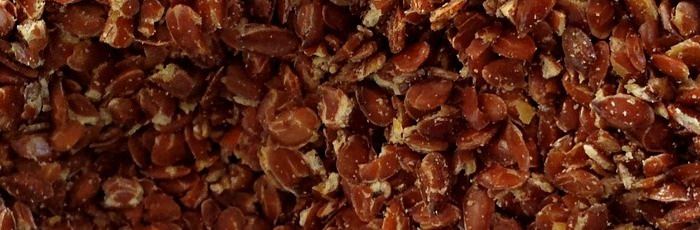
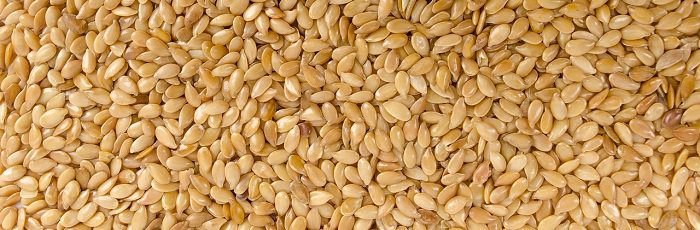
4. Flax Seeds
seeds, healthy
Flax has been known around the world as a health booster for years.

What’s in them?
Flax seeds are an excellent source of nutritional fiber, which keeps your digestive system healthy and functioning properly. They are also packed with polyphenols and linoleic acid, both of which have many health benefits for the human body.

Why you should eat them
The fibers in the seeds will help regulate your bowels and provide an extended sense of satiety. The linoleic acids have powerful anti-inflammatory properties, and have been shown to stop the development of tumors. The polyphenols regulate hormone production in the body, and are particularly recommended for women who are struggling with PMS and menopause.
What can you do with them?
Known worldwide, flax seeds are also a popular addition to a variety of dishes, such as:
•    A crunchy addition to salad
•    Added when baking bread
•    Added inside muffins
•    Added inside yogurt
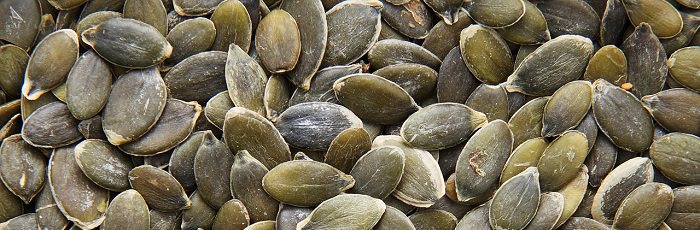
5. Pumpkin Seeds
seeds, healthy
Next time you’re carving out a pumpkin, keep the seeds – they’re filled with nutrients and proteins.

What’s in them?
Pumpkin seeds are considered to be a perfect source of plant protein. 100 grams of these seeds contain about 54% of the required daily intake of protein. On top of that, pumpkin seeds contain a lot of vitamin B and folic acid, as well as a unique chemical called tryptophan-L, which our brain converts into serotonin, an important neurotransmitter that elevates our mood.

Why you should eat them
The protein and folic acid in the seeds help build and repair our muscles. The seeds themselves serve as a powerful antacid. Finally, the tryptophan-L is a known mood enhancer.

What can you do with them?
These seeds can be eaten after being roasted and salted, or in a variety of other ways:
•    A crunchy, protein-rich addition to salad
•    A great topping for soups
•    As part of pesto sauce
•    In yogurt
6. Sesame Seeds
seeds, healthy
Sesame is thought to be one of the first seeds ever to be used, as well as being a source of healthy and delicious oil.

What’s in them?
The seeds are rich in minerals such as magnesium, iron, potassium, calcium, zinc, and manganese, and also contain vitamin B and lots of fiber. They also provide the eater with two special chemicals – sesamin and sesamolin.

Why you should eat them
The many minerals in the seeds make them a veritable nutritional bomb, which helps strengthen our bones and regulate cell division, sugar levels, and salt levels. The sesamin and sesamolin lower bad cholesterol (LDL) and are only found in sesame seeds.

What can you do with them?
The many uses of sesame include:
•    Making tahini
•    Making halva (raw tahini with honey)
•    Added flavor to string beans
•    Delicious topping for bread and savory pastries
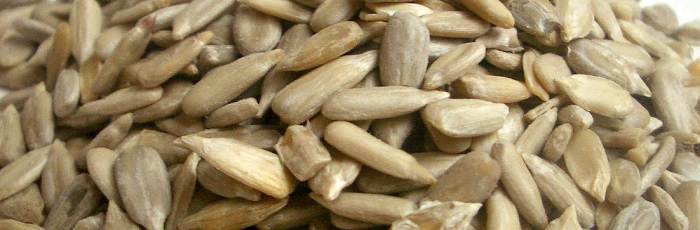
7. Sunflower Seeds
seeds, healthy
Delicious in their own right, they’re also incredibly healthy.

What’s in them?
Sunflower seeds are a great source of vitamin E, which helps maintain the health of our cardiovascular system, as well as phytosterols and magnesium.

Why you should eat them
The vitamin E in the seeds helps prevent and repair damage to blood vessels. The phytosterols lower LDL levels and boost the immune system. They also act as an anti-carcinogen.

What can you do with them?
These seeds are available in many food stores, but you should avoid the roasted and salted versions. Instead, try using fresh seeds when making:
•    Salads
•    Soups
•    Bread
•    Chicken and fish
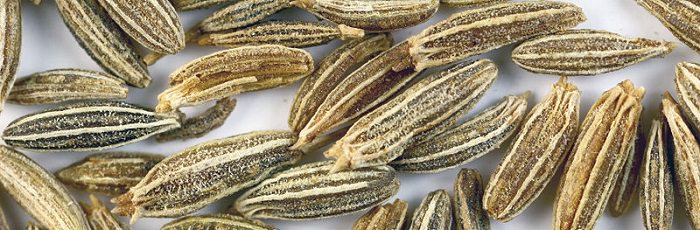
8. Cumin Seeds
seeds, healthy
Cumin is mostly known as a delicious Middle Eastern spice, but cumin seeds also pack a hefty amount of benefits.

What’s in them?
The seeds are rich in iron, which is beneficial to the liver, and contain chemicals that stimulate the production of digestive enzymes. Another powerful ingredient is the large quantity of antioxidants, which help fight cell damage and the onset of cancer.

Why you should eat them
Iron is highly beneficial for liver and circulatory system health, and the enzymes in cumin cause your digestive function to speed up and improve. Cumin is also recommended for a case of a sore throat or a cold. It also acts as a booster for kidney and immune system function.

What can you do with them?
The seeds can be consumed as is, or in their more popular guise, ground into a spice. They can be added into a variety of dishes, giving them a flavor upgrade.
•    Base for Indian-style dishes
•    Fish filet wrapped in cumin seeds
•    Added to stews
•    Roasted seeds in salad
•    Vegetarian lentil and cumin balls
9. Grape Seeds
grape seeds, health
Most people prefer seedless grapes, but the seeds are actually surprisingly healthy.

What’s in them?
Grape seeds are rich in vitamin E, linoleic acid, and flavonoids, which are antibacterial and antifungal.

Why you should eat them
Grape seed oil has been used as medicine for thousands of years. Grape seeds keep your circulatory system healthy, have anti-inflammatory properties, and can reduce diabetes symptoms. Furthermore, they’re rich in antioxidants, which keep your cells and soft tissues safe from free radicals.

What can you do with them?
The main use is as an oil, so try the following:
•    Stir-fried vegetables in grape oil
•    Quinoa in balsamic vinegar and grape oil
•    Beef marinated in grape oil
•    Natural grape ice cream                                                        

THIS IS ONLY FOR INFORMATION, ALWAYS CONSULT YOU PHYSICIAN BEFORE HAVING ANY PARTICULAR FOOD/ MEDICATION/EXERCISE/OTHER REMEDIES.                                                                                                                                                                                                             PS- THOSE INTERESTED IN RECIPES ARE FREE TO  VIEW MY BLOG-                                                                                           https://gseasyrecipes.blogspot.com/   

FOR INFO ABOUT KNEE REPLACEMENT, YOU CAN VIEW MY BLOG-                                                                                                    https:// kneereplacement-stickclub.blogspot.com/                              

FOR CROCHET DESIGNS                                                                                                                                                                                                                                 https://gscrochetdesigns.blogspot.com

Labels: , , , , , , , , , , , , , , , ,

Wednesday, March 16, 2016

9 Healthy Seeds to Add to Your Diet

THIS IS ONLY FOR INFORMATION, ALWAYS CONSULT YOUR PHYSICIAN BEFORE HAVING ANY PARTICULAR FOOD/ MEDICATION/EXERCISE/OTHER REMEDIES.


FOR INFO ABOUT KNEE REPLACEMENT, YOU CAN VIEW MY BLOG
HTTP://KNEE REPLACEMENT-STICK CLUB.BLOGSPOT.COM/

FOR CROCHET DESIGNS- http://My Crochet Creations.blogspot.com/


1. Chia Seeds
Healthy Seeds

Chia seeds have been getting a lot of good attention in recent years, which makes sense seeing as they're considered one of the healthiest superfoods out there.
What’s in them?
Chia seeds are loaded with vitamins and minerals, contain ten times more nutritional fibers than rice, eight times more Omega-3 fatty acids than salmon, six times more calcium than milk and three times more iron than spinach. On top of that, they contain an inordinate amount of antioxidants that fight cell damage.
Why you should eat them
Eating chia seeds can help you lose weight, relieve joint pains, and protect the body from heart disease and diabetes. The seeds also help keep your liver in good shape, and since they contain no gluten, they're perfect for people with celiac disease.
What can you do with them?
These seeds go well with a number of dishes, thanks to their ability to take on the food’s flavors. Here are some recommendations:
  • Cooked, as a side dish
  • Added protein for salads
  • A crispy coating for chicken or fish
  • Added to fruit shakes
  • Added while baking bread
2. Hemp Seeds
Healthy Seeds

These are the seeds of the cannabis plant. Hemp may have great industrial benefits, but its seeds have even greater health benefits.
What’s in them?
Hemp seeds are the perfect source for all 20 amino acids, including the nine essential acids our bodies cannot produce on their own. They’re rich in a protein and are a great source of phytochemicals - chemical compounds that occur naturally in plants and are beneficial to our health.
Why you should eat them
If you care about your health, you should be eating hemp seeds. They’ll boost your immune system, bolster your cardiovascular system, and help with cell regeneration. The seeds do not contain THC (the active substance in marijuana), and are perfectly safe and legal to consume.
What can you do with them?
The seed’s nutty flavor makes them great as an addition to a variety of foods:
  • Grind into hemp flour to bake with
  • Prepare hemp milk
  • Add to various pastries
  • Raw – as snacks
3. Pomegranate Seeds
Healthy Seeds

This biblical fruit is also an abundant source of health benefits.
What’s in them?
Rich in antioxidants, pomegranate seeds help fight off the effects of free radicals, promoting the integrity and health of your cells. Among those antioxidants you can find polyphenols, which help prevent cancer and heart disease. Like most other red fruits, pomegranates are rich in vitamin C, which is a natural booster for the immune system.
Why you should eat them
The antioxidants keep our body’s building blocks in good shape, as well as prevent blood clots from forming. Another benefit is maintaining the elasticity of our blood vessels, which helps blood flow. Finally, pomegranates also help maintain the integrity of the cartilage in our joints, preventing the onset of arthritis.
What can you do with them?
These delicious seeds have so much potential:
  • Added to green salad
  • Pomegranate chicken
  • As a delicious juice
  • As a topping for a cheesecake
4. Flax Seeds
Healthy Seeds

Flax has been known around the world as a health booster for years.
What’s in them?
Flax seeds are an excellent source of nutritional fiber, which keeps your digestive system healthy and functioning properly. They are also packed with polyphenols and linoleic acid, both of which have many health benefits for the human body.
Why you should eat them
The fibers in the seeds will help regulate your bowels and provide an extended sense of satiety. The linoleic acids have powerful anti-inflammatory properties, and have been shown to stop the development of tumors. The polyphenols regulate hormone production in the body, and are particularly recommended for women who are struggling with PMS and menopause. 
What can you do with them?
Known worldwide, flax seeds are also a popular addition to a variety of dishes, such as:
  • A crunchy addition to salad
  • Added when baking bread
  • Added inside muffins
  • Added inside yogurt
 
5. Pumpkin Seeds
Healthy Seeds

Next time you’re carving out a pumpkin, keep the seeds – they’re filled with nutrients and proteins.
What’s in them?
Pumpkin seeds are considered to be a perfect source of plant protein. 100 grams of these seeds contain about 54% of the required daily intake of protein. On top of that, pumpkin seeds contain a lot of vitamin B and folic acid, as well as a unique chemical called tryptophan-L, which our brain converts into serotonin, an important neurotransmitter that elevates our mood.
Why you should eat them
The protein and folic acid in the seeds help build and repair our muscles. The seeds themselves serve as a powerful antacid. Finally, the tryptophan-L is a known mood enhancer.
What can you do with them?
These seeds can be eaten after being roasted and salted, or in a variety of other ways:
  • A crunchy, protein-rich addition to salad
  • A great topping for soups
  • As part of pesto sauce
  • In yogurt
6. Sesame Seeds
Healthy Seeds

Sesame is thought to be one of the first seeds ever to be used, as well as being a source of healthy and delicious oil.
What’s in them?
The seeds are rich in minerals such as magnesium, iron, potassium, calcium, zinc and manganese, and also contain vitamin B and lots of fiber. They also provide the eater with two special chemicals – sesamin and sesamolin.
Why you should eat them
The many minerals in the seeds make them a veritable nutritional bomb, which helps strengthen our bones and regulate cell division, sugar levels and salt levels. The sesamin and sesamolin lower bad cholesterol (LDL) and are only found in sesame seeds.
What can you do with them?
The many uses of sesame include:
  • Making tahini
  • Making halva (raw tahini with honey)
  • Added flavor to string beans
  • Delicious topping for bread and savory pastries
7. Sunflower Seeds
Healthy Seeds

Delicious in their own right, they’re also incredibly healthy.
What’s in them?
Sunflower seeds are a great source of vitamin E, which helps maintain the health of our cardiovascular system, as well as phytosterols and magnesium.
Why you should eat them
The vitamin E in the seeds helps prevent and repair damage to blood vessels. The phytosterols lower LDL levels and boosts the immune system. They also act as an anti-carcinogen.
What can you do with them?
These seeds are available in many food stores, but you should avoid the roasted and salted versions. Instead, try using fresh seeds when making:
  • Salads
  • Soups
  • Bread
  • Chicken and fish
8. Cumin Seeds
Healthy Seeds


Cumin is mostly known as a delicious Middle Eastern spice, but cumin seeds also pack a hefty amount of benefits.
What’s in them?
The seeds are rich in iron, which is beneficial to the liver, and contain chemicals that stimulate the production of digestive enzymes. Another powerful ingredient is the large quantity of antioxidants, which help fight cell damage and the onset of cancer.
Why you should eat them
Iron is highly beneficial for liver and circulatory system health, and the enzymes in cumin cause your digestive function to speed up and improve. Cumin is also recommended for a case of sore throat or a cold. It also acts as a booster for kidney and immune system function.
What can you do with them?
The seeds can be consumed as is, or in their more popular guise, ground into a spice. They can be added into a variety of dishes, giving them a flavor upgrade.
  • Base for Indian-style dishes
  • Fish filet wrapped in cumin seeds
  • Added to stews
  • Roasted seeds in salad
  • Vegetarian lentil and cumin balls
9. Grape Seeds
Healthy Seeds


Most people prefer seedless grapes, but the seeds are actually surprisingly healthy.
What’s in them?
Grape seeds are rich in vitamin E, linoleic acid, and flavonoids, which are antibacterial and antifungal.
Why you should eat them
Grape seed oil has been used as medicine for thousands of years. Grape seeds keep your circulatory system healthy, have anti-inflammatory properties, and can reduce diabetes symptoms. Furthermore, they’re rich in antioxidants, which keep your cells and soft tissues safe from free radicals.
What can you do with them?
The main use is as an oil, so try the following:
  • Stir-fried vegetables in grape oil
  • Quinoa in balsamic vinegar and grape oil
  • Beef marinated in grape oil
  • Natural grape ice cream

Labels: , , , , , , , , , , , , , , ,