9 Common Summer Skin and Hair Problems Solved
Summer is at our doorstep. On one hand, the
beautiful sunny weather comes with various fun outdoor activities. On
the other hand, summertime brings quite a few pesky annoyances we’d all
happily forgo. Bugs, allergies, excessive sweating, a stronger sun, and
higher humidity make our skin and hair go crazy, which can certainly be
quite annoying, to say the least.
Don’t let these bothersome summer skin and
hair issues ruin your summertime fun, and learn to prevent and treat
them right here, right now.
1. Folliculitis 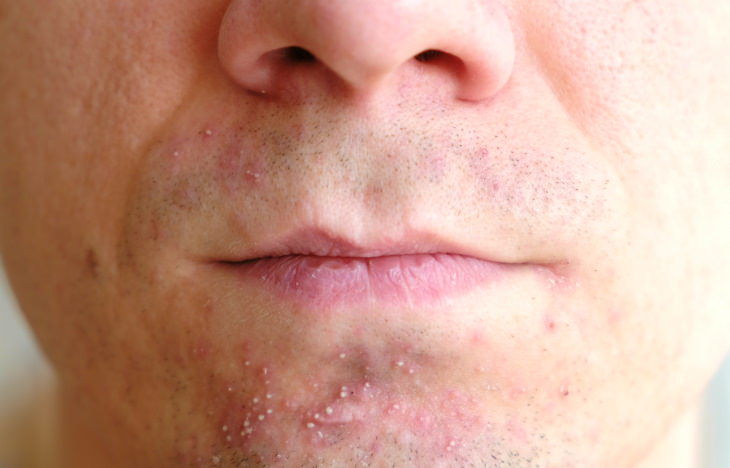
Folliculitis is a common skin issue in both men and women year-round,
but it becomes increasingly more widespread in the summertime when the
body sweats more. But what is folliculitis? Every hair strand on the
human body grows from an opening in the skin. This is called a hair
follicle. When these follicles become inflamed, larger red bumps or
little white pimples form in the hair follicles around the hairs - a
condition referred to as folliculitis by dermatologists.
Anyone can develop folliculitis anywhere on their body, including the
face and the scalp. The condition can occur when you have ingrown hairs,
after shaving, when you’re wearing tight clothing, go to a chlorinated
pool or hot tub, or when you’re just sweating more. The skin rash that
occurs as a result of folliculitis can be painful, tender, burning, and
itchy.
How to prevent folliculitis:
When you exercise, change out of your workout clothes immediately
after a workout and take a shower.
Opt for light, loose-fitting clothing in the summer.
For men with razor bumps (pseudofolliculitis), growing a beard may
be a good option if you don't need a clean-shaven face.
Avoid shaving, if possible. If you get razor bumps after shaving,
consider growing out the hair, or opt for a different hair removal
method.
Shave carefully and less frequently. To reduce the likelihood of
getting folliculitis due to shaving, disinfect your razor with alcohol
before use, wash your skin before and after shaving, and apply a
moisturizer after shaving. Certain products, such as those that contain a
lot of alcohol and fragrance can contribute to the development of
folliculitis, so make sure to use mild, fragrance-free shaving creams
and moisturizers.
Try and avoid chlorinated hot tubs and pools if you notice that you
develop folliculitis.
How to treat folliculitis at home:
If you’re experiencing mild folliculitis, you can successfully treat it
at home. To do so, mix ½ teaspoon salt in 1 cup of warm water, dip a
washcloth into the solution, and press the cloth onto the affected area
for a few minutes a few times a day. This will relieve any swelling,
redness, and it will help drain the area. Folliculitis is caused by
either bacteria or fungi, so you can also apply OTC antibiotic creams or
hydrocortisone cream to promote the healing process.
Finally, don’t forget to wash and moisturize your face twice a day as
your skin is healing to reduce the likelihood of spreading the infection
and impairing the skin’s barrier function. Seek professional help if
your symptoms don’t improve after a few days or worsen.
2. Melasma
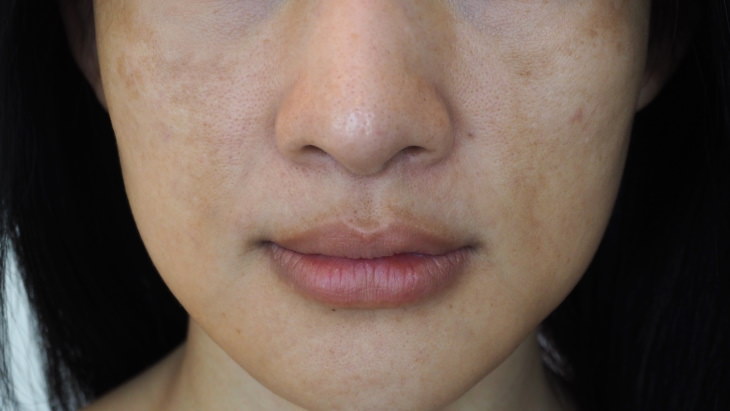
Melasma is another common skin condition
that worsens during the summer. The term refers to a type of
hyperpigmentation in the form of brown or grey spots that appear on the
face and neck. Unlike post-inflammatory hyperpigmentation - tiny scars
and marks on the skin after acne and pimples - melasma is caused by sun
exposure, hormonal changes, or genetics.
All of these factors drive the skin to
produce excess melanin, which appears in the form of these spots.
Melasma is often triggered in women during pregnancy, in which case it’s
sometimes referred to as ‘the mask of pregnancy.’ Although melasma is
difficult to get rid of completely, especially without prescription
creams and laser treatments, you can prevent it from getting darker and
more prominent by wearing sunscreen daily.
Melasma does tend to flare up in the summer due to UV exposure, so it’s
key to protect your face and neck from the sun, especially in the summer
months. Sun hats and protective clothing can be a great supplement to
sunscreen in that regard.
3. Frizzy hair

People with curly or wavy hair often dread
the summer because their hair tends to become extra poofy, frizzy, and
unmanageable all of the sudden. Frizz occurs when the hair is damaged by
the sun and exposed to humid air. Hair in this state is difficult to
manage and style, and you may notice a halo of tiny flyaway hairs that
are quite tough to get rid of.
Applying a hair oil, using hairspray and a comb to smooth the hair, or
pulling it back into a bun or ponytail can all help tame the frizz. But
these are all but temporary solutions. To get rid of frizz for good, you
must understand that frizz is a symptom of dry hair. And to address the
problem, it’s necessary to treat the cause.
To do so, use a more hydrating shampoo and deep conditioning masks
occasionally. You could also try washing your hair a bit less
frequently, but this isn’t a good idea if you have an oily scalp.
4. Cracked heels
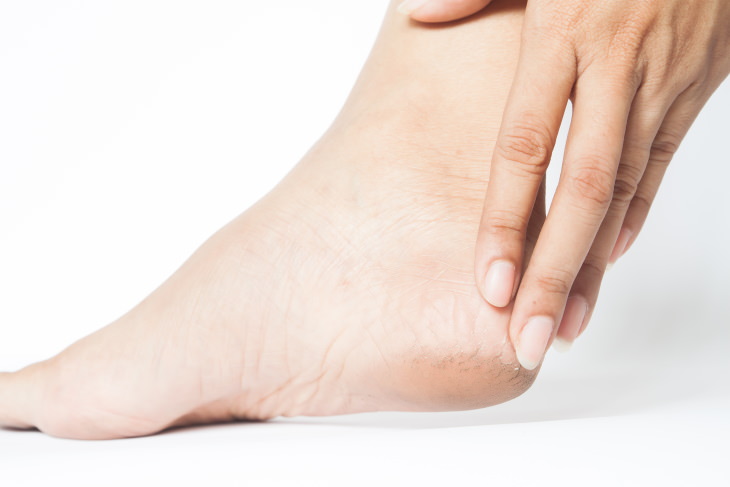
Dry or cracked heels are yet another
uncomfortable issue that plagues us as we start wearing open shoes. In
many cases, the condition is caused by skin dryness, but it could also
be a symptom of a dermatological condition that requires professional
help. Cracked heels are worsened by ill-fitting footwear, open-heeled
shoes, and flip-flop shoes, all of which expose the skin to the elements
and create unnecessary skin friction.
Opt for a pair of good-fitting sandals with the heels covered to reduce
your chances of getting cracked heels. If your feet are prone to getting
dry and cracked, follow these tips. It’s best to do this in the
evening. First, soak your feet in warm water for 15 minutes, then remove
the dead skin with the help of a pumice stone. When you’re done, apply
plenty of thick foot cream and put on a pair of clean socks.
Repeat this a few nights in a row, and moisturize your feet regularly to
prevent any new flareups. After a few days, you’ll notice that the skin
\becoming softer and the cracks going away. Keep in mind that this
doesn’t work if your feet are cracked to the point of bleeding. If that
is the case, it’s important to see a doctor, as these deep fissures can
become infected.
5. Puffy eyes
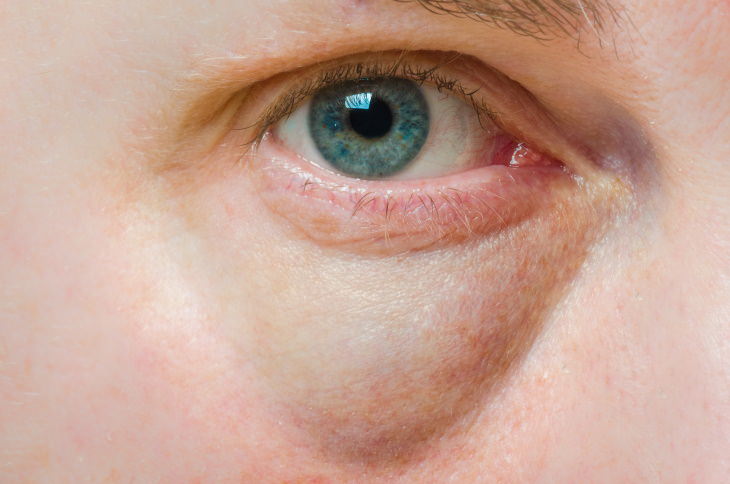
Anyone suffering from seasonal allergies
will know that spring and summertime means waking up with itchy and
puffy eyes every morning. When we’re exposed to an allergen, specialized
cells in the eyes release histamine in response. Unfortunately, the
histamine also makes the eyes red, irritated, and swollen. While having
puffy eyes isn’t the end of the world, it’s certainly unpleasant when
everyone around you is pointing out that you look tired.
The obvious solution is taking antihistamines, which are present in any
over-the-counter allergy medication. But timing is also important. If
you wake up with puffy eyes, it’s better to take antihistamines before
bed. To combat the puffiness, you can keep a cold spoon in the fridge
and press it against the skin or use an eye cream that contains
caffeine.
Both the cold and caffeine constrict the blood vessels and will help
reduce the swelling. You can also try freezing used tea bags that are
both cold and rich in caffeine, and use them as cooling eye compresses
in the morning.
6. The hot weather ruins your makeup

It can be super annoying when your mascara
starts running and your foundation or concealer starts bunching up or
looking oily a mere hour after you apply it. The obvious solution for
summer makeup is just wearing less or no makeup when it’s super hot
outside and your face is sweating more. But let’s be honest, it’s not a
realistic solution for those who are used to wearing makeup regularly.
To make your makeup look good in hot and humid weather, opt for
waterproof mascara and eyeliner formulations. When your face gets a bit
too shiny, use blotting papers or just an ordinary paper napkin to
absorb the oils on the skin, and you’re golden.
7. Acne is more common in the summer
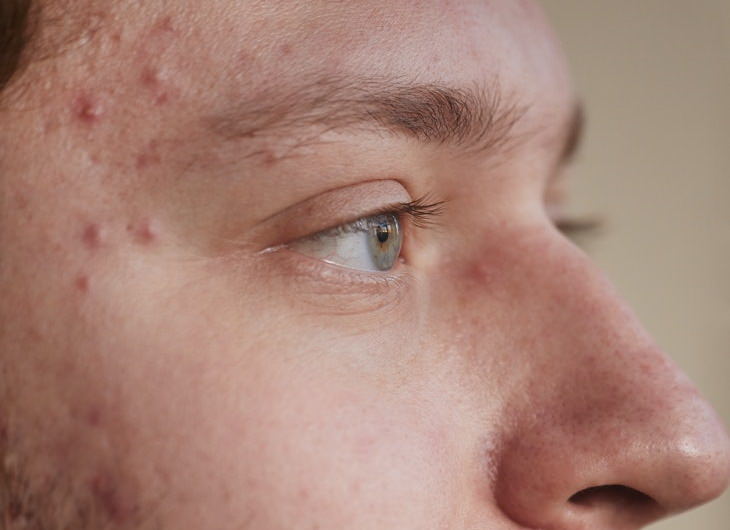
Acne is caused by microbes that live on the
skin. These microbes feed on the oils on our skin, and since the skin
tends to produce more of those in the summer, you’re also more likely to
experience acne, be it on the face or on the body. Sweating and
touching your face when you’re outdoors can also contribute to acne.
To prevent breakouts from occurring make sure to wash hats, headbands,
and sweaty clothes after every use. When your skin gets sweaty, blot the
sweat away with a towel instead of wiping, as the wiping motions can
mechanically irritate the skin. To heal acne on the face or body, use a
body wash or face cleanser that contains salicylic acid or another type
of acid that will gently exfoliate the skin and unclog the pores before
they have the chance of becoming inflamed.
8. Sunburn
Even if you’re very diligent with your
sunscreen use, sunburns do happen when you’re not careful or tend to
miss a hard-to-reach spot. When this does occur, you should treat the
symptoms by keeping the affected area moisturized. You can also apply a
hydrocortisone cream if the area is really inflamed or itchy.
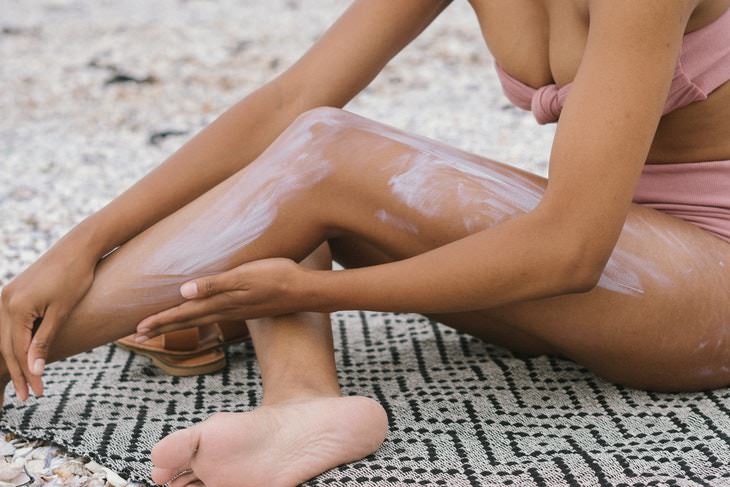
When you're outdoors, make sure to apply sunscreen on all areas that are
not covered by clothing or shoes, including the tops of the feet and
the ears. It's also very important to reapply the sunscreen every 2
hours, as sweat and water can break down even waterproof sunscreen over
time.
9. Insect Bites
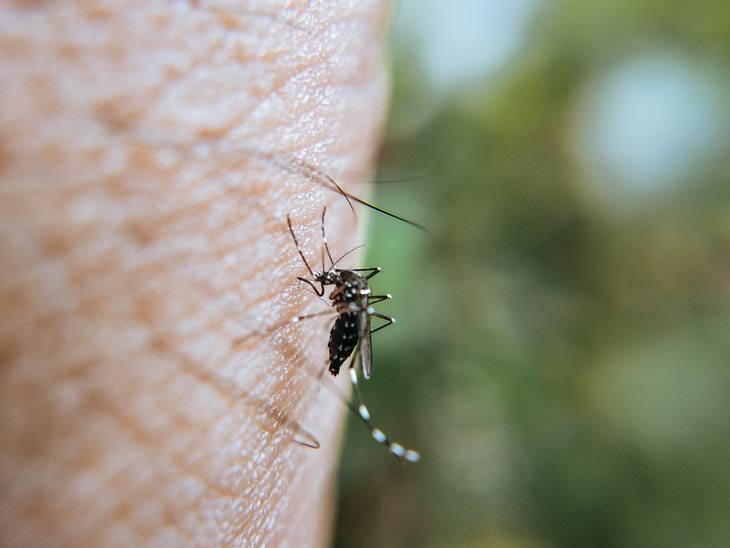
Unfortunately, buzzing insects can easily
ruin any outdoor activity in the summer, which is why it's really
important to wear insect repellant sprays, it doesn't matter if you're
taking a long walk in nature or just having an outdoor barbecue. But
what should you do if you get an insect bite? The first and most
important thing is to identify the bite, as some bites, such as spider
bites and tick bites are definitely more dangerous than others.
The severity of your symptoms will depend on your body too. Your
reaction to a mosquito bite or a bee bite may be different from another
person's, blame our old friend histamine. This chemical is released in
response to any bite, but different people are sensitive to different
insect bites. As a result, you may be experiencing little or a lot of
itching and swelling.
To ease the symptoms, you can take an OTC allergy medication or a
hydrocortisone cream for a few days, but make sure to monitor the bite
and see a doctor if you experience severe allergic symptoms, such as
difficulty breathing, or if the site of the insect bite appears worse
over time.