Sunday, May 23, 2021

9 Dental Myths Everyone Believes

Many adults have caries (tooth decay) on their permanent teeth, which suggests that proper oral hygiene is extremely misunderstood. We are all well aware of the fact that we need to take much better care of our teeth, but it’s somewhat disconcerting to see just how many myths there are about proper oral hygiene floating around on the internet. People seem to believe these myths without doing some quick research, so in order to fight against all this misinformation, take a look at the list of common dental hygiene myths below.

1. You Need the Latest Expensive Toothpaste to Keep Your Teeth Clean
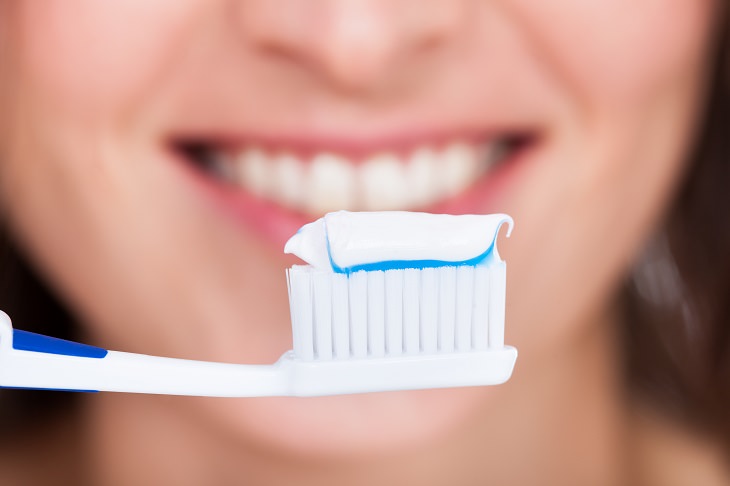
common Dental Myths
Companies spend a lot of money on marketing, so there is often a lot of hype surrounding different toothpaste brands. However, all that talk of “whitening technology” and other such nonsense is pure marketing gibberish. There are just several basic ingredients that mane toothpaste work – fluoride, magnesium, calcium, glycerol, thickening agents, and sodium lauryl sulfate. Most reasonably priced toothpastes will cover all the basics, so there’s absolutely no need to spend a fortune to get clean, healthy, and white teeth.

2. Dental Treatments Are Painful and Uncomfortable  
Many people have an irrational fear when it comes to dentists. They associate a trip to the dentist with discomfort and pain, but it’s not the 18th century any longer, and no dentist is going to try and pull a tooth out while three other people hold the patient down. Modern anesthetics allow dentists to perform complex procedures without the patient feeling any pain. As for comfort, dentists’ chairs are some of the most comfortable chairs you’ll ever sit on. 
 
 3. You Will Lose a Tooth During Pregnancy 
This one is very puzzling, and it’s hard to pinpoint where it actually came from, but some people will try to tell you that it’s normal for a woman to lose a tooth during pregnancy. When you ask why they will throw the word hormones around and try to look smug. In all actuality, morning sickness and some hormonal changes can have a negative effect on tooth enamel or cause gum inflammation, but if proper care is taken, there is absolutely no reason for a healthy pregnant woman to start losing her teeth. 
 
4. You Should Only See a Dentist if You Notice a Problem Developing
If your motto when it comes down to your dental health is “if it’s not broken, don’t fix it,” then it might just be time to re-evaluate your strategy. Just because nothing hurts or no problems are immediately apparent, it doesn’t mean that you shouldn’t take a trip to the dentist. There could be a number of potential oral health issues developing slowly, which can end up causing you trouble in the future, so scheduling annual or biannual appointments with the dentist is a very good idea. 
 
5. Once You Repair Your Teeth You Don’t Have to Focus on Oral Hygiene Any More 
 Even worse than neglecting issues until they get out of hand and require extensive repairs is the tendency to avoid brushing and flossing once a number of teeth have been effectively repaired. However, proper maintenance is essential for keeping your gums and teeth healthy, even if you have had plenty of reconstructive work done. 
 
6. If Your Gums Bleeds, You Should Brush Your Teeth Less Often 
It’s a very normal reaction to be a bit concerned when you see blood, but you shouldn’t worry too much if your gums bleed a little when you brush your teeth. You either don’t brush them enough and need to give your gums times to adjust, or you are using a brush that’s too hard. With regular brushing, a soft brush, and a proper technique, this problem should disappear after a while. 
 
7. Lightly Brushing Your Teeth for 30 Seconds a Day is Enough to Keep Them Healthy
While brushing your teeth several times a day is a good idea, you need to focus on what you’re doing instead of quickly going over them with a brush and then rinsing. It takes time to clear all the food debris and remove the plaque from your teeth, and it requires both careful brushing and flossing on a regular basis. So, take your time and make sure that you clean every nook carefully. 
 
8. Having White Teeth Means You Have Healthy Teeth 
One of the reasons why so many people end up developing serious dental issues is the fact that they look in the mirror, see a number of shiny white teeth smiling back, and conclude that their oral hygiene is up to scratch. However, it’s possible to whiten teeth by bleaching them, and white teeth don’t necessarily mean healthy teeth. There might be cavities developing in places that are difficult to spot, such as between the teeth, and if you fail to fix the problem early on it can end up causing a lot of pain and costing a lot of money. 
 
9. Sugar Rots Your Teeth 
Yes, the bacteria that causes tooth decay feeds on sugar, but in order for them to develop and wreak havoc, there needs to be enough sugar present for extended periods of time. What this means is that as long as you brush and floss your teeth carefully after consuming candy or soft drinks, you’ll be fine.


This is only for your information, kindly take the advice of your doctor for medicines, exercises and so on.   

https://gscrochetdesigns.blogspot.com. one can see my crochet creations  
https://gseasyrecipes.blogspot.com. feel free to view for easy, simple and healthy recipes    
https://kneereplacement-stickclub.blogspot.com. for info on knee replacement


Labels: , , , , , , ,

Tuesday, June 16, 2020

Silent hypoxia and its role in COVID-19 detection

What is silent hypoxia and how can it occur?

Silent hypoxia is when a pulse oximetry check on a patient who does not appear to be short of breath, results in an oximetry finding lower than a physician would expect.

This occurs in a number of situations, but most recently it has made headlines because of the large number of incidences of this occurring in individuals diagnosed with COVID-19.

What is meant by the term ‘silent’ in silent hypoxia?

The term silent comes from the fact that the patient does not appear to be short of breath. They are not gasping, they do not have an increase in their respiratory rate, and they are not complaining of feeling air hunger or looking uncomfortable.

Most individuals, when their oxygen levels start to drop into the eighties or lower, will feel air hunger and start to breathe more rapidly and feel uncomfortable.

Breathing tends to be a very natural, easy thing for us to do. But when the oxygen level drops to that level, most individuals will have a sense of what is called dyspnea, or shortness of breath.

The reasons we become short of breath can include both the low oxygen level, as well as a high carbon dioxide level.

There are some physicians saying that the reason people are not appearing short of breath is that the carbon dioxide level may still be normal in these individuals. Therefore, it is not signaling any distress at that time.

Why is hypoxia thought to occur in some COVID-19 patients? Why is it occurring as silent hypoxia?

As with a lot of things regarding COVID-19, we are going to rely on more and more data and studies that show how many individuals develop silent hypoxia. There are probably many COVID-19 patients with hypoxemia who get missed because they are admitted and diagnosed for other reasons such as fever, cough, or other things of that nature.

I think we are going to need to look at a larger group of individuals to figure out why exactly the virus causes silent hypoxia, compared to other viruses like influenza, where it is not seen as often.
There is something different about this virus in the way that it affects the blood vessels and the airways. There are even some ideas that the virus is affecting the nervous system and affecting the actual mechanisms in our brain that help to regulate respiration.

The mechanism of why oxygen levels drop has to do with how well the blood flow through the lungs matches the airflow through the lungs. For some reason, which we cannot identify yet, in certain patients the virus affects both the blood vessels in the lungs, as well as air sacs in the lungs, mismatching the flow of blood and air, causing the oxygen levels to drop.

The reason that individuals are not feeling as short of breath or looking to be short of breath is still a bit of a mystery. As with a lot of things to do with COVID-19, this has not been determined yet.

Perhaps the virus is affecting the blood vessels lack of ability to contract and constrict the way they are supposed to, or perhaps there is actually some central effect on the brain where the respiratory effort is not picked up because the virus is affecting the brain's ability to recognize the hypoxia.

It may be that the oxygen level is dropping without changing much in the way of the lung's mechanics, meaning that the lung is not becoming stiffer and the patient is not feeling any distress when they are breathing in and out, because there is no increase in breathing work.

The lungs may not be sensing that the oxygen level is dropping, but the concern is that the other organs in the body are not getting as much oxygen as they need.

There are a lot of theories right now as to why this virus is acting differently, but answers are going to take time. We cannot identify how many people or which individuals go on to develop silent hypoxia at the moment.

Please outline the American Lung Association's advice on hypoxia and COVID-19. What has led to your advice being stated?

The main advice with certainly COVID-19 and really any condition at all that causes symptoms is that we always encourage patients to recognize that something is different and to communicate this with their healthcare provider. This can be through telemedicine, for example, a phone call, rather than going into the office.

In the US particularly, there have been a number of articles talking about a pulse oximeter being used as a device at home for patients to help screen for COVID-19.

The problem with this is that the pulse oximeter by itself should not be used as the first step in having a patient contact their healthcare provider because the symptoms of COVID-19 normally predate the low oxygen level.

It is important to recognize symptoms such as the fevers, cough, malaise, things that seem out of the ordinary, and not just to rely on a number such as a pulse ox to be your first warning that something is wrong. COVID-19 should ideally be recognized before the point of hypoxia. Prior signals should be causing you to call your physician.

The message is to notice what your symptoms are, compare these to CDC guidelines (found on their website), and communicate these with your healthcare provider. That will then prompt an evaluation that will include pulse oximetry.

We do not recommend using pulse oximeters as an initial screen for self-diagnosis of COVID-19 for many reasons. First of all, oxygen levels can drop for other reasons besides COVID-19 such as blood clots, other types of infection, or cardiac issues that can develop. Having a pulse oximeter means you should understand what its role is and what its limitations are, depending on what your health condition is in the first place.

We understand some people do buy them and that they can use them as another tool in their medicine cabinet, along with thermometers and blood pressure cups. However, we really want people to rely on other symptoms that seem to occur earlier. The earlier those symptoms are identified and intervention is initiated by the patient and their physician, the better.

Then, if you do have this style of hypoxemia, it will be recognized and further steps will be taken to treat you. Many patients with COVID-19, probably up to 80%, have very mild disease, and do not demonstrate hypoxemia. That other 20%, once they are identified as having COVID-19 and a lower oxygen level than they should, are considered more severe. In many cases that is where the decision to hospitalize and give further therapy is taken.

Should certain individuals be monitoring themselves carefully for early self-detection for COVID-19?

Often people who have pulse oximeters or supplemental oxygen are the ones who have already been developing chronic lung or heart conditions prior to the COVID-19 pandemic, and they need to be aware that symptoms need to be recognized earlier than the pulse oximeter tells them there is a problem. This is a population where early diagnosis is important.

Beyond that, individuals who may be otherwise immunocompromised because of other immunologic diseases or because of medications they are on that have compromised their immune system should have a heightened awareness that they may get complications of the disease. They need to be particularly cautious about the usual washing of the hands, not touching the face, avoiding sick individuals, and employing social distancing.

Are COVID-19 patients that are suffering from hypoxia more at risk and do they require specific treatment?

Yes. Around 80% of people with COVID-19 will have only mild disease. Once we see a drop in the oxygen level, that puts them at a higher risk of developing complications. These are the individuals who will be put on supplemental oxygen and they are the ones most likely to be hospitalized and monitored.

Depending on clinical trials, some medications may be started at that point in time. The biggest support that we can give, however, is to identify hypoxia and start treating it with supplemental oxygen and monitoring these patients much more closely than we would the others who have mild disease and no hypoxia.

As soon as the saturation does drop, other organs of the body are put at risk, such as the heart, the kidneys, the brain, and the liver. We need to prevent other organ damage, which happens if support is not given and the low oxygen level is not corrected.

What research is currently being done to work out the relationship between hypoxia and COVID-19?

There are many bodies who are looking into this. I know there are some researchers around the world who are identifying, especially in the critical care setting, the mechanism of hypoxemia in these individuals. Part of these studies involves looking at what happens to lung physiology in these patients.

ARDS, acute respiratory distress syndrome, is one of the pathways for individuals to develop severe COVID-19 and end up on ventilators. In those situations, the lungs are very stiff, requiring higher pressures and higher oxygen levels to improve the hypoxemia. In other COVID-19 patients, the lungs are not as stiff, but oxygen levels are low.

This is all being looked at. I cannot cite any specific investigator or any one organization that is looking into this. It is a worldwide collaboration to determine the mechanisms of the disease and what happens in the lungs, the blood vessels, and the brain. This virus affects parts of the body that are typically not affected by most viruses.

In terms of research, we have seen significant cooperation and an increase in collaboration and communication across the scientific community worldwide. Scientists are trying to come up with answers quickly.

Sometimes this is coming out as misinformation and can be misleading, but this is just because everything with this virus is in the moment and we are waiting for more information to come in. We have collaborated well, but we do have to wait and see what the ultimate answers are within a larger data set.

How could the American Lung Association's advice help to improve responses to the pandemic?

Our advice can help improve responses on an individual basis. The patient's recognition of symptoms, early identification, and communication with healthcare providers rather than simply relying on a low oxygen level as a first indication is what is important.

I think that putting out more information about the true nature and number of symptoms that occur is the best way to ensure rapid communication with healthcare providers and the identification of hypoxemia. This allows the decision as to whether a patient is mild or moderate, and whether they need to be hospitalized or could manage at home.

We are aiming to give more information to help the public make an informed decision that is better for them. This is more useful than basing everything on a headline that says, "Hypoxemia occurs in COVID-19." It might do, but it does not occur in everybody, and when it occurs, it could be a later sign of the disease rather than an early sign of the disease.

Could the research behind COVID-19 improve our understanding of hypoxia and its treatments? Could this knowledge be used to prepare for future respiratory based virus pandemics?

That is the hope. We hope that the research around COVID-19 improves everything from whether or not we can develop adequate vaccines and antivirals, to developing treatments that help control the immune response. This virus seems to trigger an over-reactive immune response or the cytokine storm.

Research is looking into all those aspects of COVID-19, not just hypoxia, and trying to recognize what is occurring in the body that leads to these derangements - not just low oxygen level, but increased levels of inflammatory markers and increase the involvement of blood vessels, the muscles, the heart, the kidneys, and the brain.

I think we are learning from this illness. What we learn about silent hypoxia might help us discover more about these symptoms in other respiratory viruses. In general with the virus, we will learn a lot more as we see what other aspects of our body’s physiology are affected. There will still be a lot to learn in the aftermath of the pandemic.

What are the next stages for the American Lung association at this point?

Part of what we have been trying to do throughout the whole pandemic is to try to distribute trusted and useful information about the disease that it is important for the public to recognize. When there is such a rapid flow of information with people across the globe all talking about different aspects and manifestations of the disease, people have to try and understand what should they recognize on their own and when should they contact their physician to get treatment.

They should also be aware of the multiple clinical trials of different medications that are being looked at. Many variations of medications are being tried, and people have to be wary about the fact that whilst there are some benefits to medications, there are also risks. They need to have that informed discussion with their physicians when it comes to using medication if it is not actually been sanctioned or shown to be effective in this disease.

We are trying to improve everybody's condition despite the fact that we do not have any true treatment at this point in time. We are using the best information available to give patients the best chance of surviving.

The Lung Association has research that we fund, but we certainly do not have billions of dollars to put into research as many other companies who are developing vaccines and antivirals do. We have always felt that research is an important part of what we do, but educating the public and advocating for things such as access to care, quality of care, and making sure that disparities are diminished throughout our healthcare industry are a huge part of our mission.

About Dr. Albert Rizzo

Dr. Albert A. Rizzo is the Chief Medical Officer for the American Lung Association and practices pulmonary/sleep medicine at the Christiana Care Health System in Newark, Delaware as a member of Christiana Care Pulmonary Associates.  

He is board-certified in internal medicine, pulmonary, critical care and sleep medicine and is a Clinical Assistant Professor of Medicine at the Sidney Kimmel Medical College at Thomas Jefferson University in Philadelphia where he obtained his medical degree (1978) and completed his residency in Internal Medicine (1978-1981).

He received his specialty training at Georgetown University Hospital in Wash DC (1981-1983). He is a member of the American Thoracic Society, a Fellow of the American College of Chest Physicians and the American College of Physicians and the American Association of Sleep Medicine and a Diplomat of the American Board of Sleep Medicine.


This is only for your information, kindly take the advice of your doctor for medicines, exercises and so on.     

https://gscrochetdesigns.blogspot.com. one can see my crochet creations  
https://gseasyrecipes.blogspot.com. feel free to view for easy, simple and healthy recipes    
https://kneereplacement-stickclub.blogspot.com. for info on knee replacement

Labels: , , , , , , , , , , ,

Saturday, June 01, 2013

NO HIVES OR OTHER SYMPTOMS, DOESN'T MEAN THAT YOU'RE NOT ALLERGIC TO SOME FOOD !

It’s a common misconception to think that if you don’t break out in hives or stop breathing, 

you’re not really affected by a certain food. But, more than 37 million women suffer from food-

triggered fatigue, joint pain, digestive upsets, headaches and other uncomfortable symptoms 

every day. If any of this describes you, you could have undiagnosed food sensitivity, says  a 

Dr.


how to tell if you have a food sensitivity


To find out if you might have a food allergy, ask yourself if any of these statements are true:
_
_ I have at least 10 pounds that I can’t seem to lose with normal dieting and exercise.

__ I often have a puffy face, or slightly swollen hands, feet or ankles.

__ My stomach often looks bloated.

__ I struggle with PMS/mood swings/bad skin.

__ I suffer from heartburn, indigestion, gas, diarrhoea or constipation.

I often get headaches/colds/sinus infections.

__ My joints or muscles ache almost every day.

__ I’m sensitive to dust, dander, pollen or other airborne irritants.

__ My metabolism is so sluggish, I gain weight easily if I’m not careful about what I eat.

__ No matter how much I sleep, I am tired.

_ If I avoid my favourite foods, I get awful cravings.

If two or more of those statements were true, you might have a food sensitivity, say 

researchers. Test time to find out the cause of the allergy !

How an Elimination Diet Works

In a nutshell, an elimination diet works like ripping off a bandage. Instead of tweaking your 

diet slowly, week after week, trying to figure out which foods agree with you and which ones 

don’t, you simply knock out the top seven troublemakers for one solid week, then gradually 

add them back one at a time. If your symptoms come back, you’ve identified a food 

sensitivity.

“Some people feel head-achy  stiff or tired for the first few days,” says a Dr. “But soon they 

notice that they have a lot more energy, they’re clear-headed, their aches and pains have 

eased, and they feel a lot healthier and happier!”

Bonus: If you have food sensitivities, you’re lugging around at least 10 pounds of trapped 

fluids -- bloating and tissue swelling caused by those allergy-like food reactions, say 

researchers. Remove troublesome foods from your diet, and you’ll flush out that fluid in the 

first week,” says  a Dr..

Elimination Diet

First, some good news: An elimination diet is not a calorie-restricted diet, so you don’t need 

to weigh or measure anything, says a Dr.  “So eat until you’re comfortably full, and snack 

between meals to stave off hunger pangs.”

Just pick and choose from the tasty meals listed here -- ignoring any that don’t appeal to you, 

and repeating the ones that you enjoy. You can make ingredient substitutions if you wish, as 

long as you strictly avoid the top seven troublemakers (dairy, wheat, corn, sugar, soy, eggs 

and peanuts). Drink eight glasses of water daily -- and enjoy herbal teas, seltzer or mineral 

water if you’d like some variety.

You’ll notice that both honey and maple syrup are included in this plan. “The fact is, honey 

and pure maple syrup are plant extracts,” says a Dr.  “They’re natural, unrefined sweeteners, 

so they don’t cause the problems that heavily-processed white sugar does.”

-Fruit salad (apples, pears and strawberries, sprinkled with cinnamon and cashews); spelt or 

rice bread with almond butter

-Grapefruit drizzled with honey or maple syrup; spelt or rice toast topped with almond butter 

and thinly sliced pear

-Rice cakes topped with apple or pear butter; glass of almond milk

-Half a cantaloupe filled with blueberries and sprinkled with cinnamon

-Rice or spelt bread topped with almond, pear or apple butter; glass of coconut, rice or 

almond milk


 -Broccoli soup (made with broth, not milk); steamed brown rice seasoned with olive oil, salt 

and pepper

 tomato and onion salad with vinaigrette dressing

 -Steamed vegetables seasoned with salt, pepper and olive oil; steamed brown rice topped 

with baked fish or chicken

 -Baby spinach topped with garbanzo beans, sliced chicken breast and vinaigrette dressing

chopped zucchini, red peppers, garlic and onion sautéed in olive oil and topped with basil; 

dried figs or plums for dessert

baked acorn squash drizzled with olive oil and honey; non-dairy ice cream 

oven home fries; steamed baby peas and pearl onions seasoned with olive oil, salt, garlic 

and pepper

 roasted veggies tossed with olive oil and herbs (such as oregano, thyme, basil, ginger )

Snacks

-Organic fruit or vegetable juice

-Wheat-free crackers

-Pistachios or pine nuts

-Home-made popsicles (make with organic fruit juice)

3 quarts water

1 onion 

2 stalks celery minced

1 carrot, finely chopped

Salt, pepper and fresh parsley

Soak peas overnight. Drain and combine in pot with water and vegetables. Cook slowly one 

hour or until peas are tender and liquid is thickened to desired consistency. Season to taste 

with salt, pepper and chopped parsley.

 Vinaigrette Dressing

1⁄2 cup extra virgin olive oil

3 Tbsp. balsamic vinegar

2 Tbsp. water

1 tsp. dry mustard

1-3 cloves garlic (whole pieces for flavour or crushed for stronger taste)

Salt and pepper to taste

Oregano, basil, parsley, tarragon or any herbs of your choice, fresh or dried

Combine all ingredients in a glass jar and shake well. Refrigerate.

Test Time

After your body has been allergen-free for one week, the slate is clean. So now it’s time to test 

the troublesome seven -- dairy, wheat, corn, sugar, soy, eggs and peanuts -- to find out which 

is your personal trigger.

Every three days, add one of these foods back into your diet, starting with one modest 

serving (4 ounces of milk, one slice of wheat bread or one egg, for example) the first day, two 

servings the second day and three servings the third day. Watch for signs of trouble, such as 

cravings, heartburn, gas, headaches, irritability, bloating, congestion or trouble 

concentrating.

If you develop symptoms, you’ve found your trigger -- the food you’re smart to eat in limited 

quantities (or avoid entirely) so you can stay at the peak of health. No reaction at all? Keep 

that food in your diet rotation and begin testing another one to rule that food sensitivity in -- or 

out!


Labels: , , , , , , , , , , , , , , , , , , ,