Wednesday, July 16, 2025

11 Surprising Causes for Heart Complications and Stroke

Heart diseases are among the greatest killers of our day and age and lay claim to the lives of about 18 million people worldwide every year, according to the World Health Organization. Of those, a whopping 80% deaths are the result of a stroke or a heart attack. While some possible triggers of heart conditions, such as obesity, are a matter of public knowledge, other possible causes may surprise you: 
 
1. Poor Dental Hygiene
Heart Complications: brushing teeth
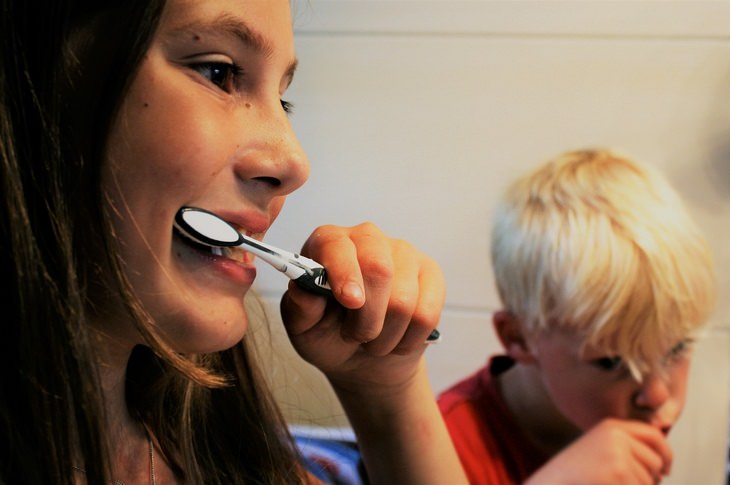
Apparently, not brushing your teeth may cause plaque buildup… in the arteries. The same oral bacteria that cause periodontal (or gum) disease can enter the blood stream and cause atherosclerosis, a cardiovascular condition wherein blood vessels become clogged by arterial plaque, possibly leading to strokes and heart attacks.

2. Drinking Diet Sodas
Heart Complications: diet coke 
 If you’re looking into sugar-free soft drinks as a means to avoid obesity and related heart complications, you have another thing coming. Heavy diet soda drinkers are actually more likely to suffer from a stroke or a heart attack than those who drink sugar-sweetened sodas.

3. Shunning beans
Heart Complications: beans  
Beans, beans, they’re good for your heart. This isn’t just a line out of a nursery rhyme, it’s a medical fact. Eating beans and other protein-rich legumes (such as lentils, chickpeas, soybean, peas and peanuts) has been found to lower your resting heartbeat as effectively as regular exercise, potentially preventing heart attack.

4. Dieting
Committing to a drastic change of lifestyle may sound like a good idea when thinking about weight loss, but often dramatic and prohibitive diets are very hard to sustain over time, cause great fluctuations in body mass over a short period of time and can cause more harm than good. This yo-yo effect, in and of itself, can dramatically increase the risk of heart disease.


5. Contracting Flu
If there weren’t enough reasons to get a flu shot, according to this study, among people between the ages of 65-86, the likelihood of having a heart attack within one week of contracting influenza A was six times! Odds were even higher for people with prior heart complications and those who contracted influenza B.

6. Depression
 Heart Complications: depression
  
The notion that body and mind operate independently is flat-out wrong, as many mental health conditions and physical illnesses appear to be inextricably tied. This is also true of depression, as a recent study established. The research showed that among men above the age of 45, depression was associated with a 30% increased chance of heart attack, and a 18% increased chance among women of the same age group. For both groups, depression was also associated with 24-44% increased chance of stroke, with odds increasing with the intensity of their mental distress. 
 
Likewise, one of the major symptoms of depression is social withdrawal, which- independently of the aforementioned study- has been shown to be associated with a 30% increased chance of coronary heart disease and stroke

7. Avoiding fruits
Much like legumes, eating fresh fruit has been established as an effective way to reduce heart pressure, as well as lowering blood sugar levels. According to the study conducted in China, people who consumed fresh fruit on a daily basis were 40% less likely to have a heart attack, 34% less likely to have a major heart complication, and 30% less likely to have a stroke. 
 
8. Sleep Apnea
Heart Complications: apnea
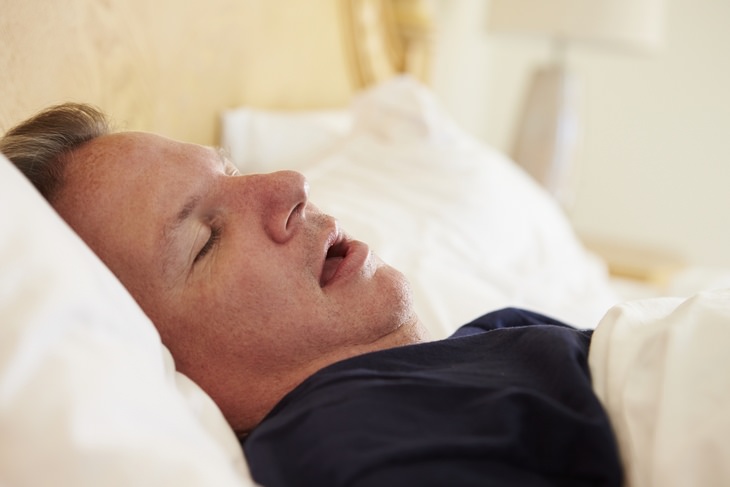
Snoring might be a hassle for your partner, but it can indicate a huge risk for you. Severe obstructive sleep apnea, characterized by problems breathing through the nose while sleeping has been associated with a nearly twofold increase in coronary heart disease, heart failure and heart disease-related death. 
 
 
9. Living at a Low Altitude
This may seem strange to you, but for athletes who depend on good cardio, this is hardly news. Living at a high altitude increases cardiovascular endurance, which in turn decreases the odds of having metabolic syndrome, a cluster of several medical conditions, including obesity, high blood pressure and high blood sugar, by 25%. Metabolic syndrome is a major cause of type 2 diabetes, heart disease and stroke. 
 
 
10. Body Image
We know that obesity can be a cause for multiple heart conditions, but apparently stigma around obesity greatly increases the risk. According to a 2017 study, obese people who suffered from a negative body image were 46% more likely to have metabolic syndrome than those who are more accepting of their body type.
 
 
11. Your job
Yes. Your work, and particularly if your career finds you sitting on a chair in front of a monitor for the better part of the day, can kill you. A 2012 study found that a sedentary schedule was associated with a 147% increase in heart complications and a 90% increase in heart-related deaths. Meanwhile, a work schedule of 55 or more weekly hours was associated with a 13% increased chance of coronary heart disease and a 33% increased chance of stroke.


This is only for your information, kindly take the advice of your doctor for medicines, exercises and so on.   


Labels: , , , , , , , , , , ,

Tuesday, April 16, 2019

11 Surprising Heart Disease Factors

Heart diseases are among the greatest killers of our day and age and lay claim to the lives of about 18 million people worldwide every year, according to the WHO. Of those, a whopping 80% deaths are the result of a stroke or a heart attack. While some possible triggers of heart conditions, such as obesity, are a matter of public knowledge, other possible causes may surprise you:
 
1. Poor Dental Hygiene

Apparently, not brushing your teeth may cause plaque buildup… in the arteries. The same oral bacteria that cause periodontal (or gum) disease can enter the blood stream and cause atherosclerosis, a cardiovascular condition wherein blood vessels become clogged by arterial plaque, possibly leading to strokes and heart attacks.
2. Drinking Diet Sodas
If you’re looking into sugar-free soft drinks as a means to avoid obesity and related heart complications,you have another thing coming . Heavy diet soda drinkers are actually more likely to suffer from a stroke or a heart attack than those who drink sugar-sweetened sodas.
3. Shunning Beans
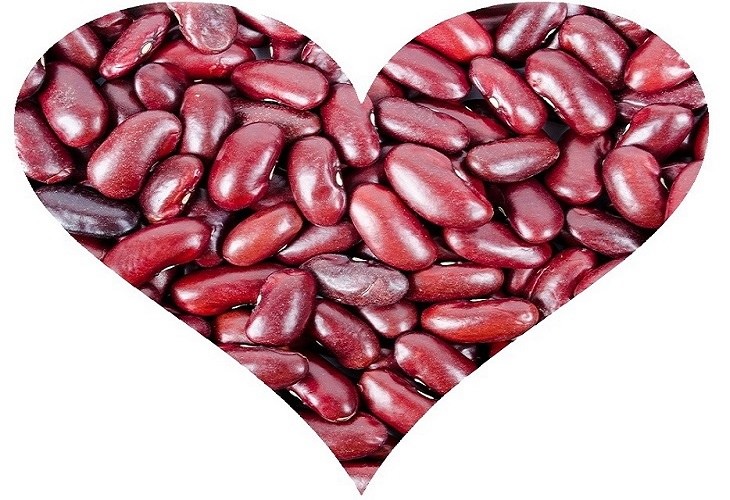
Beans, beans, they’re good for your heart. This isn’t just a line out of a nursery rhyme, it’s a medical fact. Eating beans and other protein-rich legumes (such as lentils, chickpeas, soybean, peas and peanuts) has been found to lower your resting heartbeat as effectively as regular exercise, potentially preventing heart attack.
4. Dieting
Committing to a drastic change of lifestyle may sound like a good idea when thinking about weight loss, but often dramatic and prohibitive diets are very hard to sustain over time, cause great fluctuations in body mass over a short period of time and can cause more harm than good. This yo-yo effect, in and of itself, can dramatically increase the risk of heart disease.

5. Contracting Flu
If there weren’t enough reasons to get a flu shot, according to this study, among people between the ages of 65-86, the likelihood of having a heart attack within one week of contracting influenza A was six times! Odds were even higher for people with prior heart complications and those who contracted influenza B.
6. Depression
The notion that body and mind operate independently is flat-out wrong, as many mental health conditions and physical illnesses appear to be inextricably tied. This is also true of depression, as a recent study established. The research showed that among men above the age of 45, depression was associated with a 30% increased chance of heart attack, and a 18% increased chance among women of the same age group. For both groups, depression was also associated with 24-44% increased chance of stroke, with odds increasing with the intensity of their mental distress.
Likewise, one of the major symptoms of depression is social withdrawal, which- independently of the aforementioned study- has been shown to be associated with a 30% increased chance of coronary heart disease and stroke
7. Avoiding Fruit
Much like legumes, eating fresh fruit has been established as an effective way to reduce heart pressure, as well as lowering blood sugar levels. According to the study conducted in China, people who consumed fresh fruit on a daily basis were 40% less likely to have a heart attack, 34% less likely to have a major heart complication, and 30% less likely to have a stroke.  
8. Sleep Apnea
Snoring might be a hassle for your partner, but it can indicate a huge risk for you. Severe obstructive sleep apnea, characterized by problems breathing through the nose while sleeping has been associated with a nearly twofold increase in coronary heart disease, heart failure and heart disease-related death.
9. Living at a Low Altitude
This may seem strange to you, but for athletes who depend on good cardio, this is hardly news. Living at a high altitude increases cardiovascular endurance, which in turn decreases the odds of having metabolic syndrome, a cluster of several medical conditions, including obesity, high blood pressure and high blood sugar, by 25%. Metabolic syndrome is a major cause of type 2 diabetes, heart disease and stroke.
10. Body Image
We know that obesity can be a cause for multiple heart conditions, but apparently stigma around obesity greatly increases the risk. According to a 2017 study, obese people who suffered from a negative body image were 46% more likely to have metabolic syndrome than those who are more accepting of their body type.
11. Your Job
Yes. Your work, and particularly if your career finds you sitting on a chair in front of a monitor for the better part of the day, can kill you. A 2012 study found that a sedentary schedule was associated with a 147% increase in heart complications and a 90% increase in heart-related deaths. Meanwhile, a work schedule of 55 or more weekly hours was associated with a 13% increased chance of coronary heart disease and a 33% increased chance of stroke.
THIS IS ONLY FOR INFORMATION, ALWAYS CONSULT YOU PHYSICIAN BEFORE HAVING ANY PARTICULAR FOOD/ MEDICATION/EXERCISE/OTHER REMEDIES.                                    PS- THOSE INTERESTED IN RECIPES ARE FREE TO  VIEW MY BLOG-                                                                                           https://gseasyrecipes.blogspot.com/    
                                                                                                                                                     FOR INFO ABOUT KNEE REPLACEMENT, YOU CAN VIEW MY BLOG-                                                  https:// kneereplacement-stickclub.blogspot.com/  
         
                   FOR CROCHET DESIGNS                                                                                                                                                                                                  https://gscrochetdesigns.blogspot.com  


Labels: , , , , , , , , , , , ,

Tuesday, April 09, 2019

Gum bacteria implicated in Alzheimer's and other diseases

Researchers are reporting new findings on how bacteria involved in gum disease can travel throughout the body, exuding toxins connected with Alzheimer's disease, rheumatoid arthritis and aspiration pneumonia. They detected evidence of the bacteria in brain samples from people with Alzheimer's and used mice to show that the bacterium can find its way from the mouth to the brain. 

The bacterium, Porphyromonas gingivalis, is the bad actor involved in periodontitis, the most serious form of gum disease. These new findings underscore the importance of good dental hygiene as scientists seek ways to better control this common bacterial infection. 

"Oral hygiene is very important throughout our life, not only for having a beautiful smile but also to decrease the risk of many serious diseases," said  a professor Dentistry and head of the department of microbiology. "People with genetic risk factors that make them susceptible to rheumatoid arthritis or Alzheimer's disease should be extremely concerned with preventing gum disease."

While previous researchers have noted the presence of P. gingivalis in brain samples from Alzheimer's patients, this team offers the strongest evidence to date that the bacterium may actually contribute to the development of Alzheimer's disease.

The researchers compared brain samples from deceased people with and without Alzheimer's disease who were roughly the same age when they died. They found P. gingivalis was more common in samples from Alzheimer's patients, evidenced by the bacterium's DNA fingerprint and the presence of its key toxins, known as gingipains. 

In studies using mice, they showed P. gingivalis can move from the mouth to the brain and that this migration can be blocked by chemicals that interact with gingipains. An experimental drug that blocks gingipains, known as COR388, is currently in phase 1 clinical trials for Alzheimer's disease. Researchers are working on other compounds that block enzymes important to P. gingivalis and other gum bacteria in hopes of interrupting their role in advancing Alzheimer's and other diseases. 

The researchers also report evidence on the bacterium's role in the autoimmune disease rheumatoid arthritis, as well as aspiration pneumonia, a lung infection caused by inhaling food or saliva. 

"P. gingivalis's main toxins, the enzymes the bacterium need to exert its devilish tasks, are good targets for potential new medical interventions to counteract a variety of diseases," said the Prof. "The beauty of such approaches in comparison to antibiotics is that such interventions are aimed only at key pathogens, leaving alone good, commensal bacteria, which we need." 

P. gingivalis commonly begins to infiltrate the gums during the teenage years. About one in five people under age 30 have low levels of the bacterium in their gums. While it is not harmful in most people, if it grows to large numbers the bacteria provoke the body's immune system to create inflammation, leading to redness, swelling, bleeding and the erosion of gum tissue. 

Making matters worse, P. gingivalis even causes benign bacteria in the mouth to change their activities and further increase the immune response. Bacteria can travel from the mouth into the bloodstream through the simple act of chewing or brushing teeth. 

The best way to prevent P. gingivalis from growing out of control is by brushing and flossing regularly and visiting a dental hygienist at least once a year, Potempa said. Smokers and older people are at increased risk for infection. Genetic factors are also thought to play a role, but they are not well understood. 

THIS IS ONLY FOR INFORMATION, ALWAYS CONSULT YOU PHYSICIAN BEFORE HAVING ANY PARTICULAR FOOD/ MEDICATION/EXERCISE/OTHER REMEDIES.                                    PS- THOSE INTERESTED IN RECIPES ARE FREE TO  VIEW MY BLOG-                                                                                           https://gseasyrecipes.blogspot.com/                                                                                                                                                         FOR INFO ABOUT KNEE REPLACEMENT, YOU CAN VIEW MY BLOG-                                                  https:// kneereplacement-stickclub.blogspot.com/           


                   FOR CROCHET DESIGNS                                                                                                                                                                                                  https://gscrochetdesigns.blogspot.com


Labels: , , , , , , , , , , ,

Tuesday, December 04, 2018

Tooth loss linked to high Blood Pressure in older women

A recent study was conducted to find if there is any relationship between periodontal disease and tooth loss with hypertension. The findings, suggest that older women who suffer tooth loss are more likely to develop high blood pressure (BP). 

The study observed a positive association between tooth loss and hypertension risk among postmenopausal women. Specifically, these women had approximately 20 per cent higher risk of developing hypertension during follow-up compared to other women. The association was stronger among younger women and those with lower BMI.

There are several possible reasons for the observed association. One possible explanation is that as people lose teeth, they may change their diets to softer and more processed foods. These changes in dietary patterns could be associated with higher risk of hypertension. There was no association found between periodontal disease and hypertension.

The study suggests that older postmenopausal women who are losing their teeth may represent a group with a higher risk of developing hypertension. As such, the researchers involved in the study believe that improved dental hygiene among those at risk for tooth loss as well as preventive measures such as closer blood pressure monitoring, dietary modification, physical activity, and weight loss may reduce the risk of hypertension. The findings also suggest that tooth loss may serve as a clinical warning sign for increased hypertension risk.

"These findings suggest tooth loss may be an important factor in the development of hypertension," said the paper's senior author. "Further research may help us to determine the underlying mechanisms by which these two common diseases are associated." 

THIS IS ONLY FOR INFORMATION, ALWAYS CONSULT YOU PHYSICIAN BEFORE HAVING ANY PARTICULAR FOOD/ MEDICATION/EXERCISE/OTHER REMEDIES.                                                                                                                                                                                                                                                                                        PS- THOSE INTERESTED IN RECIPES ARE FREE TO  VIEW MY BLOG-                                                                                           https://gseasyrecipes.blogspot.com/                                                                                                                                                                             FOR INFO ABOUT KNEE REPLACEMENT, YOU CAN VIEW MY BLOG-                                                                                                                             https:// kneereplacement-stickclub.blogspot.com/                                                                                       FOR CROCHET DESIGNS                                                                                                                                                                                                                                 https://gscrochetdesigns.blogspot.com


Labels: , , , , , , , ,

Wednesday, March 28, 2018

Strange changes in the body that can point to heart disease

Heart disease is one of the leading causes of death in the world, with cardiovascular problems killing around 17.7 million people each year – that’s a huge 31 per cent of all deaths around the world.

And although heart disease is relatively common, many people may believe that the first sign of a problem is a blood pressure issues or a heart attack itself. But there are actually a number of small changes in the body worth looking out for, because they can indicate that something isn’t right with your heart. 

In an article, a director of the  Anatomy Learning Centre, listed six unusual body signs that shows that you may have heart disease. Of course, if you’re concerned, you should seek a proper medical diagnosis, but particular if you notice any of these changes in your body.

According to more than 40 different studies, many people living with heart disease notice a diagonal crease on one or both of their earlobes. It is believed that it’s a particular sign of atherosclerosis, where plaque builds up on the insides of the artery walls. Other studies have linked the creases in the earlobes to the disease of blood vessels in the brain.

So-called clubbed fingernails are another typical sign of heart disease. If you notice your fingernails changing shape or the ends of your fingers becoming wider and thicker, it’s usually because not enough oxygenated blood is reaching the fingers.

Another common sign of heart disease is developing fatty bumps over your body. Known as xanthomas, the yellow lumps typically appear on the eyelids, backside, knees and elbows. The lumps usually aren’t a problem on their own, but they are a common side-effect of familial hypercholesterolemia, a genetic disease that can result high levels of bad cholesterol.

Noticing changes in your eyes can also point to problems with your heart. In many people with heart disease, fat deposits build up in the eye, making it look as though there is a grey-ish halo around the iris of the eyeball. Up to 70 per cent of over-60s have this sign to some degree, and its usually related to coronary heart disease.

Others notice changes in and around the mouth. While painful, inflamed gums and loose teeth can be a sign of poor dental hygiene, the conditions can be a sign of declining cardiovascular health. Bleeding or raw gums and loose teeth can be particularly damaging because bad bacteria in the mouth can make its way in the bloodstream and cause further problems for blood vessels.

The colour of your lips can also be a useful heart health indicator. While lips are usually red or pink in colour, they can turn blue when someone is experiencing cardiovascular problems. Similar to the issue of clubbed fingers, lips can become dis-coloured when not enough oxygenated blood is being delivered to parts of the body.

If you experiencing any of these symptoms, speak with your GP or health professional for more detailed information and an in-depth health assessment.

There are two more symptoms, other than this, which I've read in another article, that is, hair growing on ear lobes indicates poor heart health, along with erectile dysfunction happens, due to poor blood flow to penis.

THIS IS ONLY FOR INFORMATION, ALWAYS CONSULT YOU PHYSICIAN BEFORE HAVING ANY PARTICULAR FOOD/ MEDICATION/EXERCISE/OTHER REMEDIES.                                                                                                                                                                                                      PS- THOSE INTERESTED IN RECIPES ARE FREE TO VIEW MY BLOG-                                                                                           https://gseasyrecipes.blogspot.com/   

FOR INFO ABOUT KNEE REPLACEMENT, YOU CAN VIEW MY BLOG-                                                           https:// kneereplacement-stickclub.blogspot.com/                              
FOR CROCHET DESIGNS                                                                                                                                                                                                                                         https://my crochet creations.blogspot.com/

Labels: , , , , , , , , , , , , , , ,