Thursday, October 14, 2021

What Are the Symptoms of This Life-Threatening Condition?

When we have an infection, our bodies work constantly to protect us from it. Antibiotic or anti-viral drugs are sometimes needed, but unfortunately, the fight against bacteria and viruses is not always simple.

When the infection is not properly treated and is out of control, immune system activity can go awry for reasons that doctors can’t explain, leading to sepsis - a life-threatening condition in which the body harms itself to protect its organs. It is highly recommended that you familiarize yourself with the dangers of the condition and its symptoms so that you can seek medical help right away as soon as you notice it... it may just save your life.

Why is sepsis so dangerous? "If you don’t treat sepsis, it can cause septic shock, which is an advanced state of infection in the body that causes very low and dangerous blood pressure," says Dr. Carmen Polito, Assistant Professor of Medicine at Emory University Medical School. When your body is in a state of septic shock, it's very difficult to improve blood pressure through IV, which means that it is very difficult to regain proper blood flow to the organs needed to keep them functioning. 
 
Since there is no test for sepsis, it’s very difficult to diagnose until the body reaches a state of septic shock, but what doctors do know is that sepsis is caused by four types of infections: pneumonia, appendicitis, urinary tract infections, and cellulitis. Symptoms of sepsis are very similar to those of septic shock and both go hand in hand, so if you experience a combination of the following symptoms, it is highly recommended that you consult your family doctor to see if you need lifesaving treatment. 
 
1. Cold, clammy skin 
 "When the body experiences sepsis, it focuses on sending blood to the most vital organs, such as the heart, kidneys, and brain, then to less important areas like the skin," states Christopher Seymour, Assistant Professor of Critical Care and Emergency Medicine at the University Of Pittsburgh School Of Medicine. However, remember that skin that feels cold and clammy to the touch is a symptom of many diseases, some of which are less dangerous - this is a sign of concern only if you also experience other symptoms of sepsis or you have a significant infection.

2. Decreased or dark colored urine 
The kidneys are the most severely affected organs during sepsis because they are sensitive to any change in blood flow and pressure. Therefore, the effects of this condition can often be seen in the urine. When the body senses that its blood pressure is low, it tries to store as much fluid as possible, which leads to decreased urination or dark colored urine, Dr. Seymour says. 
 
In extreme cases, someone who is suffering from sepsis might stop urinating completely. Therefore, if you notice such changes in your urine and feel sick, it may be more than just dehydration.

3. Changes in mental state 
Confusion, low alertness, and dizziness can all be the result of too little blood in the brain, dehydration, and toxins that enter the body and contaminate it. If you experience septic shock, all of these symptoms will appear, and Dr. Seymour adds, “These will be the most extreme sensations you will ever feel in terms of these symptoms." Dr. Seymour stresses that these symptoms must occur with infection for them to be treated as symptoms of sepsis, as these are also common symptoms of a stroke, for example.

4. Increased heart rate 
In the case of sepsis, you will not only experience an accelerated heart rate, such as after a morning run, but you will feel that your heart is pounding even while relaxed. The average pulse at rest is 60-90 beats per minute, so if you measure your heart rate at rest and find it to be over 90, it may be a sign of sepsis, says Dr. Coopersmith. When afflicted with sepsis the body increases heart rate to improve circulation and prevent tissue damage. 
 
5. Difficulty breathing 
 If you do not have a medical condition that causes breathing difficulties, except for pneumonia leading to sepsis, you may have sepsis. As in the case of the previous symptom, this symptom is also caused by the body's need to pump more blood into its organs, in which case it is important to enrich the blood with oxygen
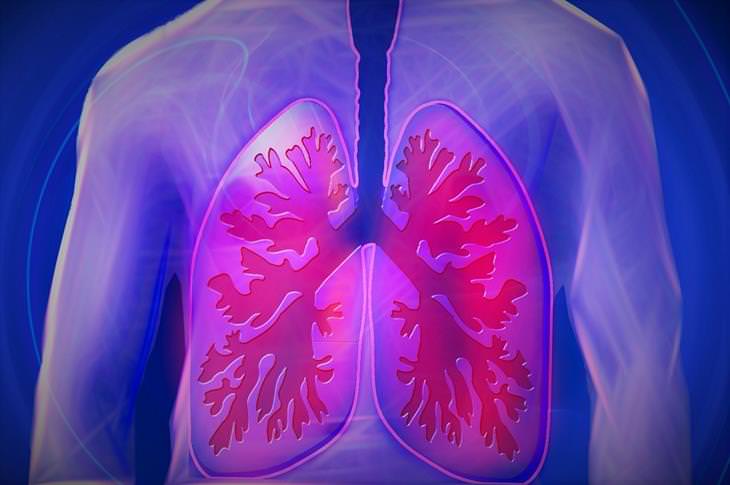
Sepsis
Because of this, the body tries to breathe faster, which causes unpleasant feelings such as difficulty breathing. Some patients develop shortness of breath that makes it hard to keep a healthy breathing rate. Therefore, if you experience this symptom along with a few others on this list, don’t ignore them and just hope they’ll pass.

As we’ve said before, if you experience a combination of these symptoms along with an infection, all experts recommend that you get medical help. You shouldn't delay as sepsis causes damage to the body that can develop and worsen over a few hours, and the faster you treat it, the more your body will prevent injuries that will worsen your health later in life. 
 
While the treatment varies from person to person, it is usually an aggressive process because quick action is needed; First, the doctors will treat the infection, provide the body with antibiotics and try to increase blood pressure by fluid infusion. They will then try to figure out exactly what the source of the infection is and act accordingly - in some cases, surgery or drainage is needed to control it. 
 
When it comes to sepsis and septic shock, remember that early detection is the most important thing in order to get the best treatment for you. If you are concerned that you are suffering from this condition, contact your doctor immediately.

This is only for your information, kindly take the advice of your doctor for medicines, exercises and so on.   

https://gscrochetdesigns.blogspot.com. one can see my crochet creations  
https://gseasyrecipes.blogspot.com. feel free to view for easy, simple and healthy recipes    
https://kneereplacement-stickclub.blogspot.com. for info on knee replacement

Labels: , , , , , , ,

Thursday, March 12, 2020

Low-dose aspirin may help new mothers cut preterm birth risk

Daily low-dose aspirin, from as early as the sixth week of pregnancy through the 36th week, may lower the risk of preterm birth among first-time mothers, suggest the results of a clinical trial which involved women from several low and middle-income countries, including India.

The study, published in the journal The Lancet, involved more than 11,000 women.

The results showed that women taking daily low-dose aspirin were 11 per cent less likely to deliver before the 37th week of pregnancy, compared to those given a placebo.
"Our results suggest that low-dose aspirin therapy in early pregnancy could provide an inexpensive way to lower the preterm birth rate in first-time mothers," said study author Marion Koso-Thomas of the US National Institutes of Health's Eunice Kennedy Shriver National Institute of Child Health and Human Development (NICHD).

Preterm birth is the most common cause of infant death and the leading cause of long-term neurological disability in children.

According to the study authors, advances in newborn care have improved survival for preterm infants, but this care is limited or unavailable in many parts of the world.

Earlier studies have suggested that low-dose aspirin may reduce the risk of preterm birth and pre-eclampsia, a potentially life-threatening blood pressure disorder of pregnancy.

However, these studies were not large enough to statistically determine the therapy's effectiveness in reducing preterm birth.

The researchers enrolled 11,976 women with a first-time pregnancy from seven sites in India, Pakistan, Zambia, Democratic Republic of the Congo, Guatemala and Kenya.

Roughly half were assigned at random to receive 81 milligrams of aspirin daily; the other group received a daily placebo. Women were included in the study only if they maintained a pregnancy for more than 20 weeks.

Preterm birth (before 37 weeks) occurred in 11.6 per cent of the women who took aspirin and in 13.1 per cent of the women who took the placebo.

Similarly, birth before 34 weeks (early preterm delivery) occurred in 3.3 per cent of the aspirin group and 4 per cent of the placebo group (a 25 per cent reduction).

Women in the aspirin group also had a lower rate of perinatal mortality (stillbirth or newborn death in the first seven days of life), compared to the placebo group (45.7 per 1,000 births vs 53.6 per 1,000 births).

The risk of high blood pressure disorders of pregnancy at term did not differ significantly between the groups.

The low cost and safety of low-dose aspirin therapy suggests that it could be easily adapted for wide-scale use, suggested the study authors.

This is only for your information, kindly take the advice of your doctor for medicines, exercises and so on.     

https://gscrochetdesigns.blogspot.com. one can see my crochet creations  
https://gseasyrecipes.blogspot.com. feel free to view for easy, simple and healthy recipes    
https://kneereplacement-stickclub.blogspot.com. for info on knee replacement
 

Labels: , , , , , , , , , , , , ,

Tuesday, December 03, 2019

Life-threatening bacteria found in Make-up products:

The vast majority of in-use make-up products such as beauty blenders, mascara and lip gloss are contaminated with potentially life threatening superbugs, researchers have warned.

"Make-up products used every day by millions of people in the UK are contaminated with potentially deadly bugs, such as E.coli and Staphylococci, because most are not being cleaned and are used far beyond their expiry dates," said study lead author.


According to the study published in the Journal of Applied Microbiology, bacteria that can cause illnesses ranging from skin infections to blood poisoning if used near eyes, mouth or cuts or grazes were found in nine out of ten of the products.

This risk is amplified in immunocompromised people who are more likely to contract infections from opportunistic bacteria.

The relatively new beauty blenders - sponges used to apply skin foundation products - were found to have the highest levels of potentially harmful bacteria - with the vast majority (93 per cent) not having ever been cleaned, despite more than two thirds (64 per cent) being dropped on the floor at some point during use.

The research looked at beauty blender products - hugely popular make-up sponges used to blend foundation and contouring on the face.

Often endorsed by celebrities, these sponges are estimated to have sold over 6.5 million worldwide.

The researchers found these products are particularly susceptible to contamination as they are often left damp after use, which creates an ideal breeding ground for harmful bacteria.


"Consumers' poor hygiene practices when it comes to using make-up, especially beauty blenders, is very worrying when you consider that we found bacteria such as E.coli - which is linked with faecal contamination - breeding on the products we tested," Bashir said.

The findings reveal that consumers are unwittingly putting themselves at risk, and that manufacturers and regulatory bodies should do more to protect their customers by making expiry dates and cleaning requirements more prominent on packaging.

EU guidance holds make-up brands to strict hygiene standards of manufacture and states that E.coli in particular should not be found in any concentration in new cosmetic products.

However, there is currently limited consumer protection around the risks of contaminating products while in use.

According to the study, post-Brexit, UK consumers could be at even greater risk as they will no longer be protected by EU regulations and could find themselves purchasing more beauty products from the US - for example - where there are no regulatory requirements to put expiry dates on make-up packaging at all.


this is only for your information, kindly take the advice of your doctor for medicines, exercises and so on.     
https://gscrochetdesigns.blogspot.com. one can see my crochet creations  
https://gseasyrecipes.blogspot.com. feel free to view for easy, simple and healthy recipes    
https://kneereplacement-stickclub.blogspot.com. for info on knee replacement


Labels: , , , , , , , , , , , , , , ,

Friday, August 02, 2019

The psychological and cognitive benefits related to breastfeeding

Breastfeeding has benefits for both the baby and the mother. The benefits are so significant that most organizations responsible for maternity and childcare in most countries recommend exclusive breastfeeding for the first 6 months of life and continued breastfeeding through 12 months or more. Breast milk is species-specific, made uniquely and specifically for the human infant. Proteins, minerals, and nutrients are present in amounts, form, and ratio which can be easily absorbed, digested and handled by the rapidly maturing organs like kidneys, stomach and blood of the infant. 

Cholesterol and docosahexaenoic acid have been shown to play a role in the development of the central nervous system development and may contribute to the enhanced intelligence quotient measurements reported in breastfed infants. Dr. shares how mother’s milk works best for the child.

Breast milk with large amounts of immunologically active contents protects infants against some life-threatening infections like ear infections (otitis media) croup, pneumonia, and gastrointestinal infections, There is also evidence that breastfeeding provides protection against some non-infectious illnesses such as asthmatic wheezing, eczema, childhood lymphoma, insulin-dependent childhood-onset diabetes, and obesity in children who are exclusively breastfed for the first 4 to 6 months of life.

Cognitive and psychological benefits for breastfed infants have been suggested, including those for developmental performance, accurate vision, performance in school and performance on standardized and intelligence quotient tests. Exclusive breastfeeding helps in reducing the infant mortality rate due to common childhood illnesses such as diarrhoea or pneumonia, a much-needed target for developing countries. Infant mortality rate (IMR) of India has reduced by 42 per cent over 11 years from 57 per 1,000 live births in 2006 to 33 in 2017, as per the latest government data released on May 30, 2019.

According to WHO and UNICEF, a newborn should be fed with breast milk exclusively for 6 months and should continue up to 2 years. Also as per the July 2018 report. Capture the Moment by UNICEF and the World Health Organization (WHO) delaying breastfeeding after birth can be life-threatening for the baby. To enable the mothers to establish and sustain exclusive breastfeeding for six months, it is recommended to initiate breastfeeding within the first few hours of life and to make sure that the infant only receives breast milk without any additional food or drink, not even water, there should be no usage of bottles and pacifiers.

Potential benefits to the mother include improved postpartum recovery, less postnatal depression, a lower incidence of subsequent obesity, a decreased risk of osteoporosis, increased spacing between births, lower cost of providing adequate infant nutrition, and reduced incidence of both breast and ovarian cancers.

THIS IS ONLY FOR INFORMATION, ALWAYS CONSULT YOU PHYSICIAN BEFORE HAVING ANY PARTICULAR FOOD/ MEDICATION/EXERCISE/OTHER REMEDIES.                                    PS- THOSE INTERESTED IN RECIPES ARE FREE TO  VIEW MY BLOG-                                                                                           https://gseasyrecipes.blogspot.com/                                                                                                                                                FOR INFO ABOUT KNEE REPLACEMENT, YOU CAN VIEW MY BLOG-                                                  https:// kneereplacement-stickclub.blogspot.com/                                                                      FOR CROCHET DESIGNS                                                                                                    
                                https://gscrochetdesigns.blogspot.com


Labels: , , , , , , , , , , , , , , , , ,