Tuesday, July 23, 2024

This Medicinal Herb-Echinacea is Loaded with Health Benefits

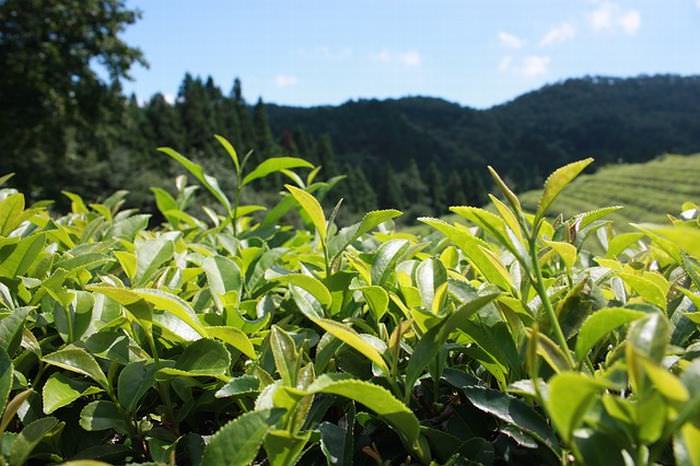
Echinacea, a medicinal herb also known as purple coneflower, was a commonly used treatment for illnesses such as scarlet fever and diphtheria before antibiotics were discovered. Today, while it’s classified as a supplement and not a medicine, echinacea still holds a place in the wellness world for its potential health benefits.
Echinacea
Modern research has continued to explore the advantages of this versatile plant, uncovering a range of surprising benefits. From bolstering the immune system to enhancing skin health, echinacea supplements offer a natural way to support overall well-being. Here are six surprisingly great benefits of incorporating echinacea into your daily regimen.


1. It can stimulate the immune system 
Echinacea has garnered attention for its potential immune-boosting properties. While often linked to cold prevention, research on its efficacy is varied. Studies have suggested that echinacea might offer some protection against upper respiratory infections, but its impact on the duration of illness remains inconclusive. Despite the mixed findings, echinacea continues to be a popular herbal supplement sought for its immune-boosting benefits. 
 
2. Can lower blood sugar levels
High blood sugar levels can lead to serious health issues, including type 2 diabetes and heart disease. Some research suggests that echinacea might help regulate blood sugar. Studies have shown that echinacea can potentially lower blood sugar by inhibiting enzymes involved in carbohydrate digestion. Additionally, the antioxidants in echinacea may improve blood sugar control and insulin sensitivity. 
 
 
3. May provide anxiety relief
Anxiety is a prevalent mental health issue affecting millions globally. Many seek alternative remedies, including herbal supplements like echinacea. Some studies indicate that echinacea may have anxiety-reducing properties due to its chemical composition, which inlcudes alkamides, rosmarinic acid, and caffeic acid. A few other studies report reduced anxiety symptoms with echinacea use, while others show no significant benefit.


4. Anti-inflammatory effects
Inflammation is the body's natural response to injury or infection, but prolonged inflammation can contribute to various health issues. Echinacea has been traditionally used to address these concerns. Studies suggest the herb may help reduce inflammation markers, potentially offering relief from conditions associated with chronic inflammation. By calming the body's inflammatory response, it may be effective in treating minor skin irritations or sore throats.
 
 
5. Can help heal wounds
Echinacea is sometimes recommended by healthcare professionals for patients with slow-healing wounds. A 2023 study published in the journal Molecules demonstrated that applying echinacea directly to wounds, in addition to oral consumption, can promote faster healing. This is due to echinacea's ability to stimulate the immune system and prevent infection. However, it's important to note that while echinacea can be beneficial, it should not replace standard medical treatment for wounds. 
 
 
6. Can help treat common skin concerns
skin issue
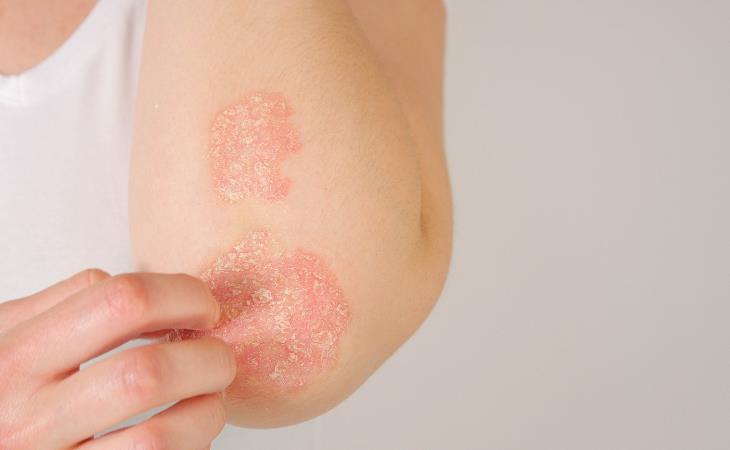
Studies suggest that echinacea plants might be effective in addressing common skin issues. One study highlighted a supplement with botanical extracts from eggplant and echinacea that showed improvement in mild to moderate acne when compared to a placebo. Despite this, it's uncertain how much of this benefit is directly due to echinacea.


A 2010 study found that skincare products containing echinacea extract improved skin hydration and reduced wrinkles. Additionally, a cream with Echinacea purpurea extract showed improvements in eczema symptoms and helped restore the skin’s protective outer layer. 
 
 
Are there any side effects to taking Echinacea supplements?
Echinacea
While echinacea is generally considered safe for short-term use, its long-term safety is less clear. Common side effects include digestive upsets and skin rashes. It's essential to consult with a healthcare provider before starting any new supplement regimen, especially for those with autoimmune conditions or those taking immunosuppressant medications. 
 
 
What is the ideal dosage?
 When choosing echinacea supplements, opt for those from reputable brands. For optimal results, consider the following dosage guidelines based on older research: 
 
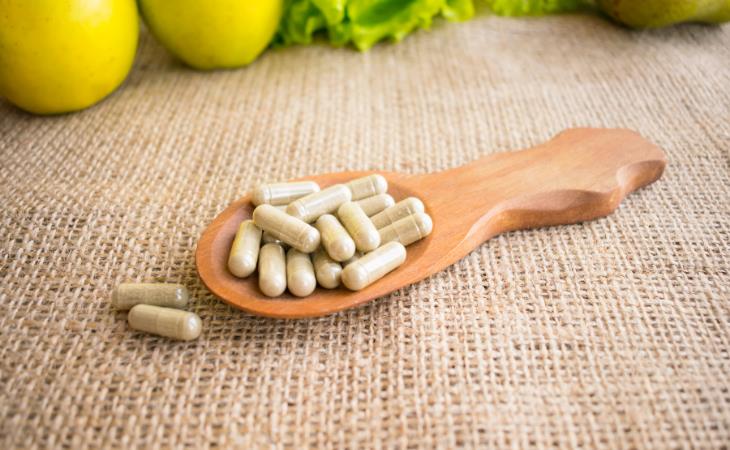
 Dry powdered extract: 300-500 milligrams three times daily 
 
Liquid extract tinctures: 2.5 milliliters three times daily or up to 10 milliliters daily. 
 
It's essential to remember that these recommendations are for short-term use. Always follow the specific instructions provided with your chosen supplement.


This is only for your information, kindly take the advice of your doctor for medicines, exercises and so on.   

https://gscrochetdesigns.blogspot.com. one can see my crochet creations  
https://gseasyrecipes.blogspot.com. feel free to view for easy, simple and healthy recipes    
https://kneereplacement-stickclub.blogspot.com. for info on knee replacement
https://cancersupportindia.blogspot.com  for infor on cancer and health related topics
https://GSiyers home remedies.blogspot.com   is the latest addition to my blogs. I'm going to add posts there, do give me your valuable feed back on my blogs. Thanks a lot, take care, be healthy and be happy.

Labels: , , , , , , ,

Monday, December 25, 2017

Herb Infused Water Aids Weight loss !


Water sure is a great way of detoxifying and boosting metabolism. But what's better is herb infused or detox water.

 So you must have heard dieticians recommending jeera/ cumin water or ajwain / carom seeds water or even barley water or even lemon-honey water. But ever wondered why your dietician is recommending you flavoured and infused water more than regular drinking water?

Drinking water is a great way of detoxification and boosting metabolism. But what's better is drinking herb infused water. This one has two-fold health benefits. Firstly, it boosts your body metabolism by increasing water intake and secondly it induces weight loss. Herb infused water recipes is easy to make, inexpensive and carry almost no calories at all. They are also known as detox or flavoured waters, with the only catch being that these recipes are healthier and better in terms of taste as well.

Moreover, research shows that herb infused or flavoured water help in inducing loss and also helps you maintain the same for a prolonged period of time. Whereas, drinking more and more water overtime may even give you extra pounds known as water weight.
Listed before are the many health benefits of drinking herb-infused water:
1. Herb infused water improves your mood
2. Flushes out toxins from the body
3. Naturally induces weight loss by cutting down extra body weight
4. Keeps you full for longer and reduces the frequency of hunger pangs
5. Keeps food moving through your body regularly
6. Improves your body stamina and keeps you moving during workout
7. Helps you recover faster from workout
8. Detox water helps in keeping your skin clear
9. It helps you get relief from chronic headaches, joint pains and stomach aches
10. Your sugar cravings come to a hold and the number of carbs and calories that you consume are also reduced.

An expert  gives her take on the same. She explains that herb infused waters do not usually promote weight loss because of the herbs added to it. It is because of the fact that due to the added flavour, you end up drinking more water which is primary for weight loss.

THIS IS ONLY FOR INFORMATION, ALWAYS CONSULT YOU PHYSICIAN BEFORE HAVING ANY PARTICULAR FOOD/ MEDICATION/EXERCISE/OTHER REMEDIES.   

PS- THOSE INTERESTED IN RECIPES ARE FREE TO VIEW MY BLOG-                      

HTTP:GSEASYRECIPES.BLOGSPOT.COM/
FOR INFO ABOUT KNEE REPLACEMENT, YOU CAN VIEW MY BLOG-                                                                       

HTTP://KNEE REPLACEMENT-STICK CLUB.BLOGSPOT.COM/
FOR CROCHET DESIGNS

HTTP://MY CROCHET CREATIONS.BLOGSPOT.COM


She explains that water is the main element for detoxification. When you drink more water, the toxins of your body are flushed out. For people dealing with uric acid, water is the perfect medicine; the more you drink the more you benefit.

Also, with the World Diabetes Day round the corner, she explains that herb infused drinks can also be taken by diabetics for better health. All you need to do is ensure that there is no sugar content in the drink. Ingredients like apple and cinnamon can be used for the herb infused drinks.

But how much water should a person drink? Like it has been stated drinking too much water can bloat you with it and even lead extra pounds known as water weight. An expert says that for people dealing with certain health issues, water intake can be limited to some litres. But for a normal and perfectly healthy human being, water intake can be varied on the basis of body weight. 40-50 ml of water per kg of body weight is the standard for every healthy individual.
 
Infused or detox water is the new cool in the field of weight loss and healthy living. With more and more dieticians promoting the benefits of herb infused water, you need to realize that the primary aim is to get you to drink more water every day. And it's not just herbs that you need to infuse in water; there is more than you can add to it. You can also prepare fruit infused water for better flavour and relish it all day long; before and after workout to keep you energised and around meals to keep you from overeating. 


Labels: , , , , , , , , , , , ,

Saturday, February 13, 2016

These 10 Herbs boosts one's memory

THIS IS ONLY FOR INFORMATION, ALWAYS CONSULT YOUR PHYSICIAN BEFORE HAVING ANY PARTICULAR FOOD/ MEDICATION/EXERCISE/OTHER REMEDIES.

FOR INFO ABOUT KNEE REPLACEMENT, YOU CAN VIEW MY BLOG
HTTP://KNEE REPLACEMENT-STICK CLUB.BLOGSPOT.COM/

FOR CROCHET DESIGNS- http://My Crochet Creations.blogspot.com/


whether it's to prevent or treat memory loss, these natural herbs have served as timeless aids. Let's take a look:  
 
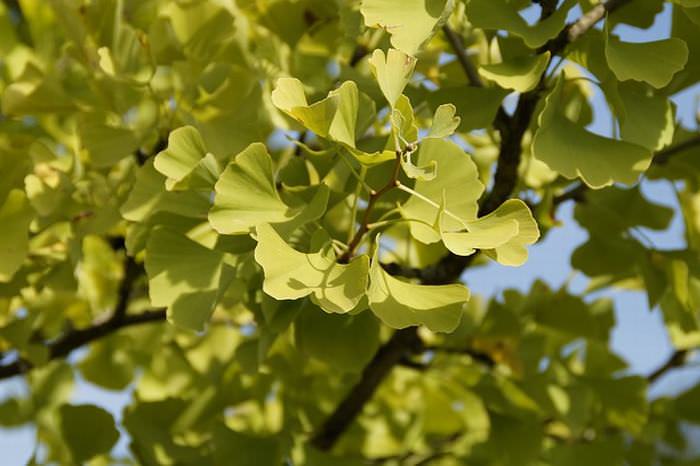
1. Gingko Biloba
Herbs for memory

This popular herbal supplement is well-known for its many therapeutic benefits, particularly, its power to enhance memory. Studies conducted on this herbal supplement have found gingko's potency in aiding memory and thinking among individuals with Alzheimer's or vascular dementia. Gingko is said to work by protecting the nerve cells damaged by these disorders to improve learning, daily activities, social behavior, as well as reduce feelings of depression. Further tests conducted on gingko have also found that it can improve blood circulation along the central nervous system, promoting brain development and functioning. But what makes gingko so potent? Gingko leaves contain flavonoids and terpenoids, both of which have antioxidants to combat free radicals that contribute to health disorders like Alzheimer's and dementia.
 
2. Ginseng
Herbs for memory

Studies have found ginseng to yield promising results when used as a form of treatment for memory impairment. In the studies conducted, mice given dosages of ginseng extracts showed remarkable improvements in water maze tasks. Ginseng was shown to activate neurotransmitter activities that promote memory enhancement.
 
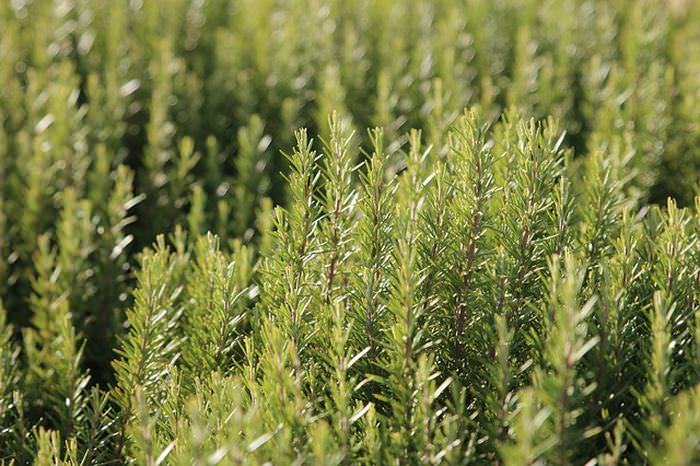
3. Rosemary
Herbs for memory

Traditionally, this aromatic herb has long been used to improve memory. Like gingko, rosemary has been shown to contain antioxidants that neutralize free radicals. When used in aromatherapy, rosemary has also been found to reduce cortisol levels in the brain, thereby reducing anxiety. Furthermore, when combined with other essential oils, rosemary has been shown to alleviate stress and increase concentration and memory of graduate nursing students.
 
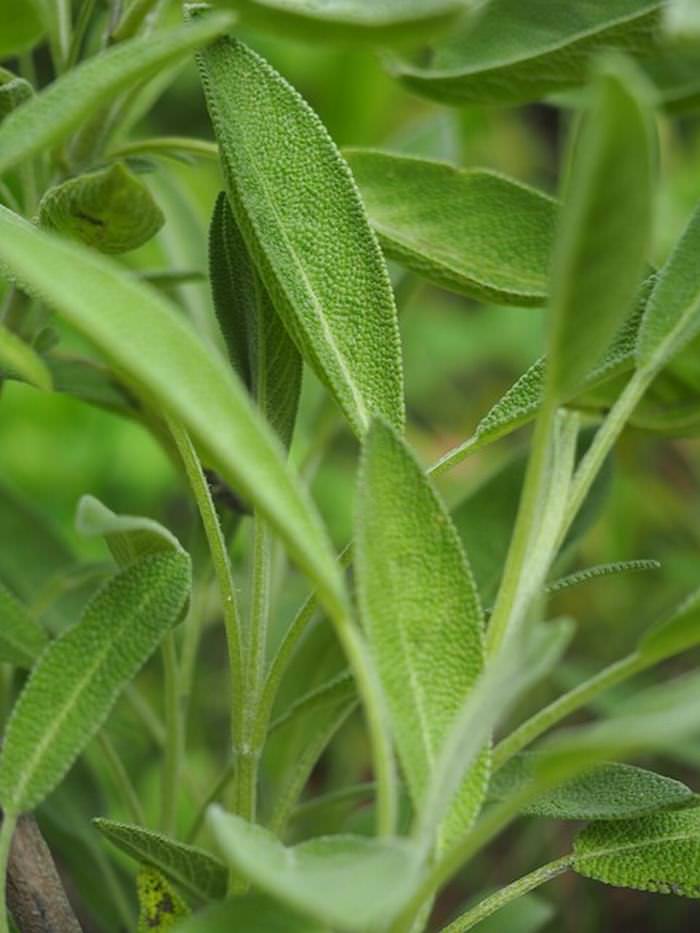
4. Sage
Herbs for memory

Studies have found that sage contains active ingredients that boost the chemicals that trigger transmission of messages within the brain. Scientists from the Universities of Newcastle and Northumbria also tested the herb on 44 people. Half the group were given sage, while the other half were given a placebo. Results showed that those who were given sage performed better in a word recall test.
 
5. Green Tea
Herbs for memory

Green tea is best known for its antioxidant properties. Scientific research conducted in March 2013, confirmed that green tea extracts help shield proteins and lipids (fat soluble vitamins: A, D, E and K) from age associated activities caused by oxidation. In the study, animals treated with green tea extracts showed better spatial learning abilities. Furthermore, studies suggest that the plant can protect the hippocampus (the part of the brain responsible for emotion, memory and the autonomic nervous system) from age-related decline.
 
6. Rhodiola Rosea
Herbs for memory

Rhodiola Rosea has long been used to treat various kinds of illnesses. But, rhodiola is best known for enhancing memory. In fact, it is considered to be one of the best herbs to do so. Studies have also discovered that rhodiola not only has the ability to improve one's focus and memory, it can also relieve depression. Furthermore, researchers believe that this herb contains adaptogenic qualities which stimulate the central nervous system of the body, resulting in enhanced memory and concentration. Another study also found that taking rhodiola regularly increases memorization abilities.
 
7. Bacopa
Herbs for memory


Bacopa has a long history. It was used in ayurveda (a 5000-year-old ancient system of natural healing) to enhance learning, concentration and memory. Numerous studies conducted on bacopa found it to be an effective herb in improving one's memory and mental function. In one study, conducted in Australia, 46 volunteers aging from 18 to 60 were divided into two groups. In one group, each volunteer was given 300mg of bacopa everyday. After 12 weeks, the subjects' verbal learning abilities, speed of information processing, and memory significantly improved.
 
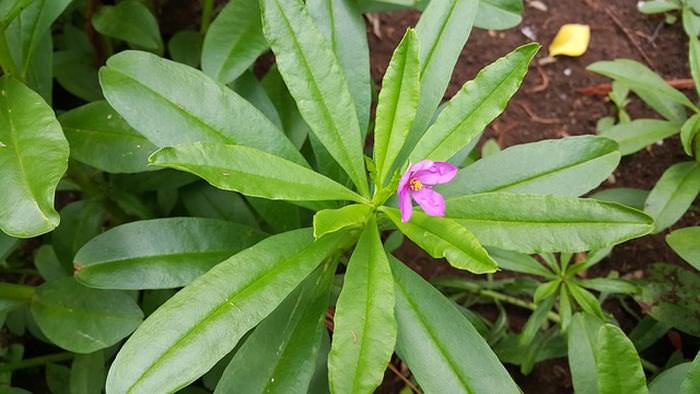
8. Gotu Kola
Herbs for memory


Gotu Kola shows promising results in enhancing memory and improving brain function. In traditional Chinese and ayurvedic medicine, gotu kola has also been used in rejuvenating the mind and the body. In fact, it is considered to be an anti-aging herb. Studies have found that gotu kola contains certain substances that increase brain power and improves blood circulation to the brain, resulting in better memory, concentration, intelligence and attention span.
 
9. Periwinkle
Herbs for memory
This herb is best known for its antispasmodic, antibacterial, anti-cancer and sedative effects. It is also a great herb to use to enhance memory. The seeds and leaves in periwinkle contain a blood thinner that improves circulation of the blood to the brain, promoting better oxygen use. It also prevents any damages to the blood vessels, preventing dementia and senility. Furthermore, it encourages the brain to absorb more nutrients, significantly improving its functions. By increasing oxygen supply to the brain, cognitive and memory abilities are significantly enhanced.  
 
10. Blueberries
Herbs for memory

Modern science has discovered that blueberries contain powerful compounds like flavanoids, believed to be effective in enhancing learning ability, cognitive functions, verbal comprehension, numerical ability, decision making, reasoning ability, and more importantly, memory. Eating foods rich in flavanoids regularly, helps in slowing down the decline in cognitive ability, offering protection against diseases like dementia, Parkinson's and Alzheimer's. Moreover, a study conducted at Harvard University found that eating blueberries helps in boosting brain power. It has also been found to stave off cognitive decline and prevent memory loss, that is normally associated with aging.

Labels: , , , , , , , , , , , , , , , ,

Tuesday, May 22, 2012

Lemon balm Tea For Cold Sores

Lemon balm (Melissa officinalis), a member of the mint family, is considered a calming herb. It was used as far back as the Middle Ages to reduce stress and anxiety, promote sleep, improve appetite, and ease pain and discomfort from indigestion (including gas and bloating, as well as colic). Even before the Middle Ages, lemon balm was steeped in wine to lift the spirits, help heal wounds, and treat venomous insect bites and stings. Today, lemon balm is often combined with other calming, soothing herbs, such as valerian, chamomile, and hops, to help promote relaxation. It is also used in creams to treat cold sores (oral herpes).

Labels: , , , , , , ,

Tuesday, September 27, 2011

GINGER's uses

Click Here To Join
Ginger, or shunti, is another versatile herbal remedy that doubles as a cooking spice. The root, or rhizome, is used to treat anything from benign conditions such as indigestion and nausea to more serious chronic problems such as arthritis and migraines. It is easily made into and herbal tea and makes a great home remedy to have on hand.

Labels: , , , , ,

ASHWAGANDHA- its benefits

Click Here To Join
Although traditionally an Ayurvedic herb, ashwagandha is now commonly used in herbal medicine throughout the West. Also known as winter cherry, it is naturally antibacterial, anti-inflammatory, and has immune-boosting properties.

It is your first line of defense against cancer and other immune system-related diseases. It helps improve vitality and combat insomnia, cancer, arthritis and diabetes.

Labels: , , , , , , , , , ,