Moringa ( drumstick): The Herb That Can Stop Cancer?
Moringa
is a herb that I had never really heard of until quite recently. Yet,
it’s been used for many millennia by people across Africa, Asia and
India for culinary purposes (tasting something like radish). But what
has got scientists very excited is its cancer healing properties
potential. Research has
found that the plant’s cytotoxic effects that harm living cells can
actually be deployed as a weapon against cancerous cells.
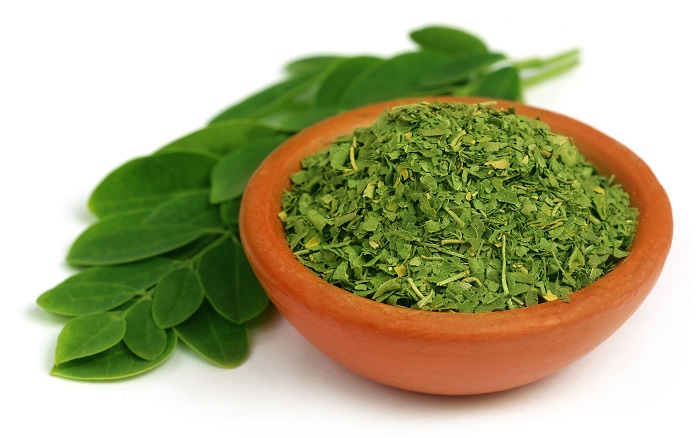
What is Moringa?
Read on to learn more about this exciting medical breakthrough…
What is Moringa?
Moringa
is a genus of flowering plants, of which there are 13 extant species.
The most cultivated and relevant Moringa tree is the moringa oleifera,
which is native to the foothills of the Himalayan mountains of India.
The name Moringa is thought to derive from several related local
languages and means 'drumstick', due to the appearance of the plant –
though I’m not sure if they were often used for rhythmic purposes.
You can take Moringa once a day, either in powder or capsule form. It’s also possible to apply Moringa oil topically onto the skin to ward off skin cancer and the growth of fungus.
You can take Moringa once a day, either in powder or capsule form. It’s also possible to apply Moringa oil topically onto the skin to ward off skin cancer and the growth of fungus.
Anti-Cancer properties
The main reason why Moringa has been getting a lot of attention among scientific circles is due to the presence of three key compounds which are found in the herb. Each of these has been shown in studies to inhibit, reduce, stop or kill cancerous cells, making Moringa an incredibly potent adversary against cancer.
1. Kaempferol: is an antioxidant that is also present in healthy foods such as strawberries, teas, beans, broccoli and apples. This compound is understood to be adept at stopping cancerous cells from spreading and reducing inflammation.
2. Rhamnetin: research has suggested that this compound is able to kill prostate cancer cells. It's also found in annual wormwood, orchard grass, green veg, sweet Annie and cloves.
3. Isoquercetin: is a compound that inhibits bladder cancer. It’s also found in cranberries, tomatoes, onions, red grapes and cherries.

 Other health benefits of Moringa
Compared to other similar foods, Moringa is amazingly nutritious. The nutritionist advises that a single cup of chopped Moringa leaves provides:
• 3g protein
• 19% RDA of vitamin B6
• 12% RDA of vitamin C
• 11% RDA of iron
• 9% RDA of vitamin A
• 8% RDA of magnesium
The main reason why Moringa has been getting a lot of attention among scientific circles is due to the presence of three key compounds which are found in the herb. Each of these has been shown in studies to inhibit, reduce, stop or kill cancerous cells, making Moringa an incredibly potent adversary against cancer.
1. Kaempferol: is an antioxidant that is also present in healthy foods such as strawberries, teas, beans, broccoli and apples. This compound is understood to be adept at stopping cancerous cells from spreading and reducing inflammation.
2. Rhamnetin: research has suggested that this compound is able to kill prostate cancer cells. It's also found in annual wormwood, orchard grass, green veg, sweet Annie and cloves.
3. Isoquercetin: is a compound that inhibits bladder cancer. It’s also found in cranberries, tomatoes, onions, red grapes and cherries.
Application against Cancer
Aside from the above three properties, studies have found that eugenol is also found in the leaves and bark of Moringa. This means the plant may also be a very good anti-cancer medicine for leukemia, bone, gastric and skin cancer. There has also been promising research conducted on mice, in relation to liver cancer. This research has shown that oxidants in Moringa can repair liver tissue and provide virtually complete protection.
Interestingly, these anti-cancer properties can only be extracted from the leaves and bark. The seeds don’t seem to offer any similar medical hope.
Aside from the above three properties, studies have found that eugenol is also found in the leaves and bark of Moringa. This means the plant may also be a very good anti-cancer medicine for leukemia, bone, gastric and skin cancer. There has also been promising research conducted on mice, in relation to liver cancer. This research has shown that oxidants in Moringa can repair liver tissue and provide virtually complete protection.
Interestingly, these anti-cancer properties can only be extracted from the leaves and bark. The seeds don’t seem to offer any similar medical hope.
Compared to other similar foods, Moringa is amazingly nutritious. The nutritionist advises that a single cup of chopped Moringa leaves provides:
• 3g protein
• 19% RDA of vitamin B6
• 12% RDA of vitamin C
• 11% RDA of iron
• 9% RDA of vitamin A
• 8% RDA of magnesium
THIS IS ONLY FOR INFORMATION, ALWAYS CONSULT YOU PHYSICIAN BEFORE HAVING ANY PARTICULAR FOOD/ MEDICATION/EXERCISE/OTHER REMEDIES. PS- THOSE INTERESTED IN RECIPES ARE FREE TO VIEW MY BLOG- https://gseasyrecipes.blogspot.com/
FOR INFO ABOUT KNEE REPLACEMENT, YOU CAN VIEW MY BLOG- https:// kneereplacement-stickclub.blogspot.com/FOR CROCHET DESIGNS https://gscrochetdesigns.blogspot.com
Labels: anti-cancer, antioxidant, Apples, beans, bladder, bone, Broccoli, cancerous cells, cranberry, cytotoxic, drumstick / moringa, effects, gastric, inhibit, kill, Leukemia, reduce, Skin cancer, strawberry, tea
posted by G S Iyer at 2:03 AM
0 comments

