Tuesday, June 26, 2018

Advanced Prostate Cancer Treatment: Side Effects

The medicines you take to treat advanced prostate cancer are strong. They can cause side effects, but there are lots of ways to manage them.
Remember, you need to let your doctor know what's going on with you. He may be able to adjust your doses or switch your treatments, and that can make a difference.

Incontinence

When you laugh, cough, or sneeze, you may leak urine or find that you can't control its flow. This can happen after you have surgery to remove your prostate, as well as from radiation therapy.
Try these tips:
  • Cut back on or avoid alcohol and caffeine.
  • Do Kegel exercises to strengthen the muscles that control the flow of urine.

Infertility

This may happen after some treatments for prostate cancer, such as:
  • Surgery to remove your prostate gland
  • Radiation of your pelvis
  • Chemotherapy
Because infertility may be permanent, if you want to have children in the future you should talk to your doctor about banking your sperm.

Hormonal Changes

You may need to take medicines to lower your levels of testosterone and other male sex hormones because those hormones can fuel the growth of your cancer. There are side effects, but also ways to deal with these problems.
During treatment, you may:
  • Gain weight
  • Develop breasts or have tenderness
  • Feel depressed
  • Lose muscle mass
  • Develop weaker bones
  • Have hot flashes
When your testosterone levels are low, you may also be more likely than other men to have:
  • Diabetes
  • Heart attack
  • High blood pressure
You can control many of the symptoms with medication and lifestyle changes. Dietary supplements, such as calcium and vitamin D, along with exercise and weight training, can help boost bone strength.
Those hormonal changes are reversible. So if you don't like how it makes you feel, let your doctor know in case you could switch medicines.

Erectile Dysfunction (ED)

Several treatments for advanced prostate cancer can cause ED, including:
  • Surgery
  • Hormone therapy
  • Radiation to the prostate
You can take care of your ED with medicine and other treatments:
  • Sildenafil (Viagra)
  • Tadalafil (Cialis)
  • Vardenafil (Levitra)
  • Penile injectable medications such as alprostadil (Caverject Impulse, Edex)
  • Vacuum pump. It's a device that uses suction to achieve an erection and an elastic ring to maintain it.
  • Penile implants

Diarrhea

You can get this from:
  • Hormone therapy, especially the combination of luteinizing hormone-releasing hormone (LHRH) agonists and anti-androgen therapies
  • Chemotherapy
  • Radiation to the prostate. This is less common with newer, focused techniques.
To ease the symptoms, drink 8 to 12 cups of clear liquids every day, such as:
  • Water
  • Apple juice
  • Sports drinks
Also, change your diet. Eat five to six small meals a day rather than three large ones. And try foods that are easy on the stomach, such as:
  • Skinless broiled or baked chicken
  • Rice
  • Boiled potatoes
Avoid things that can irritate your intestines, such as:
  • Milk and dairy products
  • Spicy foods
  • Caffeine
  • High-fiber foods
  • Greasy foods
Ask your doctor if you need any supplements.

Fatigue

The cancer or some treatments for it, like radiation, hormone therapy, chemo, or vaccines, can make you feel wiped out. You can get some energy back if you:
  • Exercise every day.
  • Eat nutritious food and stay hydrated.
  • Get enough rest.
  • Focus on your most important tasks and delegate the rest to friends and family.
If your cancer treatment gives you anemia (low red blood cell counts), you may also feel tired. Your doctor may suggest supplements, drugs, or blood transfusions to help.

Nausea and Vomiting

This often happens during chemotherapy and may also be a side effect of vaccine therapy. Try these tips:
  • Eat a light meal on treatment days.
  • Stick to foods and drinks that are easy on the stomach.
  • Wear loose-fitting clothes.
  • Talk to your doctor about drugs you can take before your treatment to help prevent and control nausea and vomiting. If one doesn't work, try another.
Also, ask your doctor about complementary treatments, such as:
  • Acupuncture
  • Hypnosis
  • Biofeedback
  • Guided imagery
They may also help manage side effects.

THIS IS ONLY FOR INFORMATION, ALWAYS CONSULT YOU PHYSICIAN BEFORE HAVING ANY PARTICULAR FOOD/ MEDICATION/EXERCISE/OTHER REMEDIES.                                                                                                                                                                                                        PS- THOSE INTERESTED IN RECIPES ARE FREE TO  VIEW MY BLOG-                                                                                           https://gseasyrecipes.blogspot.com/  

FOR INFO ABOUT KNEE REPLACEMENT, YOU CAN VIEW MY BLOG-                                                                                        https:// kneereplacement-stickclub.blogspot.com/                              
FOR CROCHET DESIGNS                                                                                                                                                                                                                                 https://gscrochetdesigns.blogspot.com


Labels: , , , , , , , , , , , , , , ,

Thursday, January 29, 2015

Chronic Pain Causes and Solutions

What Causes Pain?

Pain results from a signal sent from your nerves to your brain. It can serve as an alarm, a warning -- that you're stepping on a nail or touching a hot stove. But sometimes the signals keep firing, and the pain continues. That’s when it becomes chronic.

 Signs You Need Pain Relief
Anybody with frequent or daily pain -- even mild -- should see a doctor. That's especially true if the pain is interfering with your life -- limiting activities or the ability to work. Keep in mind that chronic pain can creep up on you. What starts as occasional and bothersome can, over the years, become serious and debilitating.

Pain Relief Measures- 1)Walking
Walk more: It's one of the best prescriptions we have to help chronic pain. Daily pain tends to make people less active, and that often makes pain worse. Exercise also releases endorphins -- the body's natural painkillers. Aim to walk -- or exercise in other ways -- five times a week for 30 minutes a day. Work up to it slowly, adding a few minutes a week.

2)Pain and Sleep

Not only can pain ruin your sleep, but not getting enough sleep can make chronic pain hurt more the next day. It's a vicious cycle. If pain is making it hard to sleep, talk to your doctor. Getting into good bedtime habits -- including keeping a regular bedtime and wake time schedule -- can help too.

3)Distract Yourself

We sometimes think of distraction as a bad thing that stops you from getting stuff done. But it can actually be a treatment if you have chronic pain. Studies show that when you're distracted -- by a conversation, or a crossword puzzle, or a book -- the areas in your brain that process pain are less active. Getting your mind off your pain really does help -- even on a neurological level.

4)Diet Changes

Could food be affecting your pain? It's possible. People with migraines often find that specific foods -- like red wine and cheeses -- trigger attacks. Fatty meats or milk may worsen the pain of inflammatory arthritis. Keep a food diary for a few weeks to see whether any foods seem to increase your pain. Then cut them out and see if your symptoms get better.

5)Track Your Hurts

Pain is elusive -- it can be hard to describe. Make it more concrete by keeping a pain journal. Note how much you hurt each day using a pain scale. A popular one asks you to rate your pain from 1 to 10, from least severe to worst. Others use smiling and frowning faces and add details about what you did that day. After a few weeks, you'll have a valuable record to share with your doctor.

6)Breathe Deeply

Take a minute to breathe deeply and slowly. Put your hand on your belly and feel it rise and fall. After a few minutes of deep breathing, you may feel some pain and tension melt away. What's great about deep breathing as a pain treatment is you can do it anywhere -- when you're stuck in a traffic jam or at your desk.

7)Strength Training

Strengthening muscles -- with weights or resistance exercises -- may reduce pain as effectively as many drugs for back pain and arthritis. Building strength also improves your balance and flexibility. Aim to strengthen muscles twice a week.

8) Biofeedback

Biofeedback teaches you how to control certain body processes that normally happen without thinking -- like heart rate and blood pressure. By using sensors connected to a computer, you learn how to relax your muscles, ease tension, and reduce pain.

9) Supplements

Ask your doctor about supplements for daily pain. Studies show that some seem to help. Fish oil, glucosamine, chondroiton sulfate and SAMe may help with the stiff, painful joints of arthritis. 

10) Yoga

The gentle stretching and mind-body techniques of yoga can help with daily pain -- from sore backs to fibromyalgia to arthritis. Studies show that regular yoga can ease pain, increase function, improve mood, and reduce the need for pain medication.

11) Avoid Prolonged Bed Rest

In the old days, people treated pain with rest. Now, doctors say that while a little rest is OK after a new injury -- like an ankle sprain -- it won't help with chronic pain. Lying on the couch for too long will weaken muscles and may make pain worse, not better. Instead, try to keep active.

12) Physical, Occupational Therapy

Physical and occupational therapy both can help with chronic pain. In physical therapy, you'll learn exercises and get treatments that help increase mobility and build strength. Occupational therapy helps you work around pain -- teaching you new ways to do things, from buttoning buttons to cooking dinner.

13) Talk Therapy

Some people with pain feel reluctant to get help from a counselor or therapist -- they think it's an admission that the pain is not real, that it's "all in their heads." That's not true at all. Therapists can help you grapple with the impact of pain on your life -- and work through practical solutions to the problems you face each day.

Don't Overuse OTC Painkillers

When it comes to pain treatment, don't do it yourself. Over-the-counter painkillers -- such as acetaminophen, aspirin, and ibuprofen -- are good for occasional pain, but they may be risky if you take them in high doses or for a long time. Always follow the instructions on the medicine bottle and don't use OTC painkillers for more than 10 days in a row unless a doctor is supervising.

Seeing a Pain Expert

If you're in chronic pain, see a specialist. A pain specialist focuses on one thing: getting rid of your pain. Many work at specialty pain centers. There, you may get all sorts of treatment -- from medication to massage -- under one roof. Ask your doctor for a referral -- or call local medical centers to see if they have a pain management clinic.

How to Talk About Pain

Don't just tell your doctor it hurts. Have specifics so your doctor can really understand how pain is affecting you.
  • Describe exactly what the pain feels like. Aching? Burning?
  • Describe how pain affects your life. Does it slow you down? Make it hard to work?
  • What makes the pain better or worse? Specific times of day or activities? Medications?

Medications

Painkillers aren't the only medications that may help -- some drugs for depression and epilepsy work well to help treat chronic pain. Antidepressants alter levels of chemicals in the brain that affect pain levels and your mood. Drugs for epilepsy seem to block pain signals going to the brain.

Surgery

For hard-to-treat pain, surgery is sometimes an option. Possibilities range from operations to correct the underlying cause -- such as a slipped disc for back pain -- to implanted pain control devices. Although surgery can bring relief, it has risks and works only in specific circumstances. Talk about the possibilities with your doctor.

Substance Use

Don't rely on alcohol or illicit drugs to control pain. Self-medicating may ease pain in the moment, but over time substance abuse can make chronic pain worse. Alcohol and illicit substances can have dangerous interactions with your other medications. If you're leaning on alcohol or substances to get through the day, get help.

THIS IS ONLY FOR INFORMATION, ALWAYS CONSULT YOU PHYSICIAN BEFORE HAVING ANY PARTICULAR FOOD/ MEDICATION/EXERCISE/OTHER REMEDIES.


PS- THOSE INTERESTED IN RECIPES ARE FREE TO VIEW MY BLOG-
HTTP:GSEASYRECIPES.BLOGSPOT.COM/ 


FOR INFO ABOUT KNEE REPLACEMENT, YOU CAN VIEW MY BLOG-
HTTP://KNEE REPLACEMENT-STICK CLUB.BLOGSPOT.COM/

FOR CROCHET DESIGNS


HTTP://MY CROCHET CREATIONS.BLOGSPOT.COM

Labels: , , , , , , , , , , ,

Non-Drug Treatments for Migraines

Biofeedback

Your body responds to pain with physical changes like a faster heart rate, tensed muscles, or cold hands. In biofeedback, sensors measure these changes, and then feed the information to you as a blinking light or a tone you can hear.
You learn relaxation techniques to control your physical state. Biofeedback is often referred to as "mind over migraine," and studies show it can often reduce migraine pain and frequency.

Massage

This therapy hasn't been studied in depth, but early research is promising. One study showed that massage therapy lowered the number of headaches people got, though it didn't help with pain once a migraine got started.
Massage is also often used to ease stress, a common migraine trigger.

Supplements

Research suggests that taking riboflavin (vitamin B2) might help you get migraines less often, though it doesn't seem to relieve pain during a headache. Coenzyme Q-10 may also lead to fewer migraines in adults and children, though it usually needs to be taken for several months to see a benefit.
Before you take a supplement, it's important to talk with your doctor to be sure it won't react badly with other medicines.

Relaxation Techniques

Because migraines are often triggered by stress, relaxation training may help. Some methods that often have good results include deep breathing and progressive muscle relaxation, in which you tense and relax the muscles in different parts of your body.
With practice, relaxation training can help counter your body's response to stress and may prevent migraines.

Exercise

Regular cardio exercise -- workouts that get your heart pumping -- may make migraines less severe or happen less often.
A Swedish study compared exercise with relaxation and a drug that prevents migraines. The cardio routine -- 40 minutes, three times a week -- worked as well as relaxation or medicine in reducing the level of pain and the frequency of migraines.

Spinal Manipulation

There's some controversy over whether this technique, also called getting "adjusted" by a chiropractor, can help with migraines. But one small study compared spinal manipulation against an effective drug treatment and found it worked just as well to prevent migraines.
There are some risks with spinal manipulation, so discuss it with your doctor before trying it.

Talk Therapy

Cognitive-behavioral therapy, which focuses on changing your thought patterns and actions, may help you have fewer migraines.
Getting talk therapy doesn't mean that you have emotional problems or that your migraines are imaginary. It helps people get a fresh approach to situations that may lead to headaches. It works especially well combined with other treatments to prevent migraines.

Transcranial Magnetic Stimulation

TMS uses a device held against your scalp to send painless magnetic pulses into your brain.
If you have migraines with aura, or visual disturbances, TMS done during the aura phase may shorten the length of the migraine and make it less intense.

Diet Changes

Some people find that certain foods trigger their migraines. Common ones include alcohol, caffeine, chocolate, canned foods, cured or processed meats, aged cheeses, cultured dairy, MSG, and aspartame.
Keep a food diary to help you remember what you ate before a migraine came on. Then cut out these foods one at a time to see if it helps with your headaches.

Herbal Remedies

Feverfew may ease pain, nausea, and sensitivity to light during a migraine, as well as help you have fewer headaches, but the research is mixed.
Some studies show that an extract of the herb butterbur may help prevent migraines. But the herb itself is toxic, so only use a commercially prepared product.
Talk with your doctor about any herbal remedy you're thinking of trying. He'll let you know if it's safe for you.

Pressure

Many people find that applying gentle pressure to the head, face, and neck during a migraine can help ease the pain. Techniques to try:
  • Press the brow line and under the eyes.
  • Rub the temples and jaw in a circular motion.
  • Massage the base of the skull with a tennis ball.
A variety of head wraps and bands claim to ease migraine pain. They're inexpensive and might be worth a try.

Sleep

Studies show that poor sleep and migraines often go hand in hand, so changing some of your bedtime habits may help. Things to try:
  • Don't read, watch TV, or listen to music in bed.
  • Don't take naps.
  • Don't eat within 4 hours or drink within 2 hours of bedtime.

Good Habits Fight Migraines

Your lifestyle can have a big impact on how often you get your headaches. These tips can help:
  • Don't skip meals.
  • Stay hydrated.
  • Get regular exercise.
  • Maintain a healthy weight.
THIS IS ONLY FOR INFORMATION, ALWAYS CONSULT YOU PHYSICIAN BEFORE HAVING ANY PARTICULAR FOOD/ MEDICATION/EXERCISE/OTHER REMEDIES.


PS- THOSE INTERESTED IN RECIPES ARE FREE TO VIEW MY BLOG-
HTTP:GSEASYRECIPES.BLOGSPOT.COM/ 


FOR INFO ABOUT KNEE REPLACEMENT, YOU CAN VIEW MY BLOG-
HTTP://KNEE REPLACEMENT-STICK CLUB.BLOGSPOT.COM/

FOR CROCHET DESIGNS


HTTP://MY CROCHET CREATIONS.BLOGSPOT.COM

Labels: , , , , , , , , , ,

Friday, January 24, 2014

Chronic Pain Causes and Solutions

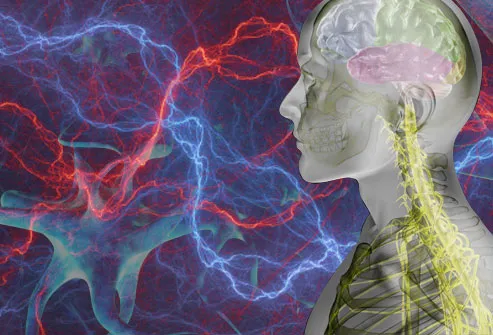
illustration of nerves and brain
What Causes Pain?
Pain results from a signal sent from your nerves to your brain. It can serve as an alarm, a warning -- that you're stepping on a nail or touching a hot stove. But sometimes the signals keep firing, and the pain continues. That’s when it becomes chronic.

Signs You Need Pain Relief
Anybody with frequent or daily pain -- even mild -- should see a doctor. That's especially true if the pain is interfering with your life -- limiting activities or the ability to work. Keep in mind that chronic pain can creep up on you. What starts as occasional and bothersome can, over the years, become serious and debilitating.

Pain Relief: Walking
Walk more: It's one of the best prescriptions we have to help chronic pain. Daily pain tends to make people less active, and that often makes pain worse. Exercise also releases endorphins -- the body's natural painkillers. Aim to walk -- or exercise in other ways -- five times a week for 30 minutes a day. Work up to it slowly, adding a few minutes a week.


Pain Relief: Acupuncture
Once viewed by many in the U.S. as outlandish, acupuncture is now a common treatment for some chronic pain. Why does poking needles in the skin help? No one's really sure. It may help release natural painkillers in the body or block pain signals from the nerves.

Pain and Sleep
Not only can pain ruin your sleep, but not getting enough sleep can make chronic pain hurt more the next day. It's a vicious cycle. If pain is making it hard to sleep, talk to your doctor. Getting into good bedtime habits -- including keeping a regular bedtime and wake time schedule -- can help too.

 Distract Yourself
We sometimes think of distraction as a bad thing that stops you from getting stuff done. But it can actually be a treatment if you have chronic pain. Studies show that when you're distracted -- by a conversation, or a crossword puzzle, or a book -- the areas in your brain that process pain are less active. Getting your mind off your pain really does help -- even on a neurological level.


 Diet Changes
Could food be affecting your pain? It's possible. People with migraines often find that specific foods -- like red wine and cheeses -- trigger attacks. Fatty meats may worsen the swelling and pain of rheumatoid arthritis. Keep a food diary for a few weeks to see whether any foods seem to increase your pain. Then cut them out and see if your symptoms get better.


Track Your Hurts
Pain is elusive -- it can be hard to describe. Make it more concrete by keeping a pain journal. Note how much you hurt each day using a pain scale. A popular one asks you to rate your pain from 1 to 10, from least severe to worst. Others use smiling and frowning faces and add details about what you did that day. After a few weeks, you'll have a valuable record to share with your doctor.


Breathe Deeply
Take a minute to breathe deeply and slowly. Put your hand on your belly and feel it rise and fall. After a few minutes of deep breathing, you may feel some pain and tension melt away. What's great about deep breathing as a pain treatment is you can do it anywhere -- when you're stuck in a traffic jam or at your desk.


Strength Training
Strengthening muscles -- with weights or resistance exercises -- may reduce pain as effectively as many drugs for back pain and arthritis. Building strength also improves your balance and flexibility. Aim to strengthen muscles twice a week.

Biofeedback
Biofeedback teaches you how to control certain body processes that normally happen without thinking -- like heart rate and blood pressure. By using sensors connected to a computer, you learn how to relax your muscles, ease tension, and reduce pain.


 Supplements
Ask your doctor about supplements for daily pain. Studies show that some seem to help. Fish oil, glucosamine, and SAMe, which is believed to reduce inflammation, may help with the stiff, painful joints of arthritis.  


 Yoga
The gentle stretching and mind-body techniques of yoga can help with daily pain -- from sore backs to fibromyalgia to arthritis. Studies show that regular yoga can ease pain, increase function, improve mood, and reduce the need for pain medication.

Avoid Prolonged Bed Rest
In the old days, people treated pain with rest. Now, doctors say that while a little rest is OK after a new injury -- like an ankle sprain -- it won't help with chronic pain. Lying on the couch for too long will weaken muscles and may make pain worse, not better. Instead, try to keep active.


Physical, Occupational Therapy
Physical and occupational therapy both can help with chronic pain. In physical therapy, you'll learn exercises and get treatments that help increase mobility and build strength. Occupational therapy helps you work around pain -- teaching you new ways to do things, from buttoning buttons to cooking dinner.


Talk Therapy
Some people with pain feel reluctant to get help from a counselor or therapist -- they think it's an admission that the pain is not real, that it's "all in their heads." That's not true at all. Therapists can help you grapple with the impact of pain on your life -- and work through practical solutions to the problems you face each day.

Don't Overuse OTC Painkillers
When it comes to pain treatment, don't do it yourself. Over-the-counter painkillers -- such as acetaminophen, aspirin, and ibuprofen -- are good for occasional pain, but they may be risky if you take them in high doses or for a long time. Always follow the instructions on the medicine bottle and don't use OTC painkillers for more than 10 days in a row unless a doctor is supervising.


Seeing a Pain Expert
If you're in chronic pain, see a specialist. A pain specialist focuses on one thing: getting rid of your pain. Many work at specialty pain centers. There, you may get all sorts of treatment -- from medication to massage -- under one roof. Ask your doctor for a referral -- or call local medical centers to see if they have a pain management clinic.

How to Talk About Pain
Don't just tell your doctor it hurts. Have specifics so your doctor can really understand how pain is affecting you.
Describe exactly what the pain feels like. Aching? Burning?
Describe how pain affects your life. Does it slow you down? Make it hard to work?
What makes the pain better or worse? Specific times of day or activities? Medications?


Medications
Painkillers aren't the only medications that may help -- some drugs for depression and epilepsy work well to help treat chronic pain. Antidepressants alter levels of chemicals in the brain that affect pain levels and your mood. Drugs for epilepsy seem to block pain signals going to the brain.

Surgery
For hard-to-treat pain, surgery is sometimes an option. Possibilities range from operations to correct the underlying cause -- such as a slipped disc for back pain -- to implanted pain control devices. Although surgery can bring relief, it has risks and works only in specific circumstances. Talk about the possibilities with your doctor.


Don't rely on alcohol or illicit drugs to control pain. Self-medicating may ease pain in the moment, but over time substance abuse can make chronic pain worse. Alcohol and illicit substances can have dangerous interactions with your other medications. If you're leaning on alcohol or substances to get through the day, get help.

Healing Your Pain
For most people with ongoing pain, there is no single, miracle cure. Instead, good pain management is usually a combination of approaches. That might include a new exercise routine, improved habits, medication, and alternative therapies. It may take time, but you'll most likely find a combination that works for you.

ps- this is only for information, always consult you physician before having any particular food/ medication/exercise/other remedies.
ps- those interested in recipes are free to view my blog-

http://gseasyrecipes.blogspot.com/


for info about knee replacement, you can view my blog-


http://Knee replacement-stick club.blogspot.com/


for crochet designs


http://My Crochet Creations.blogspot.com

Labels: , , , , , , , , , , , , , , , , , ,

Tuesday, October 22, 2013

Natural Remedies for Type 2 Diabetes

Diabetes treatment can include many elements, including traditional medications, alternative medicine, and natural remedies. Please read till the end & come to a conclusion.
Alternative therapies encompass a variety of disciplines that include everything from diet and exercise to mental conditioning and lifestyle changes. Examples of alternative treatments include acupuncture, guided imagery, chiropractic treatments, yoga, hypnosis, biofeedback, aromatherapy, relaxation exercises, herbal remedies, massage, and many others.
The National Center for Complementary and Alternative Medicine, part of the National Institutes of Health, defines complementary and alternative medicine as a "group of diverse medical and health care systems, practices, and products that are not presently considered to be part of conventional medicine." Complementary medicine is used with conventional treatments, whereas alternative medicine is used instead of conventional medicine.
Some people with diabetes use complementary or alternative therapies to treat diabetes. Although some of these therapies may be effective, others can be ineffective or even harmful. Patients who use complementary and alternative medicine need to let their healthcare providers know what they are doing.

What Alternative Treatments Are Used As Diabetes Treatment?

Acupuncture
Acupuncture is a procedure in which a practitioner inserts very thin needles into designated points on the skin. Some scientists say that acupuncture triggers the release of the body's natural painkillers. Acupuncture has been shown to offer relief from chronic pain. Acupuncture is sometimes used by people with neuropathy, the painful nerve damage of diabetes.
Biofeedback
Biofeedback is a technique that helps a person become more aware of and learn to deal with the body's response to pain. This alternative therapy emphasizes relaxation and stress-reduction techniques.
Guided imagery is a relaxation technique that some professionals who use biofeedback also practice. With guided imagery, a person thinks of peaceful mental images, such as ocean waves. A person may also include the images of controlling or curing a chronic disease, such as diabetes. People using this technique say these positive images can ease their condition.

What Natural Dietary Supplements Are Used for Diabetes Treatment?

Chromium
The benefit of added chromium for diabetes has been studied and debated for several years. Several studies report that chromium supplements may improve diabetes control. Chromium is needed to make glucose tolerance factor, which helps insulin improve its action. Because of insufficient information on the use of chromium to treat diabetes, no recommendations for supplementation exist.
Ginseng
Several types of plants are referred to as ginseng, but most studies of ginseng and diabetes have used American ginseng. Those studies have shown some sugar-lowering effects in fasting and after-meal blood sugar levels as well as in A1c levels (average blood sugar levels over a three-month period). However, larger and more long-term studies are needed before general recommendations for use of ginseng can be made. Researchers also have determined that the amount of sugar-lowering compound in ginseng plants varies widely.
Magnesium
Although the relationship between magnesium and diabetes has been studied for decades, it is not yet fully understood. Studies show that a deficiency in magnesium may worsen blood sugar control in type 2 diabetes. Scientists say that a deficiency of magnesium interrupts insulin secretion in the pancreas and increases insulin resistance in the body's tissues. Evidence suggests that a deficiency of magnesium may contribute to certain diabetes complications. A recent analysis showed that people with higher dietary intakes of magnesium (through consumption of whole grains, nuts, and green leafy vegetables) had a decreased risk of type 2 diabetes.
Vanadium
Vanadium is a compound found in tiny amounts in plants and animals. Early studies showed that vanadium normalized blood sugar levels in animals with type 1 and type 2 diabetes. A recent study found that when people with diabetes were given vanadium, they developed a modest increase in insulin sensitivity and were able to decrease their insulin requirements. Currently researchers want to understand how vanadium works in the body, discover potential side effects, and establish safe dosages.
Coenzyme Q10
Coenzyme Q10, often referred to as CoQ10 (other names include ubiquinone and ubiquinol) is a vitamin-like substance. CoQ10 helps cells make energy and acts as an antioxidant. Meats and seafood contain small amounts of CoQ10. Supplements are marketed as tablets and capsules. The evidence is not sufficient to evaluate CoQ10's effectiveness as a complementary or alternative therapy for diabetes. CoQ10 has not been shown to affect blood sugar control.

What Plant Foods Are Used for Diabetes Treatment?

The following plant foods are sometimes used for diabetes treatment, particularly for those with type 2 diabetes.
  • Brewer's yeast
  • Buckwheat
  • Broccoli and other related greens
  • Cinnamon
  • Cloves
  • Coffee
  • Okra/ lady finger/ bhindi
  • Peas
  • Fenugreek seeds/methi
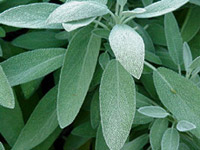
  • SageSage Leaves leaves photo
Most plant foods are rich in fiber, vitamins, and minerals, which are important to good health in people with diabetes. Some revealing new studies show that certain plant foods -- cinnamon, cloves, and coffee -- may actually aid in fighting inflammation and help insulin, the hormone that helps controls blood sugar. Studies have shown that cinnamon extracts can increase sugar metabolism, triggering insulin release, which also affects cholesterol metabolism. Clove oil extracts (eugenol) have been found to improve the function of insulin and to lower glucose, total cholesterol, LDL, and triglycerides. Recent findings indicate that an unknown compound in coffee (not caffeine) may enhance insulin sensitivity and reduce the risk of developing type 2 diabetes.
Still, the scientific evidence thus far does not support the role of garlic, ginger, ginseng, hawthorn, or nettle in benefiting blood sugar control in people with diabetes. If you have diabetes and are considering taking any of these herbal substances for diabetes treatment, be sure you talk to your doctor before you take them.

What Weight Control Substances Are Used for Diabetes Treatment?

The following plant foods are sometimes used for diabetes treatment, particularly for those with type 2 diabetes.
Since weight and diabetes are linked, many people with diabetes turn to natural alternative therapies for diabetes treatment, particularly those that claim to help with weight loss, including:
  • Chitosan is a sugar that is obtained from the hard outer skeleton of shellfish, including crab, lobster, and shrimp. It is used for medicine
  • Garcinia cambogia (hydroxycitric acid)s a derivative of citric acid that is found in a variety of tropical plants including Garcinia cambogia and Hibiscus subdariffa.
  • Chromium
  • Pyruvate-a salt, ester, or anion of pyruvic acid. Pyruvate is the end product of glycolysis and may be metabolized to lactate or to acetyl CoA.
  • Germander-Called: Canada Germander, Wood-sage, Wall Germander, Dwarf Germander ... Any of various usually aromatic plants of the genus Teucrium, with purplish or reddish flowers.
  • Momordica charantia (Chinese bitter melon)often called bitter melonbitter gourd or bitter squash in English, has many other local namesGoya from the indigenous language of Okinawa and karavella from Sanskrit are also used by English-language speaker
  • Sauropus androgynus (sweet leaf bush)Sauropus androgynus (L.) Merrill also known as katuk, star gooseberry, or sweet leaf, is a shrub grown in some tropical regions as a leaf vegetable.
  • Aristolochic acid- are a family of carcinogenic, mutagenic, and nephrotoxic compounds commonly found in the Aristolochiaceae family of plants, including Aristolochia and Asarum (wild ginger), which are commonly used in Chinese herbal medicine. Aristolochic acid I is the most abundant of the aristolochic acids and is found in almost all Aristolochia species.Aristolochic acids are often accompanied by aristolactams.
    Aristolochic acids are slightly soluble in water, have a melting point between 281 and 286 degrees celsius, and have a bitter flavor.
In addition, transdermal (skin patch) systems as well as oral sprays have been developed to purportedly reduce appetite and facilitate weight loss. One patch system uses homeopathic amounts of 29 different compounds to reduce appetite. What is the bottom line? There's not one published study available on its efficacy.

Are Herbs Really Safe for Diabetes Treatment?

In 2003, ephedrine -- also known as ma huang -- became the first herbal stimulant ever banned by the FDA. A popular component of over-the-counter weight loss drugs, ephedrine was found to have some benefits. However, the evidence of its ability to cause harm was far more compelling. In high doses, ephedrine has been known to cause insomnia (difficulty falling and staying asleep), high blood pressure, glaucoma, and urinary retention. This herbal supplement has also been associated with numerous cases of stroke.
Chitosan has received a great deal of recent publicity. It is derived from seashells and has the ability to bind to fat and prevent its absorption. Although it is said to facilitate weight loss, available studies thus far have not been encouraging.
Germander, Momordica charantiaSauropus androgynus, and aristolochic acid have been associated with liver disease, pulmonary disease, and kidney disease.
The other so-called "obesity remedies" listed have not been rigorously studied, and those that been reviewed have yielded disappointing results.
Also, a recent survey of herbal preparations for obesity found that many preparations contained lead or arsenic and other toxic metals. Some also contain other undeclared ingredients. Occasionally, there was mistaken plant identity as well.

What to Consider Before Using Natural Therapies for Diabetes Treatment

Before you think about using a natural therapy for diabetes treatment, be sure to consider the following:  
  • Discuss any drugs you use, including herbal products, with your doctor before taking them.
  • If you experience side effects such as nausea, vomiting, rapid heartbeat, anxiety, insomnia, diarrhoea, or skin rashes, stop taking the herbal product and notify your doctor immediately.
  • Avoid preparations made with more than one herb.
  • Beware of commercial claims of what herbal products can do. Look for scientific-based sources of information.
Select brands of natural products carefully. Only purchase brands that list the herb's common and scientific name, the name and address of the manufacturer, a batch and lot number, expiration date, dosage guidelines, and potential side effects.

ps- this is only for information, always consult you physician before having any particular food/ medication/exercise/other remedies.
ps- those interested in recipes are free to view my blog-

http://gseasyrecipes.blogspot.com/


for info about knee replacement, you can view my blog-


http://Knee replacement-stick club.blogspot.com/


for crochet designs


http://My Crochet Creations.blogspot.com
Labels: , , , , , , , , , , , , , , , ,